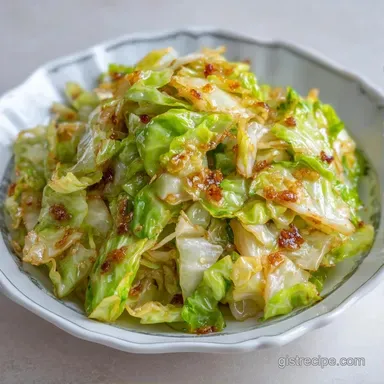
15 Minute Sautéed Cabbage with Garlic: Buttery and Tender
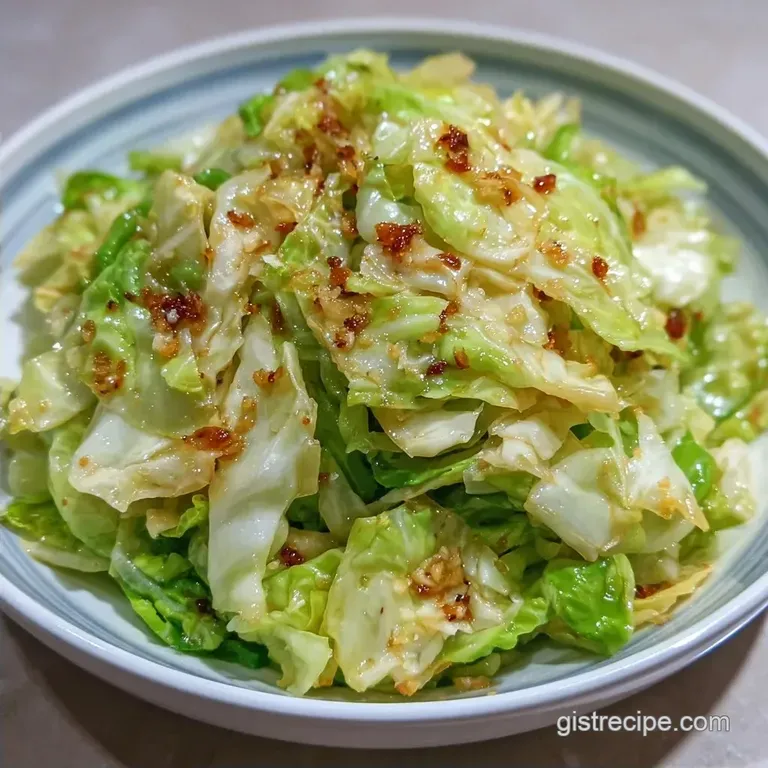
- Time: 5 min active + 10 min cooking
- Flavor/Texture Hook: Nutty brown butter with tender crispy charred edges
- Perfect for: Weeknight dinners, meal prep, or a quick side for roasted meats
Ever wonder why some cabbage tastes like a soggy, sulfurous mess from a school cafeteria, while other versions feel like a treat at a high end steakhouse? Most people overcook it. They boil it or steam it until every bit of character vanishes, leaving you with a pile of gray, limp leaves. It's a tragedy, honestly.
I remember the first time I tried to make "fancy" cabbage for a dinner party. I used a low heat, thinking I was being gentle with the vegetables. The result was a watery, pale puddle that smelled like a wet dog. I almost threw the whole pan away.
But then I realized the secret is actually the opposite of gentle: you need a hot pan and plenty of fat.
This 15 Minute Sautéed Cabbage with Garlic and Butter is the perfect quick and savory side dish. It doesn't need a long braise or a complicated set of steps. By hitting the cabbage with high heat, we lock in that satisfying crunch while getting those deep, caramelized notes that make the vegetable actually taste bold and vibrant.
15 Minute Sautéed Cabbage with Garlic
The real magic here happens in the first few minutes. When the butter hits the pan, it doesn't just melt; it foams and then begins to brown. That nutty aroma is your first signal that you're on the right track.
Then comes the garlic, which needs just enough time to soften and gold before the cabbage hits the pan and drops the temperature.
I've found that using a cast iron skillet is the way to go here. It holds heat better than thin aluminum, meaning when you toss in a pound of cabbage, the pan doesn't just go cold. You want to hear a loud, aggressive sizzle the moment the shreds touch the metal.
That's the sound of moisture evaporating quickly so the cabbage can actually brown instead of steaming in its own juices.
If you're used to cabbage being a "boring" vegetable, this version will change your mind. It's all about the contrast between the velvety butter and the bright, zesty hit of lemon juice at the end. It's fast, it's simple, and it actually works every single time.
The Trick Behind the Texture
The goal isn't to "cook" the cabbage so much as it is to sear it. We are looking for a specific state where the center is tender but the edges are charred and slightly crispy. This requires a few specific movements in the pan.
Over High heat Searing: By using medium high heat, the water on the surface of the cabbage evaporates almost instantly. This allows the natural sugars to brown quickly.
Fat Based Heat Transfer: The combination of butter and olive oil ensures the heat is distributed evenly across the shreds, preventing the garlic from burning while the cabbage sears.
Acidic Balance: Adding lemon juice at the very end breaks through the heaviness of the butter. This prevents the dish from feeling "greasy" and makes the garlic pop.
Rapid Evaporation: Sautéing in a wide pan prevents the cabbage from stacking too deep, which would cause it to steam. The more surface area touching the pan, the better the char.
But what about the difference between doing this on the stove versus in the oven? I've tried both, and while roasting is great for large batches, the stovetop is where you get that specific, vibrant sautéed texture.
| Method | Time | Texture | Best For |
|---|---|---|---|
| Stovetop | 15 mins | Charred & Tender Crisp | Quick weeknight sides |
| Oven Roast | 30 mins | Soft & Caramelized | Large crowd meal prep |
| Steamed | 10 mins | Soft & Uniform | Low calorie diets |
Component Analysis
Understanding why we use these specific ingredients helps you make better choices if you're missing something in your pantry. It's not just about following a list; it's about knowing what each part does for the final bite.
| Ingredient | Science Role | Pro Secret |
|---|---|---|
| Green Cabbage | Structural Base | Slice thinner for faster charring |
| Unsalted Butter | Flavor/Browning | Let it foam until nutty for deeper taste |
| Fresh Garlic | Aromatic Layer | Mince finely to avoid large bitter chunks |
| Lemon Juice | pH Balancer | Add only after heat is off to keep it bright |
Since this is such a fast process, the quality of your butter and garlic really stands out. I always go for a high fat European style butter if I have it, but any unsalted butter will do the trick.
Ingredients You Need
Make sure your cabbage is shredded thinly and evenly. If some pieces are thick and others are paper thin, the thin ones will burn before the thick ones are even warm.
- 1 lb green cabbage, thinly shredded Why this? Provides the best crunch and sweetness when charred
- 3 tbsp unsalted butter Why this? Creates the nutty base and velvety mouthfeel
- 1 tbsp olive oil Why this? Raises the smoke point to prevent butter from burning
- 4 cloves garlic, minced Why this? Adds a bold, savory punch
- 1/2 tsp kosher salt Why this? Pulls out moisture to encourage browning
- 1/4 tsp cracked black pepper Why this? Adds a subtle woody heat
- 1 tsp lemon juice Why this? Cuts through the fat for a clean finish
If you're out of certain items, don't panic. Most of these can be swapped without ruining the dish, though the flavor profile will shift slightly.
| Original Ingredient | Substitute | Why It Works |
|---|---|---|
| Unsalted Butter | Ghee (3 tbsp) | Higher smoke point. Note: Lacks the milk solid browning flavor |
| Lemon Juice | Apple Cider Vinegar (1 tsp) | Similar acidity. Note: Adds a slightly fruitier, fermented note |
| Green Cabbage | Savoy Cabbage (1 lb) | More crinkled leaves. Note: Texture is more delicate and tender |
| Olive Oil | Avocado Oil (1 tbsp) | Neutral flavor. Note: Better for extremely high heat |
Keep in mind that using salted butter means you should cut back on the kosher salt by about a pinch.
Essential Equipment
You don't need a professional kitchen for this, but the pan choice is the one thing that actually matters. If you use a small pot, you'll end up steaming the cabbage, and you'll lose all those beautiful charred edges.
I highly recommend a 12 inch cast iron skillet. It's my go to because it holds onto heat like a beast. When you drop in the cabbage, the temperature doesn't plummet, which is the key to getting that "steakhouse" sear. If you don't have cast iron, a large stainless steel sauté pan works perfectly fine.
Avoid non stick if you can, as they sometimes struggle to reach the high temperatures needed for a proper char.
A sharp chef's knife or a mandoline is also helpful. The thinner the shred, the more surface area you have for the butter to cling to. I usually aim for shreds about 1/8th of an inch thick.
The Cooking Process
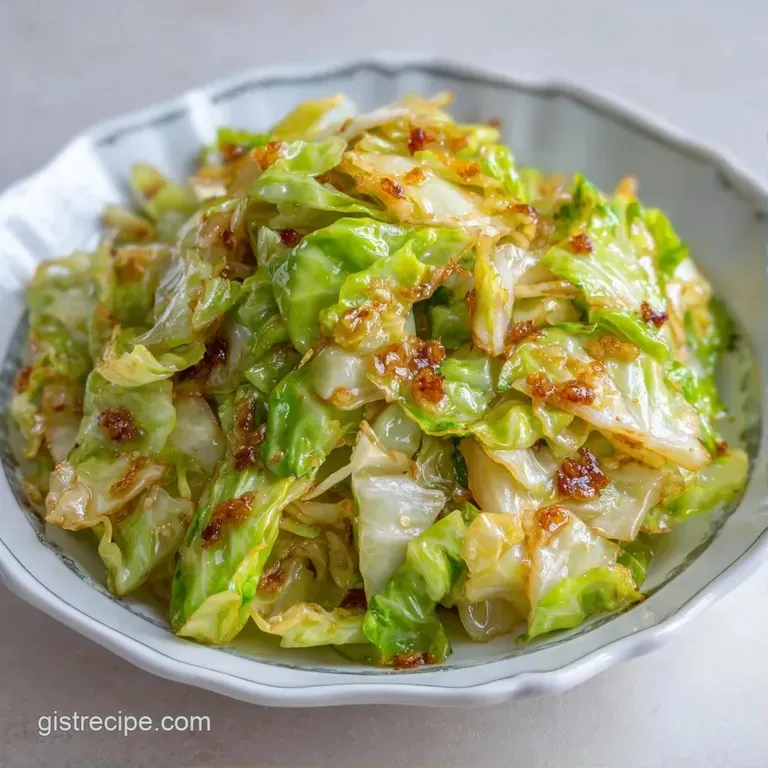
Right then, let's get into the actual cooking. The timing here is tight, so have everything prepped and sitting in bowls next to the stove before you turn on the heat.
- Heat the olive oil and butter in a 12 inch cast iron skillet or large stainless steel sauté pan over medium high heat. Wait until the butter stops foaming and smells nutty. Note: This is the "beurre noisette" stage where the flavor develops.
- Add the minced garlic to the butter. Stir constantly for 30 60 seconds until fragrant and golden. Note: Move fast here; garlic turns bitter if it goes dark brown.
- Toss in the shredded cabbage. Stir vigorously for about 30 seconds to coat every shred in the garlic butter.
- Sauté for 5–7 minutes. Wait until you see golden brown charred edges on the leaves and the cabbage has wilted slightly. Note: Don't stir too often; let the cabbage sit against the pan for a minute to get those brown spots.
- Stir in the kosher salt and cracked black pepper.
- Pour in the lemon juice. Remove from heat immediately while the cabbage remains tender crisp. Note: The residual heat will finish the cooking process.
The aroma at the end should be a mix of toasted garlic and a bright, citrusy lift. If it smells only like boiled cabbage, you didn't use enough heat.
Fixing Common Cabbage Issues
Even with a simple recipe, things can go sideways. Usually, it comes down to temperature or pan volume. If you're cooking for a crowd and double the recipe, you MUST work in batches. If you crowd the pan, the cabbage will release its water and boil instead of sautéing.
Why Your Cabbage is Watery
This happens when the pan temperature drops too low or there is too much cabbage in the skillet. Instead of searing, the vegetable releases its moisture, creating a steam bath. To fix this, increase the heat and spread the cabbage out in a wider pan.
Why Your Garlic Tastes Burnt
Garlic has a very low burn point. If the butter is screaming hot when the garlic goes in, it can carbonize in seconds. Always add the garlic just before the cabbage, and keep it moving constantly.
| Problem | Root Cause | Solution |
|---|---|---|
| Pale Cabbage | Heat too low | Increase to medium high; stop stirring for 2 mins |
| Bitter Taste | Burnt garlic | Lower heat; add garlic 30 seconds before cabbage |
| Mushy Texture | Overcooked | Remove from heat 2 minutes earlier |
Common Mistakes Checklist
- ✓ Did you shred the cabbage thinly enough?
- ✓ Is your pan large enough to avoid crowding?
- ✓ Did you wait for the butter to smell nutty?
- ✓ Did you add the lemon juice after removing from heat?
Ways to Mix It Up
Once you have the base for Minute Sautéed Cabbage with Garlic and Butter down, you can really play with the flavors. This recipe is a canvas. For a more indulgent version, I love adding a splash of heavy cream at the end to make a creamy garlic butter cabbage. If you want something a bit more "saucy," you could drizzle some Creamy Garlic Sauce recipe over the top right before serving.
If you're looking for something more traditional, try the Irish buttered cabbage style. Instead of lemon juice, use a pinch of sugar and a tablespoon of butter, and cook it just long enough to soften without the heavy char. It's a more comforting, mellow version.
For a vegan version, swap the butter for a high-quality vegan butter alternative or just use more olive oil. You'll lose some of the nuttiness, but the garlic and lemon still do the heavy lifting. You can also try a red cabbage swap.
Red cabbage takes slightly longer to soften and has a more earthy sweetness, so give it an extra 2-3 minutes in the pan.
Scaling Your Batch
Scaling this recipe is straightforward, but you can't just multiply everything and throw it in the same pan. This is where most people mess up their Minute Sautéed Cabbage with Garlic and Butter.
Scaling Down (½ Batch) Use a smaller 8 or 10 inch skillet. Reduce the cooking time by about 20% because the cabbage will heat through faster in a smaller volume. Be extra careful with the garlic, as it can burn more easily in smaller amounts of fat.
Scaling Up (2x-4x Batch) Do not double the garlic and salt linearly. Start with 1.5x the seasonings and taste before adding more. Most importantly, work in batches. Sauté half the cabbage, remove it to a bowl, and then do the second half.
If you put 2 lbs of cabbage in a standard pan, you'll get a watery mess.
If you are doing a massive batch for a party, you can actually par-sauté the cabbage in the pan and then finish it in a 400°F (200°C) oven for 10 minutes to get that final caramelization.
Cabbage Truths
There are a few things people believe about cabbage that just aren't true. Let's set the record straight.
First, some people think you have to boil cabbage to "remove the smell." This is a myth. Boiling actually concentrates the sulfurous compounds that create that "cabbage smell." Sautéing at high heat transforms those flavors into something sweet and nutty.
Second, there's a belief that you lose all the nutrients if you don't steam the vegetable. While some heat sensitive vitamins drop slightly, the addition of healthy fats (butter and oil) actually helps your body absorb the fat soluble vitamins found in the cabbage.
Storage and Zero Waste
This dish is best eaten immediately, but it keeps surprisingly well. Store leftovers in an airtight container in the fridge for up to 3-4 days. When reheating, avoid the microwave if possible.
Toss the Sautéed Cabbage with Garlic and Butter back into a hot skillet for 2 minutes to bring back some of that texture.
If you're into freezing, I wouldn't recommend it for this specific recipe. The cell walls of the cabbage break down during freezing, and it will turn into mush when thawed.
For zero waste, don't throw away the cabbage core! Chop the core into small cubes and toss them into a vegetable stock or a soup. The core is the densest part of the plant and holds a lot of flavor that's great for simmering.
If you have leftover shredded cabbage that hasn't been cooked, keep it in a damp paper towel inside a bag to prevent it from wilting.
Best Pairing Ideas
Because this dish is so rich and savory, it pairs best with proteins that have a bit of acidity or a smoky char. It's a fantastic partner for grilled sausages, pork chops, or a piece of seared salmon. The brightness of the lemon juice in the cabbage cuts through the fat of the meat perfectly.
If you want a full meal, I suggest serving this alongside some fluffy quinoa or roasted potatoes. For those who love creamy textures, this pairs wonderfully with a Chicken Broccoli Casserole, providing a fresh, zesty contrast to the richness of a bake.
Honestly, you can even serve this as a warm salad. Just add some toasted almonds or a sprinkle of feta cheese on top. It's a simple, 15 Minute Sautéed Cabbage with Garlic side that transforms a basic vegetable into the star of the plate.
Recipe FAQs
What is the best way to cook fresh cabbage leaves for this sauté?
Thinly shred the leaves for maximum surface area. This ensures the cabbage chars quickly in the skillet while remaining tender crisp.
How to keep cabbage tender crisp and avoid mushiness?
Sauté for only 5 7 minutes and remove from heat immediately. Overcooking breaks down the cell structure, leading to a soggy texture.
What do you eat sautéed cabbage with?
Serve it as a side for roasted meats or grilled fish. If you enjoyed the high heat searing technique used here, see how the same principle works in our stove top steak guide.
Is it true that cabbage must be boiled before sautéing?
No, this is a common misconception. Boiling adds excess moisture that prevents the cabbage from developing the golden brown charred edges required for this recipe.
How to prevent the garlic from burning in the butter?
Stir constantly for 30 60 seconds. Toss in the shredded cabbage as soon as the garlic becomes fragrant and golden to drop the temperature of the pan.
Can I freeze the leftovers for later use?
No, avoid freezing this dish. Freezing breaks down the cabbage cell walls, which causes the vegetable to turn into mush when thawed.
How to reheat the cabbage to maintain its texture?
Toss the leftovers back into a hot skillet for 2 minutes. Avoid using a microwave, as it steams the cabbage and destroys the charred edges.
Sauteed Cabbage With Garlic