Creamy Classic Mornay Sauce Recipe: Velvety and Nutty
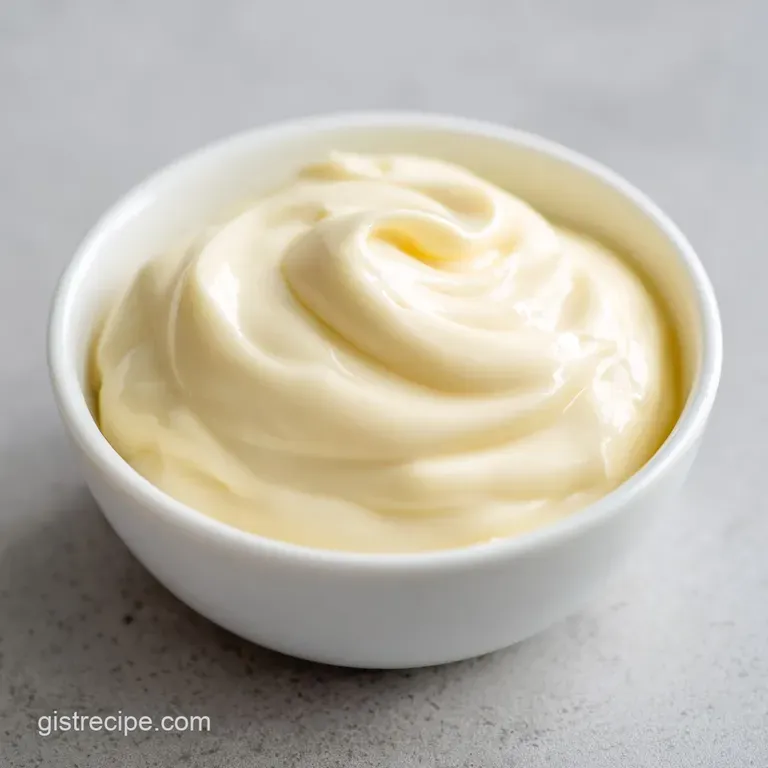
- Time:10 minutes prep + 15 minutes cook = Total 25 minutes
- Flavor/Texture Hook: Velvety, glossy finish with a nutty Gruyère punch
- Perfect for: Comforting weeknight bakes or a rich vegetable topping
Easy Creamy Classic Mornay Sauce Recipe
That first sizzle of butter in a heavy pan always gets me. There is something about the way it foams up and then settles into a golden pool that feels like the start of something really comforting.
I remember the first time I tried a "fancy" French sauce, and I was convinced I needed a degree from Le Cordon Bleu or at least a copper pot that cost more than my first car. I spent an hour stressing over a textbook recipe, only to end up with something that looked more like lumpy wallpaper paste than a silky sauce.
Forget everything you know about French sauces being intimidating or reserved for white tablecloth restaurants. The truth is, a Mornay is just a Béchamel that went to cheese school.
It is one of the most reliable tools in a home cook's kit, and once you get the rhythm of the roux, it's almost impossible to mess up. You don't need expensive gadgets, just a bit of patience and a whisk.
This recipe is all about that velvety, glossy texture that clings to a piece of cauliflower or a slice of toasted sourdough. It's rich, it's salty, and it has that subtle hum of nutmeg that makes people ask, "What is in this?" without being able to put their finger on it. Let's get into how to make it foolproof.
Quick Recipe Details
Before we dive into the pan, let's look at the basics. This is a budget friendly classic that relies on a few staples. I've found that using whole milk is non negotiable here, as the fat content is what gives the sauce its structural integrity and that luxurious mouthfeel.
Since we are aiming for a budget smart approach, I've focused on ingredients that deliver a punch without breaking the bank. While Gruyère is the traditional choice, I'll show you how to swap it if you're watching your spending.
The goal is a balanced, salty nutty profile that doesn't overpower the dish it's topping.
DIVTABLE_0
Right then, let's talk about the timeline. With 10 minutes of prep and 15 minutes of actual heat, you can have this on the table in under a half hour. It's a fast way to make a simple meal feel like a celebration.
Essential Pantry Components
The magic here is in the ratios. We are using an equal weight of butter and flour to create the roux, which is the backbone of the sauce. If you go too heavy on the flour, the sauce tastes like paste; too little, and it'll be a soup.
The Ingredient List:
- 3 tbsp unsalted butterWhy this? Provides the fat base for the roux
- 3 tbsp all purpose flourWhy this? Essential starch for thickening
- 2 cups whole milk, room temperatureWhy this? Prevents temperature shock and lumps
- 1/4 tsp ground nutmegWhy this? Cuts through the richness of the cheese
- 1/2 tsp fine sea saltWhy this? Basic flavor enhancement
- 1/4 tsp white pepperWhy this? Adds heat without black specks
- 1 cup Gruyère cheese, freshly gratedWhy this? Classic nutty melt
- 1/4 cup Parmesan cheese, freshly gratedWhy this? Adds a salty, sharp kick
Since we're keeping this budget smart, remember that pre shredded cheese is your enemy here. It's coated in cellulose to stop it from clumping in the bag, but that same coating stops it from melting smoothly into your sauce. Spend the extra two minutes grating it yourself, and your sauce will be infinitely silkier.
| Original Ingredient | Substitute | Why It Works |
|---|---|---|
| Gruyère (1 cup) | Sharp Cheddar (1 cup) | Similar meltability. Note: Stronger, "tangier" flavor than nutty Gruyère |
| Whole Milk (2 cups) | 2% Milk (2 cups) | Still works for thickening. Note: Slightly less creamy finish |
| White Pepper | Black Pepper | Same heat profile. Note: Will leave visible black specks in the white sauce |
| Unsalted Butter | Salted Butter | Works fine. Note: Reduce the added sea salt by a pinch |
Required Kitchen Gear
You don't need a professional kitchen to nail this. In fact, using a pan that is too large can actually make the sauce harder to manage because the milk evaporates too quickly.
I always reach for a heavy bottomed saucepan. A thick base distributes the heat evenly, which is crucial when you're whisking the roux. If you use a thin pan, the butter can brown too quickly in spots, giving the sauce an uneven color.
A whisk is the only "must have" tool here - don't try to do this with a spoon unless you enjoy spending your evening picking out lumps of flour.
For the cheese, a standard box grater works perfectly. If you have a food processor with a grating disk, feel free to use it, but the manual way is just as fast for these quantities. Just make sure your saucepan is large enough to allow for vigorous whisking without splashing milk all over your stove.
The step-by-step Process
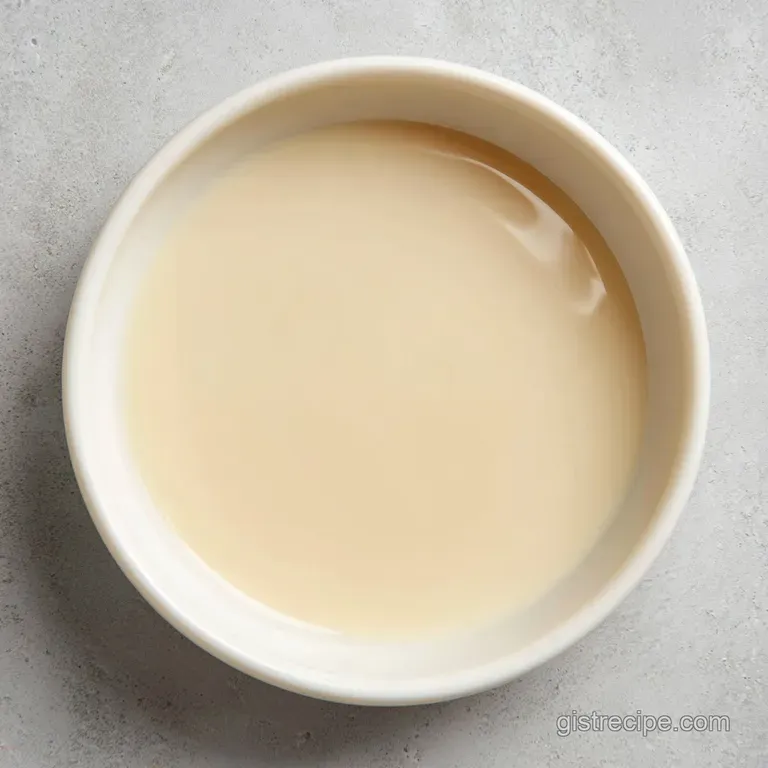
Now, let's get to the actual cooking. The key here is movement. You want to keep the ingredients moving so nothing burns and everything integrates.
Phase 1: The Foundation
Melt the butter in a heavy bottomed saucepan over medium heat until it foams. Note: Don't let it brown; we want a pale base. Stir in the flour and whisk constantly for 1-2 minutes until the roux reaches a blonde color and smells slightly nutty.
This step is where the raw flour taste disappears.
Phase 2: Building the Body
Slowly pour in the milk a splash at a time, whisking vigorously after each addition to prevent lumps. Note: If it looks too thick at first, don't panic, just keep whisking. Bring the mixture to a gentle simmer, stirring constantly until the sauce thickens enough to coat the back of a spoon.
You'll know it's ready when you can draw a clear line through the sauce with your finger.
Phase 3: The Final Emulsion
Stir in the salt, pepper, and ground nutmeg. Now, this is the most important part: remove the pan from the heat to ensure the cheese does not separate. Add the grated Gruyère and Parmesan in handfuls, stirring gently until the sauce is glossy and the cheese is fully melted.
Chef Tip: If you find your sauce is getting too thick as you add the cheese, whisk in one extra tablespoon of milk. It'll loosen things up without compromising the flavor.
Fixing Common Sauce Issues
Even for experienced cooks, cheese sauces can be temperamental. The most common struggle is the "break," where the fat separates from the solids, leaving you with an oily film on top. This usually happens because the sauce was too hot when the cheese was added.
Grainy Texture
When the cheese is added to boiling liquid, the proteins can tighten up and clump, creating a grainy feel. This is why we take the pan off the heat. If this happens, try whisking in a tiny bit of cold milk very quickly to bring the temperature down and emulsify the fats.
Sauce Too Thick
Over reducing the Béchamel base is a common slip. If your sauce is more like a paste than a pourable cream, you can fix it easily. Just whisk in milk one tablespoon at a time over low heat until it reaches that velvety consistency.
| Problem | Root Cause | Solution |
|---|---|---|
| Lumpy Sauce | Milk added too fast | Whisk vigorously or strain through a sieve |
| Oily Surface | Overheating cheese | Remove from heat before adding cheese |
| Bland Taste | Lack of seasoning | Add a pinch more salt or a drop of lemon juice |
Common Mistakes Checklist
- ✓ Always use room temperature milk to avoid "shocking" the roux.
- ✓ Grate your own cheese to avoid anti clumping agents.
- ✓ Whisk constantly during the milk addition phase.
- ✓ Remove the pan from the burner before stirring in the cheese.
- ✓ Use a heavy bottomed pan to prevent hot spots.
Creative Flavor Twists
Once you've nailed the classic, you can start playing with the profile. The beauty of a Mornay is that it's a blank canvas for savory flavors.
For a zesty version, stir in a teaspoon of Dijon mustard and a squeeze of fresh lemon juice. This is brilliant if you're serving it over steamed asparagus or white fish. If you want something bolder, try adding a pinch of smoked paprika or some sautéed garlic.
I've found that adding a small amount of garlic powder to the roux stage gives the sauce a deeper, more savory backbone.
If you're feeling adventurous, this sauce works wonders as a base for other dishes. You could easily fold this into a Beef and Rotini style pasta for a rich, cheesy dinner. Or, if you want to lean into the seafood side of things, add a pinch of cayenne pepper and a splash of white wine to the Béchamel before adding the cheese.
Customization Guide
- For a bolder kick: Use extra sharp white cheddar instead of Gruyère.
- For a lighter feel: Swap 1/2 cup of whole milk for heavy cream to increase richness but reduce the amount of flour needed.
- For a herbal note: Stir in fresh thyme or chopped parsley at the very end.
Storage and Zero Waste
Since this sauce is so rich, you might not use all 4 servings at once. The good news is that it stores quite well, though it does change texture as it cools.
Storage Guidelines Store any leftovers in an airtight container in the fridge for up to 3 days. When you're ready to use it again, don't just zap it in the microwave on high, or the cheese might separate.
Instead, heat it slowly on the stovetop over low heat, whisking in a splash of milk to bring back that velvety flow.
Freezing I generally don't recommend freezing cheese sauces. The emulsion often breaks during the freezing and thawing process, leaving you with a gritty texture. If you must, thaw it slowly in the fridge and whisk it vigorously over low heat.
Zero Waste Tips Don't throw away those leftover Gruyère or Parmesan rinds! Toss them into a simmering pot of vegetable or chicken stock. They add an incredible depth of umami flavor to your soups.
Also, if you have a small amount of leftover roux (the butter/flour mixture), you can freeze it in a small dollop to jumpstart your next batch of sauce.
Best Pairing Ideas
A Mornay sauce is essentially a luxury upgrade for any vegetable or protein. The saltiness of the cheese and the creaminess of the milk make it the ultimate comfort pairing.
For a classic experience, pour this over steamed cauliflower or broccoli and pop it under the broiler for 3 minutes. The sauce will bubble and brown, creating a crust that is absolutely irresistible. It's also a fantastic companion for poached fish or grilled chicken breasts.
If you're looking for something different, try using a Creamy Garlic Sauce if you want a more pungent, garlic forward profile. But for pure, comforting elegance, the Mornay is hard to beat. I also love using it as a binder for a tuna or salmon melt on thick cut sourdough toast. Just spread a generous layer of sauce over the fish, top with extra cheese, and grill until the bread is golden and the sauce is bubbling.
Recipe FAQs
What is the mother sauce of Mornay sauce?
Béchamel sauce. Mornay is a derivative created by adding grated cheese to a classic white roux and milk base.
What makes a Mornay a Mornay?
The addition of cheese to Béchamel. While a Béchamel consists only of milk and roux, a Mornay specifically incorporates Gruyère and Parmesan to create a richer, savory profile.
What gives Mornay sauce its flavor?
A combination of nutty cheese and ground nutmeg. The Gruyère and Parmesan provide a deep saltiness, while a pinch of nutmeg adds a subtle, warm aromatic quality.
How do you make traditional Mornay sauce?
Melt butter in a saucepan, then whisk in flour to create a blonde roux. Slowly incorporate room temperature milk, simmer until thick, and stir in the cheeses after removing the pan from the heat.
Is it true I must use only Gruyère cheese for an authentic Mornay?
No, this is a common misconception. Authentic versions typically blend Gruyère with Parmesan to achieve a balance of creamy texture and sharp saltiness.
What are common Mornay sauce mistakes?
Adding cheese while the sauce is still boiling. Excessive heat causes the cheese fats to separate, resulting in a grainy texture rather than a glossy emulsion.
Can I make a dairy-free version of this sauce?
Yes, by using plant based alternatives. If you need a non-dairy option, the techniques used in our creamy cashew sauce provide a similar richness without the milk and cheese.
Creamy Classic Mornay Sauce Recipe: Velvety Result in 25 Min