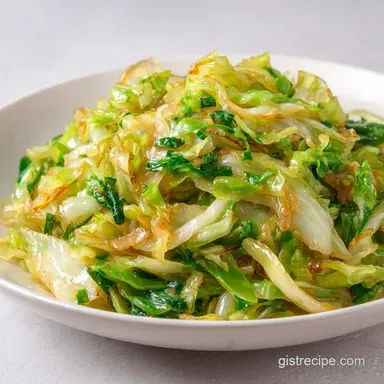
Sautéed Cabbage: Golden and Caramelized
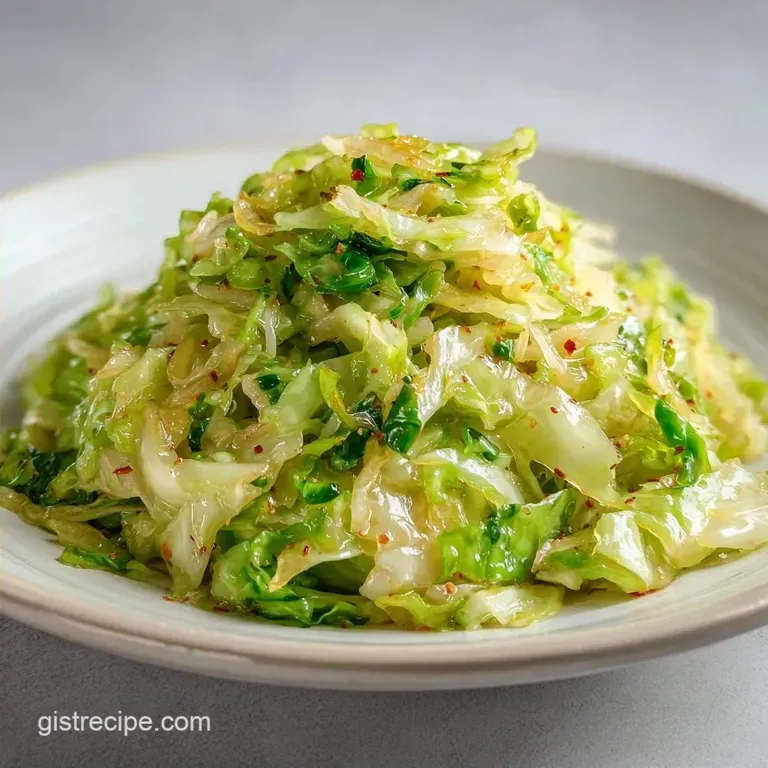
- Time: 5 min active + 15 min cooking
- Flavor/Texture Hook: Nutty, caramelized edges with a tangy finish
- Perfect for: Weeknight dinner sides or holiday meal prep
Sautéed Cabbage: The Best Way
That first sizzle when the sliced cabbage hits the hot butter is everything. I remember the first time I tried to make this, I just dumped everything in the pan and stirred it constantly. I ended up with a pale, soggy pile of greens that looked and tasted like something from a school cafeteria. It was a total letdown.
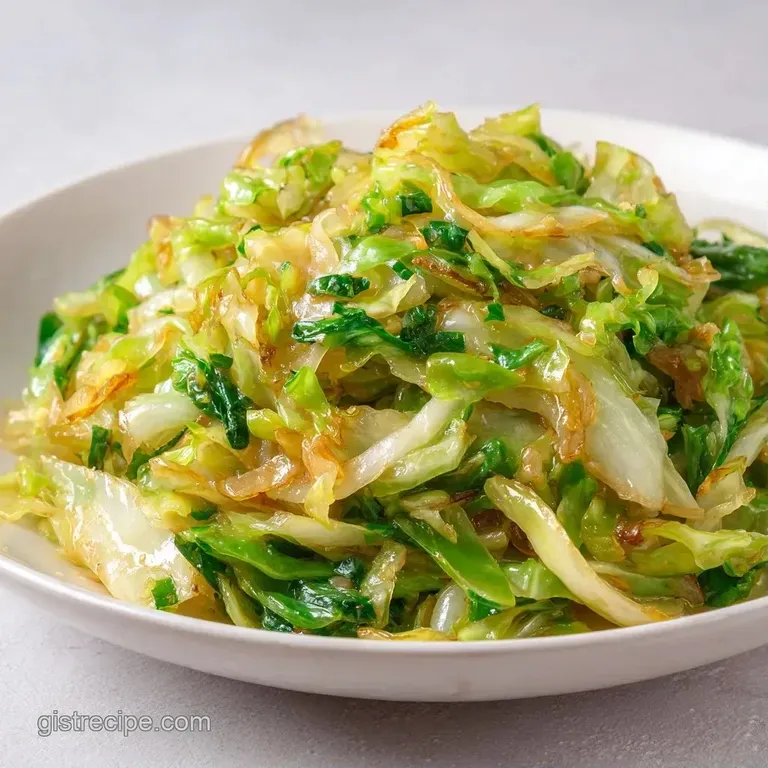
The trick I learned is to actually leave it alone. When you let the ribbons sit undisturbed, they develop these deep, brown, charred edges that taste like candy. That contrast between the sweet, browned bits and the fresh, bright flavor of the vegetable is what makes a real Sautéed Cabbage stand out.
This version focuses on bold flavors and visual appeal. We are not doing a slow braise here, where everything turns soft and mushy. We want a dish that still has some bite, a bit of a crunch, and a lot of aromatic punch from the garlic and onions. Trust me, once you stop stirring, you will never go back to the old way.
Why This Side Dish Wins
Getting the texture right is all about heat management. Here is what is actually happening in your pan:
- Surface Browning: High heat causes the natural sugars in the vegetable to brown quickly, creating a rich, nutty flavor.
- Acid Balance: The apple cider vinegar cuts through the richness of the butter, brightening the whole dish.
- Aromatic Base: Sautéing onions and garlic first creates a flavor foundation that coats every single ribbon.
- Moisture Control: Cooking quickly prevents the cabbage from releasing too much water and steaming itself.
The goal here is a specific contrast. You want the edges to almost shatter when you bite them, but the heart of the ribbon to remain tender. It is a balance of rich fats and sharp acid.
| Method | Time | Texture | Best For |
|---|---|---|---|
| Fast Sear | 15 min | Tender Crisp | Weeknights |
| Slow Braise | 45 min | Silky/Soft | Winter Stews |
Breakdown of the Ingredients
The green cabbage is the star here. I chose it because it holds its structure much better than red cabbage when hitting a over high heat pan. According to USDA FoodData, cabbage is packed with fiber and vitamin C, making it a nutrient dense choice that doesn't sacrifice flavor.
| Ingredient | Science Role | Pro Secret |
|---|---|---|
| Green Cabbage | Structural Base | Slice into 1/4 inch ribbons for even browning |
| Unsalted Butter | Flavor & Fat | Let it foam and smell nutty before adding veg |
| Apple Cider Vinegar | pH Balancer | Stir in at the very end to keep the tang fresh |
| Garlic | Aromatic | Add after onions to prevent bitter burning |
You will need these exact items to get the result I'm talking about:
- 1 lb green cabbage, thinly sliced/shredded Why this? Holds shape and browns beautifully
- 2 tbsp unsalted butter Why this? Adds a velvety richness
- 1 tbsp olive oil Why this? Raises the smoke point of the butter
- 1/2 cup yellow onion, thinly sliced Why this? Provides a sweet, savory base
- 3 cloves garlic, minced Why this? Adds a pungent, aromatic kick
- 1/2 tsp kosher salt Why this? Draws out moisture for better searing
- 1/4 tsp black pepper Why this? Adds a subtle, woody heat
- 1 tsp apple cider vinegar Why this? Cuts through the fat with acidity
| Original Ingredient | Substitute | Why It Works |
|---|---|---|
| Unsalted Butter | Ghee (2 tbsp) | Higher smoke point. Note: Slightly more intense nutty flavor |
| Apple Cider Vinegar | Lemon Juice (1 tsp) | Similar acidity level. Note: Gives a brighter, citrusy note |
| Green Cabbage | Savoy Cabbage (1 lb) | Similar texture. Note: More crinkled leaves, holds sauce well |
The Best Pan Choice
For Sautéed Cabbage, the pan is actually a huge part of the success. I always reach for a 12 inch cast iron skillet. Cast iron holds heat like a beast, which is exactly what you need to get those charred edges without the temperature dropping when you add the cabbage.
If you don't have cast iron, a stainless steel pan works great too. Just make sure it is large enough. If you crowd the pan, the cabbage will release its moisture and start to steam instead of sear. You will end up with that grey, boiled look we are trying to avoid.
Avoid non stick pans if you can. They don't get hot enough to create that deep caramelization. You want a pan that can handle medium high heat and distribute it evenly across the bottom.
Step by step Guide
Right then, let's get into the actual cooking. Follow these steps exactly for the best result.
- Slice the cabbage into thin, uniform ribbons about 1/4 inch thick to ensure consistent caramelization. Note: Uniformity means everything cooks at the same speed.
- Heat the olive oil and butter in a 12 inch cast iron skillet or stainless steel pan over medium high heat until the butter foams and smells nutty.
- Add the sliced onions and sauté for 3-4 minutes until translucent and just beginning to turn golden. Stir in the minced garlic and cook for an additional 30 seconds until fragrant.
- Toss in the shredded cabbage and spread it across the pan. Let it sit undisturbed for 2-3 minutes until the edges are deep brown and caramelized.
- Stir and continue to sauté for another 5-7 minutes, adding salt and pepper, until the cabbage is tender crisp.
- Drizzle apple cider vinegar over the top and stir once more to finish.
Chef's Note: If you see the butter starting to smoke too much, just turn the heat down a tiny bit. You want a sizzle, not a fire. Also, don't be afraid of the brown bits on the pan, that's where the flavor lives.
Fixing Common Pan Problems
Even with a simple dish, things can go sideways. Usually, it comes down to heat or timing.
Troubleshooting Common Issues
| Issue | Solution |
|---|---|
| Why Your Cabbage Is Watery | This almost always happens because the pan was too crowded or the heat was too low. When cabbage doesn't sear immediately, it releases its internal water and poaches in its own juices. |
| Why Your Garlic Tastes Bitter | Garlic burns much faster than onions. If you throw them in at the same time, the garlic will turn black and bitter before the onions are even soft. |
| Why It Won't Brown | You might be stirring too much. I know it is tempting to keep the food moving, but Sautéed Cabbage needs contact with the hot metal to brown. Let it sit for a few minutes before you touch it. |
Common Mistakes Checklist
- ✓ Did you slice the ribbons to 1/4 inch?
- ✓ Did you use a 12 inch pan to avoid crowding?
- ✓ Did you wait for the butter to foam before adding veg?
- ✓ Did you leave the cabbage alone for 3 minutes to sear?
- ✓ Did you add the vinegar at the very end?
Bold Ways to Swap
Once you have the basic technique down, you can really have some fun with this. Since the base is so simple, it takes on other flavors easily.
Sautéed Cabbage with Bacon
This is a classic for a reason. Fry 3 strips of chopped bacon first until crisp. Remove the bacon but keep the fat in the pan. Use that bacon grease instead of the olive oil for your Sautéed Cabbage. Stir the crisp bacon back in at the very end.
Sautéed Cabbage and Sausage
Brown some sliced kielbasa or smoked sausage in the pan before you start the onions. The rendered fat from the sausage adds a smoky depth that is incredible. This version is hearty enough to be a main meal, especially if you serve it with a side of Homemade Turkey Gravy for extra richness.
Asian Sautéed Cabbage
Swap the butter for sesame oil and the apple cider vinegar for rice vinegar. Add a splash of soy sauce and a pinch of red pepper flakes. This version is punchy and works great as a side for grilled salmon or tofu.
Simple Vegan Swap
Just replace the butter with a high-quality vegan butter or an extra tablespoon of olive oil. The flavor profile remains almost identical, and you still get that beautiful sear.
Decision Shortcut:
- If you want a smoky vibe, go with the bacon.
- If you want a light, zesty side, stick to the original.
- If you want a full meal, add the sausage.
Adjusting the Portion Size
Scaling this recipe is pretty straightforward, but you have to be careful with the pan space.
Scaling Down (1/2 or 1/4): If you are just cooking for one, use a smaller 8 inch skillet. You can reduce the cooking time by about 20% because there is less mass in the pan. For the butter, just use 1 tbsp.
Scaling Up (2x-4x): This is where people mess up. Do not just put 4 lbs of cabbage in one giant pot. It will steam and become mushy. Work in batches. Sauté the onions and garlic in a large pot, then remove them and sear the cabbage in 2-3 separate batches.
When doubling the spices, only increase the salt and pepper to 1.5x initially. You can always add more at the end, but you can't take it out. Liquids like the vinegar should also be increased cautiously to keep the balance.
| Amount | Pan Size | Technique | Time Change |
|---|---|---|---|
| 1/2 lb | 8 inch | Standard | -20% time |
| 2 lbs | 12 inch | Two batches | Same time |
| 4 lbs | 12 inch | Three batches | Same time |
Storage and Waste Tips
Sautéed Cabbage keeps surprisingly well in the fridge for about 3 to 4 days. Store it in an airtight glass container to keep the moisture locked in.
When reheating, avoid the microwave if you can. The microwave will make it soft. Instead, throw it back into a hot skillet for 2-3 minutes. This brings back some of that sear and keeps the texture from becoming too velvety.
For freezing, I wouldn't recommend it. The cell structure of the cabbage breaks down during freezing, meaning it will be very mushy when thawed. It is best enjoyed fresh or from the fridge.
To avoid waste, save your cabbage core. You can chop it finely and throw it into a vegetable stock or a soup. The outer leaves, if they are just slightly wilted, can be used in a slaw or fermented for a quick kimchi style side.
What to Serve With It
Because this dish has a balance of rich butter and sharp acid, it pairs well with almost any protein. I love serving it alongside a pan seared steak or roasted pork chops. The acidity of the cabbage cuts right through the heaviness of the meat.
For a more cohesive meal, try pairing it with a Creamy Garlic Sauce drizzled over some grilled chicken. The garlic in the sauce complements the garlic in the cabbage perfectly.
If you want something lighter, serve it with a piece of baked cod or grilled shrimp. The golden edges of the Sautéed Cabbage add a visual and flavor contrast to the mild seafood. It also works great as a base for a bowl of quinoa or farro, topped with a poached egg for a bold breakfast.
Honestly, this Sautéed Cabbage is versatile enough that it doesn't need a fancy partner. It is a bold, flavorful side that can stand on its own, but when paired with the right protein, it turns a simple dinner into something special.
Just remember: don't stir too much, keep the heat high, and always finish with that splash of vinegar. Happy cooking!
Recipe FAQs
How to get cabbage to brown instead of steaming?
Let the cabbage sit undisturbed for 2-3 minutes. This allows the natural sugars to caramelize against the hot pan before you start stirring.
What is the best way to slice cabbage for sautéing?
Cut the cabbage into thin, uniform ribbons about 1/4 inch thick. Consistent thickness ensures every piece browns at the same rate.
Why is my sautéed cabbage watery?
The pan was likely too crowded or the heat was too low. This causes the cabbage to release moisture and poach in its own juices rather than sear.
Can I use other cooking methods for green cabbage?
Yes, roasting or baking are excellent alternatives. If you prefer a heartier texture, try making baked cabbage steaks.
How to prevent the garlic from tasting bitter?
Add the minced garlic after the onions have sautéed for 3-4 minutes. Garlic burns much faster than onions and only needs about 30 seconds of heat to become fragrant.
Is it true that sautéed cabbage can be frozen for later use?
No, this is a common misconception. Freezing breaks down the cell structure of the vegetable, which results in a mushy texture once thawed.
How to reheat sautéed cabbage without it getting mushy?
Toss it back into a hot skillet for 2-3 minutes. Avoid the microwave, as it softens the cabbage and removes the caramelized edges.
Sauteed Cabbage Side Dish