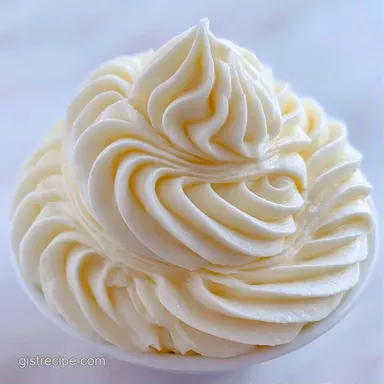
Cream Cheese Frosting: Fluffy and Stable
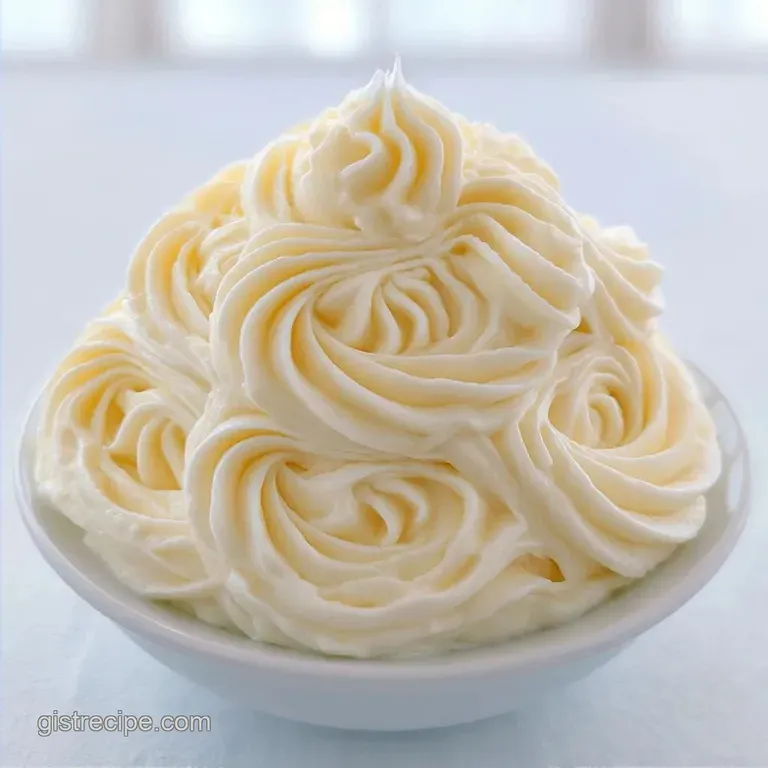
- Time:10 minutes active + 0 minutes chilling = Total 10 minutes
- Flavor/Texture Hook: Tangy, velvety, and holds a stiff peak
- Perfect for: Carrot cakes, red velvet, or cinnamon rolls
I remember thinking for years that the only way to get a bakery style finish was to buy the most expensive, organic cream cheese available. I spent way too much money on "premium" blocks, thinking the fat content in the cheap stuff would make my frosting slide right off the cake.
Honestly, it was a total waste. I tried a store brand full fat block once, and as long as it was truly room temperature, the result was just as silky. You don't need a luxury label to get a professional look, just the right technique.
This recipe focuses on budget friendly ingredients that deliver a high end result. We'll avoid the common trap of over mixing, which usually turns this treat into a soup. Instead, we'll focus on aeration to keep it light.
The Secret to Silky Cream Cheese Frosting
Fat Emulsification: Beating the butter and cheese together first creates a stable matrix that traps air, according to Serious Eats, preventing the frosting from separating.
Sugar Hydration: Sifting the powdered sugar prevents clumps from forming, allowing the crystals to dissolve evenly into the fats.
Air Incorporation: The final high speed whip introduces tiny bubbles, turning a heavy paste into a voluminous, pale cloud.
Salt Balance: A pinch of salt cuts through the heavy sugar, brightening the tang of the cheese.
You can use this as a base for Muffins in 40 Min recipe to add a creamy contrast to the spiced cake.
| Method | Time | Texture | Best For |
|---|---|---|---|
| Freshly Whipped | 10 mins | Velvety & Light | Piping swirls |
| Shortcut (Stirred) | 5 mins | Dense & Heavy | Thin glazing |
| Over beaten | 15 mins | Runny/Soup | Cake soak |
Right then, let's look at what's actually happening inside the bowl.
Essential Component Breakdown
| Ingredient | Science Role | Pro Secret |
|---|---|---|
| Cream Cheese | Structure & Tang | Use full fat blocks only; spreads are too watery |
| Unsalted Butter | Stability | Ensure it's "pliable" but not melting |
| Powdered Sugar | Sweetness & Bulk | Use a fine mesh sieve for a grit free finish, as suggested by King Arthur Baking |
| Vanilla Extract | Flavor Depth | Add at the end to preserve the aromatic oils |
Gear for the Job
You'll want a stand mixer or a hand mixer. A whisk won't cut it here because you need the mechanical force to aerate the fats.
A rubber spatula is a must for scraping the sides of the bowl. If you leave a clump of butter at the bottom, you'll find it later when you're piping, and it's a nightmare to fix.
Finally, a fine mesh sifter. Don't skip this. Powdered sugar loves to clump, and no amount of mixing will get rid of those tiny white lumps once they're in the frosting.
Step by step Assembly
- Place the softened cream cheese and butter in the mixing bowl. Note: Both must be the same temperature to emulsify.
- Beat on medium high speed for 2 to 3 minutes until the mixture is pale and completely smooth.
- Turn the mixer to low speed.
- Gradually add the sifted powdered sugar and salt one cup at a time. Note: This prevents a "sugar cloud" in your kitchen.
- Add the vanilla extract once the sugar is mostly incorporated.
- Mix on low speed until the powder is no longer flying.
- Increase to medium speed until the frosting is smooth and glossy.
- Increase the mixer speed to high and beat for 60 to 90 seconds until the frosting becomes voluminous and holds a stiff peak.
Chef: If you're using this for a cake that needs to stand tall, chill the bowl for 5 minutes before the final high speed whip.
Fixing Common Frosting Fails
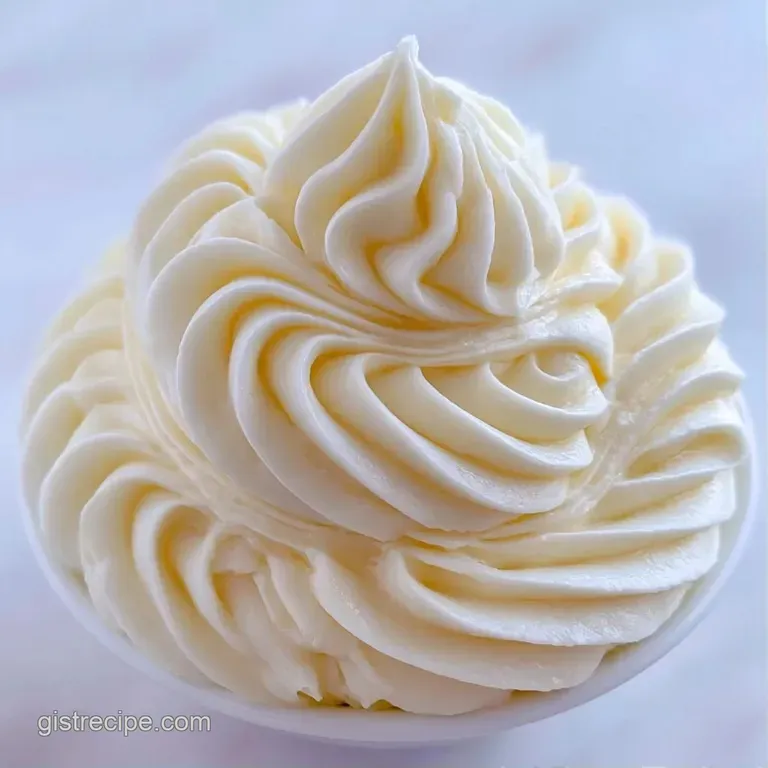
It's easy to get discouraged when the texture isn't right, but most issues with this Cream Cheese Frosting are just temperature problems.
For Runny Frosting
This usually happens if the butter was too soft (almost melted) or if you over beat the mixture at high speed for too long. The fat breaks down and can't hold the air.
For Lumpy Texture
Lumps come from two things: cold cream cheese or unsifted sugar. If you see them, don't keep beating, or you'll make it runny.
For Too Sweet
Some people find the sugar overpowering. While you can't remove it, adding a squeeze of lemon juice can balance the profile.
| Problem | Root Cause | Solution |
|---|---|---|
| Soup like consistency | Over mixing/Too warm | Chill for 30 mins, then whip briefly |
| Gritty feel | Un sifted sugar | Sift sugar before adding |
| Separating/Curdling | Temp difference | Beat on low to re incorporate |
- ✓ Use block cream cheese, not the tub version.
- ✓ Soften butter and cheese for 2 hours at room temp.
- ✓ Sift the sugar every single time.
- ✓ Stop whipping the moment you see stiff peaks.
Smart Swaps and Flavour
If you're on a budget, you can replace the unsalted butter with salted butter, just skip the added sea salt. For a different vibe, this base works great if you're making something like a Classic Italian Tiramisu but replacing the mascarpone with a thickened cheese base.
| Original Ingredient | Substitute | Why It Works |
|---|---|---|
| Unsalted Butter | Salted Butter | Same fat content. Note: Omit the extra salt in the recipe |
| Powdered Sugar | Icing Sugar | Identical product. Note: Ensure it doesn't have cornstarch if you want a softer set |
| Vanilla Extract | Maple Syrup | Adds earthy sweetness. Note: May slightly loosen the texture |
Let's talk about making this for a crowd.
Adjusting the Batch Size
When scaling this Cream Cheese Frosting, don't just multiply everything blindly. For a double batch, I recommend increasing the salt and vanilla by only 1.5x instead of 2x to keep the flavors balanced.
If you're cutting it in half, be careful with the mixing time. Smaller volumes aerate much faster, so keep a close eye on those peaks. If you're using a stand mixer for a half batch, use the paddle attachment and scrape the bowl every 30 seconds.
Common Frosting Myths
"You must use a handheld mixer for better control." Not true. A stand mixer is actually better for the final aeration phase because it can maintain a higher, more consistent speed.
"Adding cornstarch makes it stiffer." Cornstarch is already in most store-bought powdered sugars. Adding more can make the frosting taste chalky without adding much stability.
Storage and Scraps
Store any leftovers in an airtight container in the fridge for up to 7 days. If you need to freeze it, it'll last 2 months, but you must let it thaw completely in the fridge before giving it a quick whip to restore the texture.
To avoid waste, use leftover frosting as a dip for apple slices or spread it on toasted bagels. If you have a tiny bit left in the piping bag, swirl it onto a piece of brown toast for a quick, sweet breakfast.
Best Dessert Pairings
This tangy finish is a dream on anything spiced. Think carrot cakes or pumpkin loaves. It also cuts through the richness of a dense chocolate cake.
For something different, try it on warm cinnamon rolls. The heat from the rolls will melt the frosting slightly, creating a velvety glaze that sinks into the swirls. Trust me on this, it's the best way to eat it.
Recipe FAQs
Is cream cheese frosting supposed to be fluffy?
Yes, it should be voluminous and pale. Beating the mixture on high for 60 to 90 seconds at the end allows it to hold a stiff peak.
What makes the frosting fluffy?
Air incorporated during the beating process. Beating the softened butter and cream cheese for 2 to 3 minutes, followed by a final high speed whip, creates the light texture.
How to make cream cheese icing for a cake?
Beat softened cream cheese and butter for 2 to 3 minutes. Gradually mix in sifted powdered sugar and salt, stir in vanilla, and finish by beating on high for 60 to 90 seconds.
Can I use this frosting on a pineapple cake?
Yes, the tanginess balances the sweetness of pineapple perfectly. If you enjoy using cream cheese for desserts, see how it also creates a savory base in our creamy olive dip.
Is it true that cream cheese and butter can be different temperatures when mixing?
No, this is a common misconception. Both must be the same softened temperature to emulsify properly and prevent lumps from forming.
How to store leftover cream cheese frosting?
Keep it in an airtight container in the fridge for up to 7 days. If you freeze it, thaw completely in the fridge and give it a quick whip to restore the fluffy texture.
What to do if the frosting contains visible lumps?
Beat the butter and cream cheese longer on medium high speed. Ensure you mix for at least 2 to 3 minutes before adding any powdered sugar to achieve a completely smooth base.
Fluffy Cream Cheese Frosting