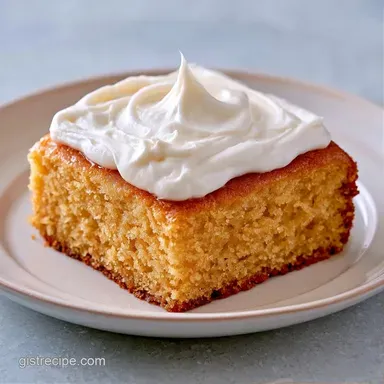
Simple Vanilla Sheet Cake: Velvety and Moist
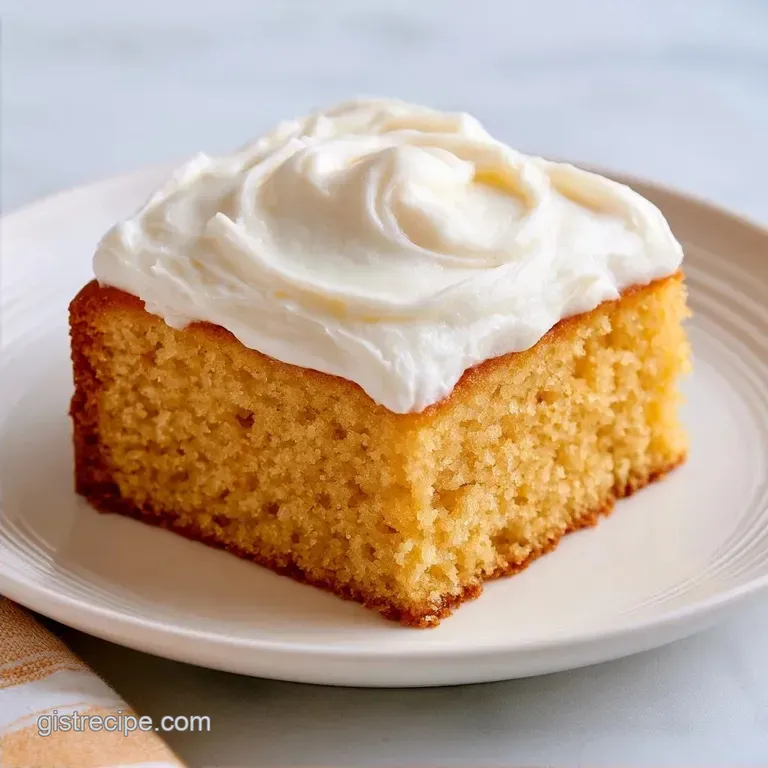
- Time: 20 min active + 30 min bake = Total 50 mins
- Flavor/Texture Hook: Velvety crumb with a cloud like vanilla buttercream
- Perfect for: Birthday parties, potlucks, or a simple weekend treat
- The Secret to a Moist Simple Vanilla Sheet Cake
- Component Analysis
- Gathering Your Ingredients
- Essential Baking Tools
- The Step by Step Process
- Fixing Common Cake Issues
- Making This Cake Your Own
- Adjusting the Batch Size
- Busted Baking Myths
- Storage and Freshness Tips
- Serving and Decoration Ideas
- Recipe FAQs
- 📝 Recipe Card
That smell of warm vanilla and melting butter hitting the air is just the best, isn't it? It takes me right back to my grandmother's kitchen during those big family reunions. We didn't do fancy tiered cakes back then.
Instead, we had these massive, rectangular slabs of cake that could feed thirty people and still have enough for seconds. It was the "community cake," the kind of dessert that signaled everyone was welcome and there was plenty to go around.
For a long time, I thought the secret was just using a lot of butter. But I remember one specific birthday where the cake was so rich it felt heavy, and by the next morning, it was practically a brick.
I realized that the nostalgia wasn't just about the flavor, but about that specific, springy texture that feels light but still satisfies.
That's where this Simple Vanilla Sheet Cake comes in. I've stripped away the fuss and focused on what actually makes a sheet cake work: a balance of fats and a bit of acidity to keep things tender. You're getting a cake that's easy to slice, easy to frost, and actually tastes like a professional bakery treat without the stress.
The Secret to a Moist Simple Vanilla Sheet Cake
Most people think you have to choose between the flavor of butter and the moisture of oil. But in this recipe, we use both. Butter gives us that classic, rich taste, while the vegetable oil ensures the cake doesn't dry out the moment it hits the fridge.
It's a little trick that makes a world of difference in the long run.
Fat Synergy: Using both oil and butter creates a crumb that is tender and stays soft at room temperature.
The Sour Cream Factor: The acidity in the sour cream breaks down the gluten strands, which prevents the cake from becoming tough or rubbery.
Temperature Balance: Bringing eggs and milk to room temperature allows them to emulsify properly, meaning the batter won't break or separate.
Controlled Aeration: Mixing on low speed at the end prevents too many air bubbles, which stops the cake from rising too fast and then collapsing.
| Method | Texture | Flavor Depth | Best For |
|---|---|---|---|
| All-Butter (Classic) | Dense, sturdy | High | Layer cakes |
| All Oil (Fast) | Very soft, airy | Low | Cupcakes |
| Hybrid (This Recipe) | Velvety, moist | Medium High | Simple Vanilla Sheet Cake |
Component Analysis
Understanding what each part does helps you avoid those "why did this happen" moments in the kitchen.
| Ingredient | Science Role | Pro Secret |
|---|---|---|
| Sour Cream | Tenderizer | Use full fat for a more velvety mouthfeel |
| Baking Powder | Leavening | Sift it with flour to avoid "bitter spots" |
| Vegetable Oil | Moisture Lock | Prevents the cake from staling overnight |
| All Purpose Flour | Structure | Spoon and level your cups to avoid a dry cake |
Gathering Your Ingredients
I've listed everything you'll need. Trust me, don't bother with low-fat substitutes here, as they'll mess with the texture of this Simple Vanilla Sheet Cake.
For the Cake Batter
- 2.5 cups all purpose flourWhy this? Standard protein level for a balanced crumb
- 1 cup granulated sugarWhy this? Provides sweetness and helps with browning
- 1 tbsp baking powderWhy this? Gives the cake its necessary lift
- 0.5 tsp saltWhy this? Balances the sugar
- 0.75 cup unsalted butter, softenedWhy this? Adds the essential buttery flavor
- 0.5 cup vegetable oilWhy this? Ensures the cake stays moist
- 3 large eggs, room temperatureWhy this? Bind the ingredients and add structure
- 1 cup whole milk, room temperatureWhy this? Provides moisture and richness
- 0.5 cup sour cream, full fatWhy this? Adds tang and tenderness
- 1 tbsp pure vanilla extractWhy this? The primary flavor profile
For the Lightened Whipped Buttercream
- 1 cup unsalted butter, softenedWhy this? The base for a stable frosting
- 3 cups powdered sugar, siftedWhy this? Creates a smooth, sweet finish
- 0.5 cup heavy whipping creamWhy this? Lightens the texture
- 1 tsp pure vanilla extractWhy this? Ties the frosting to the cake
- 1g saltWhy this? Cuts through the sweetness
| Original Ingredient | Substitute | Why It Works |
|---|---|---|
| Sour Cream (0.5 cup) | Greek Yogurt (plain, full fat) | Similar acidity and fat. Note: Slightly tangier flavor |
| Whole Milk (1 cup) | Buttermilk (1 cup) | Adds more tang and tenderness. Note: May require 1/4 tsp extra baking soda |
| Vegetable Oil (0.5 cup) | Melted Coconut Oil | Similar fat content. Note: Adds a slight coconut hint |
| All Purpose Flour | 1:1 GF Baking Flour | Mimics wheat structure. Note: Crumb will be slightly more fragile |
Essential Baking Tools
You don't need a professional kitchen for this, but a few basics make it a lot easier.
- 9x13 inch baking pan: The standard for a Simple Vanilla Sheet Cake.
- Parchment paper: This is a must if you want to lift the cake out or just ensure nothing sticks.
- Electric hand mixer or stand mixer: You can use a whisk, but a mixer makes the buttercream much fluffier.
- Sifter or fine mesh strainer: Especially for the powdered sugar, otherwise you'll have lumps in your frosting.
- Rubber spatula: For folding in the flour without knocking out the air.
The step by step Process
Before you start, let's look at the timeline. I like to plan it in three phases: The Prep, The Build, and The Finish.
Phase 1: The Prep (20 minutes) Get your oven to 350°F (175°C). Grease your 9x13 pan and line it with parchment paper. I usually leave a little overhang on the sides to make cleaning easier. Make sure your butter, eggs, and milk are truly at room temperature.
If you're in a rush, put your eggs in warm water for 5 minutes.
Phase 2: The Build (20 minutes) 1. Whisk the flour, sugar, baking powder, and salt in a large bowl. Ensure there are no clumps of baking powder. 2. Beat the softened butter and vegetable oil together in a separate bowl until smooth and combined. 3.
Add the eggs one by one, beating well after each. This is where you build the emulsion. 4. Stir in the vanilla extract and sour cream until the mixture looks pale and velvety. 5. Gradually add the flour mixture and the whole milk, alternating between the two. Start with flour and end with flour. 6.
Mix on low speed just until the streaks of flour disappear. Note: Overmixing at this stage leads to a rubbery cake. 7. Pour the batter into your pan and smooth the top with a spatula. 8. Bake for 30-35 minutes until a toothpick inserted in the center comes out clean.
Phase 3: The Finish (10 minutes active) Let the cake cool completely in the pan. While it cools, beat your frosting butter until creamy. Add the sifted powdered sugar and salt, then pour in the heavy cream and vanilla.
Whip on high for 2 minutes until the frosting is light and fluffy. Spread it over the cooled cake in thick, swirls.
Chef's Note: If you want a professional look, use an offset spatula to create "waves" in the frosting. It hides any imperfections in the cake surface.
Fixing Common Cake Issues
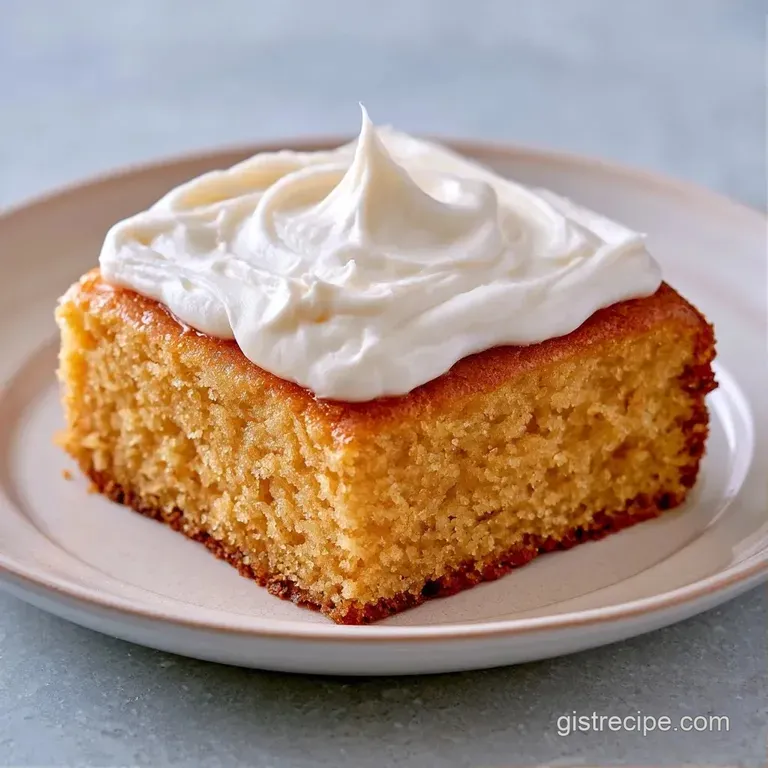
Even for a Simple Vanilla Sheet Cake, things can occasionally go sideways. Most of the time, it's just a matter of temperature or mixing.
The Sinking Middle Problem
If your cake rises beautifully and then drops in the center, you likely opened the oven door too early. The sudden rush of cool air can cause the structure to collapse before the proteins have set. Wait until at least 25 minutes have passed before checking.
The Rubbery Texture
A cake that feels like bread is usually the result of overmixing. When you stir flour into wet ingredients, gluten forms. The more you stir, the more gluten you get. Mix only until you can't see the flour anymore. For more on how flour behaves, King Arthur Baking has some great guides on measuring and mixing.
The Overly Sweet Frosting
If the buttercream tastes too sugary, you probably didn't add enough salt or cream. A pinch of salt acts as a counterbalance to the powdered sugar.
| Problem | Root Cause | Solution |
|---|---|---|
| Cake is dry | Overbaked or too much flour | Reduce bake time by 2 mins; use a scale for flour |
| Frosting is runny | Butter was too soft/melted | Chill frosting for 15 mins, then re whip |
| Cake doesn't rise | Expired baking powder | Test powder in hot water; it should bubble immediately |
Cake Success Checklist:
- ✓ Butter is softened, not melted.
- ✓ Eggs and milk are room temperature.
- ✓ Flour is spooned and leveled, not packed.
- ✓ Oven is fully preheated before the cake goes in.
- ✓ Cake is completely cool before frosting.
Making This Cake Your Own
While the basic version is great, you can easily tweak this into different treats. If you're in the mood for something slightly more complex with a tangy twist, you'll love my sourdough coffee cake muffins.
Turning it into a Birthday Cake To get that classic "birthday" flavor, add a teaspoon of almond extract along with the vanilla. You can also fold in a handful of rainbow sprinkles into the batter right before baking.
Fruit Variations Fresh berries work great here. Press blueberries or raspberries into the top of the batter before it goes into the oven. The berries will sink slightly, creating little pockets of jammy flavor.
Adjusting the Frosting For a lighter feel, you can substitute half of the butter in the frosting with mascarpone cheese. This gives it a more sophisticated, creamy taste that isn't as cloyingly sweet.
Adjusting the Batch Size
You might not always need 24 slices of Simple Vanilla Sheet Cake. Here is how to scale it without ruining the chemistry.
Scaling Down (Half Batch) Use a 9x9 inch square pan. Reduce the baking time by about 20%, starting to check at 22 minutes. For the eggs, crack one egg into a bowl, beat it, and use exactly half of it by weight or volume.
Scaling Up (Double Batch) Do not try to bake a double batch in one deeper pan, as the edges will burn before the middle cooks. Instead, use two 9x13 pans. If you must use a larger industrial sheet pan, lower the oven temperature by 25°F (to 325°F) and extend the bake time by 10-15 minutes to ensure an even rise.
A Note on Spices If you add cinnamon or nutmeg to a larger batch, only increase those spices by 1.5x rather than 2x. Strong spices can easily overwhelm the delicate vanilla notes.
Busted Baking Myths
There are a lot of "rules" in baking that are actually just suggestions. Let's clear a few up.
Myth: Sifting flour is mandatory for every cake. Truth: While sifting helps with specialty flours, for a Simple Vanilla Sheet Cake, a good whisking of the dry ingredients is usually enough to break up clumps. Sifting is more critical for the powdered sugar in the frosting.
Myth: You must cream butter and sugar for 5 full minutes. Truth: In a hybrid oil and butter cake, you're looking for a smooth emulsion, not a massive amount of air incorporation. Over creaming can actually cause a cake to rise too fast and then sink.
Myth: Room temperature eggs are a "fancy" requirement. Truth: Cold eggs can seize the softened butter, creating tiny clumps of fat in your batter. This leads to an uneven crumb. It's a simple step that actually affects the final result.
Storage and Freshness Tips
Since this cake uses oil, it stays fresh much longer than a traditional sponge. But you still want to handle it right.
Fridge and Freezer Store the frosted cake in an airtight container in the fridge for up to 5 days. To freeze, wrap the unfrosted cake layers in plastic wrap and foil; they'll last up to 3 months. If you've already frosted it, you can freeze slices individually wrapped in parchment paper.
Reheating and Serving If the cake has been in the fridge, let it sit at room temperature for about 30 minutes before serving. This softens the butter in the cake and frosting, bringing back that velvety texture.
If you want it warm, a quick 10 seconds in the microwave per slice works wonders.
Zero Waste Tips Don't throw away the cake scraps from the edges! Crumble them into a bowl, mix with a bit of extra frosting, and roll them into cake pops. If you have leftover frosting, freeze it in a small container for your next batch of cupcakes. If you've got overripe fruit on the counter, my banana bread recipe is another great way to feed a crowd with minimal waste.
Serving and Decoration Ideas
The beauty of a Simple Vanilla Sheet Cake is that it's a blank canvas. You can keep it minimal or go all out.
The Classic Look Keep the frosting thick and use a fork to create a criss cross pattern across the top. Top with a handful of fresh strawberries or raspberries for a pop of color.
The Party Vibe Cover the entire top in colorful sprinkles. I like to do this while the frosting is still "wet" so the sprinkles sink in slightly and don't just roll off the plate.
The Elegant Touch Pipe small dollops of frosting around the border and place a single fresh mint leaf or a thin slice of lemon on each dollop. This makes the cake feel a bit more refined for a dinner party.
For tips on making the most stable buttercream possible, Serious Eats has some incredible breakdowns on fat stability. Just remember that for this cake, the goal is a light, whipped feel rather than a stiff sculpting frosting.
Whether you're making this for a big birthday or just because it's Tuesday, this Simple Vanilla Sheet Cake is designed to be stress free. It's all about the joy of sharing a huge slice of something sweet with the people you love. Happy baking!
Recipe FAQs
What flavor is "birthday cake" or yellow cake?
Both are essentially vanilla cakes. They rely on the combination of butter and pure vanilla extract to create their signature creamy, sweet profile.
What happens if a cake doesn't have vanilla extract in it?
The cake will lack aromatic depth. While it will still bake and rise normally, the flavor will be flatter and taste more prominently of flour and eggs.
How to make a small birthday cake?
Halve the ingredient measurements. Use a smaller baking pan and reduce the bake time to ensure the center sets without overcooking the edges.
How to make a professional looking birthday cake?
Smooth the frosting with an offset spatula. Apply a thin crumb coat first and chill the cake before adding the final layer of buttercream for a sharp, clean finish.
How to enhance a basic vanilla cake?
Use room temperature butter and milk. This ensures a stable emulsion that traps more air, resulting in a richer flavor and a more tender crumb.
What is the best frosting for vanilla cake?
Vanilla buttercream is the classic choice. It balances the cake's sweetness perfectly. For a different textural experience, try the crispy topping used in our strawberry crunch recipe.
Why use both butter and oil in the batter?
Butter provides flavor while oil ensures moisture. This combination allows the cake to stay soft and fresh significantly longer than recipes using butter alone.
Simple Vanilla Sheet Cake