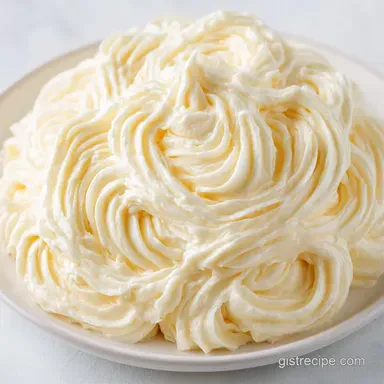
Creamy Vanilla Frosting: Silky and Cloud-Like
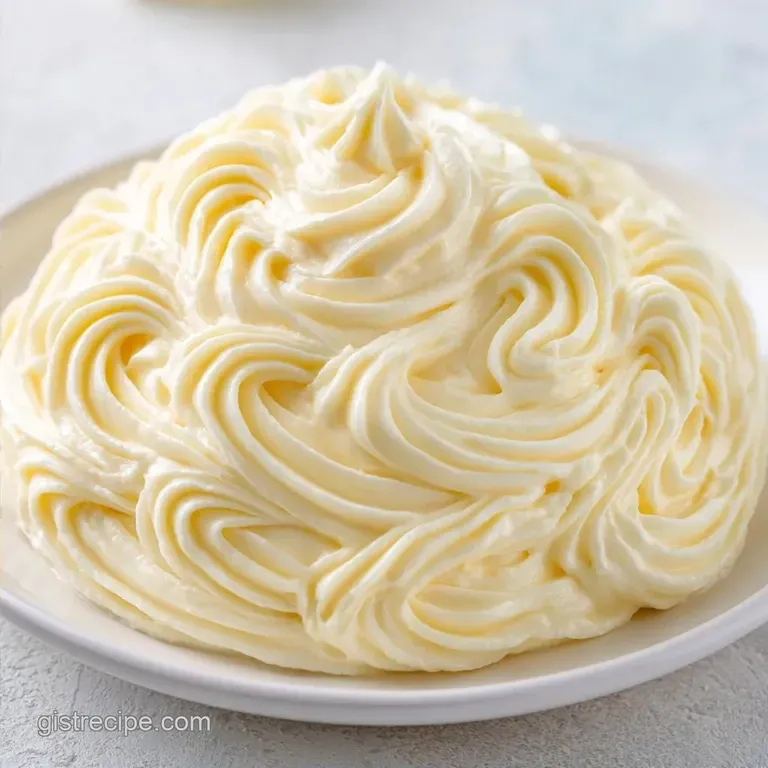
- Time:5 minutes active + 0 minutes chilling = Total 5 minutes
- Flavor/Texture Hook: Velvety, buttery, and cloud like
- Perfect for: Birthday cakes, cupcakes, and quick dessert fixes
The smell of pure vanilla extract hitting softened butter is, for me, the actual scent of childhood. It's that specific, sugary aroma that filled the kitchen every time a birthday cake was on the counter. In American baking tradition, this kind of buttercream isn't just a topping, it's the main event.
It represents the classic "celebration" taste that doesn't try to be fancy, it just tries to be comforting.
Most of us grew up with a version of this, though it often varied from "too sweet" to "too buttery" depending on who was baking. I spent years trying to find the line where it stops tasting like a bowl of powdered sugar and starts tasting like a professional bakery treat.
The secret is all in the air and a tiny bit of salt to wake up the flavors.
This Creamy Vanilla Frosting Recipe is designed for the home cook who wants that nostalgic taste without spending an hour whipping egg whites over a double boiler. It's fast, it's reliable, and it spreads like a dream across a cooled cake.
Creamy Vanilla Frosting Recipe
- Airy Volume
- Beating butter alone before adding sugar creates tiny air pockets, making the result light rather than dense.
- Sugar Stability
- Powdered sugar contains a bit of cornstarch, which helps the frosting hold its shape on a cake.
- Fat Binding
- The heavy cream acts as a bridge, smoothing out the grit of the sugar for a velvety mouthfeel.
- Salt Balance
- A small amount of salt suppresses the "cloying" sensation of the sugar, making the vanilla pop.
| Method | Time | Texture | Best For |
|---|---|---|---|
| This Fast Method | 5 minutes | Silky & Airy | Quick cakes, cupcakes |
| Swiss Meringue | 30 minutes | Smooth & Glossy | Wedding cakes, piping |
| Italian Meringue | 45 minutes | Stable & Firm | over High heat environments |
I once tried to skip the sifting step because I was in a rush, and I ended up with tiny white lumps that looked like snowflakes in my frosting. It didn't taste bad, but it looked messy. Now, I always sift or use a high powered mixer to ensure it's completely smooth.
Component Analysis
| Ingredient | Science Role | Pro Secret |
|---|---|---|
| Unsalted Butter | Structural Base | Must be pliable but not greasy |
| Powdered Sugar | Sweetener/Thickener | Sift it to avoid lumps |
| Heavy Cream | Texture Modifier | Add one tablespoon at a time |
| Vanilla Extract | Flavor Profile | Use pure extract, not essence |
Essential Ingredients List
- 1 cup (225g) unsalted butter, softened to room temperature Why this? Provides the rich, creamy base
- 3 ½ cups (420g) powdered sugar, sifted Why this? Adds sweetness and structure
- 2 tsp (10ml) pure vanilla extract Why this? Essential for that classic aroma
- 2 tbsp (30ml) heavy cream Why this? Creates a velvety consistency
- ¼ tsp (1.5g) fine table salt Why this? Cuts through the heavy sugar
For the sugar, if you're unsure about the brand, King Arthur Baking suggests using a fine mesh sieve to ensure no clumps remain, which is vital for this recipe.
Required Kitchen Tools
You don't need a professional kitchen for this, but a few things make it way easier. A stand mixer (like a KitchenAid) is the gold standard, but a handheld electric mixer works just as well. You'll also want a rubber spatula to scrape the sides of the bowl and a sifter or fine mesh strainer for the sugar.
If you're piping the frosting onto cupcakes, a piping bag with a large open star tip is the way to go. For cakes, a simple offset spatula helps you get those smooth, professional looking edges.
Easy step-by-step Process
- Beat the softened butter on medium high speed for 2-3 minutes until the butter turns a pale ivory color and feels whipped. Note: This aeration is what prevents the frosting from feeling like a brick.
- Turn the mixer to low and gradually add the sifted powdered sugar one cup at a time.
- Once incorporated, increase the speed to medium for 1 minute until the mixture is combined and fluffy.
- Add the vanilla extract and salt.
- Pour in the heavy cream.
- Beat on high for an additional 2 minutes until the frosting holds a stiff peak when the beater is lifted.
- Scrape the sides of the bowl with a spatula to ensure no unmixed butter remains.
- Give it one final 30 second whip on high to ensure a velvety finish.
Expert Tips and Mistakes
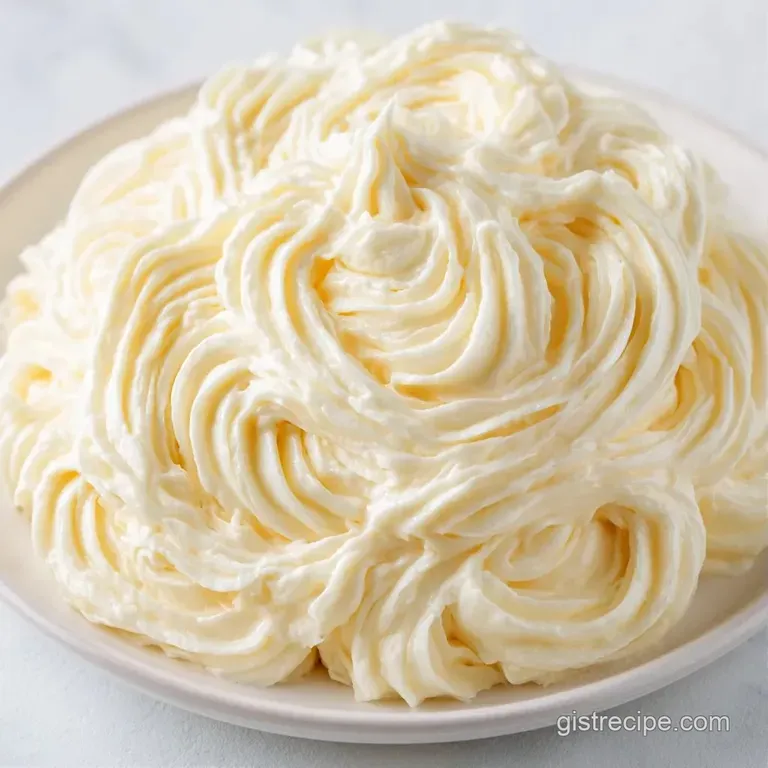
The biggest mistake I see is using butter that is too soft. If your butter is melting, your frosting will be a soup. It should be "room temperature," meaning you can press your finger into it and leave a dent, but it doesn't slide across the counter.
Chef's Note: If your frosting feels too soft after beating, pop the whole bowl in the fridge for 10 minutes, then whip it again. It's a lifesaver for hot summer days.
Troubleshooting Common Issues
| Issue | Solution |
|---|---|
| Why Your Frosting Is Grainy | This usually happens if the powdered sugar wasn't sifted or if the butter wasn't beaten enough. The sugar crystals don't fully integrate into the fat, leaving a sandy texture. |
| Why Your Frosting Is Runny | Too much cream or overly melted butter is the culprit here. You can fix this by adding more powdered sugar, one tablespoon at a time, until it firms up. |
| Why Your Frosting Has Bubbles | Over beating on high speed at the very end can trap too many large air bubbles. To fix this, stir the frosting by hand with a spatula for a minute to "push" the air out. |
Common Mistakes Checklist
- ✓ Using melted butter instead of softened butter
- ✓ Skipping the sifting process for the sugar
- ✓ Adding all the cream at once without checking consistency
- ✓ Forgetting the salt, leading to a cloying taste
- ✓ Beating the sugar on high speed immediately (causes a sugar cloud)
Adjusting the Batch Size
When you're making a smaller batch (half or quarter), remember to beat your butter for a slightly shorter time. If you're using a stand mixer, the whisk might not even reach the butter if there's too little in the bowl, so switch to a handheld mixer.
For larger batches (2x or 3x), don't just triple the salt and vanilla. Increase those to about 1.5x first, then taste. Adding too much salt in a large batch can make the frosting taste savory. Also, work in batches if your bowl isn't huge, as the sugar will fly everywhere.
| Batch Size | Butter Amount | Sugar Amount | Adjustment |
|---|---|---|---|
| Half (1x) | 112g | 210g | Use handheld mixer |
| Double (2x) | 450g | 840g | Use 1.5x salt/vanilla |
| Triple (3x) | 675g | 1260g | Work in two batches |
Truths About Frosting
Some people believe you must use a specific "bakery butter" to get a professional result. That's not true. Any high-quality unsalted butter works, provided the temperature is right.
Another myth is that you can't freeze buttercream. You absolutely can. I often freeze small portions of this Creamy Vanilla Frosting Recipe in airtight containers for a quick treat later.
Storage and Prep Guide
Store your frosting in an airtight container in the fridge for up to 7 days. If you need it to last longer, it freezes beautifully for up to 3 months. When you're ready to use it, let it thaw in the fridge overnight and then whip it again with a mixer to restore that velvety texture.
To avoid waste, don't throw away the leftover frosting! You can use it as a dip for fruit slices, or swirl it into a warm bowl of oatmeal for a decadent breakfast. If you have a bit left over, it's great for filling the center of glazed homemade donuts.
Best Pairing Ideas
This frosting is a versatile powerhouse. While it's the standard for vanilla cakes, it's also a dream on red velvet or carrot cake. For something a bit more unique, try topping my coffee cake muffins with a thin layer of this vanilla cream for an extra hit of sweetness.
If you want to change the flavor, you can stir in cocoa powder for chocolate or a bit of lemon zest for a bright, citrusy twist. Just remember to add the flavorings during the final whipping stage to keep the texture smooth.
Recipe FAQs
How to fix runny frosting?
Add more powdered sugar one tablespoon at a time. This firms up the consistency if too much heavy cream was added or the butter was too warm.
How to store leftover frosting?
Store in an airtight container in the fridge. It will stay fresh and usable for up to 7 days.
Why is my frosting grainy?
The powdered sugar wasn't sifted or the butter wasn't beaten enough. Without these steps, sugar crystals don't fully integrate into the fat, leaving a sandy texture.
Is it true that sifting the powdered sugar is optional?
No, this is a common misconception. Sifting is essential to ensure the frosting is velvety and free of clumps.
How to get the frosting to hold a peak?
Beat on high for 2 minutes after adding the vanilla extract, salt, and heavy cream. This provides the stability needed for the frosting to hold its shape.
Can I freeze this frosting?
Yes, it freezes for up to 3 months. Thaw it in the fridge overnight and re-whip it to restore the texture; if you enjoy this level of creaminess, see how we achieve a similar result in our garlic parmesan sauce.
How to remove air bubbles from the frosting?
Avoid over beating on high speed at the very end. If large bubbles have already formed, stir the frosting gently by hand to smooth it out.
Creamy Vanilla Frosting