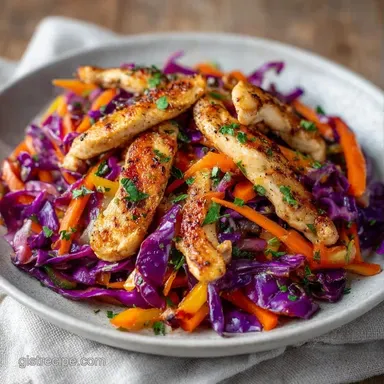
Red Cabbage Stir Fry: Savory and Vibrant
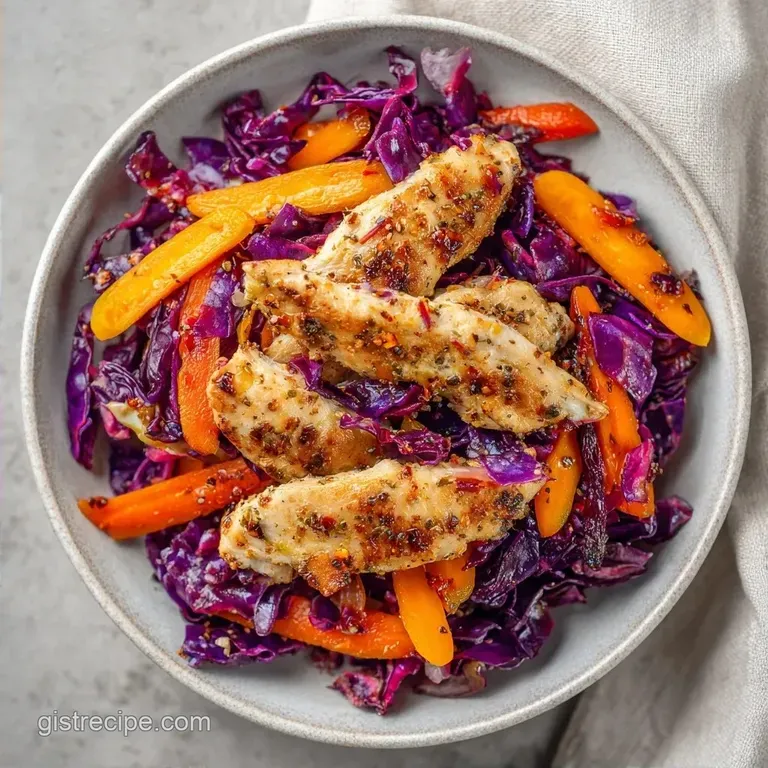
- Time: 10 min prep + 20 min cook
- Flavor/Texture Hook: Glossy, savory glaze with a satisfying cabbage crunch
- Perfect for: Busy weeknight dinners or a healthy meal prep option
- Red Cabbage Stir Fry
- Why This Recipe Works
- Ingredient Role Breakdown
- Everything You'll Need
- Essential Kitchen Tools
- Making the Stir Fry
- Fix Common Cooking Errors
- Mix ins and Substitutions
- Adjusting the Serving Size
- Cabbage Cooking Myths
- Storage and Zero Waste
- Serving Suggestions
- Recipe FAQs
- 📝 Recipe Card
That high pitched sizzle when the chicken hits the pan is the best part. It's that immediate signal that dinner is actually happening. I remember the first time I tried making a cabbage based meal, and I treated it like a stew.
I let it simmer and simmer until the beautiful purple hue turned into a sad, grayish blue mush. It tasted fine, but it looked like something from a cafeteria in 1974.
The trick I learned is that cabbage is a powerhouse of texture if you don't baby it. You have to be aggressive with the heat. You want that cabbage to wilt just enough to absorb the sauce, but still have enough "snap" to resist your teeth. It's all about the timing.
If you've been avoiding purple cabbage because it feels too "sturdy" or bland, this Red Cabbage Stir Fry is going to change your mind. We're building layers of flavor here, starting with a hard sear on the chicken and finishing with a glossy, honey soy glaze that clings to every single ribbon of vegetable. It's fast, it's colorful, and it actually fills you up.
Red Cabbage Stir Fry
The magic here is in the contrast. You have the sweetness of the honey and carrots hitting the tang of the rice vinegar and the salt of the soy sauce. When you toss it all together in a hot pan, the sauce reduces quickly, turning into a thick glaze that coats the cabbage instead of pooling at the bottom of the bowl.
I've found that the order of operations is everything. If you throw the garlic in too early, it burns and turns bitter. If you crowd the pan with too much chicken, it steams instead of searing. By following a specific sequence, we ensure the chicken stays juicy and the vegetables stay vibrant.
This dish is incredibly flexible, too. While I use chicken, the base sauce works with almost any protein. The goal is to create a meal that feels like a restaurant style dish but takes less than half an hour from start to finish.
Why This Recipe Works
High Heat Sear: Cooking chicken in a shimmering oil creates a brown crust, which adds a deep, savory flavor that you can't get from simmering.
Acid Color Protection: The rice vinegar doesn't just add tang, it helps stabilize the anthocyanins in the cabbage, keeping that vibrant purple color from fading.
Starch Suspension: Adding a tiny bit of cornstarch to the sauce allows it to thicken instantly upon hitting the pan, creating a velvety glaze rather than a watery soup.
Aromatic Timing: Adding ginger and garlic at the very end prevents them from scorching, ensuring their fresh, punchy flavors stay intact.
| Method | Time | Texture | Best For |
|---|---|---|---|
| Fast Stir Fry | 30 mins | Crispy & Snappy | Weeknights |
| Slow Braise | 60 mins | Soft & Tender | Comfort Food |
| Raw Slaw | 15 mins | Crunchy & Raw | Summer Sides |
Ingredient Role Breakdown
| Ingredient | Science Role | Pro Secret |
|---|---|---|
| Red Cabbage | Structural Base | Slice into very thin ribbons for even cooking |
| Rice Vinegar | pH Balance | Keeps the purple color bright and punchy |
| Honey | Glaze Agent | Provides the "stickiness" that holds the sauce |
| Cornstarch | Thickener | Whisk it cold to avoid clumps in the pan |
Everything You'll Need
For the protein and base, we're using fresh ingredients that provide a balance of lean protein and fiber.
- 1 lb chicken breast, thinly sliced into strips Why this? Quick cooking time and absorbs sauce well
- 1 medium head (2 lbs) red cabbage, shredded Why this? High fiber and provides the main color
- 2 tbsp neutral oil (canola or vegetable) Why this? High smoke point for over high heat searing
- 1 medium yellow onion, sliced Why this? Adds a foundational savory sweetness
- 2 large carrots, julienned Why this? Adds color and a different type of crunch
For the aromatics, these provide the "hit" of flavor that makes the dish feel authentic.
- 3 cloves garlic, minced
- 1 tbsp fresh ginger, grated
- 1 tsp red pepper flakes Why this? Adds a subtle back end heat
For the stir fry sauce, we combine salt, acid, and sugar.
- 1/4 cup low sodium soy sauce Why this? Umami base without over salting
- 1 tbsp rice vinegar
- 1 tbsp honey
- 1 tsp toasted sesame oil Why this? Adds a nutty, aromatic finish
- 1 tsp cornstarch
If you find yourself wanting a more herbal finish, you could drizzle some Cilantro Sauce over the top right before serving for an extra layer of freshness.
Essential Kitchen Tools
You don't need a professional kitchen, but a few tools make this much easier. A wok is the gold standard because the sloped sides allow you to toss food easily. If you don't have one, a large stainless steel or cast iron skillet works just as well.
I also highly recommend a sharp chef's knife. Shredding two pounds of cabbage by hand can be a chore, but with a sharp blade, it's a breeze. If you have a mandoline slicer, that's even faster, just be careful with your fingers.
Finally, have a small bowl ready for your sauce. You cannot be mixing the soy sauce and cornstarch while the chicken is already searing, or you'll overcook the meat while you're fumbling with the honey.
Making the Stir Fry
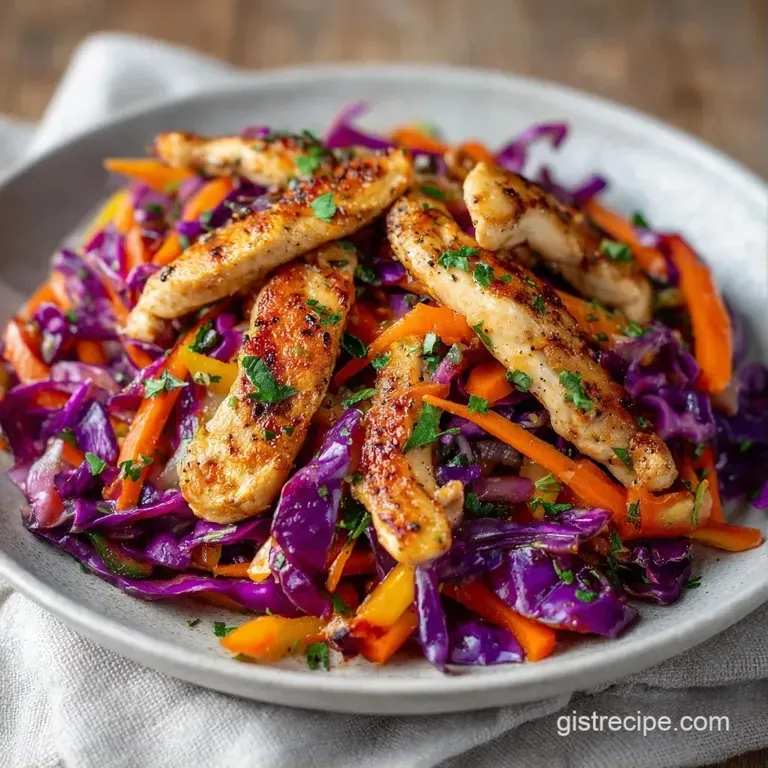
1. The Prep Phase
Whisk together the soy sauce, rice vinegar, honey, sesame oil, and cornstarch in a small bowl until the starch is fully dissolved. Shred the red cabbage into thin ribbons and slice the chicken into uniform strips. Note: Uniform sizes mean everything cooks at the same rate.
2. Searing the Protein
Heat 1 tbsp of oil in a wok over high heat until shimmering. Add the chicken in a single layer, let it sit undisturbed for 2 minutes until a golden brown crust forms, then stir fry for another 3 minutes until cooked through. Remove chicken from the pan and set aside.
3. The Vegetable Flash Fry
Add the remaining 1 tbsp of oil to the wok. Toss in the onions and carrots, stirring for 2 minutes. Add the red cabbage, stirring constantly for 4–6 minutes until the cabbage wilts slightly but maintains a crunch.
4. Finishing and Emulsifying
Stir in the garlic, ginger, and red pepper flakes for 30 seconds until they smell fragrant. Return the chicken to the pan and pour the sauce over the mixture. Stir fry for 1–2 minutes until the sauce thickens into a glossy glaze.
Chef's Tip: If the pan seems too dry before you add the sauce, add a tablespoon of water. This creates a little steam that helps the cornstarch activate without burning the garlic.
Fix Common Cooking Errors
Stir frying is all about speed. When things go wrong, it's usually because the temperature dropped or the timing was off. According to Serious Eats, maintaining a high surface temperature is what prevents vegetables from steaming and becoming mushy.
The "Soggy Cabbage" Syndrome
This happens when the pan is too crowded or the heat is too low. The cabbage releases its moisture, but the water can't evaporate fast enough, so the vegetables boil in their own juice. To fix this, cook the cabbage in two batches if your pan is small.
The "Grey Blue" Fade
If your cabbage loses its vibrant purple and turns a dull blue, it's usually because there isn't enough acid in the sauce or it was cooked for too long. The rice vinegar is there to prevent this. Ensure you add the sauce and finish the dish quickly.
The Burned Garlic Bitterness
Garlic has a very low burn point. If you add it at the beginning with the carrots, it will be black and bitter by the time the cabbage is done. Always add your minced aromatics in the last 60 seconds of the vegetable cook time.
| Problem | Root Cause | Solution |
|---|---|---|
| Sauce is too thin | Not enough cornstarch or low heat | Simmer for 1 extra minute |
| Chicken is rubbery | Overcooked or sliced too thin | Pull chicken as soon as it's opaque |
| Cabbage is raw | Heat too low or not enough time | Increase heat; stir constantly |
Common Mistakes Checklist
- ✓ Don't crowd the pan; cook chicken separately from veg.
- ✓ Don't skip the cornstarch; it's the key to the glaze.
- ✓ Don't stir the chicken immediately; let it sear for 2 mins.
- ✓ Don't overcook the cabbage; it should still have a "snap."
- ✓ Don't add garlic too early; wait until the very end.
Mix ins and Substitutions
This Red Cabbage Stir Fry is a great canvas for other flavors. If you want to switch up the protein, tofu is a brilliant choice. Just press the tofu to remove excess water, cube it, and sear it exactly like the chicken.
For a grain free version, you can serve this as is, but if you're craving something heartier, it's great over brown rice or quinoa. If you want to turn this into Red Cabbage Stir Fry Noodles, just toss in some cooked soba or udon noodles during the final step when you add the sauce.
| Original Ingredient | Substitute | Why It Works |
|---|---|---|
| Chicken Breast | Extra Firm Tofu | High protein. Note: Press tofu first for better searing |
| Honey | Maple Syrup | Similar sweetness and viscosity. Note: Adds a slight woody flavor |
| Soy Sauce | Tamari or Coconut Aminos | gluten-free alternative. Note: Coconut aminos are slightly sweeter |
| Red Cabbage | Green Cabbage | Similar texture. Note: Lacks the same antioxidant profile and color |
If you find the flavor too mild, you can add a teaspoon of oyster sauce or a squeeze of lime at the very end to brighten the whole dish up.
Adjusting the Serving Size
When you're scaling a stir fry, you can't just multiply everything and throw it in the same pan. Stir frying depends on the ratio of surface area to food volume.
Scaling Down (Half Portion) Use a smaller skillet. You can reduce the cooking time for the cabbage by about 20% since there's less moisture being released into the pan. I recommend beating one egg and using half of it if you're adding egg to a smaller batch.
Scaling Up (Double or Triple Portion) This is where most people mess up. If you double the ingredients in one pan, you'll end up with steamed cabbage. Work in batches. Sear the chicken in two turns, then do the vegetables in two turns.
When it comes to the sauce, you don't need to double the cornstarch exactly; 1.5x is usually enough to thicken a double batch of liquid.
Baking Adaptations While this is a stovetop dish, you can roast the cabbage and carrots at 400°F (200°C) for 15 minutes before tossing them in the pan with the sauce. This gives you a different, caramelized flavor profile.
Cabbage Cooking Myths
There's a common belief that you need a professional carbon steel wok to get a good stir fry. While they're great, a heavy cast iron skillet actually holds heat better for home cooks who don't have a high BTU gas burner. You can get that same sear without the expensive gear.
Another myth is that red cabbage is "too tough" for quick cooking. The truth is that the toughness comes from the thick ribs of the cabbage. If you shred it thinly and discard the very thickest part of the core, it cooks just as fast as any other leafy green.
Finally, some people think searing meat "seals in the juices." It doesn't. Moisture loss happens throughout the cooking process. The sear is actually about flavor, creating those browned bits that make the sauce taste rich and complex.
Storage and Zero Waste
If you have leftovers, store them in an airtight container in the fridge for up to 4 days. When reheating, I recommend doing it in a pan over medium heat rather than the microwave. This helps bring back some of that texture, though the cabbage will naturally be softer than it was fresh.
This dish doesn't freeze particularly well because the cabbage loses its structure and becomes watery upon thawing. I'd suggest eating this within a few days of cooking.
To keep things zero waste, don't throw away the cabbage core. You can finely dice it and add it to a soup or a stock. The carrot peels can be saved in a freezer bag and used to make a quick vegetable broth. Even the onion skins can be simmered in water to add a golden color to a homemade stock.
Serving Suggestions
I love serving this in a shallow bowl over a bed of steamed jasmine rice. The rice absorbs the extra soy honey glaze, so nothing goes to waste. If you want a side that cuts through the richness, a Classic Coleslaw provides a cold, creamy contrast to the hot, savory stir fry.
For a more complete meal, you can garnish the dish with toasted sesame seeds, sliced green onions, or a drizzle of sriracha for those who want more heat. It's a visually stunning dish, so using a white plate really makes the purple and orange colors pop.
If you're serving this to kids or people who are picky about textures, you can slice the cabbage even thinner, almost like hair, so it blends in more with the sauce and doesn't feel as "leafy." It's a great way to get a lot of vegetables into a meal without it feeling like a chore to eat.
Recipe FAQs
Does red cabbage work in stir fry?
Yes, it works great. It maintains a satisfying crunch and adds a vibrant color that complements the soy sauce and ginger.
Is it true I should boil cabbage before stir frying?
No, this is a common misconception. Boiling makes the cabbage mushy; stir-frying over high heat for 4–6 minutes ensures it wilts slightly while keeping its texture.
What does red cabbage usually taste like when cooked?
It becomes milder and slightly sweeter. The natural earthiness softens, especially when combined with the honey and rice vinegar glaze.
How to cook purple cabbage without meat for seasoning?
Sauté the shredded cabbage with onions and carrots first. Stir in the garlic, ginger, and red pepper flakes, then finish by tossing everything in the honey-soy sauce glaze.
What is the best way to cook purple cabbage?
Flash-fry in a wok over high heat. Using shimmering neutral oil and stirring constantly prevents the cabbage from steaming, which keeps the ribbons crisp.
Can you eat cabbage if you have kidney problems?
Generally yes, but consult your doctor. Cabbage is typically low in potassium, but dietary restrictions vary based on specific medical needs.
What are some easy, healthy ways to serve cabbage?
Serve it over steamed rice or quinoa. For a richer flavor profile, pair this savory stir fry with a creamy garlic sauce to balance the acidity of the rice vinegar.
Red Cabbage Stir Fry in 20 Minutes