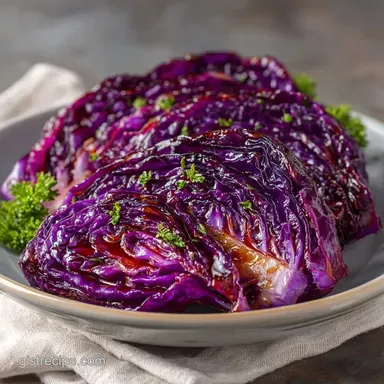
Caramelized Roasted Red Cabbage Wedges
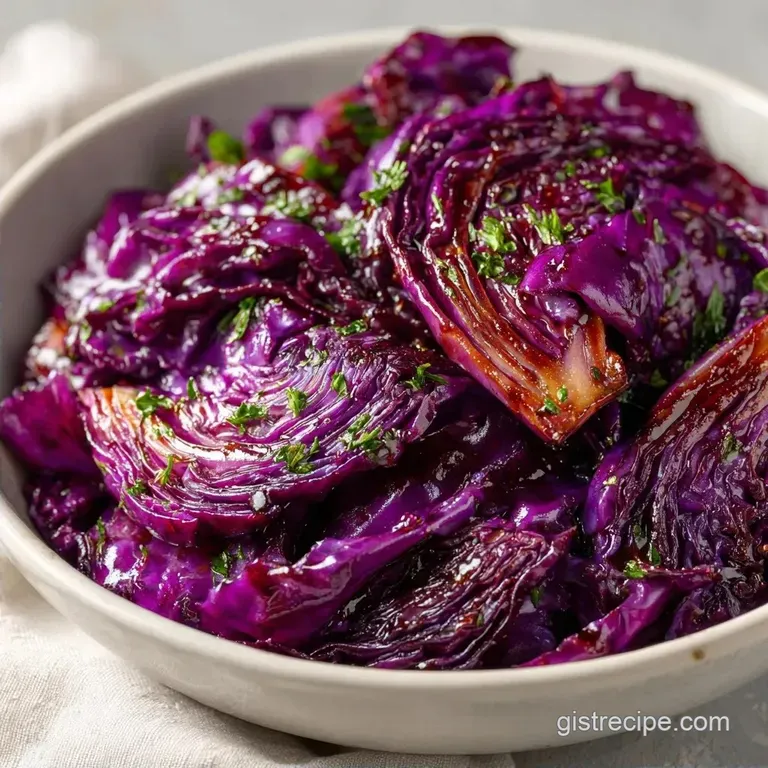
- Time: 15 min active + 25 min roasting
- Flavor/Texture Hook: Charred, sticky sweet edges with a crisp tender bite
- Perfect for: A bold side dish that actually tastes like effort
Roasted Red Cabbage Wedges
That sharp, sulfur heavy smell that fills the kitchen when you boil cabbage? I used to hate it. For a long time, I thought red cabbage was just for bland slaw or those overly sweet, mushy braised piles you see at holiday dinners.
I tried roasting it at 350°F once, thinking "slow and steady," and I ended up with purple, limp leaves that felt like wet cardboard. It was a total letdown.
The fix was surprisingly simple: stop treating cabbage like a root vegetable and start treating it like a steak. You need aggressive heat. When you hit it with 425°F, the sugars in the cabbage caramelize almost instantly, creating those dark, crispy edges that taste nutty and sweet.
These Roasted Red Cabbage Wedges aren't just "healthy", they're bold. We're talking about a balsamic glaze that bubbles and sticks to the leaves, paired with the crunch of walnuts and the tart snap of a Granny Smith apple. It's a huge shift from the soggy versions most people make.
Why Cabbage Turns Out Soggy
Most home cooks make the mistake of overcrowding the pan or using a temperature that's too low. When cabbage wedges are packed too tightly, they release moisture that has nowhere to go. Instead of roasting, they steam. You end up with a pale, soft vegetable that smells like a locker room.
- over High heat Char
- At 425°F, water evaporates quickly, allowing the natural sugars to brown.
- Core Stability
- Keeping the core intact prevents the wedge from splaying open and steaming from the inside.
- Late Glazing
- Adding honey and balsamic at the end prevents the sugars from burning before the cabbage is tender.
- Airflow Gap
- Leaving space between wedges ensures the hot air hits every surface.
| Method | Time | Texture | Best For |
|---|---|---|---|
| over High heat Roast | 25 mins | Charred & Tender | Bold side dishes |
| over Low heat Roast | 45 mins | Soft & Uniform | Slow cooked meals |
| Sautéed | 10 mins | Wilted | Quick stir fries |
| Boiled | 15 mins | Mushy | Traditional salads |
Ingredient Deep Dive
Understanding what each part does helps you tweak this if you're missing something in the pantry. Red cabbage is structurally denser than green cabbage, which is why it holds up so well to the oven.
| Ingredient | Science Role | Pro Secret |
|---|---|---|
| Red Cabbage | Bulk & Structure | Buy a heavy head; more weight means less water |
| Balsamic Vinegar | Acid Balance | Use a thicker, aged balsamic for a syrupy glaze |
| Honey | Browning Agent | Mix it with the vinegar to prevent it from scorching |
| Unsalted Butter | Flavor Carrier | Add at the very end for a velvety, rich finish |
Essential Kitchen Gear
You don't need fancy tools, but a few things make a huge difference in the final texture.
- Large Rimmed Baking Sheet: You need a big one. If the wedges touch, you're steaming, not roasting.
- Parchment Paper: This is non negotiable. Balsamic and honey are a nightmare to scrub off a pan once they burn.
- Sharp Chef's Knife: Cabbage is dense. A dull knife will make the wedges slip, and that's how you cut your finger.
- Whisk: A small whisk helps emulsify the honey and vinegar so the glaze doesn't separate on the vegetable.
Step-by-step Instructions
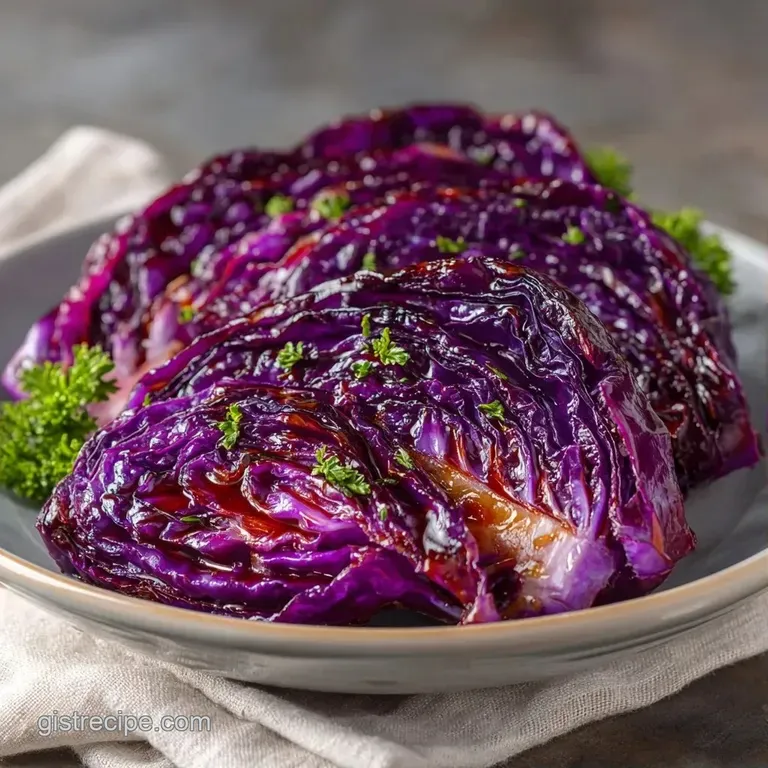
Right then, let's get into it. The key here is the timing of the glaze. If you put it on too early, you'll have black, burnt honey and raw cabbage.
Phase 1: The Precision Cut
Preheat your oven to 425°F (220°C). Take your 2 lb head of red cabbage and slice it in half right through the core. Quarter those halves, then cut each quarter into 1 inch thick wedges. Note: Make sure the core stays attached to every piece, or they'll fall apart in the oven.
Phase 2: The over High heat Roast
Toss the wedges in a bowl with 3 tbsp olive oil, 1 tsp kosher salt, and 1/2 tsp black pepper. Get every nook and cranny coated. Arrange them on your parchment lined sheet, leaving at least an inch of space between each. Roast for 20-25 minutes.
Wait until you see the edges turning dark brown and starting to char. You'll smell a toasted, nutty aroma coming from the oven.
Phase 3: The Glaze & Finish
While the cabbage is roasting, whisk together 3 tbsp balsamic vinegar, 2 tbsp honey, and 2 minced garlic cloves. During the last 5 minutes of roasting, drizzle this mixture over the wedges. Watch for the glaze to become bubbly and sticky.
Remove the pan from the oven immediately so the honey doesn't go past the point of caramelization.
Final Touch
Toss on 1 tbsp of melted unsalted butter while they're still hot. Garnish with 1/2 cup of crushed toasted walnuts, thinly sliced Granny Smith apple, and a sprinkle of chopped parsley. The heat from the cabbage will slightly soften the apple, but it should still have a crisp snap.
Stopping Common Disasters
Even with a simple recipe, things can go sideways. The most common issue is the "sulfur" smell. This happens when cabbage is undercooked or steamed. High heat and acid (balsamic) neutralize those compounds.
Why Your Cabbage Is Soggy
If your wedges feel limp, you likely overcrowded the pan. When the vegetables are too close, the moisture they release creates a humid environment. According to the technique guides at Serious Eats, maintaining airflow is the only way to achieve a true roast.
The Glaze is Burning
Honey has a low smoke point. If you apply the glaze at the start, it will turn black and bitter long before the cabbage is tender. Only add the sweet components in the final 5 minutes.
The Center is Raw
This usually happens if your wedges are too thick. Stick to the 1 inch rule. If you prefer thicker steaks, you might need to lower the oven to 400°F and roast for 10 minutes longer before glazing.
| Problem | Root Cause | Solution |
|---|---|---|
| Soggy texture | Overcrowded pan | Use two pans if needed |
| Bitter taste | Burnt honey | Glaze only in last 5 mins |
| Bland flavor | Under salted | Salt immediately before roasting |
Common Mistakes Checklist
- ✓ Did I keep the core attached to each wedge?
- ✓ Is there an inch of space between each piece on the pan?
- ✓ Did I wait until the edges charred before adding the glaze?
- ✓ Is the oven truly at 425°F?
- ✓ Did I use parchment paper to prevent sticking?
Flavor Twists and Swaps
I love the balsamic version, but you can easily shift the vibe of this dish. If you want something more creamy, these wedges pair incredibly well with a Vegan Cashew Cheese Sauce drizzled over the top after roasting. The richness of the cashew cream cuts right through the acidity of the cabbage.
For a fresher, more zesty approach, skip the balsamic and honey entirely. Instead, toss the roasted wedges in a Cilantro Sauce just before serving. It transforms the dish from a cozy autumn side to a bright, spring style appetizer.
Ingredient Substitutions
| Original Ingredient | Substitute | Why It Works |
|---|---|---|
| Balsamic Vinegar | Apple Cider Vinegar + Maple Syrup | Similar tang and sweetness. Note: Less syrupy than balsamic |
| Honey | Maple Syrup | Same sugar profile. Note: Adds a distinct woody flavor |
| Walnuts | Pecans or Hazelnuts | Same fatty, crunchy texture |
| Granny Smith Apple | Pear or Pomegranate Seeds | Provides the necessary tart contrast to the roast |
If you're looking for a lower carb option, you can replace the honey with a monk fruit syrup or simply omit the sweetener and add a pinch more salt to bring out the natural sugars in the cabbage.
Storage and Waste Tips
Don't let the leftover scraps go to waste. The outer leaves of the cabbage that are too small to make wedges are perfect for a quick sauté or can be tossed into a smoothie if you're feeling brave.
Storage Guidelines Put the leftovers in an airtight container once they've cooled. They'll stay good in the fridge for 3-5 days. I wouldn't recommend freezing them, as the texture of the cabbage becomes mealy and unpleasant after thawing.
Reheating for Texture To get that crispness back, avoid the microwave. Put the wedges back on a baking sheet and pop them in a 400°F oven for 5-8 minutes. This dries out any moisture that settled in the fridge and recrisps the edges.
Zero Waste Tip The core of the cabbage is often thrown away, but it's packed with flavor. Chop the leftover core into small pieces and throw it into your next vegetable stock or soup. It adds a subtle depth that you can't get from carrots and celery alone.
Best Plating Methods
Because Roasted Red Cabbage Wedges are so visually striking with their deep purple and charred edges, you don't need to do much to make them look professional.
The "Bistro" Plating Instead of piling them in a bowl, lay three wedges slightly overlapping on a flat white plate. This shows off the charred edges. Spoon the remaining glaze from the pan directly over the center and scatter the walnuts and apple slices around the edges for a pop of color.
Perfect Pairings These are bold enough to stand up to heavy proteins. I usually serve them alongside a seared pork chop or a roasted chicken breast. If you're keeping it vegetarian, a thick slice of grilled halloumi cheese provides a salty contrast that works perfectly with the sweet balsamic glaze.
Final Pro Tip Always add the fresh parsley at the very last second. The bright green against the dark purple makes the dish look vibrant and fresh, signaling to your guests that this isn't just a "boiled cabbage" side dish.
Trust me, the visual difference is what makes people actually want to try a vegetable they might normally avoid.
Recipe FAQs
How long to roast red cabbage wedges?
Roast for 20-25 minutes at 425°F. Ensure the edges are dark brown and charred before applying the balsamic glaze.
How long does red cabbage take in the oven overall?
Plan for about 30 minutes of total cooking time. This accounts for the main roast and the final 5 minutes spent bubbling the glaze.
How to cook cabbage for diabetics?
Omit or reduce the honey in the glaze. Relying on balsamic vinegar and minced garlic provides plenty of flavor with significantly less sugar.
What does red cabbage usually taste like when cooked?
It tastes sweet, earthy, and mellow. Roasting caramelizes the natural sugars, while the addition of balsamic vinegar adds a necessary tangy contrast.
How to cook purple cabbage without meat for seasoning?
Toss the wedges in olive oil, salt, and black pepper. These pantry staples combined with a garlic-balsamic glaze create a rich, savory profile without any meat products.
What is the best way to cook purple cabbage?
Roast it at high heat to achieve a charred exterior. If you enjoyed mastering the high-heat char here, see how the same principle works in our shrimp tacos.
How to reheat roasted cabbage without it getting soggy?
Return the wedges to a baking sheet in the oven. Avoid the microwave, as it breaks down the structure and leaves the cabbage mealy.
Roasted Red Cabbage Wedges with Balsamic