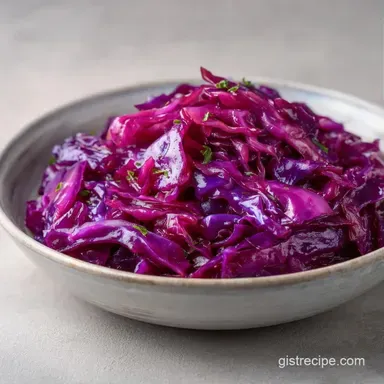
Simple Braised Red Cabbage: Tangy and Glossy
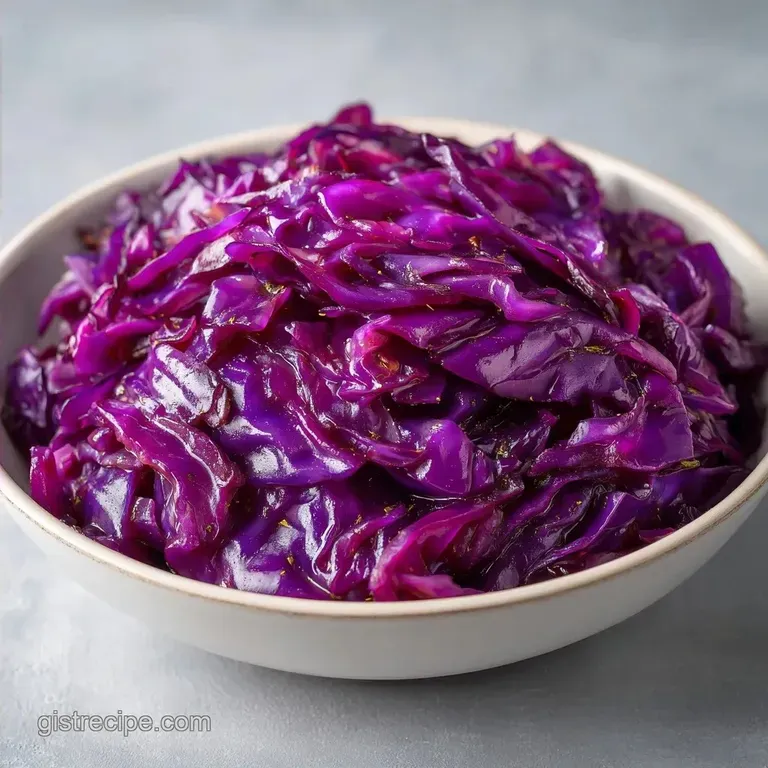
- Time:15 minutes active + 120 minutes simmering
- Flavor/Texture Hook: Tangy, glossy, and velvety
- Perfect for: Holiday dinners, roast pairings, or meal prep
Ever wonder why some holiday sides taste like a memory while others just taste like boiled vegetables? It usually comes down to how you handle the acid. I remember the first time I tried this; I rushed the process and ended up with a pot of grey, limp leaves that tasted like nothing. It was a total letdown.
But then I realized the magic is in the wait. When you let the cabbage sit in that bubbling mixture of apple and vinegar, something happens to the texture. It stops being "cabbage" and becomes this vibrant, jammy side dish that cuts right through the richness of a heavy meat.
You're going to get a dish that hits every part of your tongue. The sharpness of the cider vinegar clashes with the brown sugar and cinnamon, creating a profile that is both bright and cozy. This Braised Red Cabbage is the kind of side that actually makes people ask for the recipe.
Braised Red Cabbage Secrets
The trick here isn't some fancy technique, but rather patience and the right balance of flavors. Most people make the mistake of cooking cabbage too fast, which leaves it tasting sulfurous. By keeping the heat low, we break down the tough fibers without losing that rich, deep purple color.
- Acidic Balance
- Vinegar prevents the cabbage from turning a dull blue, keeping the color vivid.
- Slow Breakdown
- Low heat softens the cellulose in the leaves, creating a velvety texture.
- Sugar Caramelization
- Brown sugar binds with the stock to create a glossy glaze during the final reduction.
- Aromatic Layering
- Sautéing onions first builds a savory base that supports the sweet apple notes.
| Method | Time | Texture | Best For |
|---|---|---|---|
| Quick Sauté | 20 mins | Crisp Tender | Weeknight sides |
| Classic Braise | 135 mins | Velvety/Jammy | Holiday feasts |
| Slow Cooker | 6-8 hours | Very Soft | Set and forget meals |
Component Analysis
The ingredients might seem simple, but each one does a specific job. If you pull one out, the whole flavor map shifts.
| Ingredient | Science Role | Pro Secret |
|---|---|---|
| Apple Cider Vinegar | pH Regulator | Use a high-quality organic version for more "funk" |
| Brown Sugar | Glaze Agent | Adds a molasses depth that white sugar lacks |
| Granny Smith Apple | Pectin Source | The tartness prevents the dish from being too cloying |
| Unsalted Butter | Fat Emulsion | Creates a silky mouthfeel and carries the cinnamon scent |
The Building Blocks
For this recipe, you want a red cabbage that feels heavy for its size. That usually means it's full of moisture and will braise better.
- 1 medium head (2 lbs / 900g) red cabbage, thinly sliced Why this? Thin slices ensure even cooking and a better glaze
- 1 medium (150g) yellow onion, diced Why this? Adds a savory, aromatic foundation
- 2 tbsp (28g) unsalted butter Why this? Adds richness and helps sauté the aromatics
- ½ cup (120ml) apple cider vinegar Why this? Keeps the color bright and adds tang
- ½ cup (120ml) chicken or vegetable stock Why this? Provides a savory liquid base for simmering
- 2 tbsp (25g) brown sugar Why this? Balances the acid and creates the glaze
- ½ tsp (3g) salt Why this? Enhances all other flavors
- 1 medium (150g) Granny Smith apple, peeled and diced Why this? Tartness cuts through the sugar
- ¼ tsp (1g) ground cloves Why this? Adds a warm, traditional woody note
- ¼ tsp (1g) ground cinnamon Why this? Pairs perfectly with the apple
- Freshly cracked black pepper to taste
Substitution Options
| Original Ingredient | Substitute | Why It Works |
|---|---|---|
| Apple Cider Vinegar | Red Wine Vinegar | Similar acidity. Note: Gives a more "European" wine like taste |
| Brown Sugar | Maple Syrup | Liquid sweetener. Note: Adds a distinct maple flavor |
| Chicken Stock | Veggie Broth | Same salt/liquid ratio. Note: Makes the dish fully vegetarian |
| Butter | Coconut Oil | High fat content. Note: Adds a subtle tropical hint, best for vegan versions |
From Prep to Plate
Grab a heavy pot. A Dutch oven is my favorite because it holds heat so evenly, which is key for a long simmer.
- Melt the butter over medium heat in a large heavy bottomed pot or Dutch oven. Note: Don't let the butter brown too much
- Add the diced onions and sauté for 5-7 minutes until they are translucent and smell fragrant.
- Stir in the sliced cabbage and cook for another 5 minutes until the leaves begin to wilt slightly.
- Stir in the diced apples, brown sugar, cloves, and cinnamon. Note: Mix well so the spices coat the cabbage
- Pour in the apple cider vinegar and stock. Once the liquid bubbles, reduce the heat to low, cover with a tight fitting lid, and simmer undisturbed for 90 minutes to 2 hours.
- Remove the lid and increase the heat to medium. Simmer for another 10-15 minutes, stirring occasionally, until the liquid reduces into a glossy glaze.
- Season with salt and pepper just before serving. Note: Adding salt at the end prevents the cabbage from releasing too much water too early
Chef's Tip: If you want a deeper color, add a tiny pinch of baking soda at the very start, but be careful, too much will make it mushy. Honestly, the vinegar usually does the trick.
What Can Go Wrong
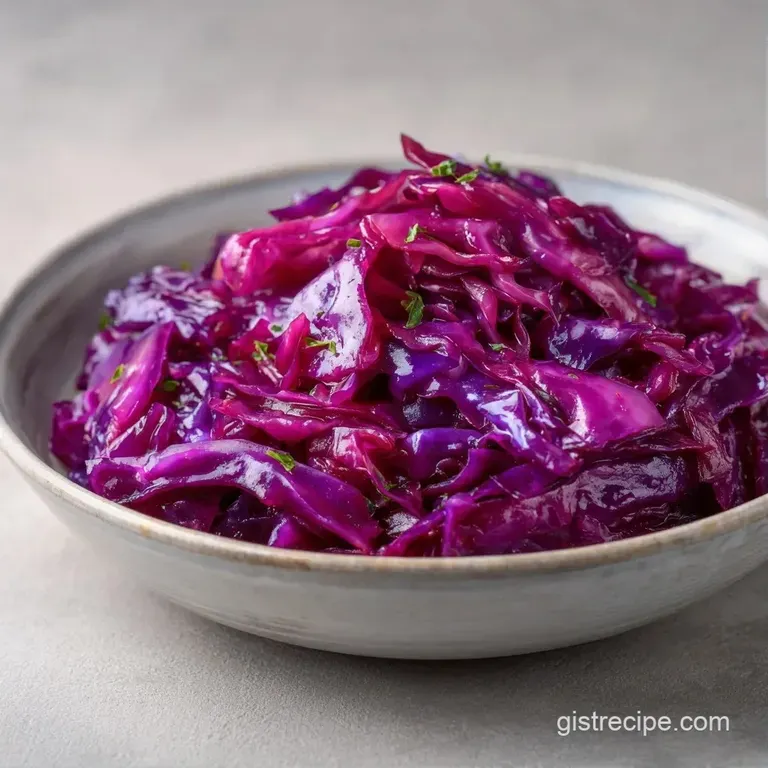
Even with a simple Braised Red Cabbage, things can go sideways. Most of the time, it's a matter of temperature or pH balance.
Troubleshooting Common Issues
| Issue | Solution |
|---|---|
| Why Your Cabbage Turned Blue | This is the most common panic moment. Red cabbage contains anthocyanins, which change color based on pH. If there isn't enough acid, the cabbage shifts from purple to a weird blue grey. |
| Why It's Too Watery | This happens when you don't do the final reduction step. If you leave the lid on until the moment you serve, you'll have a soup rather than a glaze. |
| Why the Flavor is Flat | If it tastes "blah," you're likely missing a balance of salt or acid. Cabbage is hearty and can handle a lot of seasoning. |
Mistakes Checklist
- ✓ Don't skip the onion sauté; it's where the savory depth comes from.
- ✓ Use a tight fitting lid to keep the moisture in during the long simmer.
- ✓ Avoid stirring too often during the braise to keep the leaves intact.
- ✓ Always reduce the sauce at the end for that glossy finish.
Adjusting the Batch Size
If you're cooking for a crowd or just for yourself, you can't always just double everything. Some ingredients scale differently.
Scaling Down (Half Batch) Use a smaller pot to prevent the liquid from evaporating too quickly. I recommend reducing the simmering time by about 20% since there's less mass to heat through. If the liquid disappears too fast, add a splash more stock.
Scaling Up (Double or Triple) When doubling a Braised Red Cabbage recipe, don't double the salt and cloves immediately. Start with 1.5x the amount and taste at the end. Liquids should be reduced by about 10% overall because a larger pot of cabbage releases a massive amount of its own water.
Work in batches if your pot is too small; overcrowding leads to steaming rather than braising.
| Scale | Pot Size | Time Adjustment | Liquid Note |
|---|---|---|---|
| 1/2 Batch | 3 quart | Reduce by 20 mins | Add splash of stock if dry |
| 2x Batch | 6 quart | Add 15-20 mins | Reduce stock by 10% |
| 4x Batch | 12 quart | Add 30 mins | Reduce stock by 15% |
Common Kitchen Myths
There's a lot of noise about cabbage, but let's clear a few things up.
Myth: Searing the cabbage "locks in" the flavor. Searing doesn't lock anything in. It adds a charred, nutty flavor, which is great for stir fries, but for a braise, we want a slow breakdown. The flavor comes from the long soak in the aromatics, not the initial sear.
Myth: You must use expensive red wine for the best color. While red wine is great, apple cider vinegar is actually more effective at maintaining that bright magenta hue. According to Serious Eats, acid is the primary driver for preserving the color of anthocyanin rich vegetables.
Storage Guidelines
This dish actually tastes better the next day. The flavors have more time to meld and the cabbage becomes even more velvety.
In the Fridge Store in an airtight container for up to 5 days. The colors stay vibrant, and the glaze thickens slightly.
In the Freezer You can freeze this for up to 3 months. However, the texture changes slightly; it becomes a bit softer. I recommend freezing it in portions.
Reheating Specifics Avoid the microwave if you can. Reheat in a small pan over low heat with a tablespoon of water or stock to loosen the glaze. If it's too thick, a tiny bit of butter will bring back that glossy look.
Zero Waste Tip If you have leftover cabbage cores, don't toss them. Chop them finely and throw them into a vegetable stock pot or a compost bin. If you have leftover braised cabbage, it makes a killer topping for toasted rye bread with a poached egg.
Serving Suggestions
This isn't just a side dish; it's a flavor balancer. Because it's so tangy and sweet, it works best against rich, fatty proteins.
The most classic pairing is with a roast. If you're making a Slow Cooker Pot Roast, the acidity of the cabbage cuts right through the richness of the beef. It also pairs beautifully with pork chops or a roasted turkey.
For a vegetarian platter, serve this alongside some Creamy Mashed Potatoes and roasted root vegetables. The bright purple of the Braised Red Cabbage makes the plate look vibrant and professional.
If you want a more modern twist, try serving it cold as a relish on a burger or a gourmet sandwich. The contrast between the hot meat and the cool, tangy cabbage is brilliant. Just make sure to stir it well before serving to redistribute the glaze.
Recipe FAQs
How to make quick braised red cabbage?
Sauté onions and cabbage in butter, then simmer with cider vinegar, stock, and spices. Cook covered on low for 90 minutes to 2 hours, then reduce the liquid for 10-15 minutes for a glossy finish.
What is the secret to tender braised cabbage?
Simmer on low heat for 120 minutes to 2 hours under a tight-fitting lid. This slow process breaks down the fibers for a velvety texture. If you enjoyed mastering this slow-simmer technique, see how it works in our cabbage soup.
What does red cabbage usually taste like when cooked?
It is a balance of sweet and tart. The brown sugar and Granny Smith apples provide sweetness, while apple cider vinegar adds a bright, acidic punch.
What are some common mistakes when sauteing cabbage?
Leaving the lid on until the very end is a major mistake. You must increase the heat to medium and simmer uncovered for 10-15 minutes to transform the liquid into a glaze.
How to cook purple cabbage without meat for seasoning?
Use vegetable stock instead of chicken stock. This keeps the dish vegetarian while maintaining the depth of flavor from the butter and aromatic spices.
What is the tastiest way to cook red cabbage?
Braise it with a mix of brown sugar, cinnamon, and cloves. These warm spices complement the acidity of the cider vinegar and the tartness of the apples.
Is it true that red cabbage always turns blue when cooked?
No, this is a common misconception. The color shifts to blue-grey only if there is insufficient acid; using apple cider vinegar keeps the purple hue vibrant.
Braised Red Cabbage for 6 Servings