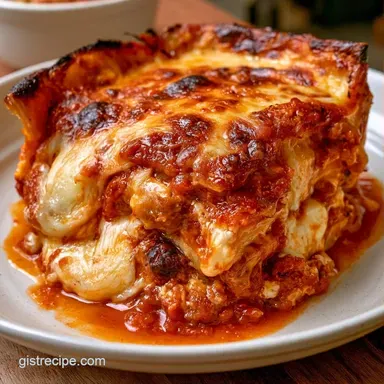
Pizza with Homemade Sauce in 5 Minutes
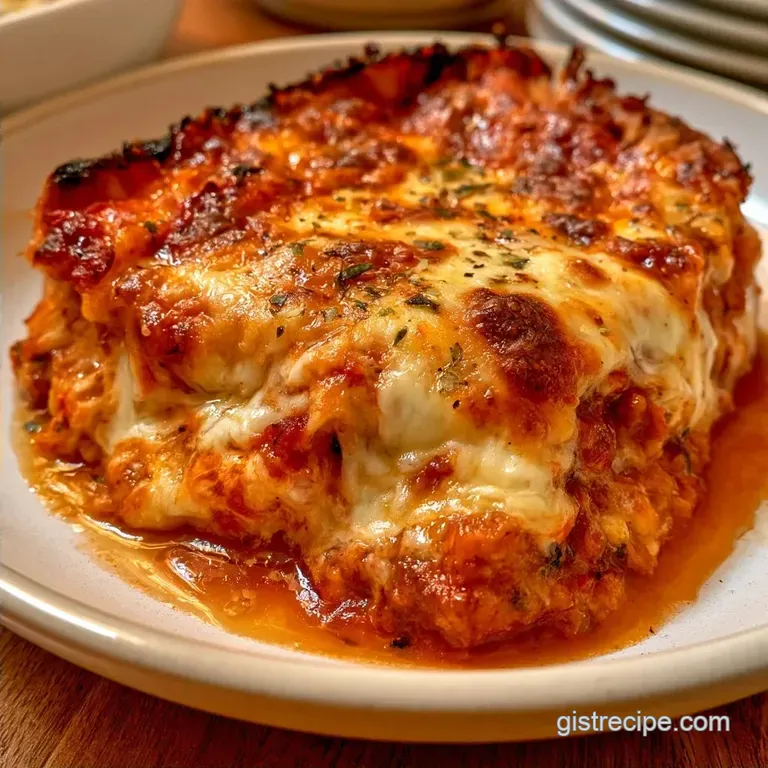
- Time: 5 min active + 5 min resting
- Flavor/Texture Hook: Thick, rustic, and tangy
- Perfect for: Busy weeknights or hosting friends
Ever feel like commercial sauces taste more like syrup than actual vegetables? Many brands overload their products with sugar to mask the metallic aftertaste of low-grade canned tomatoes. I once assumed that was the standard for pizza sauce, but a raw San Marzano blend changed everything.
It's a night and-day difference, similar to swapping a microwave meal for a home grown harvest.
I initially doubted this approach, assuming that a deep, rich flavor required hours of slow simmering. However, once the aroma of garlic in olive oil hit me and I tasted that zesty, punchy tomato, it became clear that long cook times aren't mandatory for quality.
You can achieve professional results without spending your entire afternoon in the kitchen.
This method is ideal for anyone craving pizzeria quality flavor without the tedious cleanup. You'll end up with a Pizza with Homemade Sauce that is crisp and vivid, all without touching a stove or scrubbing a massive pot. Believe me, the improvement in flavor is instant.
Pizza with Homemade Sauce
The Oil Soak: Dried herbs need fat to release their flavor. Letting them sit in olive oil for 2 minutes wakes them up before they hit the tomatoes.
The Honey Balance: A tiny bit of honey neutralizes the sharp acid of the tomatoes. It doesn't make the sauce sweet, it just rounds off the edges.
The Raw Blend: Skipping the simmer preserves the volatile compounds in the garlic and basil. This keeps the profile bright and prevents that "overcooked" canned taste.
Ingredient Deep Dive
| Ingredient | Role | If You Don't Have It |
|---|---|---|
| San Marzano Tomatoes (800g/28 oz) | The flavor base | Any crushed plum tomatoes. Note: Regular ones are more acidic |
| Extra Virgin Olive Oil (15ml/1 tbsp) | Flavor carrier | Avocado oil |
| Honey (1/2 tsp) | Acid balancer | Maple syrup or a pinch of brown sugar |
| Garlic (2 cloves) | Pungent aroma | 1/2 tsp garlic powder |
The choice of tomato here is the most important part of the process. San Marzano tomatoes grow in volcanic soil, which naturally makes them less acidic and more sweet than standard varieties.
The Recipe Specs
Here is the breakdown of the timing. This quantity provides plenty of sauce for multiple pizzas.
| Method | Prep Time | Cook Time | Result |
|---|---|---|---|
| Fast Blend | 5 minutes | 5 minutes | Bright and fresh |
| Slow Simmer | 10 minutes | 45 minutes | Rich and jammy |
Although the slow simmer is often considered superior, the fast blend is actually ideal for thin crust pizzas. Because it releases less moisture during the bake, it helps ensure your crust remains perfectly crisp.
Required Kitchen Gear
No fancy equipment is required for this. A standard blender or food processor handles the hard work. For those preferring a minimalist approach, an immersion blender right in the can works, although you'll get better flavor infusion using a separate bowl.
I typically use a small whisk for the oil mixture, but a fork is a perfectly fine substitute. The aim is simply to ensure the garlic and herbs are thoroughly coated in oil before heading into the blender.
The Making Process
- In a small bowl, whisk together the olive oil, minced garlic, dried oregano, basil, and red pepper flakes. Note: This creates the aromatic base.
- Allow the herb oil to rest for 2 minutes until the garlic smells fragrant.
- Transfer the crushed San Marzano tomatoes into the blender.
- Pour the infused oil mixture over the tomatoes.
- Mix in the honey, sea salt, and black pepper.
- Pulse on low for 15 30 seconds until the sauce is smooth but slightly rustic.
- Taste the sauce to check the salt level.
- Let the sauce stand for 5 minutes until the liquid is absorbed and the consistency becomes thick and spreadable.
Chef's Note: Avoid over blending. If the blender runs for too long, you'll incorporate excessive air, which turns the sauce pink. Stick to a few brief pulses.
Avoiding Kitchen Disasters
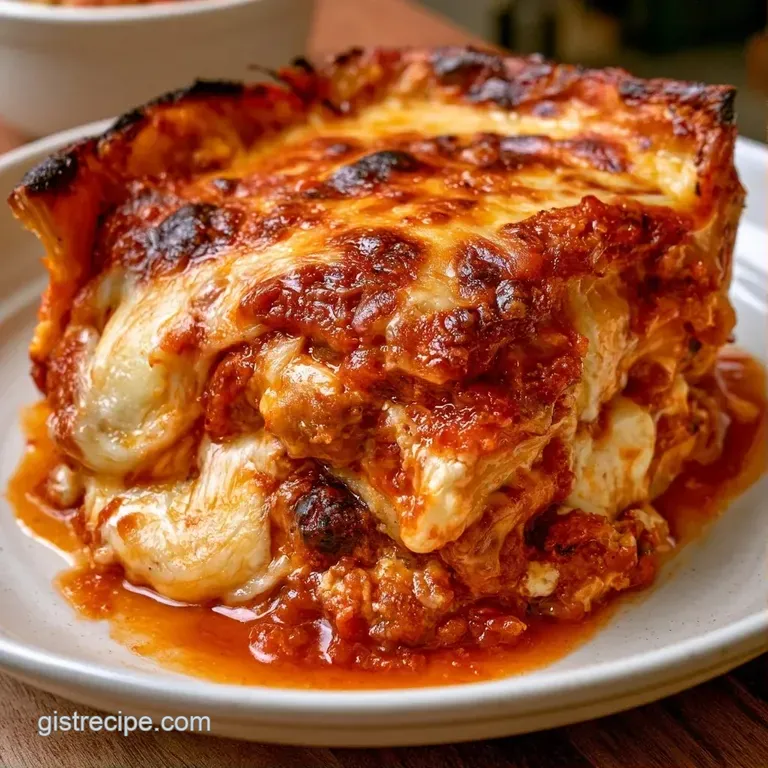
Even a simple recipe can go sideways if the ingredients are off. Since we aren't cooking the sauce, we can't "boil away" mistakes, so we have to fix them with chemistry.
Taming Sharp Acidity
Some canned tomatoes are more tart than others. If the sauce tastes too sharp, don't just add more honey. Stir in a tiny pinch of baking soda, about the size of a grain of rice. It reacts with the acid and neutralizes it instantly without changing the taste.
Fixing Watery Sauce
If your tomatoes were particularly juicy, the sauce might run. The 5 minute rest usually fixes this, but if it's still too thin, you can stir in a teaspoon of tomato paste. This thickens the blend without diluting the flavor.
Managing Garlic Intensity
Fresh garlic varies in strength. If the garlic tastes too aggressive, a small splash of lemon juice can brighten the sauce and cut through the pungency.
Storage and Freshness
This sauce lasts in an airtight jar in the fridge for about 5 days. Because it's a raw sauce, it stays vibrant for a while, but the garlic flavor will intensify the longer it sits.
For long term storage, I recommend freezing the sauce in silicone ice cube trays. Once frozen, pop the cubes into a freezer bag. This lets you grab exactly what you need for one small pizza without thawing a giant jar. They stay good in the freezer for 3 months.
To avoid waste, use any leftover sauce as a dip for garlic knots or as a base for a quick shakshuka. If you have a bit of oil left in the infusion bowl, toss it into a pan to sauté some spinach.
Great Pairing Ideas
When you're assembling your Pizza with Homemade Sauce, the toppings you choose can change the whole vibe. I love keeping it simple with fresh mozzarella and basil.
If you're skipping the dairy, this vegan cashew cheese sauce is a reliable swap that handles the heat of the oven without separating. It adds a creamy contrast to the tangy tomato base.
For a side dish, a simple arugula salad with lemon vinaigrette cuts through the richness of the cheese and crust. I've also found that a few sliced olives on the side add a salty punch that complements the honey in the sauce.
New Flavor Ideas
You can use this base for a lot of different styles. For a "spicy" version, double the red pepper flakes and add a pinch of smoked paprika. It gives the sauce a wood fired taste even if you're just using a standard home oven.
For a more garden fresh feel, stir in a handful of finely chopped fresh parsley after blending. If you're feeling adventurous, you can blend in a tablespoon of sun dried tomatoes for a concentrated, salty depth.
If you enjoy other fresh blends, you might like my simple cilantro sauce for a totally different flavor profile on tacos or grilled fish.
- - For a thicker base
- let sit 5 mins instead of 2.
- - For more heat
- add 1/4 tsp extra red pepper.
- - For less acid
- add a pinch of baking soda.
Dispelling Sauce Myths
One of the biggest myths is that you have to simmer sauce for hours to make it "authentic." Actually, many traditional Neapolitan pizzas use raw, crushed tomatoes with salt and oil. Simmering actually changes the flavor from "fresh tomato" to "cooked tomato jam."
Another common misconception is that sugar is the only way to fix acidity. While sugar works, it changes the flavor profile. Salt and fats (like olive oil) actually balance acidity by tricking your palate, keeping the sauce tasting like tomatoes rather than syrup.
Making the Most of the Dough
Be careful not to over apply the sauce when making this pizza. A thin layer is all that's necessary, as excessive sauce creates a steam barrier between the dough and the heat, resulting in a soggy center.
Apply the sauce in a spiral, starting from the center and moving outward. Leave about half an inch for the crust to ensure the edges get a satisfying crunch while the middle remains tender.
If you are using a store-bought crust, consider brushing the perimeter with the infused herb oil from the recipe. This adds a professional touch and a hint of garlic aroma.
Finally, always let your cheese cool slightly before placing it on the sauce. Using warm cheese can cause it to bleed water into the mixture; cold, shredded mozzarella is typically the best choice for a solid structure.
Recipe FAQs
What is the best sauce for homemade pizza?
A raw sauce using San Marzano tomatoes. These provide a balanced sweetness and acidity that stays vibrant during the high heat bake.
Can I use pasta sauce as pizza sauce?
No, avoid it. Pasta sauces are usually too watery, which can make your crust soggy. If you need a thick condiment for other dishes, try our turkey gravy instead.
Which secret ingredient balances the acidity in this recipe?
A small amount of honey. It cuts through the tomato's tartness without making the sauce taste overly sweet.
How to turn crushed tomatoes into pizza sauce?
Pulse crushed San Marzano tomatoes in a blender with olive oil, garlic, oregano, basil, red pepper flakes, salt, pepper, and honey for 15 30 seconds.
Is it true that pizza sauce must be simmered on the stove first?
Not true. Using a raw sauce preserves the fresh tomato flavor, and the sauce cooks perfectly in the oven on the dough.
How do I thicken a sauce that is too watery?
Let the sauce sit for 5 minutes. This allows the tomato fibers to absorb the liquids until it reaches a spreadable consistency.
Should I use a food processor instead of a blender?
Yes, either works. Just pulse on low to ensure the sauce retains a slight rustic body rather than becoming a thin puree.
Is there a rule that you can't freeze raw sauce?
This one's false: You can freeze this sauce in silicone ice cube trays for up to 3 months to avoid waste.
Pizza With Homemade Sauce