Cream Cheese Icing: Failure-Proof and Easy

- Time:10 minutes active = Total 10 minutes
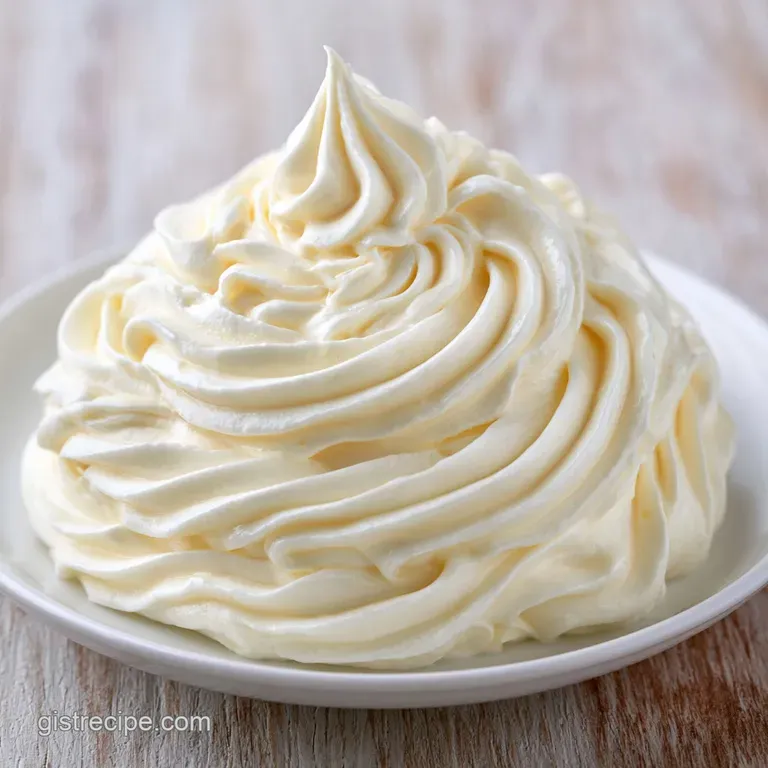
- Flavor/Texture Hook: Tangy, velvety, and glossy
- Perfect for: Red velvet cakes, carrot cake, or cinnamon rolls
Cream Cheese Icing
I still remember the absolute disaster of my first attempt at this. I was rushing to finish a cake for a friend's birthday and used cream cheese straight from the fridge. I ended up with these tiny, stubborn white lumps that looked like pebbles in the icing.
It was a total nightmare, and I had to scrape the whole thing off and start over while the guests were literally pulling into my driveway.
Since then, I've learned that patience with temperature is the only way to get that cloud like consistency. You can't cheat the softening process if you want a finish that looks like it came from a high end bakery.
Once you get the temperature right, this recipe is a breeze. We're aiming for a result that's stiff enough to pipe but smooth enough to melt on your tongue. It's the kind of frosting that transforms a simple home bake into something truly special.
Logic Behind Texture
- Fat Suspension: Beating the butter and cream cheese first traps tiny air bubbles, creating a light, fluffy base.
- Sugar Stability: The fine particles of powdered sugar act as a structural skeleton, keeping the icing from collapsing.
- Salt Counterbalance: A pinch of salt cuts through the heavy sugar, making the tang of the cheese pop.
- Air Incorporation: The final high speed whip polishes the texture, turning it from a paste into a glossy cream.
| Method | Time | Texture | Best For |
|---|---|---|---|
| Fast Whisk | 5 mins | Soft, pourable | Cinnamon roll glaze |
| Classic Beat | 10 mins | Stiff, velvety | Layer cakes |
| Chilled Set | 20 mins | Dense, carveable | Detailed piping |
Ingredient Deep Dive
| Ingredient | Science Role | Pro Secret |
|---|---|---|
| Cream Cheese | Tang and Body | Use full fat blocks for maximum stability |
| Unsalted Butter | Structure/Smoothness | Soften until it yields to a finger press |
| Confectioners' Sugar | Thickener/Sweetener | Sift it to avoid those annoying lumps |
| Pure Vanilla | Aroma Balance | Add at the end to keep flavor fresh |
Shopping List Basics
- 8 oz full fat block cream cheese, softened Why this? Prevents the icing from becoming too runny
- 1/2 cup unsalted butter, softened Why this? Provides a silky mouthfeel and structure
- 4 cups confectioners' sugar, sifted Why this? Sifting is key according to King Arthur Baking to ensure a smooth finish
- 1 tsp pure vanilla extract Why this? Adds a warm, aromatic depth
- 1/4 tsp fine salt Why this? Balances the sweetness
Chef Note: Honestly, don't even bother with low-fat cheese or margarine. You'll lose the structure, and the icing will likely slide right off your cake.
Required Kitchen Tools
You don't need a professional setup for this, but a couple of things make it easier. An electric hand mixer or a stand mixer (like a KitchenAid) is basically mandatory unless you want a serious arm workout. A rubber spatula is also a must for scraping the bowl, and a fine mesh sieve for the sugar is a lifesaver.
Step by step Method
- Set out the butter and cream cheese. Note: Ensure they are truly room temperature to avoid lumps.
- Place softened butter and cream cheese in a bowl.
- Beat on medium high speed for 2-3 minutes until the mixture is pale and completely smooth.
- Turn the mixer to low. Note: This prevents a sugar cloud from covering your kitchen.
- Gradually add the sifted powdered sugar one cup at a time.
- Mix until the sugar is partially incorporated.
- Add the vanilla extract and salt.
- Increase the speed to medium high and whip for an additional 60 seconds.
- Scrape the sides and bottom of the bowl with a rubber spatula.
- Beat for another 30 seconds until the icing is glossy and stiff.
Troubleshooting Common Issues
| Issue | Solution |
|---|---|
| Why Your Icing Is Too Runny | This usually happens if the butter was too warm (almost melted) or if you over beat the mixture after adding the sugar. Over mixing can break the fat emulsion, turning your stiff frosting into a soup. |
| How To Fix Lumpy Frosting | Lumps come from cold cream cheese. If you see them, don't keep beating or you'll make the icing runny. Instead, gently warm the bowl over a pot of simmering water for 10 seconds and whisk by hand. |
| Why The Taste Is Too Sweet | If it feels cloying, you might have missed the salt or used a low quality vanilla. A tiny squeeze of fresh lemon juice can also brighten the flavor and cut the sugar. |
Common Mistakes Checklist
- ✓ Using spreadable cream cheese (too much water!)
- ✓ Forgetting to sift the confectioners' sugar
- ✓ Adding all the sugar at once (creates a mess)
- ✓ Beating for 5+ minutes (destroys the emulsion)
- ✓ Using cold butter (creates lumps)
Making Dietary Changes
If you're looking for a cream cheese frosting without butter, you can try increasing the cream cheese and adding a tablespoon of heavy cream, though it will be softer. For those avoiding dairy, a vegan cream cheese substitute often works, but you'll need to add a bit more powdered sugar to maintain the stiffness.
If you're serving this with something like Italian Tiramisu, you might want to reduce the sugar slightly to keep the overall dessert from becoming too heavy.
Batch Size Adjustments
For a half batch, use 4 oz cream cheese, 1/4 cup butter, and 2 cups sugar. Be careful not to over mix smaller amounts, as they heat up faster in the mixer.
When doubling or tripling for a large cake, work in batches if your bowl is small. I've seen too many people have a "sugar explosion" because they tried to fit 8 cups of powdered sugar into a small mixer. Also, increase the salt and vanilla by only 1.5x rather than 2x to keep the flavors balanced.
| Target Use | Consistency | Adjustment |
|---|---|---|
| Cake Filling | Extra Stiff | Add 1/2 cup more sugar |
| Cinnamon Rolls | Pourable | Add 1-2 tbsp milk |
| Cupcake Swirls | Medium Stiff | Follow base recipe |
Debunking Icing Myths
The idea that you must melt the butter first is a total myth. Melting the butter changes the crystal structure, which often leads to a runny icing that won't hold a peak. Always stick to softened, room temperature fats.
Some people claim that adding cornstarch makes it "professional." In reality, the fat content of full fat cream cheese provides all the stability you need. Cornstarch can actually leave a chalky aftertaste if not handled correctly.
Storage And Waste
Store any leftover icing in an airtight container in the fridge for up to 1 week. If you need to freeze it, it'll stay good for about 1 month. When you take it out of the freezer, let it thaw in the fridge overnight, then give it a quick whip with a mixer to bring back the gloss.
To avoid waste, use leftover icing as a dip for apple slices or spread a thin layer on toast for a decadent breakfast. If it's too stiff after chilling, just stir in a teaspoon of milk to loosen it up.
The Best Pairings
This Easy cream cheese icing recipe is a classic for a reason. It's the gold standard cream cheese frosting for carrot cake and is absolutely mandatory for an easy cream cheese icing for red velvet cake.
If you're looking for something different, try swirling it onto some coffee cake muffins for a brunch treat. It also works brilliantly as a cream cheese icing for cinnamon rolls, where you can apply it while the rolls are still warm for a slightly melted, gooey finish. Trust me, it's the best way to enjoy them.
Recipe FAQs
What ingredients are needed for cream cheese icing?
Full fat block cream cheese, unsalted butter, sifted confectioners' sugar, vanilla extract, and salt. Ensure the butter and cream cheese are softened to room temperature for a smooth consistency.
How to make cream cheese icing for a cake?
Beat softened butter and cream cheese on medium high for 2-3 minutes. Gradually mix in sifted powdered sugar one cup at a time on low, add vanilla and salt, then whip on medium high for 60 seconds until glossy.
Can you make icing with block cream cheese?
Yes, block cream cheese is required. Avoid spreadable tub versions as they lack the stability needed for stiff icing. If you enjoyed mastering the texture of block cream cheese here, see how it works in our creamy olive dip.
How to fix lumpy frosting?
Gently warm the bowl over simmering water for 10 seconds. Whisk the mixture by hand to remove lumps caused by cold ingredients without over beating the fat.
Is it true that over beating the icing makes it too runny?
Yes, this is a common occurrence. Beating the mixture too long after adding the sugar can break the fat emulsion, turning the stiff icing into a liquid state.
How to store leftover cream cheese icing?
Place in an airtight container in the fridge for up to 1 week. For longer storage, freeze for one month, then thaw in the fridge overnight and whip briefly to restore the gloss.
Does this frosting pair well with pineapple cake?
Yes, it is an excellent pairing. The slight tanginess of the cream cheese balances the tropical sweetness and acidity of pineapple cake perfectly.
Easy Cream Cheese Icing