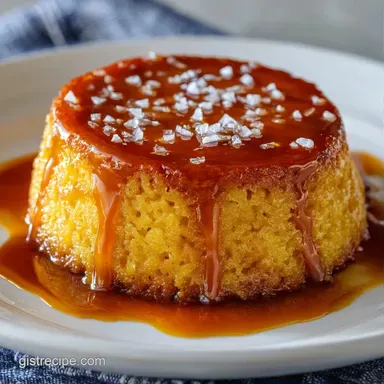
Modern Salted Caramel Cake: Buttermilk Sponge
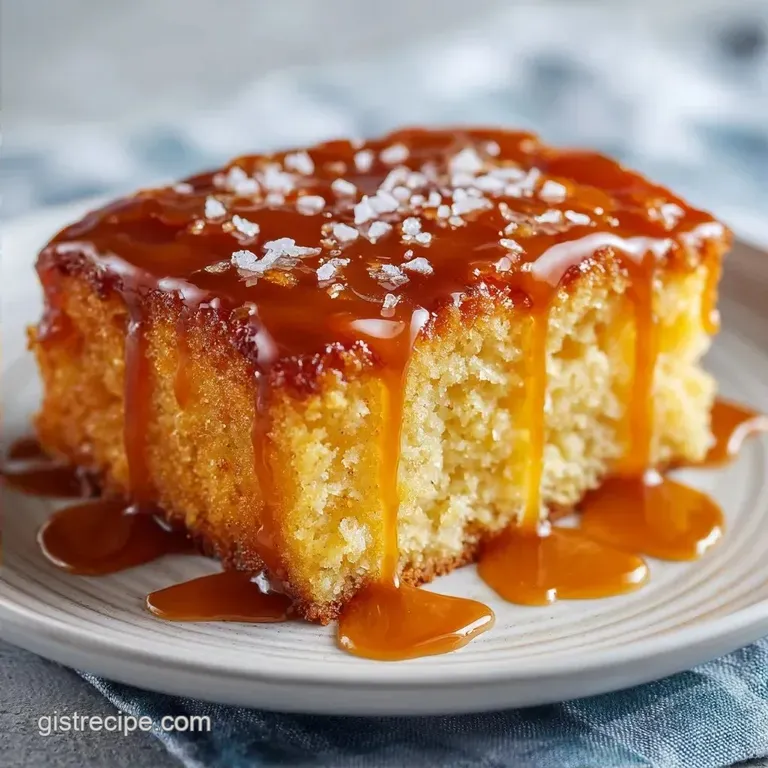
- Time: 30 min active + 4 hours chilling
- Flavor/Texture Hook: Velvety frosting with a shatter crisp caramel edge
- Perfect for: Birthday parties or impressive dinner guests
- Modern Salted Caramel Cake
- The Truth About Caramel Cakes
- Quick Recipe Specs
- Essential Ingredients List
- The Right Tools
- Step-by-Step Baking Guide
- Fixing Common Cake Fails
- Troubleshooting Common Issues
- Creative Flavor Variations
- Scaling Your Batch
- Forgotten Baking Truths
- Storing and Freezing Guide
- Best Pairings for Cake
- Recipe FAQs
- 📝 Recipe Card
Modern Salted Caramel Cake
That specific smell of sugar just as it hits the "danger zone" is something I can't forget. You know the one, where the gold turns into a deep, toasted mahogany and the kitchen suddenly smells like a fancy confectionery shop.
I remember the first time I tried making this, I was terrified the caramel would seize or burn. I thought you needed a professional pastry degree and a digital thermometer to get it right.
But here is the thing: you don't. Forget the idea that homemade caramel is some high wire act. Once you realize that the color of the liquid is your only real guide, it becomes a simple, rewarding process. This Modern Salted Caramel Cake is all about that balance, taking a classic flavor and stripping away the fuss.
We are talking about a cake that feels like a luxury treat but uses basic pantry staples. It's a moist, tender sponge that doesn't fight with the caramel, but rather carries it. By the time you've chilled it and sliced into those velvety layers, you'll see that the "professional" look is really just a result of a few smart tricks and some patience.
The Truth About Caramel Cakes
A lot of people think that to get a "professional" result, you need to use expensive cake flours or specialized fats. Honestly, don't even bother with the fancy stuff. The secret to this Modern Salted Caramel Cake is actually in the chemistry of the common ingredients you already have, like buttermilk and brown sugar.
Many bakers believe they must have a candy thermometer to make the sauce. That's a myth. You just need to watch the bubbles and the color. When the sugar reaches a deep amber, it's ready. If you wait for a specific degree, you might actually overcook it and lose that buttery nuance.
Another common misconception is that you can skip the chilling phase. If you frost this cake and serve it immediately, the caramel buttercream might slide. The four hour chill isn't just a suggestion, it's what gives the cake its structure and that clean, sharp slice.
Decision Shortcut
- If you want a richer, saltier punch, use salted butter in the sponge.
- If you want a lighter, airier crumb, ensure your buttermilk is exactly room temperature.
- If you are in a rush, use a high-quality store-bought caramel sauce for the filling.
Quick Recipe Specs
When you're planning your day, remember that while the oven time is short, the "waiting" time is where the magic happens. This is a project that requires a bit of foresight.
| Feature | Detail |
|---|---|
| Active Prep | 30 minutes |
| Oven Time | 35 minutes |
| Setting Time | 4 hours |
| Yield | 12 slices |
Let's look at how the caramel method changes the outcome. I've tried both, and while the oven method is "safe," the stovetop version is where the flavor lives.
Caramel Method Comparison
| Method | Time | Texture | Best For |
|---|---|---|---|
| Stovetop | 10 min | Silky & Deep | This recipe |
| Oven | 20 min | Consistent | Large batches |
Essential Ingredients List
To keep this Budget-friendly, we use all purpose flour. It provides enough structure to hold the heavy frosting without making the cake feel like bread.
For the Salted Caramel Sauce
- 1 cup granulated sugarWhy this? Pure sucrose is needed for caramelization
- 6 tbsp unsalted butter, cubedWhy this? Adds creaminess and stops the sugar from hardening
- 0.5 cup heavy cream, room temperatureWhy this? Stabilizes the sauce and adds a velvety finish
- 1 tsp flaky sea saltWhy this? Cuts through the sugar for a balanced profile
For the Cake Sponge
- 2.5 cups all purpose flourWhy this? Budget-friendly and provides a sturdy crumb
- 1.5 cups light brown sugarWhy this? Adds molasses notes that complement the caramel
- 1 tbsp baking powderWhy this? Ensures a high, fluffy rise
- 0.5 tsp saltWhy this? Enhances all other flavors
- 0.75 cup unsalted butter, softenedWhy this? Creates a tender, buttery texture
- 3 large eggs, room temperatureWhy this? Emulsifies the fat and moisture
- 1 cup buttermilk, room temperatureWhy this? The acid tenderizes the gluten
- 2 tsp vanilla extractWhy this? Adds a warm, aromatic base
For the Caramel Buttercream
- 1.5 cups unsalted butter, softenedWhy this? The base for a stable, creamy frosting
- 4 cups powdered sugar, siftedWhy this? Provides sweetness and structure
- 0.5 cup heavy creamWhy this? Adjusts the consistency for spreading
- 0.5 cup salted caramel sauce, cooledWhy this? Infuses the frosting with deep flavor
- 1 tsp vanilla extractWhy this? Rounds out the sugar profile
Ingredient Swaps
| Original Ingredient | Substitute | Why It Works |
|---|---|---|
| Buttermilk (1 cup) | 1 cup milk + 1 tbsp lemon juice | Similar acidity. Note: Slightly less creamy than real buttermilk |
| Light Brown Sugar | Dark Brown Sugar | More molasses. Note: Result is a darker cake with a deeper taste |
| All Purpose Flour | 1:1 gluten-free Flour | Starch blend. Note: Crumb will be slightly more fragile |
According to King Arthur Baking, the acidity in buttermilk is crucial for reacting with baking powder to create a tender, moist cake.
The Right Tools
You don't need a professional kitchen, but a few specific tools make this a breeze. Using a heavy bottomed pan for the caramel is the most important part. A thin pan will create "hot spots" that burn the sugar before the rest has melted.
I recommend a stand mixer such as KitchenAid for the buttercream, but a hand mixer works just fine if you don't mind a bit more arm work. For the pans, 8 inch rounds are the standard here. Make sure you grease them well, or you'll be digging cake shards out of the pan with a knife.
Step-by-step Baking Guide
Let's crack on. I've broken this down into three phases so you don't feel overwhelmed.
Phase 1: The Caramel Foundation
- Heat granulated sugar in a heavy bottomed pan over medium heat. Stir occasionally until it melts into a deep mahogany colored liquid. Note: Don't stir too aggressively or the sugar might crystallize
- Whisk in cubed butter until melted. Slowly pour in heavy cream, whisking constantly until the sauce is smooth and bubbling.
- Remove from heat. Stir in flaky sea salt and pour into a glass jar. Let it cool completely. Note: Glass prevents the sauce from reacting with the container
Phase 2: Baking the Moist Sponge
- Beat softened butter and brown sugar until pale and fluffy (approximately 3 minutes). Add eggs one at a time, then stir in vanilla extract.
- Whisk together flour, baking powder, and salt. Alternately add this flour mixture and the buttermilk to the batter, starting and ending with the dry ingredients.
- Divide batter evenly between two 8 inch round pans. Bake for 35 minutes until a toothpick comes out clean.
- Let cakes cool completely on a wire rack. Note: Cooling is vital so the frosting doesn't melt
Phase 3: The Assembly
- Beat 1.5 cups unsalted butter until smooth. Gradually add powdered sugar, heavy cream, the cooled salted caramel sauce, and vanilla extract.
- Frost the cake layers, adding a generous swirl of extra caramel sauce between the layers.
- Chill the cake for 4 hours until the frosting feels firm to the touch.
Chef's Tip: To get a perfectly smooth finish, use a hot knife (dipped in boiling water and wiped dry) to slice the domed tops off your cakes before frosting. This makes the Modern Salted Caramel Cake look like it came from a boutique bakery.
Fixing Common Cake Fails
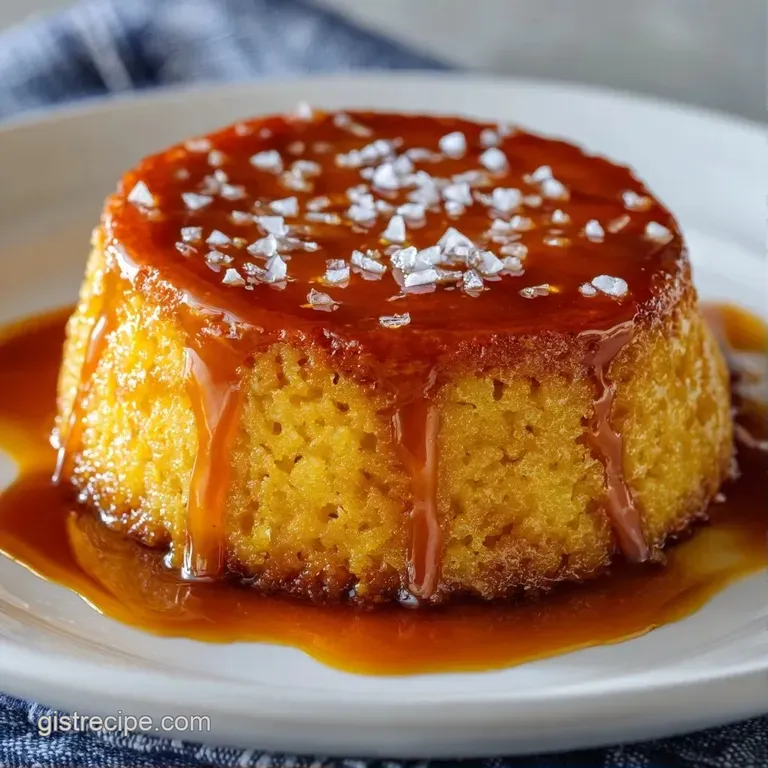
Even the best of us have those days where the cake sinks or the caramel turns into a rock. Most of these issues come down to temperature.
Troubleshooting Common Issues
| Issue | Solution |
|---|---|
| Why Your Caramel Seizes | If you add the cream too quickly or if the cream is ice cold, the caramel will clump up. This is a shock to the sugar. If this happens, don't panic. |
| Why Your Cake Sinks | Sinking usually happens if the oven door is opened too early or if the baking powder is expired. Ensure your oven is preheated and leave the door shut until the 30 minute mark. |
| Why Your Frosting is Runny | If the butter was too soft (almost melted), the buttercream won't hold. If it's too runny, pop the whole bowl in the fridge for 15 minutes, then beat it again. Troubleshooting Guide |
Common Mistakes Checklist
- ✓ Used room temperature eggs and buttermilk
- ✓ Sifted the powdered sugar to avoid lumps
- ✓ Waited for the sugar to reach mahogany color
- ✓ Chilled the cake for a full 4 hours
- ✓ Measured flour by spooning it into the cup
Creative Flavor Variations
Once you've nailed the base Modern Salted Caramel Cake, you can start playing with the flavors. If you want something slightly more traditional, you can use a base similar to my Homemade Butter Birthday Cake recipe and simply swap the frosting.
For a richer profile, try adding a teaspoon of espresso powder to the batter. The bitterness of the coffee makes the caramel taste even more intense. If you want a lighter texture, you can swap the buttermilk for sour cream, which adds a different kind of tang and a denser, more velvety crumb.
If you're catering for a crowd and need to make a larger version, you might look at the proportions of a Birthday Cake for 10 recipe and adapt the caramel elements into that structure.
Budget Smart Tweaks - Instead of heavy cream in the sauce, you can use a mix of evaporated milk and a knob of extra butter. It's not as velvety, but it's much cheaper and still tastes great. - Use a generic store brand butter for the sponge, but stick to a high-quality butter for the buttercream.
The frosting is where the butter flavor really shines.
Scaling Your Batch
Scaling a cake isn't as simple as doubling the numbers, especially with leavening agents.
Scaling Down (½ Batch) If you only have 6 inch pans, halve the ingredients. Use one whole egg and one beaten egg (use half of it). Reduce the bake time by about 20%, starting to check for doneness at 25 minutes.
Scaling Up (2x Batch) When doubling, don't double the salt or baking powder fully, as it can lead to a metallic taste or an over inflated cake that collapses. Increase salt and baking powder by 1.5x only. Work in batches if your mixer can't handle the volume.
If baking two sets of cakes, lower the oven temp by 25°F (about 10°C) and extend the time slightly to ensure even heat distribution.
Forgotten Baking Truths
There are a few "rules" in baking that we've all been told, but they aren't always true.
The "Sifting" Myth Many people think sifting flour is mandatory for every cake. In reality, if you whisk your dry ingredients vigorously for a minute, you'll achieve the same aeration as sifting.
Save the sifter for the powdered sugar, though, because those lumps are a nightmare to beat out of buttercream.
The "Salted Butter" Debate Some say you must use unsalted butter to control the salt. While true for professional labs, in a home kitchen, salted butter in the sponge actually adds a layer of complexity that works brilliantly with the caramel.
The only place I strictly use unsalted is in the buttercream to avoid a "salty" frosting.
Storing and Freezing Guide
Since this Modern Salted Caramel Cake has a high fat and sugar content, it stays moist longer than a standard sponge.
Storage Keep the cake in an airtight container in the fridge for up to 5 days. Because of the buttermilk and cream, it shouldn't sit on the counter for more than 24 hours.
When you're ready to eat, let a slice sit at room temperature for 20 minutes to let the buttercream soften back to a velvety state.
Freezing You can freeze the cake layers without frosting for up to 3 months. Wrap them tightly in plastic wrap and then foil. Thaw in the fridge overnight before frosting.
I don't recommend freezing the fully frosted cake, as the caramel sauce in the buttercream can change texture and become slightly grainy.
Zero Waste Tips Don't throw away the leftover caramel sauce! It's gold. You can stir it into your morning oats, drizzle it over vanilla ice cream, or whisk it into a latte for a quick treat.
If you have leftover cake scraps from leveling the tops, crumble them up and freeze them to use as a base for cake pops.
Best Pairings for Cake
Because this cake is so rich, you need something to cut through the sweetness. A tart raspberry coulis or a side of fresh blackberries is the ideal pairing. The acidity of the berries balances the deep sugar notes.
If you're serving it with a drink, a strong black coffee or a cold glass of milk is the way to go. For a more festive vibe, a glass of chilled Prosecco provides a bubbly contrast that cleanses the palate between bites of that velvety caramel.
Right then, you've got everything you need to tackle this Modern Salted Caramel Cake. It's a bit of a project, but seeing that mahogany sauce come together and tasting the first slice makes every minute of that four hour chill worth it.
Trust me on this, your friends are going to think you've been taking secret pastry classes. Happy baking!
Recipe FAQs
Why did my salted caramel sauce clump up and seize?
Add heavy cream slowly and at room temperature. Pouring cold cream too quickly shocks the sugar, causing it to seize into clumps.
Why did the center of my cake sink during baking?
Keep the oven door closed until the 30-minute mark. Opening the door too early or using expired baking powder can cause the cake structure to collapse.
How to fix buttercream that is too runny to frost the cake?
Chill the frosting bowl in the refrigerator. If the butter was too soft during mixing, cooling it will restore the necessary stability for frosting.
Can I leave this cake on the counter overnight?
No, store it in the fridge. Because the recipe contains buttermilk and heavy cream, it should not sit at room temperature for more than 24 hours.
Do I really need to chill the cake for 4 hours before serving?
Yes, this ensures frosting stability. Chilling prevents the buttercream from sliding or melting under the weight of the layers.
Can I use a different flour for a lighter crumb?
Stick with all-purpose flour for the intended structure. If you enjoyed mastering texture control here, see how the same principle works in our gluten free bread.
Is it true that I should stop heating the sugar as soon as it melts?
No, this is a common misconception. You must continue heating the sugar until it reaches a deep mahogany color to develop the signature caramel flavor.
Modern Salted Caramel Cake for 12 Slices