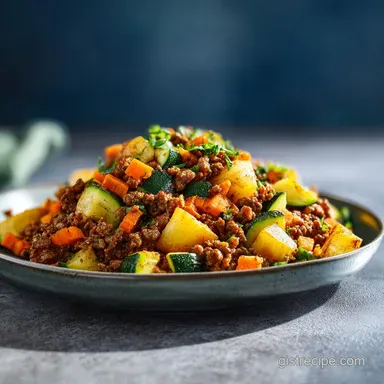
Authentic Mexican Picadillo: Savory and Hearty
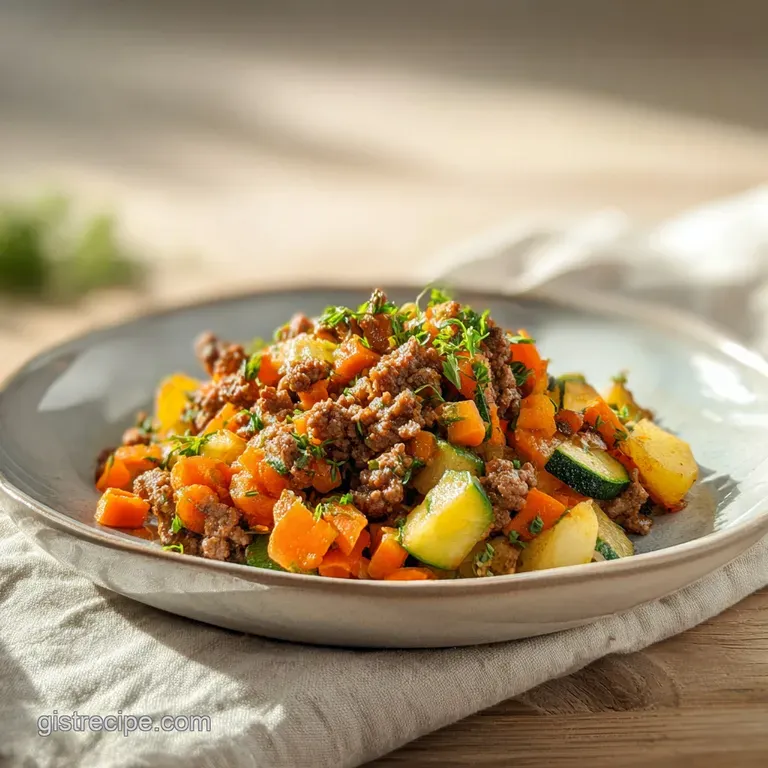
- Time: 10 min active + 35 min cooking = Total 45 mins
- Flavor/Texture Hook: Savory, velvety sauce with tender, golden potato chunks
- Perfect for: Family weeknight dinner, meal prep, or beginner cooks
- Easy Mexican Picadillo Recipe
- The Secret to Success
- Reliable Recipe Specs
- The Shopping List Breakdown
- The Essential Tools
- Step by Step Cooking
- Fixing Common Problems
- Troubleshooting Common Issues
- Tasty Flavor Variations
- Adjusting the Batch Size
- Debunking Common Beliefs
- Storage and Waste Tips
- The Best Side Pairings
- Recipe FAQs
- 📝 Recipe Card
Easy Mexican Picadillo Recipe
That sound of ground beef hitting a scorching hot cast iron skillet is where the magic starts. It's a violent, happy sizzle that tells you the meat is actually searing rather than steaming. I remember my first try at this dish, and I made the classic mistake of crowding the pan and keeping the heat too low.
I ended up with a gray, boiled looking meat mixture that tasted flat. It was a total letdown until I realized that the deep brown crust is where all the savory depth lives.
Since then, I've treated this as a lesson in patience and heat. Once you get that beef dark and fragrant, everything else falls into place. The way the potatoes soak up the beef fat and tomato sauce transforms them into little flavor bombs.
Trust me, the difference between a "meh" version and a great one is just those few extra minutes of browning.
You can expect a dish that's comforting, reliable, and surprisingly balanced. This mexican picadillo recipe doesn't try to be fancy, but it hits every note, from the earthy cumin to the subtle sweetness of the carrots.
It's the kind of meal that feels like a hug in a bowl, especially when you serve it over steaming rice.
The Secret to Success
The trick here isn't some hidden ingredient, but how we handle the heat and the moisture. Most people just toss everything in and hope for the best, but the sequence of operations is what makes this work.
Deep Browning: Searing the beef first creates a concentrated flavor base. Those brown bits stuck to the pan, which we later deglaze with broth, provide a savory depth that you can't get from simmering alone.
Potato Porosity: By dicing the potatoes small and sautéing them in beef fat, we create a barrier that prevents them from turning into mush. They stay intact but absorb the sauce like sponges.
The Glaze Effect: Using both tomato paste and tomato sauce creates a dual layer thickness. The paste adds a concentrated, caramelized taste, while the sauce provides the velvety liquid that binds everything together.
Veggie Balance: Adding zucchini and carrots isn't just for nutrition. They add a subtle sweetness and a variety of textures that break up the richness of the beef.
Right then, let's look at how this compares to a rushed version of the dish.
| Feature | Fast Version | Classic Method | Impact |
|---|---|---|---|
| Beef Treatment | Browned quickly | Deeply seared | Much deeper savory flavor |
| Potato Prep | Boiled separately | Sautéed in fat | Better texture, more taste |
| Sauce Base | Only tomato sauce | Paste + Sauce + Broth | Glossier, thicker glaze |
| Cooking Time | 20 minutes | 45 minutes | More developed flavors |
Reliable Recipe Specs
To make this a foolproof experience, you have to understand what each component is doing in the pan. It's not just about following a list; it's about knowing why we use these specific items.
For instance, the 80/20 beef ratio is non negotiable for me. If you go too lean, you don't have enough fat to brown the potatoes and carrots, and the dish ends up feeling dry. According to USDA FoodData, the fat content in ground beef not only carries flavor but also helps in the heat transfer during the searing process.
| Ingredient | Science Role | Pro Secret |
|---|---|---|
| Ground Beef (80/20) | Flavor Base | Don't stir too often; let a crust form |
| Diced Potatoes | Texture/Absorbent | Keep cubes exactly 1/2 inch for even cooking |
| Tomato Paste | Thickener/Umami | Fry it for 1 min before adding liquid |
| Beef Broth | Deglazer | Use low sodium to control the salt level |
It's also worth noting that the bay leaf is a silent hero here. It adds a subtle herbal note that cuts through the heaviness of the meat, making the whole profile feel lighter and more balanced.
The Shopping List Breakdown
I like to keep my pantry stocked with the basics so this mexican picadillo recipe can be whipped up on a Tuesday night. You don't need a specialty store, just some fresh produce and a few staples.
- 1 lb ground beef (80/20 lean to fat ratio) Why this? Necessary fat for searing veg
- 2 medium potatoes (300g), peeled and finely diced Why this? Starchy base for the sauce
- 1 medium onion (110g), finely chopped Why this? Essential aromatic base
- 3 cloves (9g) garlic, minced Why this? Pungent depth
- 1 medium carrot (60g), finely diced Why this? Subtle sweetness
- 1 medium zucchini (150g), finely diced Why this? Freshness and texture
- 2 tbsp olive oil Why this? High smoke point for searing
- 1 can (8 oz) tomato sauce Why this? Smooth liquid base
- 2 tbsp tomato paste Why this? Rich, concentrated color/taste
- 1/2 cup beef broth Why this? Adds depth and moisture
- 1 tsp ground cumin Why this? Signature earthy scent
- 1 tsp smoked paprika Why this? Adds a hint of wood fire
- 1/2 tsp dried oregano Why this? Classic Mexican herbal note
- 1 tsp salt Why this? Enhances all other flavors
- 1/2 tsp black pepper Why this? Subtle heat
- 1 bay leaf Why this? Cuts through the fat
If you're missing something, don't panic. Most of these have easy swaps that won't ruin the dish.
| Original Ingredient | Substitute | Why It Works |
|---|---|---|
| Ground Beef | Ground Pork | Similar fat content. Note: Slightly sweeter, less "beefy" |
| Potatoes | Rutabaga | Similar texture. Note: Earthier flavor, lower starch |
| Beef Broth | Vegetable Broth | Liquid base. Note: Lighter taste, slightly sweeter |
| Zucchini | Yellow Squash | Nearly identical. Note: Very similar flavor profile |
The Essential Tools
Since we're going for a minimal tool approach, you really only need one heavy bottomed pan. I swear by a 12 inch cast iron skillet because it holds heat like a beast, which is crucial for that initial beef sear. If you don't have one, a large Dutch oven works just as well.
You'll also need a sturdy wooden spoon or a silicone spatula for breaking up the meat and scraping the bottom of the pan. A sharp chef's knife is the only other "must have" since the prep involves a lot of fine dicing.
Honestly, don't bother with a food processor for the veggies. You want a rustic, consistent dice, not a puree. Taking five minutes to chop by hand ensures that the potatoes and carrots don't disappear into the sauce.
Step by step Cooking
Right then, let's get into the actual process. Keep your ingredients prepped and ready to go (mise en place) so you aren't scrambling while the beef is searing.
- Heat olive oil in a 12 inch cast iron skillet or large Dutch oven over medium high heat. Add the ground beef, breaking it apart with a spoon, and cook until deeply browned and fragrant. Note: Resist the urge to stir constantly; let the meat sear.
- Remove the beef with a slotted spoon, leaving the rendered fat in the pan.
- Add the diced potatoes, carrots, and onions to the beef fat. Sauté for 5–7 minutes until onions are translucent and potatoes have golden edges.
- Stir in the minced garlic and diced zucchini, cooking for 60 seconds until aromatic.
- Return the browned beef to the pan. Stir in the tomato paste, ground cumin, smoked paprika, and dried oregano. Cook for 2 minutes until the paste darkens slightly.
- Pour in the tomato sauce and beef broth, and add the bay leaf.
- Reduce heat to low, cover, and simmer for 15–20 minutes until potatoes are fork tender and sauce is a glossy glaze.
- Remove the bay leaf and stir in salt and black pepper.
Chef's Tip: If the sauce seems too thin at the end, simmer uncovered for another 5 minutes. The potatoes will release a bit of starch that naturally thickens the liquid into a velvety coating.
Fixing Common Problems
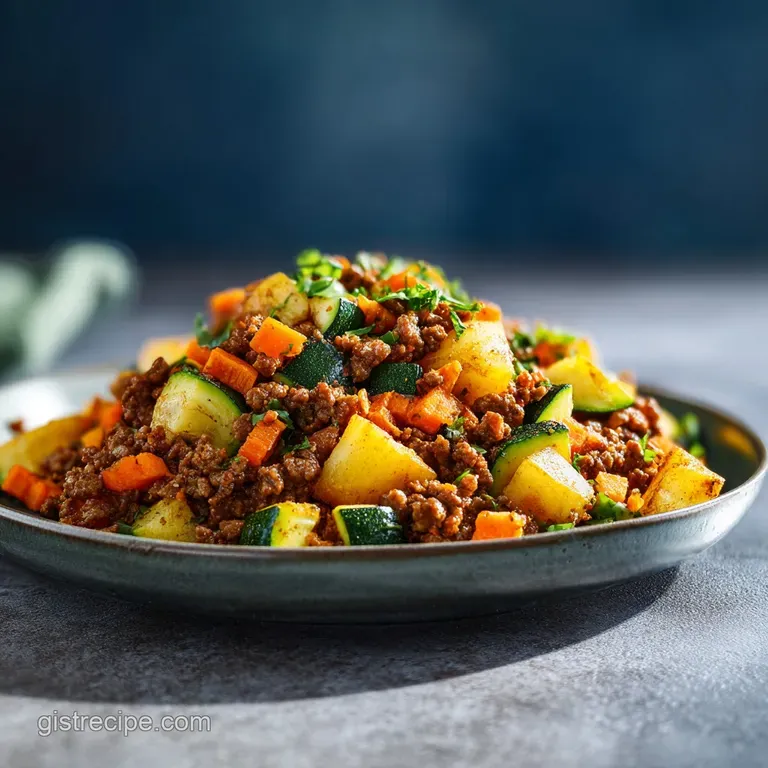
Even with a reliable mexican picadillo recipe, things can go sideways if the heat isn't right. The most common issue I see is the "soup problem," where the dish ends up too watery.
Troubleshooting Common Issues
| Issue | Solution |
|---|---|
| Why Your Beef Is Gray | If your beef looks gray instead of brown, you've likely crowded the pan or used too low a heat. This causes the meat to release its juices and boil in its own liquid rather than searing. To fix this, |
| Why Your Potatoes Are Mushy | Mushy potatoes happen when they're overcooked or diced unevenly. If some pieces are tiny and others are large, the small ones disintegrate while the big ones stay hard. Stick to a strict 1/2 inch cube |
| Why the Sauce Is Too Acidic | Sometimes the tomato sauce can be overly sharp. A tiny pinch of sugar or a small knob of butter stirred in at the end can balance the acidity without making the dish sweet. |
Common Mistakes Checklist:
- ✓ Did you brown the beef before adding vegetables?
- ✓ Are the potatoes diced to a uniform size?
- ✓ Did you remove the bay leaf before serving?
- ✓ Did you let the sauce simmer until glossy, not watery?
- ✓ Did you use 80/20 beef for the necessary fat?
Tasty Flavor Variations
Once you've nailed the basic mexican picadillo recipe, you can start playing with the profile. I often tweak this depending on what's in the fridge or who I'm feeding.
If you want a more traditional "Picadillo a la Mexicana," try adding a handful of green olives and some raisins. The briny saltiness of the olives combined with the sweet bursts of raisins creates a complex contrast that's absolutely brilliant.
It transforms the dish from a simple stew into something that feels a bit more festive.
For those looking for a low carb option, you can swap the potatoes for diced cauliflower or turnips. While you lose that signature starchy thickness, you still get the rich flavors of the beef and spices. If you go this route, I recommend adding a bit more tomato paste to compensate for the lack of potato starch.
You can also swap the ground beef for ground turkey or chicken. Just keep in mind that these meats are leaner, so you'll need to add an extra tablespoon of olive oil to ensure the vegetables sauté properly. For a more punchy finish, top the final dish with a drizzle of simple cilantro sauce to add a bright, zesty lift.
Adjusting the Batch Size
Scaling this mexican picadillo recipe is pretty straightforward, but you can't just double everything blindly.
Scaling Down (Half Batch): Use a smaller 8 inch skillet. Since there's less volume, the liquid will evaporate faster, so you might need to add an extra splash of beef broth to keep the sauce from drying out. Reduce the simmering time by about 5 minutes.
Scaling Up (Double Batch): This is where people mess up. Do NOT crowd the pan. If you double the beef, brown it in two separate batches. If you put 2 lbs of beef in one pan, it will steam and turn gray. For the spices, only increase them to 1.5x initially, then taste and add more if needed.
Liquids should be reduced by about 10% as larger volumes trap more steam.
| Batch Size | Pan Size | Beef Method | Liquid Adjustment |
|---|---|---|---|
| 1x (Standard) | 12" Skillet | Single Batch | As written |
| 0.5x (Small) | 8" Skillet | Single Batch | + 2 tbsp broth |
| 2x (Large) | 14" Skillet / Pot | Two Batches | - 10% broth |
Debunking Common Beliefs
There are a few myths about this dish that I want to clear up. First, some people think that searing the meat "locks in the juices." That's simply not true. Searing is all about flavor and creating a crust, not about preventing moisture loss.
The meat will lose moisture regardless, but the trade off for that deep brown flavor is totally worth it.
Another common misconception is that you must use lean beef to avoid a "greasy" dish. In reality, using 90/10 beef often results in a bland, dry meal because you've stripped away the fat that carries the spices. The key is to sear the meat and then spoon off any excess fat before adding the vegetables.
Finally, some say you can't use dried oregano. While fresh is great, dried oregano is actually more concentrated and traditional for this style of cooking. It blends into the sauce better than fresh leaves, which can sometimes taste too "grassy" in a long simmer.
Storage and Waste Tips
This mexican picadillo recipe is a meal prep dream. The flavors actually improve after a day in the fridge as the spices continue to meld.
Storage Guidelines: Keep leftovers in an airtight container in the fridge for up to 4 days. If you're freezing it, it'll stay good for about 3 months. I recommend freezing it in individual portions for easy weekday lunches.
Reheating: The best way to reheat is in a small pan over medium heat with a splash of water or beef broth. This loosens the sauce and brings back that glossy texture. Avoid the microwave if you can, as it tends to make the potatoes rubbery.
Zero Waste Tips: Don't toss those potato peels! If you peel them carefully, you can toss them in a bit of oil and salt and air fry them for 10 minutes as a crunchy snack.
Similarly, the carrot tops can be blended into a pesto or added to a veggie scrap bag in the freezer to make a homemade stock later.
The Best Side Pairings
The beauty of this dish is its versatility. While it's hearty on its own, the right sides can make it a full blown feast.
I always suggest serving this over a bed of fluffy white or brown rice. The rice acts as a sponge for the leftover sauce, ensuring not a single drop goes to waste. For a bit of crunch and freshness, a side of homemade corn salsa provides a bright, acidic contrast to the rich beef.
If you want something more filling, warm corn tortillas are the way to go. Spoon the picadillo into the tortillas, add a slice of avocado, and a squeeze of lime. It's a foolproof combination that never fails.
For those who prefer a vegetable forward side, a simple sautéed cabbage or a crisp green salad with a lime vinaigrette works wonders. The goal is to balance the deep, savory notes of the mexican picadillo recipe with something light and acidic to cleanse the palate between bites.
Recipe FAQs
What are the ingredients in Mexican picadillo?
Ground beef, root vegetables, and a tomato based sauce. This version uses beef, potatoes, carrots, onion, zucchini, garlic, tomato sauce, tomato paste, and beef broth seasoned with cumin, smoked paprika, and oregano.
How do you achieve the best picadillo flavor?
Sear the beef until deeply browned and fragrant. Use the rendered beef fat to sauté the vegetables before simmering everything with a bay leaf for 15 20 minutes to create a rich, glossy glaze.
What's the difference between Cuban & Mexican picadillo?
Mexican picadillo typically features a broader range of vegetables. While Cuban versions often incorporate raisins or olives for a sweet and briny contrast, this Mexican recipe focuses on the savory combination of potatoes, carrots, and zucchini.
What is the difference between carne molida and picadillo?
Carne molida is the raw ingredient, while picadillo is the completed dish. Carne molida simply refers to ground meat, whereas picadillo is that meat simmered with specific vegetables and spices into a cohesive meal.
Can I freeze Mexican picadillo for later?
Yes, it stays fresh in the freezer for up to 3 months. Store it in individual airtight containers for easy meal prep. Reheat in a pan with a splash of beef broth to restore the original glossy texture.
Why is my beef gray instead of brown?
You likely crowded the pan or used heat that was too low. This causes the meat to boil in its own juices rather than sear. If you mastered the sensory cues for a deep brown sear here, apply that same temperature precision to our Homemade Falafel for a perfect crust.
How do I prevent the potatoes from becoming mushy?
Dice potatoes into strict 1/2 inch cubes. This ensures they cook at the same rate. Uneven pieces cause smaller cubes to disintegrate before the larger ones become fork tender.
Mexican Picadillo Recipe