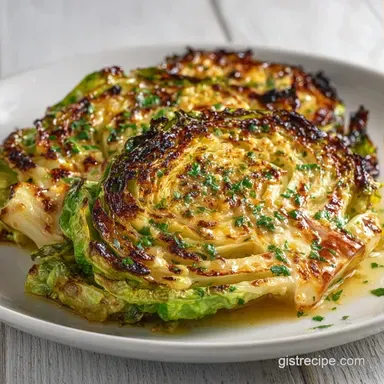
Lemon Dijon Cabbage Steaks: Roasted and Tangy
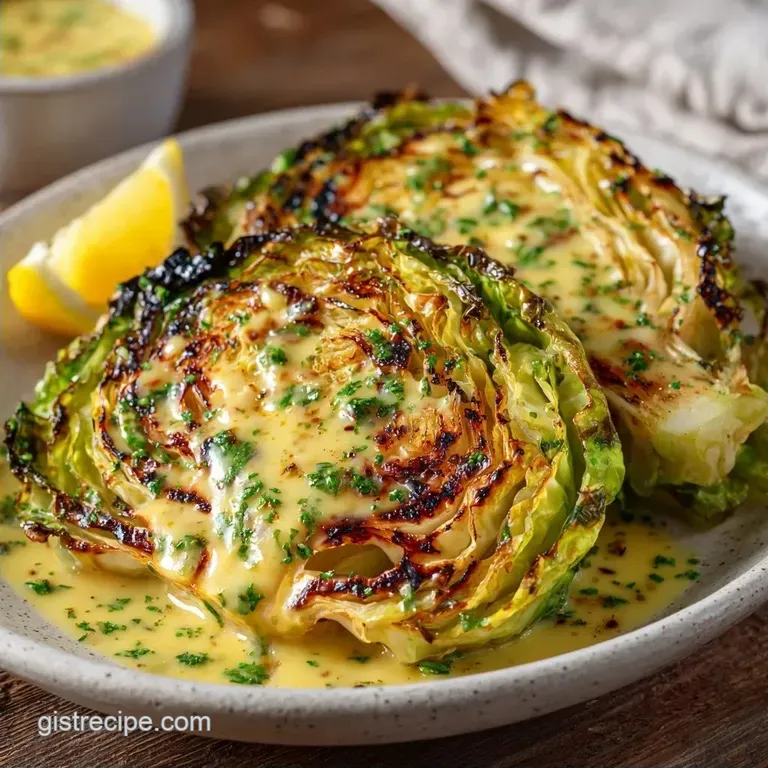
- Time: 10 min active + 20 min roasting
- Flavor/Texture Hook: Shatter crisp edges with a tangy, velvety center
- Perfect for: A healthy weeknight side or a vegan main
Lemon Dijon Cabbage Steaks
That loud, aggressive sizzle when the cabbage hits the hot parchment paper is where the magic starts. I remember the first time I tried roasting cabbage. I treated it like a steamed vegetable, low heat and slow, and it ended up as a soggy, pale mess that tasted like wet paper. It was depressing.
I almost gave up on cabbage entirely until I realized that this vegetable needs high heat and a lot of acid to actually wake up.
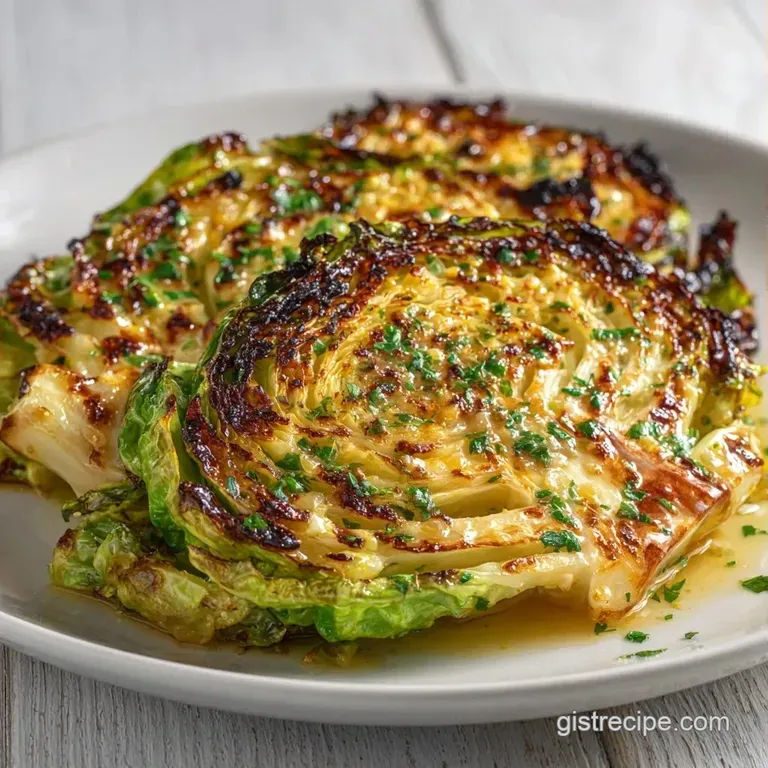
When you hit it with 425°F and a sharp hit of Dijon and lemon, the cabbage stops tasting like "health food" and starts tasting like something you'd pay twenty bucks for at a bistro. The edges get these dark, caramelized fringes that almost taste like burnt sugar, while the middle stays tender and juicy.
You can expect a dish that balances a sharp, vinegary bite with the natural sweetness of roasted brassicas. These Lemon Dijon Cabbage Steaks don't just sit on the plate, they command attention. They are vibrant, bold, and surprisingly filling.
Why the Flavor Hits
- High Heat Char: The 425°F temperature causes the natural sugars in the cabbage to brown quickly, creating those crispy, shatter like edges.
- Acidic Tenderizing: Lemon juice and mustard break down the tough cellulose in the cabbage leaves, ensuring the center isn't woody.
- Fat Distribution: Olive oil carries the garlic and paprika deep into the crevices, preventing the leaves from drying out.
- Core Stability: Keeping the central core intact prevents the "steak" from disintegrating into a pile of loose leaves.
| Method | Time | Texture | Best For |
|---|---|---|---|
| Oven Roast | 30 min | Crispy edges, tender middle | Meal prep, large groups |
| Pan Sear | 15 min | Heavily charred, softer center | Single servings, fast dinner |
| Air Fry | 12 min | Uniformly crisp, drier | Maximum crunch, small batches |
Cabbage Component Analysis
| Ingredient | Science Role | Pro Secret |
|---|---|---|
| Green Cabbage | Structural Base | Use a heavy head for thicker steaks |
| Dijon Mustard | Emulsifier/Tang | Adds a pungent depth that salt alone can't provide |
| Lemon Juice | Brightener | Squeeze it fresh; bottled juice lacks the volatile oils |
| Smoked Paprika | Aroma/Color | Gives a "grilled" taste without an actual grill |
Pantry and Produce Needs
For the cabbage steaks: 1 large head (approx 2 lbs / 900g) Green Cabbage Why this? Dense structure holds the steak shape better than Savoy (Substitute: Red Cabbage for a heartier, earthier taste) 1 tsp (6g) Kosher salt Why this? Coarser grains draw out moisture more evenly (Substitute: Sea salt) ½ tsp (1g) Cracked black pepper Why this? Fresh grind adds a woody heat (Substitute: White pepper for a milder bite)
For the lemon dijon glaze: 3 tbsp (45ml) Extra virgin olive oil Why this? High smoke point and fruity base (Substitute: Avocado oil for higher heat) 2 tbsp (30ml) Dijon mustard Why this? Stronger, smoother than yellow mustard (Substitute: Whole grain
Mustard for texture) 2 tbsp (30ml) Freshly squeezed lemon juice Why this? Cuts through the richness of the oil (Substitute: Apple cider vinegar) 1 tsp (2g) Garlic powder Why this? Distributes evenly without burning like fresh garlic (Substitute: Onion
Powder) ½ tsp (1g) Smoked paprika Why this? Adds a subtle, woody smoke (Substitute: Sweet paprika for less intensity) ¼ tsp (1g) Cayenne pepper Why this? Tiny kick to balance the lemon (Substitute: Red pepper flakes)
Essential Kitchen Tools
You don't need a professional kitchen for this, but a few things make it easier. A large rimmed baking sheet is a must so the oil doesn't drip onto your oven floor. I always use parchment paper because cabbage has a habit of sticking to the metal, and scrubbing charred cabbage off a pan is no one's idea of a good time.
A sharp chef's knife is the most important tool here. You need to slice through the core without crushing it. If you use a dull knife, you'll end up with shredded cabbage instead of steaks. A small whisk and a pastry brush also help get that glaze into every single leaf fold.
Step-by-step Cooking Process
Phase 1: Precision Prepping
- Preheat the oven to 425°F (218°C) and line a large rimmed baking sheet with parchment paper. Note: This ensures the pan is hot enough the moment the cabbage hits it.
- Place the cabbage on its side and slice into 1 inch (2.5cm) thick rounds, ensuring the central core remains intact in each slice to hold the steak together.
- Lay the cabbage steaks on the prepared baking sheet and lightly sprinkle both sides with salt and black pepper.
Phase 2: Applying the Glaze
- In a small mixing bowl, whisk together the olive oil, Dijon mustard, lemon juice, garlic powder, smoked paprika, and cayenne pepper until the glaze is smooth and thickened.
- Using a pastry brush, generously coat the top of each cabbage steak, drizzling a small amount of glaze into the leaf crevices. Note: The crevices are where the flavor hides.
Phase 3: The Roasting Process
- Place the tray in the center rack of the oven and roast for 10–12 minutes. until the edges start to brown and the aroma is nutty.
- Carefully flip the steaks using a wide spatula.
- Roast for an additional 10 minutes until the edges are deeply browned and the center is tender when pierced with a fork.
Fixes for Common Mistakes
Troubleshooting Common Issues
| Issue | Solution |
|---|---|
| Why Your Cabbage Fell Apart | If your steaks turned into a pile of leaves, it's usually because the slices were too thin or you cut through the core. The core is the "glue" of the steak. |
| How to Get More Charred Edges | If your cabbage looks pale, your oven might not be hitting 425°F. Use an oven thermometer to check. Also, don't crowd the pan. If the steaks are touching, they steam instead of roast. |
| The Cabbage is Too Dense | Some winter cabbages are incredibly tight. If you find the center is still hard after 20 minutes, just pop them back in for another 5 minutes. |
Common Mistakes Checklist
- ✓ Check that the core is intact in every slice.
- ✓ Use parchment paper to prevent sticking.
- ✓ Flip exactly halfway through for even browning.
- ✓ Ensure the glaze is whisked until emulsified (no oil separation).
- ✓ Don't overcrowd the baking sheet.
Mix Up the Flavors
If you want to switch things up, you can easily tweak the glaze. For a sweeter version, stir in a teaspoon of maple syrup or honey. This creates a beautiful contrast with the salty Dijon. If you're feeling fancy, top the finished steaks with toasted walnuts or a sprinkle of feta cheese for a salty punch.
For those who want a creamier finish, these Roasted Cabbage Steaks pair beautifully with a Vegan Cashew Cheese Sauce drizzled over the top. The richness of the cashew cream balances the sharp lemon notes. If you prefer something fresh and herbaceous, a dollop of Cilantro Sauce on the side adds a bright, zesty contrast to the charred cabbage.
Vegan Alternatives
This recipe is naturally vegan, but if you want to add a "cheesy" flavor without dairy, use nutritional yeast in the glaze. It adds a nutty, savory depth that mimics parmesan.
Using Red Cabbage
You can use red cabbage, but be aware that it is denser and takes about 5-7 minutes longer to cook. It also has a more robust, peppery flavor that stands up well to the Dijon.
Fridge and Freezer Tips
Storage Guidelines Store leftover Lemon Dijon Cabbage Steaks in an airtight container in the fridge for up to 4 days. They actually hold their flavor quite well, though the edges will lose that initial "shatter" crispness.
The Best Way to Reheat Do not use the microwave. It will turn your steaks into mush. Instead, put them back in a 400°F oven or an air fryer for 3-5 minutes. This brings back the crispiness of the edges without overcooking the center.
Freezing Advice I don't recommend freezing these. The high water content in cabbage means it will likely become watery and limp upon thawing. It's best to enjoy them fresh or from the fridge.
Zero Waste Tips Don't throw away the outer leaves or the core ends. Toss them into a freezer bag and use them as a base for a vegetable broth. The core is packed with flavor and adds a great body to homemade stocks.
Best Ways to Serve
As a Main Course
To make this a full meal, serve the steaks over a bed of quinoa or farro. The grains soak up the extra lemon dijon glaze from the pan. Add a side of roasted chickpeas for extra protein and a crunch that matches the cabbage.
As a Gourmet Side
These are fantastic alongside a protein. If you're serving a steak, try my Stove Top Steak guide for a high protein pairing. The acidity of the cabbage cuts right through the richness of the beef, cleaning your palate between bites.
A Note on Plating
For a visually bold look, stack two steaks slightly offset from each other and garnish with fresh parsley and a final squeeze of lemon. The contrast between the deep brown edges and the bright green center looks stunning on a white plate.
Recipe FAQs
How to cut cabbage steaks so they don't fall apart?
Slice into 1-inch thick rounds while keeping the central core intact. The core acts as the structural glue that holds the leaves together during the roasting process.
How to bake cabbage in the oven?
Preheat your oven to 425°F. Roast the glazed steaks for 10–12 minutes, flip them carefully with a wide spatula, and roast for another 10 minutes until the edges are deeply browned.
What enhances the taste of cabbage?
Acid and smoke. Using lemon juice and smoked paprika cuts through the cabbage's natural density and adds a savory, complex depth.
How to cook cabbage so it's not bitter?
Roast at a high temperature of 425°F. This intense heat caramelizes the natural sugars in the vegetable, which effectively neutralizes bitter notes.
What's a good sauce for cabbage steak?
A whisked blend of Dijon mustard, lemon juice, and olive oil. This creates a tangy, thick glaze that clings to the leaf crevices. This savory side pairs perfectly with a fresh homemade corn salsa.
What are some uses for leftover cooked cabbage?
Chop the steaks and toss them into a cold salad or a quick sauté. They also work well as a nutrient-dense base for a morning hash.
Is it true that cabbage must be boiled first to become tender?
No, this is a common misconception. Roasting at 425°F for approximately 22 minutes total ensures the center is fork-tender without losing flavor to boiling water.
Lemon Dijon Cabbage Steaks for 6