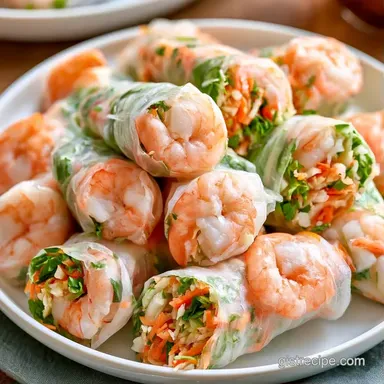
Rice Paper Rolls with Shrimp
- Time: 25 minutes preparation + 10 minutes cooking
- The Experience: Crisp, fresh vegetables with a creamy, nutty dip
- Perfect for: A nutritious lunch or a light starter
The refreshing snap of chilled cucumber and the aroma of fresh mint are what make this recipe shine. But realistically, your first few attempts usually result in a sticky, gummy mess that adheres to everything. I've spent far too many afternoons battling wrappers that tore the moment I added a single shrimp.
It's disappointing when your rolls look crushed instead of achieving that elegant, translucent finish found in restaurants. The secret isn't the filling, but rather how you manage the water.
We're fixing that today. You'll make Rice Paper Rolls that stay firm, look vibrant, and taste like an authentic Vietnamese summer feast.
Easy Rice Paper Rolls
The Flash Dip: Immersing the paper for only 2-3 seconds prevents it from becoming too soft. This keeps the structure strong so the wrapper doesn't tear under the weight of the shrimp.
Strategic Layering: Placing the shrimp and herbs first creates a visual window. The noodles and shredded veg go in the middle, providing a stable core that makes rolling much easier.
| Method | Time | Texture | Best For |
|---|---|---|---|
| Fresh (Raw) | 35 mins | Chewy and crisp | Healthy snacks |
| air-fried | 45 mins | Crunchy and bubbly | Party appetizers |
Tools for the Job
While basic equipment works, a few key tools can make the process much easier. For the dipping stage, a wide, shallow pan or a large baking sheet is essential. Using a container that is too small can cause the rice paper to fold and stick, which is incredibly frustrating to fix.
I also suggest a mandoline or a very sharp knife. The vegetables should be sliced into thin matchsticks to avoid overly bulky rolls, as excess bulk is the main reason they split.
The Ingredient Breakdown
The balance here comes from contrasting the heavy peanut butter with the bright acidity of lime and the freshness of mint.
| Component | Purpose | Substitute Notes |
|---|---|---|
| Rice Paper | Structure | Flour wrappers: Heavier, requires frying |
| Shrimp | Protein | Firm tofu: Press well to remove water |
| Peanut Butter | Richness | Almond butter: Lighter, slightly sweeter |
| Lime Juice | Acidity | Rice vinegar: Less citrusy, more tangy |
Choosing the Right Fillings
For the produce, stick to things with high water content but firm textures. Romaine provides the bulk, while the carrots and cucumbers add the snap. If you use cabbage, shred it very finely so it doesn't poke through the thin skin of the Rice Paper Rolls.
The herbs are non negotiable. Mint and cilantro provide that specific, bright aroma that cuts through the richness of the peanut sauce.
| Original Ingredient | Substitute | Why It Works |
|---|---|---|
| Shrimp (1 lb) | Firm Tofu (1 lb) | Similar texture when sliced. Note: Lose the seafood flavor |
| Rice Vermicelli (4 oz) | Thin Rice Noodles | Same starch base. Note: Check soak times on pack |
| Romaine Lettuce (2 cups) | Spinach | Similar color and crunch. Note: More earthy taste |
| Peanut Butter (1/2 cup) | Cashew Butter | High fat content. Note: Milder, creamier profile |
Filling Logic
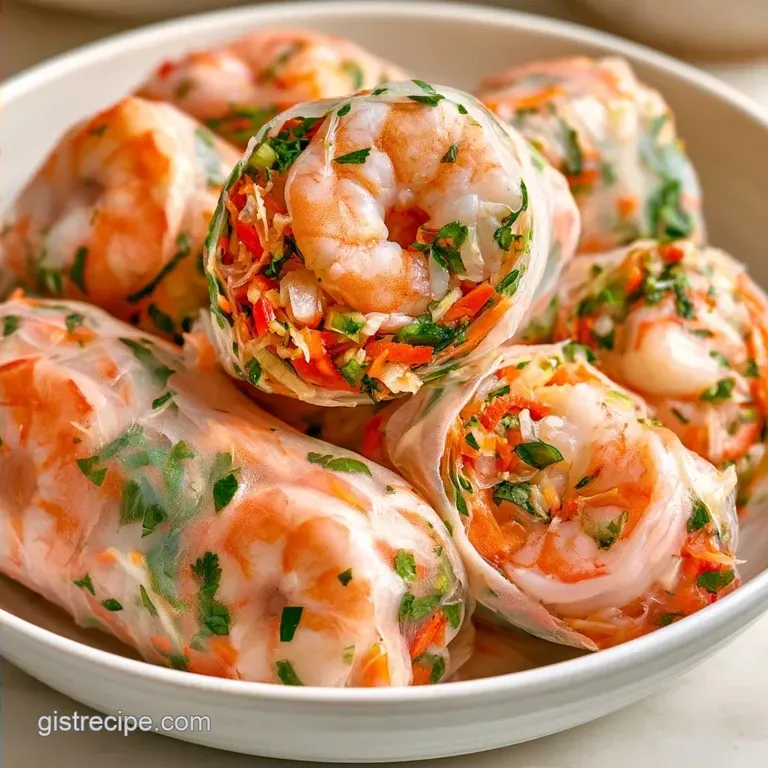
The order of your ingredients changes the look and the bite. I always put the shrimp on the bottom first because it creates a beautiful pattern through the skin. Then comes the mint and cilantro, followed by the noodles and the julienned vegetables.
Recipe Specs
The timing here is tight. Most of your effort goes into the prep, while the cooking is just a quick flash in the pan.
- Prep time: 25 minutes
- Cook time: 10 minutes
- Total time: 35 minutes
- Yield: 12 rolls
Chef's Note: If you're making these for a crowd, prep all your fillings into separate piles first. Assembly is much faster when you're just grabbing and layering rather than chopping as you go.
Making the Rolls
Bring a pot of water to a boil. Add the shrimp and cook for 2–3 minutes until they turn opaque and pink. Transfer them instantly to an ice bath to halt the cooking process. Note: This prevents the shrimp from becoming rubbery.
Let the rice vermicelli steep in hot water for 3–5 minutes. Drain thoroughly and set aside.
Julienne the carrots and cucumbers into thin strips. Rinse the romaine, mint, and cilantro, then pat them dry.
In a small bowl, combine the peanut butter, hoisin, soy sauce, lime juice, and sriracha.
Slowly stir in warm water, adding a tablespoon at a time, until the sauce is velvety and pourable.
Submerge a sheet of rice paper in warm water for 2 3 seconds. Place it flat on a clean, moist surface.
Arrange 3-4 shrimp halves, a small amount of noodles, and a handful of vegetables in the middle of the sheet.
Fold the bottom over the ingredients, wrap in the sides, and roll snugly to seal the Rice Paper Rolls.
The Rolling Technique
Avoid overfilling. While it's tempting to pack in extra carrots, doing so often leads to tears. Maintain about an inch of space on each side. Apply gentle but firm pressure as you roll. If the paper begins to dry out, lightly dab it with a damp cloth.
Solving Common Problems
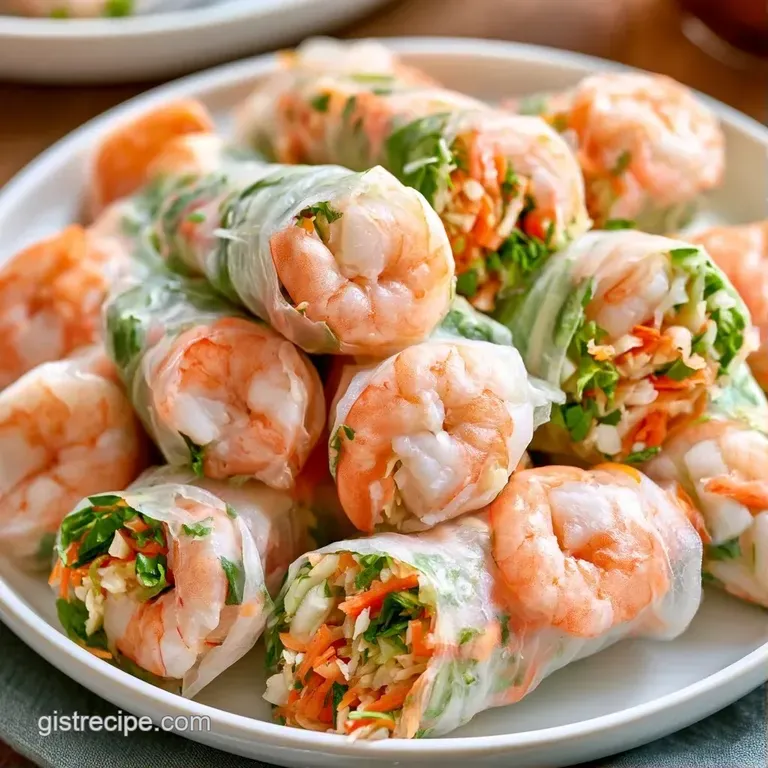
When your Rice Paper Rolls start splitting or sticking, it usually comes down to water management. If the wrappers are tearing, you're likely over soaking them. The paper should still feel slightly firm when it hits the counter; it will soften as you add the fillings.
Another common issue is the sauce becoming too thick to dip. Because peanut butter is dense, it can seize up as it cools. Just whisk in another teaspoon of warm water to loosen it up. For a different creamy vibe, you could try a Spicy Mayo for Sushi recipe as an alternative dip.
Fixing Tearing Wrappers
Tearing usually happens because the paper is too saturated. Use a "flash dip" method and don't let the paper sit in the water.
Preventing Sogginess
Excess water in the vegetables will leak through the paper. Pat your lettuce and herbs dry with a paper towel before rolling.
Dealing with Sticky Rolls
If the rolls stick together on the plate, separate them with a piece of parchment paper or a lettuce leaf.
| Problem | Root Cause | Solution |
|---|---|---|
| Wrapper splits | Over soaking or overfilling | Dip for 2 seconds; reduce filling |
| Gummy texture | Water too hot or too much soak | Use warm (not boiling) water |
| Sauce is clumpy | Cold peanut butter | Whisk in warm water slowly |
| Rolls unravel | Loose rolling | Tuck sides tightly before final roll |
Adjusting the Batch Size
When preparing for a crowd, avoid doubling the sauce all at once without a taste test. Bold flavors like sriracha can become too intense when scaled up. Instead, increase the sauce by 1.5x and add further increments only as needed.
For a half portion, use 6 rice paper sheets and 1/2 lb of shrimp. Since you are working with fewer vegetables, shorten the noodle soaking time by about a minute to ensure they don't get too mushy.
| Goal | What to change |
|---|---|
| More crunch | Add sliced jicama |
| Thicker sauce | Use less warm water |
| More heat | Double the sriracha |
Common Wrapper Myths
Some people think you need to soak the rice paper for a full minute to make it pliable. This is a mistake. Long soaks break down the starch too much, which leads to the gummy, tearing mess mentioned earlier. A 2-3 second dip is all you need.
Another myth is that you should cook the vegetables. For these Rice Paper Rolls, the raw crunch is the entire point. Cooking the carrots or cucumbers removes the contrast and makes the roll feel heavy.
Saving and Storing
These are best eaten immediately. However, you can keep them in the fridge for up to 24 hours. To prevent them from drying out, wrap each roll individually in a damp paper towel and store them in an airtight container.
Don't freeze fresh Rice Paper Rolls. The water in the vegetables will freeze into ice crystals, which will shred the rice paper from the inside out during thawing.
To avoid waste, use any leftover julienned vegetables in a stir fry. If you have extra shrimp, they make a great addition to a salad. If you're looking for another way to use those veggies, a Beef and Broccoli Sauce recipe works well with the same prep style.
Different Filling Ideas
You can easily turn these into Vegetarian Rice Paper Rolls by swapping the shrimp for fried tofu or avocado. Avocado adds a rich, creamy texture that pairs well with the peanut sauce. Just be careful not to over mash it, or it will leak.
For those who prefer a crunchier experience, you can make Crispy Rice Paper Rolls. After rolling them fresh, brush the outside with a little oil and pop them in an air fryer at 375°F for about 5-8 minutes until the skin bubbles and turns golden.
You can also swap the peanut sauce for a sweet chili dip or a lime soy vinaigrette if you want something lighter. Adding thin slices of mango or pineapple to the filling creates a sweet savory contrast that feels like a tropical vacation.
Best Side Pairings
Because these are light, they complement heartier sides perfectly. Serving them with steamed jasmine rice or a bowl of pho creates a satisfying meal, where the acidity of the rolls balances the richness of a savory broth.
When served as an appetizer, these pair well with a crisp white wine or a chilled ginger tea. The clean flavor profile of the Rice Paper Rolls ensures the drinks can be enjoyed without competing for attention.
Following USDA guidelines, shrimp should hit an internal temperature of 145°F to be safe, which is easily accomplished during a 2-3 minute boil. After cooling in an ice bath, they stay snappy and fresh, providing an ideal protein base for your rolls.
Recipe FAQs
Are rice paper rolls healthy?
Yes, they are. They use fresh vegetables like carrots, cucumbers, and romaine lettuce paired with lean shrimp.
Which fillings work best in these wraps?
Combine shrimp, rice vermicelli, and julienned carrots or cucumbers. Fresh mint and cilantro add the brightness needed to balance the savory sauce.
How to prevent rice paper from tearing?
Dip the sheet in warm water for only 2-3 seconds. This prevents the wrapper from becoming too soft and gummy during assembly.
Is it true that you must soak rice paper for several minutes to soften it?
That's a myth. A quick flash dip is all you need to maintain the structural integrity of the roll.
What makes these a good choice for fussy children?
The vibrant colors and interactive dipping process make them engaging. You can let kids help layer the julienned vegetables to make them more likely to eat.
Can other sauces complement this recipe?
The peanut, hoisin, and lime sauce provides a rich, velvety finish. If you mastered the smooth emulsion of this sauce, apply the same logic to the cashew sauce used in our chicken broccoli casserole.
Vietnamese Rice Paper Rolls