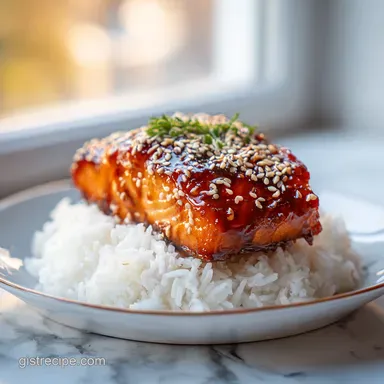
Teriyaki Glazed Salmon Bowls: Sticky and Caramelized
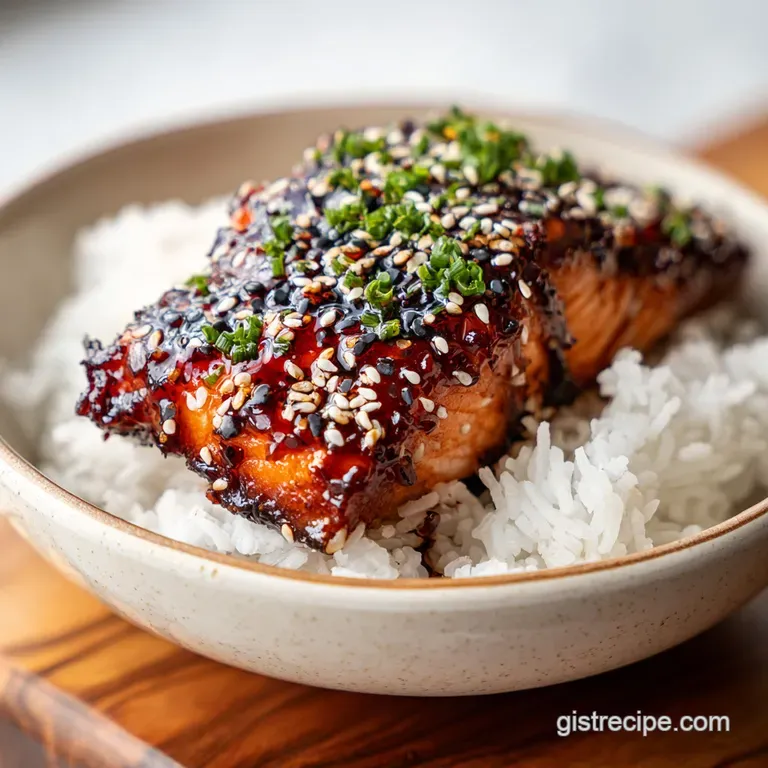
- Time: 15 min active + 15 min cook = Total 30 minutes
- Flavor/Texture Hook: Sticky, caramelized glaze with a buttery, flaky center
- Perfect for: Healthy weeknight dinner or meal prep
- Teriyaki Glazed Salmon Bowls
- Why the Glaze Sticks
- Component Analysis
- The Pantry List
- The Gear I Use
- Step-by-Step Guide
- Fix Common Issues
- Troubleshooting Common Issues
- Different Flavor Twists
- Scaling This Recipe
- Truth About Salmon Myths
- Storage and Waste
- Plating and Enjoying
- Recipe FAQs
- 📝 Recipe Card
That first sizzle when the salmon hits the hot oil is everything. It's that sound that tells me dinner is actually happening, even when the rest of the day was a total train wreck.
I can still smell the toasted sesame oil mixing with the sharp, zingy scent of fresh ginger hitting the pan, filling the kitchen with that specific, savory aroma that makes everyone run to the table.
Honestly, I used to overthink this. I'd try these complicated marinades that sat for twelve hours and just ended up making the fish mushy. Then I figured out that the magic isn't in the soak, it's in the sear and the reduction.
When you reduce the honey and soy right in the pan, it transforms into this thick, glossy lacquer that just grips the salmon.
You're going to love these teriyaki glazed salmon bowls because they feel like a fancy takeout meal but they're way cleaner. We're talking about a bowl that's a mix of temperatures and textures - warm, glazed fish, chilled cucumber, and creamy avocado.
It's a reliable, comforting way to get your omega-3s without it feeling like a chore.
Teriyaki Glazed Salmon Bowls
Right then, let's get into the meat of this. The goal here is a salmon fillet that has a dark, caramelized exterior but stays juicy and tender on the inside. The bowls are essentially a canvas for the fish, using sushi rice to soak up any extra sauce and raw veggies to cut through the richness.
Most people make the mistake of cooking the salmon in the sauce from the start. Trust me on this, don't do that. If you put the honey heavy sauce in too early, the sugar burns before the fish is actually cooked. We sear first to get that crust, then glaze at the end for that glossy finish.
It's a foolproof method. Whether you're a total beginner or you've been cooking for years, the process is the same. We keep the heat steady, watch the colors change, and assemble everything quickly so the rice stays warm and the avocado stays fresh.
Why the Glaze Sticks
I spent a while wondering why some sauces just run off the fish while others cling to it. It comes down to how the sugars behave when they heat up.
- Sugar Concentration
- As the honey and soy simmer, water evaporates, leaving behind a concentrated syrup that naturally binds to the protein.
- Fat Binding
- The sesame oil and the natural fats from the salmon create a bridge, helping the water based sauce adhere to the fish.
- Surface Texture
- Searing the salmon creates tiny crags and crevices on the surface, giving the glaze more "anchor points" to hold onto.
- Thermal Thickening
- The heat of the pan causes the glaze to thicken instantly upon contact with the fish, locking in the flavor.
The goal is to reach a point where the sauce is thick enough to coat the back of a spoon. If it's too thin, it'll just pool at the bottom of your teriyaki glazed salmon bowls, and you'll miss out on that concentrated burst of flavor in every bite.
| Method | Time | Texture | Best For |
|---|---|---|---|
| Pan Seared | 15 mins | Crispy edges, velvety glaze | Quick weeknight meals |
| Baked | 20 mins | Evenly cooked, softer crust | Large batches/hands off |
| air fried | 12 mins | Slightly drier, very concentrated | Low oil preference |
Component Analysis
Before we start throwing things in the pan, it's helpful to understand what each part is doing. I don't like using "fancy" terms, but it's good to know why we use these specific items.
| Ingredient | Science Role | Pro Secret |
|---|---|---|
| Honey | Thickener/Sweetener | Provides the "stick" and golden color |
| Soy Sauce | Salt/Umami | Deepens the flavor and browns the fish |
| Rice Vinegar | Acid Balance | Cuts through the heavy fat of the salmon |
| Fresh Ginger | Aromatic | Adds a sharp, spicy note to balance the honey |
I've found that using fresh ginger makes a world of difference compared to the powdered stuff. The fresh root has a zing that wakes up the whole dish. According to Serious Eats, the key to a great sear is removing as much surface moisture as possible, which is why I'm obsessed with patting my salmon dry with paper towels.
The Pantry List
Here is everything you'll need. I've kept it simple, but I've included some swaps in case you're missing something.
- 680 g salmon fillets (4 x 170g) Why this? Atlantic or King salmon works best for richness
- 120 ml soy sauce Why this? Regular soy provides the classic salt base
- 60 ml honey Why this? Creates the glossy, sticky texture
- 15 ml rice vinegar Why this? Adds the necessary tang
- 5 ml toasted sesame oil Why this? Essential for that nutty, toasted aroma
- 15 g fresh ginger, grated Why this? Fresh is non negotiable for the best taste
- 6 g garlic, minced Why this? Adds a savory depth
- 3 g salt Why this? Enhances all other flavors
- 1 g black pepper Why this? Adds a subtle heat
- 15 ml neutral oil Why this? High smoke point to prevent burning
- 370 g uncooked sushi rice Why this? Starchier grains hold the sauce better
- 150 g avocado, sliced Why this? Adds a cool, creamy contrast
- 150 g shelled edamame, steamed Why this? Adds pop and protein
- 100 g cucumber, thinly sliced Why this? Fresh crunch to balance the glaze
- 60 g shredded carrots Why this? Adds color and sweetness
- 20 g scallions, thinly sliced Why this? A sharp, fresh finish
- 15 g toasted sesame seeds Why this? For a little bit of crunch on top
| Original Ingredient | Substitute | Why It Works |
|---|---|---|
| Honey (60 ml) | Maple Syrup (60 ml) | Similar viscosity. Note: Adds a slight woody/autumnal flavor |
| Soy Sauce (120 ml) | Tamari (120 ml) | gluten-free option. Note: Slightly saltier, darker color |
| Sushi Rice (370 g) | Jasmine Rice (370 g) | Available everywhere. Note: Less sticky, more floral aroma |
| Salmon (680 g) | Firm Tofu (680 g) | Plant based. Note: Press well first to get a similar sear |
The choice of rice is actually a big deal. Sushi rice has a higher starch content, which makes it slightly clingy. If you use a long grain rice, the teriyaki glazed salmon bowls will feel a bit more "loose," which is fine, but not as comforting.
The Gear I Use
You don't need a professional kitchen for this, but a few things make it a lot easier.
First, a non stick skillet or a well seasoned cast iron. Cast iron is my favorite for salmon because it holds heat so well, giving you that shatter crisp crust. A non stick pan is safer if you're worried about the fish sticking.
Second, a small saucepan for the glaze. You could do it all in one pan, but you'll end up with a mess and the sauce might not reduce properly. Using a separate pot lets you control the thickness of the sauce while the fish is searing.
Finally, a sharp chef's knife for the veggies. Since we're doing thin slices of cucumber and carrots, a dull knife will just mash them. I prefer a standard 8 inch blade, but a santoku is great for those precise vegetable cuts.
Step-by-step Guide
Let's crack on. I've broken this down so you can flow from one task to the next without feeling rushed.
Preparing the Base
- Rinse the rice under cold water until the water runs clear. Note: This removes excess surface starch so the rice doesn't become a gummy mess.
- Combine the rice with water according to package instructions and cook.
- Once finished, fluff with a fork and let it sit covered for 5 minutes. until the grains are plump and tender.
Reducing the Glaze
- In a small saucepan, whisk together soy sauce, honey, rice vinegar, sesame oil, ginger, and garlic.
- Simmer over medium heat for 5-7 minutes. until the liquid has reduced by a third and looks syrupy.
Searing the Salmon
- Pat salmon fillets dry with a paper towel and season with salt and pepper. Note: Dry fish sears; wet fish steams.
- Heat neutral oil in a skillet over medium high heat.
- Place salmon in the pan and sear for 4-5 minutes. until the edges are golden brown and the fish releases easily from the pan.
- Flip the salmon and pour the reduced glaze over the fillets.
- Cook for another 3-4 minutes, spooning the sauce over the fish. until the glaze is thick and bubbly and the salmon is opaque.
Assembling the Bowl
- Scoop a generous portion of rice into four bowls.
- Place a glazed salmon fillet on top of the rice.
- Arrange sliced avocado, steamed edamame, cucumber, and shredded carrots around the sides.
- Sprinkle with toasted sesame seeds and sliced scallions.
Chef's Note: If you want a deeper color on your salmon, don't move the fish for the first 3 minutes. Let it develop that crust before you even think about flipping it.
Fix Common Issues
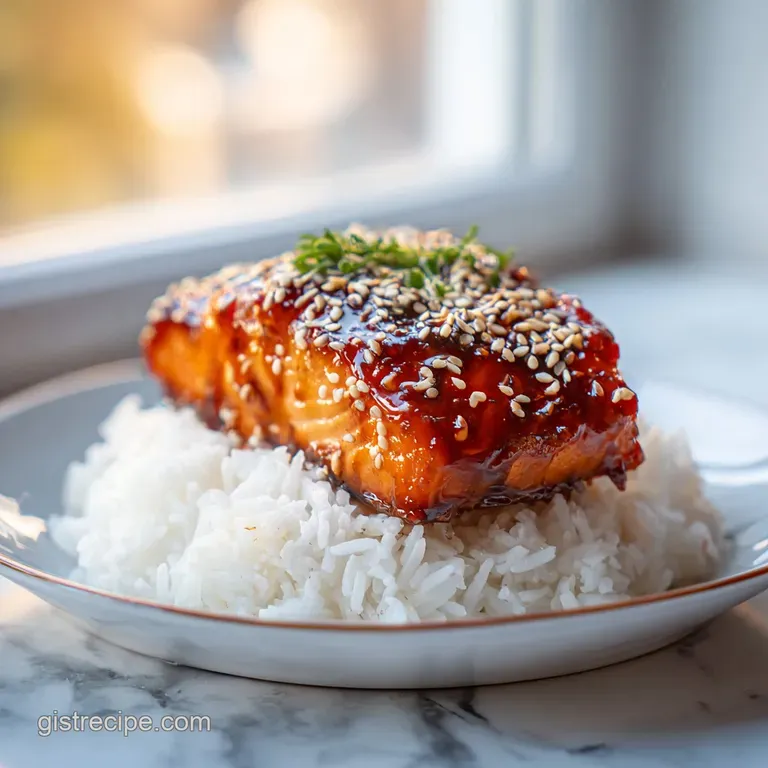
Even the best of us mess up. If your teriyaki glazed salmon bowls aren't looking quite right, it's usually one of these three things.
Troubleshooting Common Issues
| Issue | Solution |
|---|---|
| Why Your Salmon Sticks | If the fish is clinging to the pan, your pan wasn't hot enough. When the oil is shimmering, it creates a barrier. If you put the fish in too early, the protein bonds with the metal. Just wait another |
| Why Your Glaze Is Too Thin | This happens if you didn't simmer the sauce long enough. The honey needs time to concentrate. If it feels like water, just put it back on the heat for 2 more minutes. It should coat the back of a spoo |
| Why Your Rice Is Mushy | Too much water or not enough rinsing. If the rice is a clump, next time try rinsing it three or four times until the water is crystal clear. It makes a massive difference in the final texture. |
Common Mistakes Checklist
- ✓ Didn't pat the salmon dry (results in no crust)
- ✓ Added glaze too early (burnt sugar)
- ✓ Skipped rinsing the rice (gummy texture)
- ✓ Overcrowded the pan (fish steams instead of searing)
- ✓ Ignored the carryover cooking (fish overcooks on the plate)
Different Flavor Twists
The beauty of teriyaki glazed salmon bowls is that they're incredibly flexible. Once you have the base method down, you can really play with the flavors.
If you want something with a bit more punch, try adding a tablespoon of Sriracha or some red pepper flakes to the glaze. This creates a "spicy teriyaki" version that's great for people who find the honey too sweet. For a creamier finish, you can drizzle some of my Cilantro Sauce recipe over the avocado. It adds a bright, herby contrast to the salty soy.
For those who want a "sushi bowl" feel, swap the steamed edamame for pickled ginger and a slice of lemon. The acidity of the lemon cuts through the salmon's fat perfectly. You could even swap the rice for a mix of quinoa and brown rice if you want more fiber.
If you're feeling fancy, try a miso variation. Replace half of the soy sauce with white miso paste. It adds a fermented, salty depth that makes the teriyaki glazed salmon bowls taste like they came from a high end restaurant. Just make sure to whisk the miso thoroughly so you don't get any clumps in your sauce.
Scaling This Recipe
When you're cooking for a crowd, you can't just multiply everything by four and expect it to work the same. There are a few tweaks you need to make.
Scaling Down (for 2 people): Use a smaller skillet so the oil doesn't spread too thin. You can halve the ingredients, but keep the ginger and garlic slightly higher than half - they provide the bulk of the flavor.
Reduce the cooking time for the sauce by about 1 minute, as smaller volumes reduce faster.
Scaling Up (for 8 people): Do not try to sear 8 fillets in one pan. You'll crowd the pan, the temperature will drop, and your salmon will boil in its own juices instead of searing. Work in batches of 3 or 4.
For the sauce, you can double the recipe, but only increase the salt and soy to 1.5x first. Taste it before adding the full amount, as salt concentrates more when you're simmering larger volumes. Use a wider pot for the glaze so the evaporation happens more efficiently.
Truth About Salmon Myths
There are a lot of "rules" about salmon that just aren't true. Let's clear some of them up.
One big myth is that you have to cook salmon until it's opaque all the way through. In reality, salmon is best when it's medium. A slightly translucent center keeps the fish velvety and moist. If you cook it until it's completely solid, it'll be dry and chalky.
Another one is that "searing seals in the juices." This is a total lie. Searing creates flavor through browning, but it doesn't actually create a waterproof seal. The moisture loss happens regardless of the sear.
The reason we do it for teriyaki glazed salmon bowls is for the texture and the taste, not to "lock in" water.
Finally,, some people say you must use expensive wild caught salmon for a "real" bowl. While wild salmon has a stronger flavor, farmed Atlantic salmon is actually better for this specific recipe because it has a higher fat content, which makes the fillets more forgiving and the texture more buttery.
Storage and Waste
If you have leftovers, these teriyaki glazed salmon bowls hold up surprisingly well in the fridge. Store the salmon and rice in one airtight container and keep the fresh veggies (avocado, cucumber) in a separate container.
The cooked salmon and rice will stay good for 3 days in the fridge. When you're ready to eat, reheat the salmon and rice gently. I recommend adding a splash of water to the rice before microwaving it so it steams back to life. Avoid overheating the salmon, or it'll turn into rubber.
For freezing, I'd only freeze the cooked salmon. The rice gets a bit grainy, and the veggies are a no go. Wrap the salmon tightly in foil and freeze for up to 2 months. Thaw it in the fridge overnight before reheating.
To keep things zero waste, don't throw away the salmon skin if you bought skin on fillets. You can crisp it up in a pan with a little salt and use it as a "cracker" to scoop up the rice and avocado. Also, any leftover shredded carrots or cucumber can be tossed into a Classic Coleslaw recipe for a quick side salad.
Plating and Enjoying
The way you build your teriyaki glazed salmon bowls matters more than you'd think. It's all about the architecture.
Start with a wide, shallow bowl. Pack the rice on one side rather than filling the bottom. This keeps the rice from getting too soggy from the sauce and allows the other ingredients to sit on top. Place the salmon fillet slightly overlapping the rice, then nestle your vegetables around the edges.
The colors should pop - the bright orange of the carrots, the deep green of the avocado, and the glossy brown of the salmon. Drizzle any remaining glaze from the pan over the fish and the rice.
Serve these immediately while the fish is still hot and the cucumber is still cold. The contrast in temperature is what makes the dish feel professional. Pair it with a glass of chilled sake or a crisp sparkling water with lime to cut through the richness.
It's a reliable, comforting meal that proves you don't need hours in the kitchen to make something that tastes like a treat.
Recipe FAQs
Can I use a different grain instead of sushi rice?
Yes, brown rice or quinoa work well. If you enjoy the base used in an easy sushi bake, the same grain prep logic applies here for a satisfying bowl.
Why is my teriyaki glaze too thin?
Simmer the sauce for another 2 minutes. The honey needs more time to concentrate and reduce by a third to properly coat the back of a spoon.
Why is my salmon sticking to the pan?
Ensure the oil is shimmering before adding the fish. Placing the salmon in a pan that isn't hot enough causes the proteins to bond with the metal.
How to stop sushi rice from becoming mushy?
Rinse the rice under cold water until clear. This removes excess surface starch that otherwise creates a gummy consistency.
How to store leftovers without ruining the texture?
Place salmon and rice in one airtight container and fresh veggies in a separate one. This keeps the avocado and cucumber crisp for up to 3 days in the fridge.
Is it true that seasoning with salt right before searing makes the fish stick?
No, this is a common misconception. Patting the fillets dry and seasoning with salt and pepper actually helps achieve a better sear.
How to reheat the salmon and rice?
Add a splash of water to the rice before microwaving. Heat the components gently to prevent the salmon from becoming rubbery.
Teriyaki Glazed Salmon Bowls