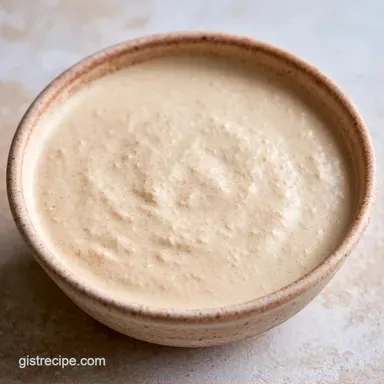
Lemon Tahini Quinoa Dressing: Silky and Tangy
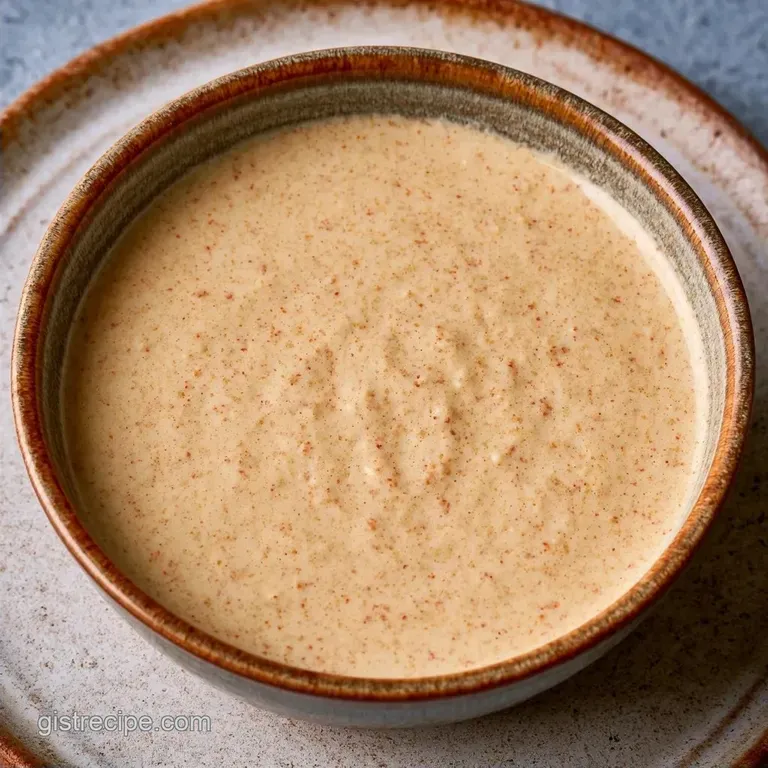
- Time: 5 min active
- Flavor/Texture Hook: Tangy, rich, and silky
- Perfect for: Meal prep and grain bowls
- Easy Tahini Quinoa Dressing for Bowls
- Ingredient Roles and Swaps
- Gear You Will Need
- The Mixing Process
- Fixing Common Dressing Issues
- Troubleshooting Common Issues
- Making it Work for Everyone
- Adjusting the Volume
- Common Kitchen Myths
- Storage and Scrap Tips
- Serving Your Bowls
- Recipe FAQs
- 📝 Recipe Card
The smell of raw garlic hitting fresh lemon juice is a total trigger for me. It takes me straight back to a tiny deli in Tel Aviv where the tahini was just a few ingredients but tasted like a meal on its own. I used to think you needed a high speed blender to get that smooth, restaurant style texture.
I spent way too long shaking jars and hoping for the best.
But you don't actually need fancy gear. A simple whisk and the right temperature of water do all the heavy lifting. This Tahini Quinoa Dressing is all about the contrast between the heavy, nutty base and the bright, sharp citrus.
It's a bold addition to any bowl. You can expect a dressing that clings to grains without making them soggy, balancing a rich mouthfeel with a punchy finish.
Easy Tahini Quinoa Dressing for Bowls
The trick to this recipe is handling the tahini. If you just throw lemon juice into a bowl of tahini, it can often "seize," turning into a thick, clumpy paste that refuses to move. By adding a bit of oil first and then warm water, we keep the fats loose.
Warm Water: Using warm water instead of cold prevents the tahini from tightening up. It helps the oil and lemon juice bond more quickly.
Acid Balance: The mix of apple cider vinegar and lemon juice cuts through the fat. This keeps the dressing from feeling too heavy on the tongue.
Sweetness: A touch of maple syrup doesn't make it a dessert. It just rounds off the bitterness of the sesame seeds.
| Feature | Fast (Whisked) | Classic (Blended) |
|---|---|---|
| Time | 5 minutes | 10 minutes |
| Texture | Smooth, pourable | Aerated, thick |
| Effort | Low (one bowl) | Medium (clean blender) |
| Best For | Quick lunches | Large batches |
Ingredient Roles and Swaps
When picking your tahini, look for the kind that is "runny" or pourable. According to the guides at Serious Eats, the quality of the sesame paste dictates the bitterness of the final sauce. If your tahini has a thick layer of oil at the top, stir it thoroughly before measuring.
| Ingredient | What It Does | Best Swap |
|---|---|---|
| Runny Tahini | Rich, nutty base | Almond butter (nuttier, thicker) |
| Lemon Juice | Bright acidity | Lime juice (more tropical) |
| Maple Syrup | Balances bitterness | Honey (stronger floral notes) |
| Olive Oil | Smooths texture | Avocado oil (neutral flavor) |
Gear You Will Need
You don't need a kitchen full of gadgets for this. A medium mixing bowl is the main event. I prefer a stainless steel one because it doesn't hold onto the garlic smell as much as plastic does.
A balloon whisk is your best friend here. It incorporates air and breaks up any clumps faster than a fork ever could. If you're making this for the week, a glass mason jar is the best way to store it. You can whisk right in the jar if you're feeling lazy.
The Mixing Process
Right then, let's get into the actual mixing. This goes fast, so have your ingredients measured out before you start.
- Pour the tahini, olive oil, lemon juice, and apple cider vinegar into your bowl. Note: Doing this first creates the base emulsion.
- Whisk the mixture vigorously for about 60 seconds until it looks uniform and glossy.
- Add the first tablespoon of warm water. Note: Water should be around 40-50°C.
- Whisk again until the water is fully absorbed.
- Drizzle in the second tablespoon of warm water while whisking.
- Add the final tablespoon of warm water until the dressing reaches a, pourable consistency.
- Stir in the maple syrup. Note: This prevents the syrup from clumping at the bottom.
- Fold in the minced garlic, sea salt, and cracked black pepper.
- Taste the sauce. Note: Add a pinch more salt if the lemon feels too sharp.
- Give it one last stir to distribute the garlic.
Fixing Common Dressing Issues
It's rare, but sometimes the Tahini Quinoa Dressing doesn't behave. Usually, it's a temperature or ratio issue.
Troubleshooting Common Issues
| Issue | Solution |
|---|---|
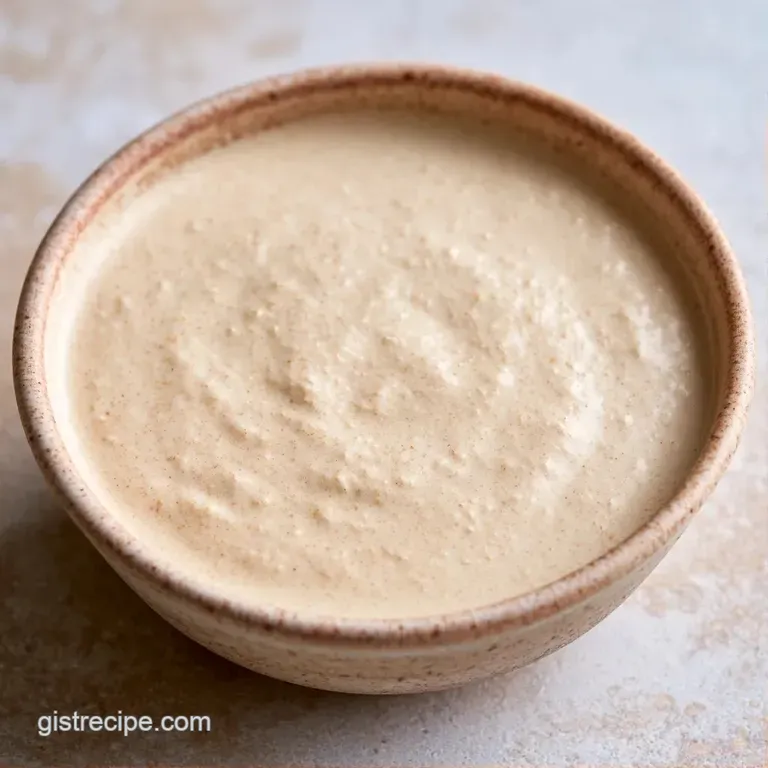
| Why Your Sauce Seized | If the dressing suddenly turns into a thick paste, don't panic. This happens when the acid hits the tahini too fast or the water is too cold. The fats essentially "lock up." |
| Why It Tastes Bitter | Some tahini brands are more bitter than others. If the nuttiness feels overpowering, you just need more balance. A tiny bit more maple syrup or an extra squeeze of lemon usually fixes the profile. |
| Why It Separated | If you see oil pooling on top after a few hours, it's just nature. Tahini is an emulsion, and those can break over time. A quick shake or a 10 second whisk brings it right back. |
Making it Work for Everyone
This Quinoa Bowl Dressing is already vegan and gluten-free, but you can tweak it further. If you want to reduce the calories, you can swap the olive oil for a bit of unsweetened applesauce or just omit it. The tahini has enough fat to carry the flavor on its own.
For a dairy-free creaminess that feels even heavier, whisk in a tablespoon of Greek yogurt or a cashew cream. If you're prepping for the week, this goes great with my chicken quinoa bowl meal prep.
If you need a nut free version, stick with the tahini as it's a seed, but always check your labels for cross contamination. For a spicy kick, a pinch of smoked paprika or a teaspoon of Sriracha works wonders.
Adjusting the Volume
If you're just making this for yourself, you can easily scale it down. For a half batch, use 1/4 cup of tahini and 1 tablespoon of oil. I'd suggest using half a clove of garlic, as a full clove can overwhelm a smaller amount of sauce.
When doubling or tripling the recipe for a party, don't just multiply everything by three. I find that salt and garlic can become too intense in large batches. Multiply the tahini, oil, and water normally, but only increase the salt and garlic by 1.5x. You can always add more at the end, but you can't take it out.
| Batch Size | Tahini Amount | Garlic Amount | Water Ratio |
|---|---|---|---|
| Single (8 serv) | 1/2 cup | 1 clove | 3 tbsp |
| Half (4 serv) | 1/4 cup | 1/2 clove | 1.5 tbsp |
| Double (16 serv) | 1 cup | 1.5 cloves | 5-6 tbsp |
Common Kitchen Myths
Some people think you have to "toast" your tahini before using it in a dressing. That's not true. Most commercial tahini is already made from toasted sesame seeds. Heating it further can actually make it taste burnt.
Another myth is that you need to add a stabilizer like xanthan gum to keep a Tahini Quinoa Dressing from separating. While that works for store-bought bottles, a homemade sauce is meant to be shaken. The natural lecithin in the sesame seeds does a decent job on its own.
Storage and Scrap Tips
Store this in a glass jar in the fridge for up to 7 days. It will thicken as it chills, which is normal. Just stir in a teaspoon of warm water before serving to loosen it back up.
Don't toss your lemon halves. After you squeeze the juice for the dressing, toss the rinds into a freezer bag. Once you have a few, you can simmer them with water and sugar for a quick syrup. Also, if you have leftover minced garlic, store it in a small jar covered in olive oil to keep it fresh for a few more days.
Serving Your Bowls
The best way to use this Tahini Quinoa Dressing is as a contrast to roasted vegetables. The richness of the sauce loves the charred edges of cauliflower or carrots. I like to drizzle it over a base of fluffy quinoa, then add sliced cucumbers and pickled red onions for a bright, acidic crunch.
For a full meal, pair it with some homemade falafel. The crunch of the falafel against the creamy sauce is a win every time. You can also use it as a dip for raw bell peppers or as a spread for a wrap.
If you're using it for a roasted vegetable quinoa bowl dressing, try adding the sauce while the vegetables are still warm. This allows the dressing to soak into the grains, making the whole dish feel more cohesive. Trust me, it's way better than just plopping a cold dollop on top at the end.
Recipe FAQs
What is your favorite meal featuring quinoa?
A fresh nutrient dense grain bowl. Combine cooked quinoa with kale, chickpeas, and a generous drizzle of this tahini dressing for a satisfying meal.
Which are the best quinoa recipes for vegetarians?
Quinoa salads and protein bowls. These options are most successful when paired with a rich, savory topping like this creamy tahini sauce.
What can I add to cooked quinoa?
Fresh vegetables, seeds, and bold dressings. Stir in a homemade corn salsa and a drizzle of this tahini sauce for a bright, zesty contrast.
What are some quinoa recipes that do not taste bland?
Recipes utilizing acidic, creamy sauces. The combination of lemon juice and apple cider vinegar in this dressing cuts through the earthiness of the grain to eliminate blandness.
What are your top 3 favorite quinoa recipes for weight loss?
Quinoa power bowls, veggie salads, and stuffed peppers. These focus on high fiber and healthy fats from ingredients like tahini and olive oil to keep you full.
What is a good vegetarian dish that uses quinoa?
A Mediterranean quinoa bowl. Toss the cooked grain with cucumber, kalamata olives, and this dressing for a complete, plant based protein dish.
Why did my dressing seize into a thick paste?
The fats locked up. This happens if the acid is added too quickly or the water is too cold; slowly whisk in more warm water to restore a silky consistency.
Tahini Quinoa Dressing