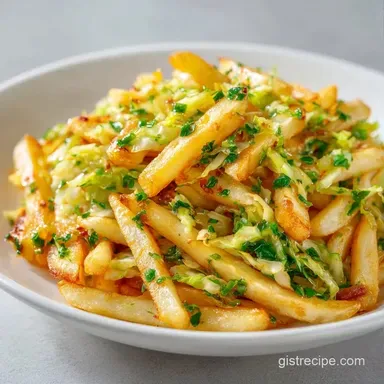
Simple Cabbage Potato Stir Fry: Tender and Browned
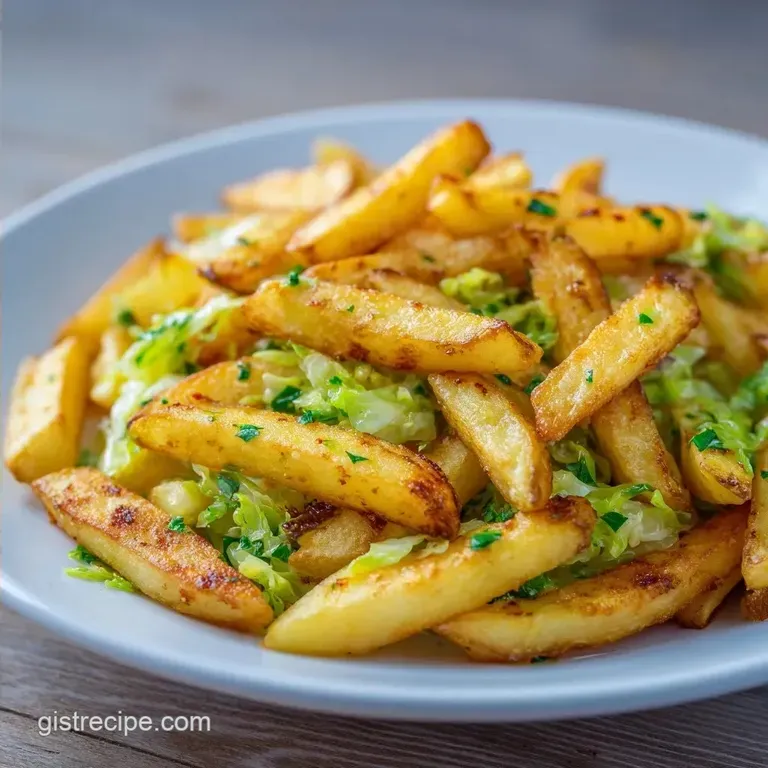
- Time: 10 min active + 25 min cooking
- Flavor/Texture Hook: Mahogany browned potatoes and glossy, translucent cabbage
- Perfect for: Budget-friendly weeknight sides or vegetarian mains
Ever wondered why some vegetable stir fries taste like soggy cardboard while others have that deep, caramelized punch? It usually comes down to how the potatoes are handled. Most people just toss everything in a pan and hope for the best, but that's a recipe for mush.
The secret is all in the timing and the cut. When you slice potatoes into thin matchsticks and let them sit undisturbed in hot oil, you get a shatter crisp edge that holds up even after the sauce hits. It transforms a few humble ingredients into something that feels intentional.
This Simple Cabbage Potato Stir Fry is my go to when the fridge is looking empty. It's a bold, vibrant dish that relies on a few pantry staples to create layers of flavor. You'll get the sweetness of the onion, the zing of rice vinegar, and a savory soy finish that ties it all together.
Simple Cabbage Potato Stir Fry
The magic of this dish happens in the transition from the searing stage to the glazing stage. If you rush the potatoes, they stay raw in the middle. If you overcook the cabbage, it turns into a paste. You want that specific point where the cabbage is just wilting but still has a slight snap to it.
I once tried making this by boiling the potatoes first to "save time." Huge mistake. The potatoes absorbed too much water, and they never browned. They just steamed in the pan. Now, I always start them raw in the oil. It takes a few more minutes, but the texture difference is night and day.
To get the most out of this, keep your heat medium high. You want to hear a constant sizzle. If the pan goes quiet, your vegetables are steaming, not frying. Keep things moving once the cabbage goes in, but give those potatoes their space at the beginning.
The Secret to Better Texture
Getting the balance of "crispy yet tender" requires a bit of heat management. Here is what is actually happening in your pan:
- Starch Gelatinization: Searing the potatoes first creates a crust that prevents them from absorbing too much sauce later.
- Cellular Breakdown: Cabbage has a high water content. High heat evaporates that moisture quickly, preventing the "soggy" effect.
- Sugar Caramelization: The small amount of sugar in the glaze reacts with the soy sauce under high heat to create a glossy, sticky coating.
- Acidic Balance: Rice vinegar cuts through the oil and the starch of the potato, brightening the overall flavor profile.
| Method | Time | Texture | Best For |
|---|---|---|---|
| Fresh Stir Fry | 35 mins | Crisp and glossy | Immediate serving |
| Pre steamed | 20 mins | Soft and uniform | Meal prep |
| Slow Cooked | 2 hours | Melt in-mouth | Stew like consistency |
Component Analysis
Understanding your ingredients helps you pivot if you're missing something. Here is the breakdown of what each part does for the dish.
| Ingredient | Science Role | Pro Secret |
|---|---|---|
| Yukon Gold | High starch, low water | Better browning than Russets |
| Green Cabbage | Sulfur based flavor | Shred thinly for faster wilting |
| Rice Vinegar | pH balancer | Adds a "bright" finish to heavy starch |
| Soy Sauce | Umami source | Use tamari for a gluten-free version |
Your Pantry Essentials
Grab these before you turn on the stove. I've listed the exact amounts from my tested batch.
- 1/2 medium head (450g) green cabbage, thinly shredded Why this? Provides the bulk and a slight peppery sweetness
- 2 medium (340g) Yukon Gold potatoes, julienned into matchsticks Why this? According to Serious Eats, Yukon Golds have a creamy texture that holds its shape
- 1 medium (110g) yellow onion, thinly sliced Why this? Adds a savory, aromatic base
- 3 cloves (9g) garlic, minced Why this? Essential pungent depth
- 1 tsp (5g) fresh ginger, grated Why this? Adds a warm, spicy kick
- 2 tbsp (30ml) neutral oil Why this? High smoke point prevents burning
- 2 tbsp (30ml) soy sauce Why this? Salt and depth
- 1/2 tsp (2g) black pepper Why this? Mild heat and aroma
- 1 tsp (5g) sugar Why this? Balances the vinegar and aids browning
- 1 tbsp (15ml) rice vinegar Why this? Cuts through the richness
| Original Ingredient | Substitute | Why It Works |
|---|---|---|
| Yukon Gold Potatoes | Red Potatoes | Similar waxiness. Note: Skin is thinner, so no need to peel |
| Green Cabbage | Savoy Cabbage | More crinkled leaves. Note: Slightly sweeter, more delicate texture |
| Rice Vinegar | Apple Cider Vinegar | Similar acidity. Note: Adds a fruitier note to the finish |
| Soy Sauce | Coconut Aminos | Lower sodium. Note: Slightly sweeter, less "salty" punch |
Necessary Kitchen Gear
You don't need a professional setup, but the right pan makes a difference. A large wok is the gold standard because the sloping sides allow you to toss vegetables easily. If you don't have one, a heavy bottomed cast iron skillet is your next best bet.
It holds heat much better than thin stainless steel, which is key for those mahogany potatoes.
I also recommend a sharp chef's knife. Since we are doing julienne cuts for the potatoes, a dull blade will just squash them. If you're not confident with a knife, a mandoline slicer is a huge time saver for the cabbage and potatoes, just use the guard. Trust me on that.
Step-by-step Cooking Guide
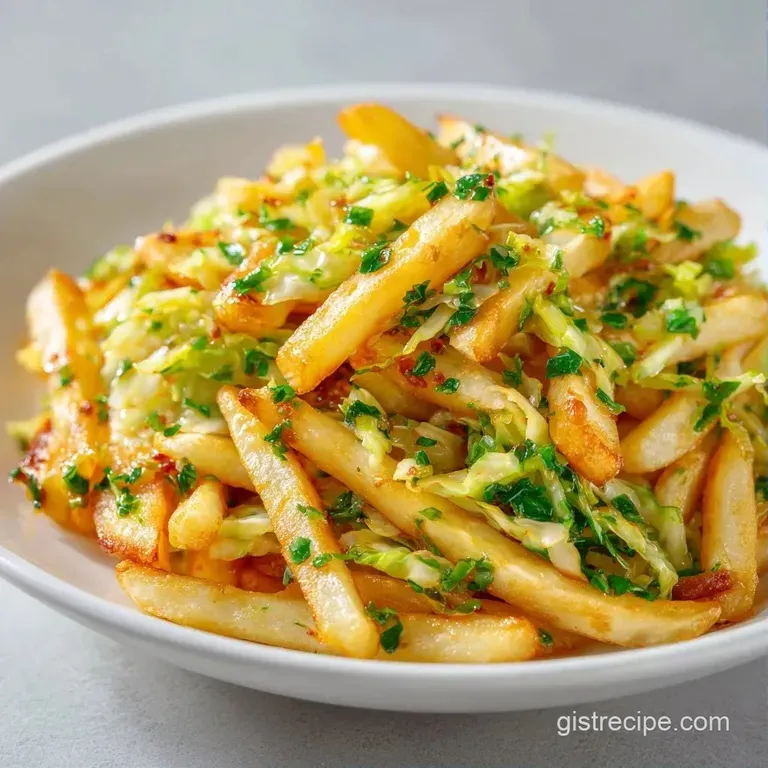
Let's get into it. Follow these steps exactly to ensure the textures stay distinct.
- Prepare the produce. Wash and peel the potatoes, slicing them into thin matchsticks. Shred the cabbage into thin ribbons and slice the onion into half moons. Note: Keep the cut potatoes in a bowl of cold water if you aren't cooking them immediately to prevent browning.
- Heat the oil. Pour 2 tbsp oil into your wok or skillet over medium high heat until it starts shimmering.
- Sear the potatoes. Add the potato matchsticks in a single layer and fry without stirring for 3 minutes, then toss and cook for another 3-5 minutes until edges are mahogany colored.
- Sauté the onions. Stir in the sliced onions and cook for 2-3 minutes until they become translucent.
- Wilt the greens. Add the shredded cabbage, garlic, and ginger. Toss frequently for 5-7 minutes until the cabbage softens and turns translucent green.
- Mix the glaze. In a small bowl, whisk together the soy sauce, rice vinegar, sugar, and black pepper.
- Reduce the sauce. Drizzle the mixture over the vegetables. Stir fry on high heat for 2-3 minutes until the sauce reduces and coats everything in a glossy sheen.
- Finish. Remove from heat immediately to prevent the cabbage from overcooking.
Fixes for Common Issues
Even with a plan, things happen. The most common issue is the "soggy" factor. If your vegetables are releasing too much water, your heat is too low. You want the water to evaporate the moment it hits the pan.
Troubleshooting Common Issues
| Issue | Solution |
|---|---|
| Why Your Potatoes Are Mushy | This usually happens if you stir the potatoes too often. Every time you move them, you break the crust and release starch. Let them sit for those first 3 minutes to build a barrier. |
| Why Your Garlic Tastes Bitter | Garlic burns in seconds. If you add it too early in the process, it turns black and bitter. |
| Why the Sauce Is Too Watery | If the sauce isn't clinging to the veg, you didn't cook it on high heat at the end. The sugar needs to bubble and thicken to create that glaze. |
Mistakes Checklist:
- ✓ Did you let the potatoes sear undisturbed for 3 minutes?
- ✓ Is the cabbage shredded thinly enough to wilt quickly?
- ✓ Did you add the garlic late enough to avoid burning?
- ✓ Is the pan hot enough that the vegetables sizzle on contact?
- ✓ Did you reduce the sauce on high heat until glossy?
Creative Ways to Adapt
The beauty of this Simple Cabbage Potato Stir Fry is how easily it bends to your taste. If you want to change the flavor profile, you only need to swap a few ingredients. For a more savory, rich version, you could stir in a bit of Creamy Garlic Sauce right at the end, though that will move it away from the traditional stir fry vibe.
Adding a Punjabi Twist
To make this like a Cabbage Sabzi, swap the soy sauce and rice vinegar for 1 tsp turmeric, 1 tsp cumin seeds, and a pinch of garam masala. Use oil or ghee for frying.
Creating a Chinese Flare
Add a teaspoon of toasted sesame oil and a handful of toasted sesame seeds during the final glaze step. You can also add a splash of oyster sauce for a deeper, saltier profile.
Boosting the Protein
This is a great base for a full meal. Toss in some cubed tofu or thinly sliced chicken breast. If using meat, sear it first, remove it from the pan, and add it back in during the final glazing step.
Increasing the Heat
If you like a kick, add two minced Thai bird's eye chilies along with the garlic and ginger. Alternatively, drizzle some Sriracha or chili oil over the finished plate.
Saving and Reheating Tips
This dish is best eaten fresh, but it holds up surprisingly well for a few days. Store it in an airtight container in the fridge for up to 4 days.
When reheating, avoid the microwave if you can. Microwaving makes the potatoes soft and the cabbage watery. Instead, toss it back into a hot skillet for 3-5 minutes. This helps evaporate any moisture that settled during storage and brings back some of that sear.
For zero waste, don't throw away the cabbage core! Thinly slice the core and add it in with the onions. It has a denser, crunchier texture that adds great contrast. If you have leftover potato peels, toss them in oil and salt and bake them at 200°C for 10 minutes for a quick snack.
Best Ways to Serve
While this is a stellar side dish, it can easily be the star of the show. I love serving it over a bed of steamed jasmine rice or with warm flatbread. The rice absorbs the leftover glossy sauce from the bottom of the bowl.
For a more substantial dinner, pair it with a protein. This pairs perfectly with a Stove top Steak or some grilled salmon. The acidity of the vinegar in the stir fry cuts right through the richness of the meat.
If you're keeping it vegetarian, top the dish with a fried egg. The runny yolk creates a secondary sauce that mixes with the soy and ginger, making the whole meal feel much more indulgent. Just make sure the egg is fried in a very hot pan so the edges are crispy.
Recipe FAQs
How do you cook cabbage and potatoes?
Fry potato matchsticks in oil for 3 minutes without stirring, then toss for 3-5 minutes. Stir in onions, cabbage, garlic, and ginger until soft, then finish with soy sauce, rice vinegar, sugar, and pepper on high heat.
Is this simple cabbage potato stir fry vegetarian?
Yes, it is fully vegetarian. It relies on Yukon Gold potatoes and green cabbage for bulk, with soy sauce and rice vinegar for savory depth. If you enjoy these fresh vegetable textures, you'll love the crunch in our classic coleslaw.
Is this a Chinese style cabbage potato stir fry?
Yes, the flavor profile is inspired by Chinese stir fry techniques. The use of ginger, garlic, soy sauce, and a high heat finish in a wok creates a traditional East Asian glaze.
What are some uses for leftover cooked cabbage?
Toss it into a morning hash or a hearty soup. You can also reheat it in a skillet with a splash of water to refresh the glossy finish.
Why are my potatoes mushy in the stir fry?
You likely stirred the potatoes too often. Let them sit undisturbed for the first 3 minutes to build a crisp crust and prevent the release of excess starch.
How do I prevent the garlic from tasting bitter?
Add the garlic after the potatoes and onions have cooked. Garlic burns quickly, so adding it later in the process ensures it becomes fragrant without turning black.
Why is my stir fry sauce too watery?
The heat was likely too low during the final stage. Crank the heat to high for the last 2-3 minutes so the sugar bubbles and reduces into a thick, glossy glaze.
Simple Cabbage Potato Stir Fry