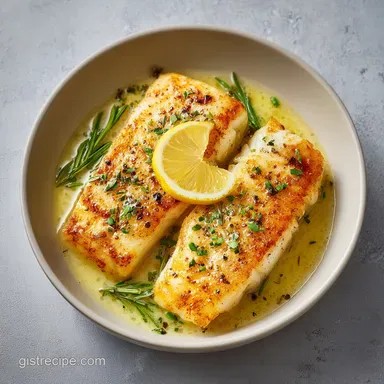
Zesty Lemon Butter Fish: Silky and Bold
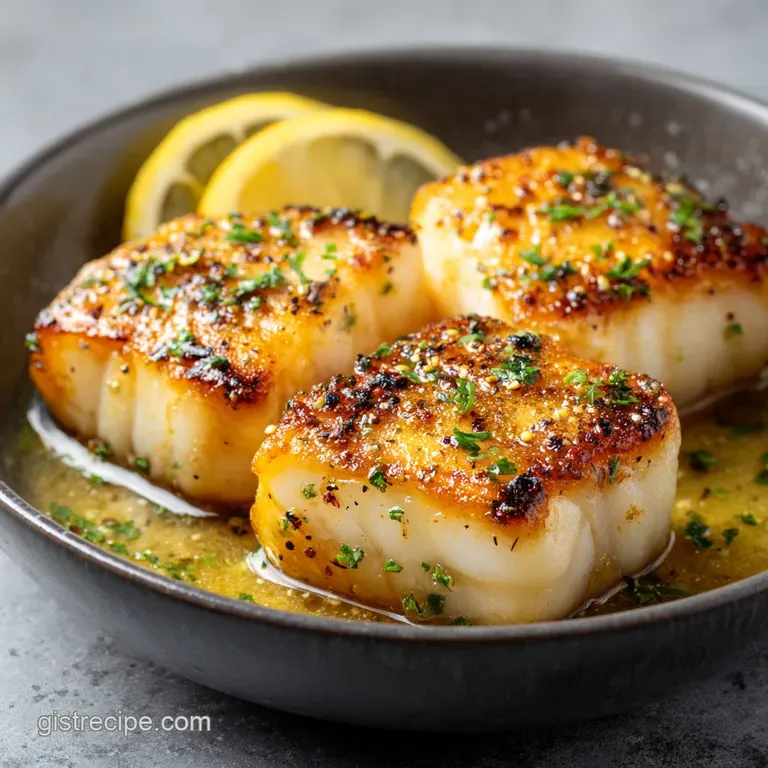
- Time: 10 min active + 15 min cook = 25 mins total
- Flavor/Texture Hook: Zesty, buttery, and silky
- Perfect for: Busy weeknights or a comforting family meal
- The Secrets to Lemon Butter Fish
- How These Flavors Work
- Detailed Component Analysis
- Pantry Essentials and Swaps
- Necessary Kitchen Gear
- Step-by-Step Cooking Guide
- Solving Common Kitchen Glitches
- Adjusting the Batch Size
- Debunking Fish Cooking Lore
- Storage and Waste Tips
- Serving Your Finished Plate
- Recipe FAQs
- 📝 Recipe Card
The Secrets to Lemon Butter Fish
That first sizzle when the fillets hit the hot oil is where the magic starts. I remember the first time I tried this - I was in a rush and didn't bother drying the fish. The result? A soggy, pale mess that stuck to the pan like glue.
It was a total disaster, but it taught me the most important lesson: moisture is the enemy of a good sear.
Now, I always take an extra minute to pat the fillets bone dry. It makes all the difference. When you combine that dry surface with a light dusting of flour, you get this gorgeous, golden brown exterior that just screams comfort.
It's not about being fancy, it's about getting that reliable, home cooked flavor that everyone loves.
This Lemon Butter Fish is my go to because it's practically foolproof once you know the tricks. You're looking for a fish that flakes easily and a sauce that coats the back of a spoon. Trust me on this, the simplicity is what makes it work.
How These Flavors Work
- The Flour Shield: A light coating of flour prevents the fish from sticking and creates a textured surface that grabs the sauce.
- Fat Acid Balance: The richness of the butter is cut right through by the lemon juice, preventing the dish from feeling too heavy.
- Aromatic Base: Sautéing garlic in butter before adding the liquid infuses the entire sauce with a warm, savory depth.
- Residual Heat: Letting the fish rest for a minute allows the juices to redistribute, ensuring a velvety texture.
| Method | Time | Texture | Best For |
|---|---|---|---|
| Pan Sear | 15 min | Golden & Crisp | Quick weeknights |
| Oven Bake | 20 min | Soft & Flaky | Hands off cooking |
| Poached | 12 min | Tender & Silky | Very delicate fish |
Detailed Component Analysis
| Ingredient | Science Role | Pro Secret |
|---|---|---|
| All Purpose Flour | Starch Barrier | Shake off every bit of excess to avoid a "pasty" crust |
| Unsalted Butter | Emulsifier | Use unsalted so you can control the sea salt levels |
| Fresh Lemon | Acid Catalyst | Use the zest for aroma and the juice for brightness |
| White Fish | Protein Base | Cold fillets sear better than room temperature ones |
Pantry Essentials and Swaps
For the fish, I usually grab Cod or Halibut for something meaty, or Tilapia if I'm watching the budget. You'll need 1.5 lb of white fish fillets. Why this? Thick fillets handle the heat better without overcooking.
Then there's the pantry stuff: 2 tbsp olive oil, ½ tsp sea salt, and ¼ tsp cracked black pepper. For the dredging, use ¼ cup all purpose flour. Why this? It creates that thin, crisp layer.
The sauce needs 3 tbsp unsalted butter, 3 cloves of minced garlic, 2 tbsp fresh lemon juice, 1 tbsp lemon zest, and 1 tbsp chopped fresh parsley. Why this? Fresh parsley adds a pop of color and a clean, herbal finish.
| Original Ingredient | Substitute | Why It Works |
|---|---|---|
| Unsalted Butter | Ghee (clarified butter) | Higher smoke point. Note: Slightly nuttier flavor |
| All Purpose Flour | Cornstarch | gluten-free option. Note: Creates a thinner, crispier crust |
| Fresh Parsley | Dried Oregano | Earthy alternative. Note: Use only 1 tsp as it's more potent |
| White Fish | Salmon | Richer fat content. Note: Needs slightly longer cook time |
Honestly, don't even bother with low-fat butter here. You need that fat to carry the lemon flavor and give the sauce its silky body. If you're looking for something even more hearty, you might like my Baked Walleye Pike recipe, which uses similar citrus notes but a different heat approach.
Necessary Kitchen Gear
You don't need a professional kitchen for this. A 12 inch skillet is the real MVP here. I prefer stainless steel or cast iron because they hold heat much better than non stick, which helps in getting that mahogany color on the fish.
You'll also want a whisk or a fork for the sauce and a set of paper towels. Don't skip the paper towels - I've mentioned this, but I can't stress it enough. Dry fish equals a better sear.
Finally, a small bowl for the flour makes the dredging process much cleaner. No one likes a flour covered countertop at 6 PM on a Tuesday.
Step-by-step Cooking Guide
- Pat each fish fillet dry with paper towels and season evenly with salt and pepper. Note: Removing surface moisture prevents steaming.
- Lightly dredge each side of the fillets in flour, shaking off any excess. Note: You only want a ghostly thin layer.
- Heat olive oil over medium high heat in a 12 inch skillet until it shimmers. Note: If the oil smokes, it's too hot; turn it down.
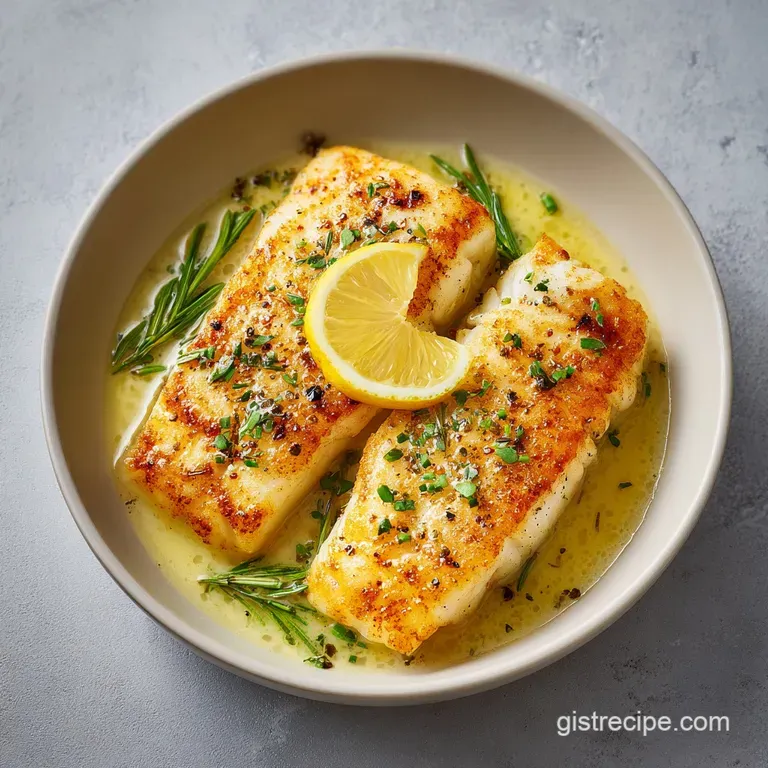
- Lay the fillets in the pan and cook for 3-5 minutes per side until the edges are mahogany colored and the fish flakes easily with a fork.
- Remove the fillets from the pan and set them on a warm plate. Note: This prevents them from overcooking while you make the sauce.
- Reduce heat to medium. Add the butter and minced garlic to the same pan.
- Once the butter bubbles and smells nutty (about 1 minute), whisk in the lemon juice and zest. Note: Don't let the garlic brown too much or it will turn bitter.
- Simmer for 30 seconds, then stir in the chopped parsley.
- Pour the lemon butter sauce directly over the seared fish fillets. Note: Do this immediately for the best temperature contrast.
Chef's Note: To get a really deep flavor, try adding a pinch of paprika to the flour. It doesn't change the taste much, but it gives the butter fish fillet a stunning golden glow.
Solving Common Kitchen Glitches
It's easy to get discouraged when things don't look like the picture, but most fish mishaps are easy to fix. If you're seeing the sauce separate or the fish sticking, it usually comes down to temperature.
Reasons Your Fish Stuck
This usually happens if the pan wasn't hot enough or the fish was too wet. If it happens, don't panic and don't yank the fish. Let it cook for another minute; often, the fish will "release" itself once a proper crust has formed.
Causes of Broken Sauce
If your sauce looks oily rather than velvety, you've likely overheated the butter. The emulsion between the lemon juice and the butter has broken. You can often fix this by whisking in a teaspoon of cold water or a tiny knob of cold butter off the heat.
| Problem | Root Cause | Solution |
|---|---|---|
| Fish is rubbery | Overcooked | Pull fish off heat as soon as it flakes |
| Sauce is too tart | Too much lemon | Stir in an extra teaspoon of butter |
| Flour is clumping | Too much flour | Shake fillets more vigorously before frying |
Reliability Checklist:
- ✓ Fillets are patted completely dry
- ✓ Oil is shimmering, not smoking
- ✓ Flour layer is translucent, not thick
- ✓ Butter is bubbling but not brown
- ✓ Fish is removed before it looks fully done (carryover cooking)
Adjusting the Batch Size
If you're just cooking for yourself, cutting the recipe in half is simple. Use a smaller skillet (about 8 or 10 inches) so the butter doesn't spread too thin and burn. Reduce the cook time by about 20% since smaller portions often cook faster.
When scaling up for a crowd, don't just double everything in one pan. You'll crowd the skillet, the temperature will drop, and you'll end up boiling your fish in its own juices instead of searing it. Work in batches.
For the sauce, you can double the ingredients, but only increase the salt and pepper by about 1.5x. Liquids like lemon juice scale linearly, but spices can become overpowering if you just multiply them.
| Goal | Action | Result |
|---|---|---|
| Half Batch | Use 8 inch pan | Faster cook, same crust |
| Double Batch | Cook in 2 turns | Prevents steaming |
| Extra Sauce | Add 1 tbsp butter | More velvety finish |
Debunking Fish Cooking Lore
You've probably heard that searing fish "seals in the juices." This is actually a myth. Moisture loss happens regardless of whether you sear or poach. The real reason we sear this Lemon Butter Fish is for the flavor and texture - that golden crust adds a savory depth that you just can't get any other way.
Another common misconception is that you need to "rest" fish like you do a steak. While a minute or two doesn't hurt, fish doesn't have the same muscle structure as beef. If you let it rest too long, the carryover heat will actually overcook the center and make it dry.
Storage and Waste Tips
If you have leftovers, store them in an airtight container in the fridge for up to 2 days. To reheat, avoid the microwave if you can. A over low heat pan with a splash of water or a tiny bit of extra butter will bring back that velvety texture without toughening the protein.
Don't throw away the fish scraps! If you're using whole fillets and have trimmed bits, toss them in a freezer bag. Once you have a handful, simmer them with some onion skins and celery to make a quick fish stock.
Also, save your lemon peels. If you have leftover zest or peels, you can toss them into a jar of sugar to make lemon sugar for your morning toast or coffee.
Serving Your Finished Plate
This dish is light, so it needs a side that can handle the butter sauce. I love serving it alongside steamed asparagus or a pile of garlicky sautéed spinach. If you want something more filling, a bed of fluffy jasmine rice or roasted fingerling potatoes works wonders.
For a more casual vibe, you can flake the cooked fish and use the sauce as a base for Crispy Fish Tacos. Just add some shredded cabbage and a dollop of sour cream to balance the richness.
Right then, you've got a reliable, comforting meal that tastes like it took hours but only took 25 minutes. Whether you're using a simple butter fish fillet or something more premium, the key is in the prep. Enjoy that sizzle!
Recipe FAQs
Can I use salmon instead of white fish?
Yes, though it will be richer. If you prefer that fish, you can apply a similar searing method as seen in our salmon bites.
Why is my fish sticking to the pan?
Ensure the olive oil is shimmering before adding the fillets. Adding fish to cold oil or failing to pat the fillets dry causes them to cling to the skillet.
Is it true that I must skip the flour to keep the dish light?
No, this is a common misconception. A thin layer of flour creates the mahogany crust and helps the lemon butter sauce adhere to the fish.
How to tell when the fish is done?
Press the fillet with a fork to see if it flakes easily. The edges should be mahogany-colored after cooking for 3–5 minutes per side.
How to reheat the leftovers?
Heat in a pan over low heat with a tiny bit of extra butter. This restores the velvety texture without toughening the fish, which often happens in a microwave.
Which white fish works best for this recipe?
Cod, halibut, or tilapia are the best choices. These fillets hold up well to the dredging and searing process.
Why should I pat the fillets dry before seasoning?
Remove surface moisture to prevent the fish from steaming. This ensures you get a proper mahogany sear in the olive oil.
Lemon Butter Fish in 22 Minutes