Beef and Broccoli Sauce in 10 Minutes

- Total10 Mins
- Servings4
- Calories84 kcal
- Time: 5 min active + 5 min cooking
- Texture: Glossy and thick
- Serve with: Steamed jasmine rice or brown rice
Easy Homemade Beef and Broccoli Sauce
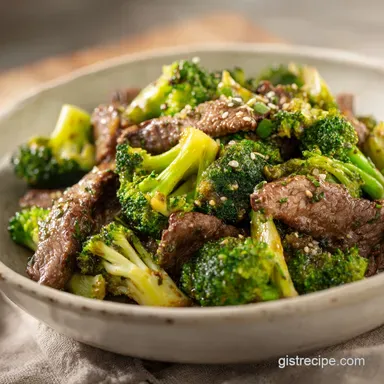
Have you ever noticed the rich brown sheen that clings to beef in restaurant stir-fry? It’s not the result of fancy equipment, but rather the precise timing of the thickener.
This beef and broccoli sauce blends a bold, salty punch with a touch of sweetness. It provides a velvety finish that mimics professional takeout, yet takes only ten minutes to prepare from scratch.
Use this as a glaze for a classic stir-fry or as a versatile base for other beef recipes. It ensures a rich, polished result using very few tools.
How It Comes Together
- Cold Blending: Whisking the cornstarch into the cold liquids stops it from clumping. If you add it to hot liquid, you'll get tiny flour balls that won't dissolve.
- The Simmer: Heating the sauce gently until it turns translucent creates that signature shine. Once it clears and thickens, it is ready to pour.
The Ingredients You Need
For the base, low-sodium soy sauce provides the salt and the deep color. Brown sugar adds a subtle sweetness and a rich molasses flavor. Sesame oil brings a toasted, nutty aroma that defines the dish.
Fresh ginger and garlic are the aromatic core. Grating the ginger and mincing the garlic ensures the flavor distributes evenly throughout the glaze. Cornstarch is the structural element, turning a thin liquid into a pourable sauce.
Ingredients
- 1/2 cup low-sodium soy sauce Why this? Provides salt and the deep brown color
- 1/4 cup water or low-sodium beef broth Why this? Balances the intensity of the soy
- 2 tbsp brown sugar, packed Why this? Adds sweetness and a rich glow
- 1 tbsp sesame oil Why this? Adds a nutty, toasted aroma
- 1 tsp freshly grated ginger Why this? Brings a bright, peppery heat
- 3 cloves garlic, minced Why this? Essential aromatic depth
- 1 tbsp cornstarch Why this? Thickens the sauce into a glaze
Step-by-step Cooking Guide
Phase 1: The Cold Blend
In a mixing bowl, whisk together the 1/2 cup low-sodium soy sauce, 1/4 cup water or broth, 2 tbsp brown sugar, and 1 tbsp sesame oil. Stir until the sugar has completely dissolved.
Phase 2: The Aromatics
Stir in the 3 cloves of minced garlic and 1 tsp of grated ginger. Make sure the bits of garlic and ginger are evenly distributed and not clumped together.

Phase 3: The Slurry Integration
Add the 1 tbsp of cornstarch to the mixture. Whisk vigorously until no lumps remain.
Chef: For the beef, freeze your steak for 20-30 minutes before slicing. This makes it easier to get those paper-thin strips that cook in seconds. Flank steak or sirloin work best here.
Phase 4: The Reduction
Pour the mixture into a small saucepan over medium heat. Bring the liquid to a gentle simmer, stirring constantly for 2–3 minutes.
Cook until the sauce thickens and becomes translucent and glossy. Remove it from the heat immediately so it doesn't become too thick.

Simple Flavor Changes
If you want a bit of heat, you can make a spicy beef and broccoli sauce by adding 1 tsp of red pepper flakes or a squeeze of Sriracha during the simmering phase.
For a gluten-free beef and broccoli sauce, swap the soy sauce for tamari (labelled gluten-free) or coconut aminos. The consistency remains the same, though coconut aminos are slightly sweeter, so you might reduce the brown sugar by a teaspoon.
For this gluten-free version, also use products labelled gluten-free for the broth or stock.
You might notice this is a beef and broccoli sauce without oyster sauce. The combination of brown sugar and soy sauce mimics that depth and color without needing extra ingredients.
If you enjoy other vegetable-heavy meals, you might like a Broccoli Casserole recipe for a different way to use your produce.
Storage and Reheating

Keep the cooled sauce in a sealed glass jar in the refrigerator. It stays fresh for 3 to 4 days, as per USDA guidelines for leftovers.
If you need to store it longer, you can put it in a freezer-safe container for up to 3 months. Thaw it overnight in the fridge before you plan to use it.
To reheat, pour the sauce into a small pan over medium-low heat. Cornstarch tends to settle at the bottom when cold, so stir it vigorously as it warms up. Stirring spreads the starch back through the sauce so it pours smoothly. For safety, ensure reheated leftovers reach 165°F (74°C) as recommended by the CDC.
Very High in Sodium
1175 mg(51% )
American Heart Association recommendation: no more than 2,300 mg of sodium per day
Tips to Reduce Sodium
-
Swap Soy Sauce
Replace the low-sodium soy sauce with coconut aminos, which provides a similar savory flavor with much less sodium.
-
Use Unsalted Broth
Substitute the low-sodium beef broth with water or an unsalted homemade stock to eliminate added salts.
-
Add a Touch of Acid
Squeeze in some fresh lime juice or a splash of rice vinegar to brighten the sauce and mimic the taste of salt.
-
Amplify Aromatics
Double the amount of freshly grated ginger and minced garlic to create a bolder flavor profile that reduces the reliance on salty sauces.
-
Incorporate Fresh Herbs
Finish the dish with freshly chopped green onions or cilantro to add fresh, savory notes without adding sodium.
Questions Readers Ask
Is Chinese style beef and broccoli healthy?
It depends on your dietary goals. Using low-sodium soy sauce helps manage salt intake, although the brown sugar adds calories.
How to make your stir fry sauce?
Whisk soy sauce, water or broth, brown sugar, and sesame oil together. Stir in minced garlic and ginger, then mix in cornstarch and simmer over medium heat for 2–3 minutes.
Why does the sauce turn gluey, and is the cornstarch amount too high?
Cooking the cornstarch just until it thickens and turns translucent gives a smooth, glossy sauce. Remove the sauce from the heat immediately once it becomes translucent and glossy.
How can the sauce be less salty without losing flavor?
Use low-sodium soy sauce. You can also increase the amount of water or beef broth to further dilute the saltiness.
Can chicken or ground beef be used instead of steak, and how does the timing change?
Yes, other proteins work well. Sear the alternative proteins in the pan first before adding the sauce to thicken.
Does the dish, or its sauce, freeze well for later?
Yes, the sauce freezes effectively. Store it in a freezer-safe container for up to 3 months and thaw overnight in the fridge.
Why is the beef tough, and which cut or slicing method helps?
Slice the meat against the grain. This technique breaks up tough muscle fibers, which makes the meat feel more tender.
Beef and Broccoli Sauce
Ingredients:
Instructions:
Keep Cooking

Creamy Beef and Rotini in Garlic Parmesan Sauce
Master Creamy Beef and Rotini in Garlic Parmesan Sauce with our step-by-step guide.

Vegan Cashew Cheese Sauce: Creamy
Try The Best Vegan Cashew Cheese Sauce You'll Ever Eat Recipe.

Creamy Classic Mornay Sauce Recipe: Velvety Result
Master this Creamy Classic Mornay Sauce Recipe for a perfect cheese sauce recipe.

Chicken Broccoli Casserole: Creamy Cashew Sauce
Master this creamy Chicken Broccoli Casserole using a dairy-free cashew sauce.

Hidden Vegetable Pasta Sauce: Meal Prep
Blend nutrient-dense produce into a tomato base for this Hidden Vegetable Pasta Sauce.

Healthy Roasted Vegetable Side (6 Servings)
This Healthy Roasted Vegetable Side brings a sweet-and-salty balance to your table.
