Homemade pasta and sauces bring a level of freshness and customization to the kitchen that shelf-stable options can't replicate. Whether you're hand-rolling dough on a Sunday afternoon or need a quick savory topping for a Tuesday night, these recipes cover the spectrum of effort and flavor.
Learning to balance acids, fats, and starches is key to a successful pasta dish. This collection offers both foundational techniques for traditional shapes and efficient, modern methods for busy families looking to improve their rotation of nightly meals.
Traditional Pasta and Scratch-Made Sauces
Preparing noodles and sauces from scratch allows for total control over ingredients and texture. These options focus on classic preparation styles that turn simple pantry staples into a centerpiece for a slow-paced family dinner.
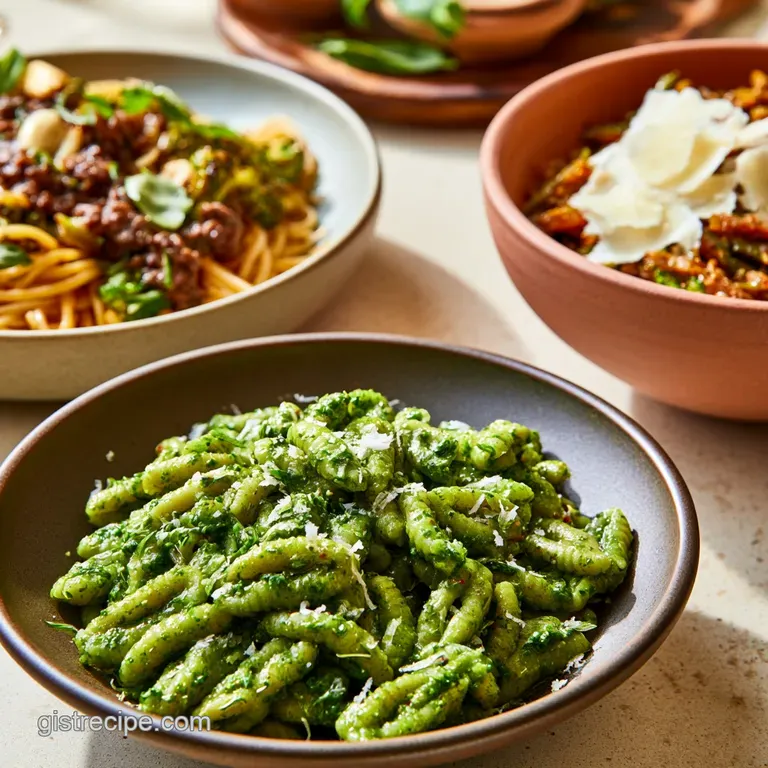
This traditional Italian cavatelli recipe requires just three ingredients and manual shaping to create a rustic, ridged texture that holds heavy meat sauces or simple butter glazes beautifully.
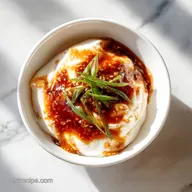
Use this five-ingredient base to create a glossy coating for your favorite pasta shapes, offering a mild garlic heat that pairs well with added proteins like shrimp or chicken.
Efficient cooking methods help get dinner on the table in less than 30 minutes. From one-pot pressure cooker meals to rapid stovetop sauces, these recipes prioritize speed while delivering the satisfaction of a home-cooked meal.
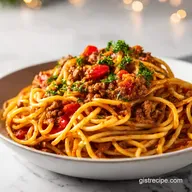
This one-pot method uses the Instant Pot to cook noodles and meat sauce simultaneously, ensuring the spaghetti absorbs every drop of flavor while maintaining an ideal al dente bite.
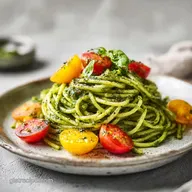
Vibrant herbs and nutty notes define this simple dinner, which focuses on a fresh, uncooked sauce that coats long pasta strands quickly for a bright and light evening meal.
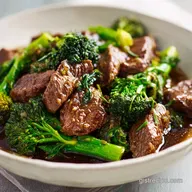
While often served over rice, this savory beef and broccoli sauce recipe works exceptionally well as a protein-rich topping for thick noodles or simple wheat-based pasta shapes.
How do I choose the right pasta shape for my sauce?
Thicker, ridged shapes like cavatelli are best for chunky or heavy meat sauces, while long, thin strands pair better with oil-based or smooth cream sauces.
Can I make these pasta sauces ahead of time for meal prep?
Most sauces can be prepared 2-3 days in advance and stored in the refrigerator, though fresh pesto is best used immediately to maintain its color.
How do I prevent fresh pasta from sticking during cooking?
Ensure the water is at a rolling boil before adding the pasta and stir immediately to keep the dough moving as it sets.
Why should I save a bit of pasta water for the sauce?
The salty, starchy water acts as a binding agent that helps the sauce adhere to the noodles and creates a glossy finish.
Can these homemade sauces be frozen for later use?
Tomato and meat-based sauces freeze exceptionally well, while cream-based sauces may separate and require vigorous whisking upon reheating.