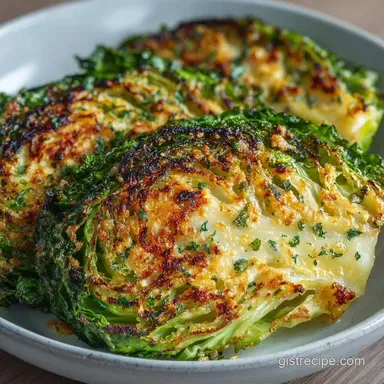
Garlic Parmesan Cabbage Steaks: Crispy and Charred
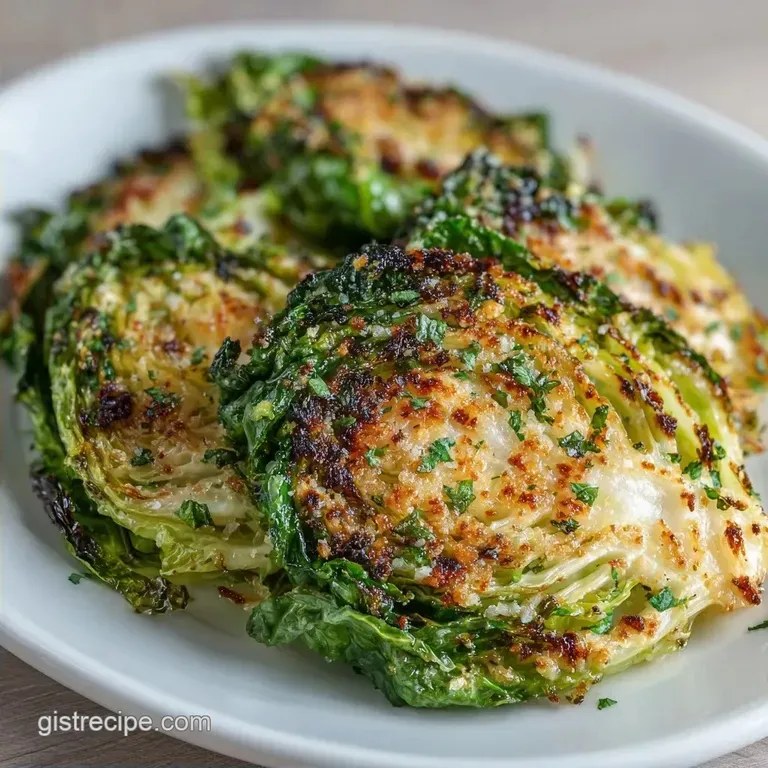
- Time: 10 min active + 20 min roast
- Flavor/Texture Hook: Sweet, charred cabbage with a salty, shatter crisp cheese crust
- Perfect for: Easy weeknight sides or a low carb main
Garlic Parmesan Cabbage Steaks for Dinner
That first sizzle when the butter hits the hot oven is where the magic starts. There is nothing quite like the aroma of roasted garlic and toasted Parmesan filling the kitchen. It's a bold, savory scent that makes you forget cabbage ever had a reputation for being bland or boring.
I used to hate cabbage because every version I tried was either rubbery or completely mushy. I remember making a version where I crowded the pan, and instead of roasting, the vegetables just boiled in a pool of grey water. It was depressing. This method fixes that.
By using high heat and a specific layering of fats, we get a contrast of textures: a tender, buttery center and edges that practically shatter when you bite into them.
You can expect these Garlic Parmesan Cabbage Steaks to be rich and savory, with the natural sweetness of the cabbage coming out as it caramelizes. It's a simple dish, but when you get that golden brown crust, it feels like something from a high end bistro. Let's get into how to actually make this happen without the sog.
Avoiding the Soggy Cabbage Trap
Most people treat cabbage like a steamed vegetable, but the secret here is treating it like a steak. When cabbage releases its water during cooking, it can easily turn into a mushy mess if that water doesn't evaporate quickly.
The Moisture Barrier: Brushing with olive oil first creates a thin seal. This pushes the moisture out of the way and lets the direct heat of the pan sear the surface.
Over High heat Caramelization: At 400°F, the natural sugars in the cabbage break down. This is what gives you those dark, flavorful edges instead of a pale, boiled look.
Fat Based Insulation: The combination of butter and Parmesan acts as a protective layer. The fat prevents the garlic from burning too quickly while the cheese forms a crust that locks in the flavor.
Core Stability: Keeping the core intact isn't just for looks. The core acts as the "spine" of the steak, preventing the leaves from separating and turning into a pile of roasted shreds.
| Method | Time | Texture | Best For |
|---|---|---|---|
| Oven Roast | 20 mins | Charred edges, tender center | Large batches, hands off cooking |
| Stovetop Sear | 12 mins | Heavy crust, softer center | Single servings, maximum sear |
Understanding the Ingredients
I don't believe in fancy ingredients for this. You just need a few staples that work hard. The contrast here comes from the bright, slightly peppery cabbage meeting the rich, salty depth of the Parmesan.
| Ingredient | Science Role | Pro Secret |
|---|---|---|
| Green Cabbage | Structural Base | Buy a heavy, tight head for better "steaks" |
| Unsalted Butter | Flavor Carrier | Melt it slowly to avoid separating the fats |
| Parmesan Cheese | Crust Agent | Use a microplane for a finer, more even melt |
| Garlic | Aromatic Punch | Mince it tiny so it doesn't burn in the oven |
Essential Kitchen Tools
You don't need a professional kitchen for this, but a few specific tools make the process smoother.
- Large Rimmed Baking Sheet: You need plenty of space. If the cabbage steaks touch, they'll steam instead of roast.
- Parchment Paper: This is a must. Parmesan cheese loves to stick to metal, and scrubbing burnt cheese is a nightmare.
- Sharp Chef's Knife: A dull knife will crush the cabbage layers rather than slicing through them, which makes the steaks fall apart.
- Pastry Brush: This ensures an even coating of oil and garlic butter without bruising the leaves.
Step-by-step Cooking Guide
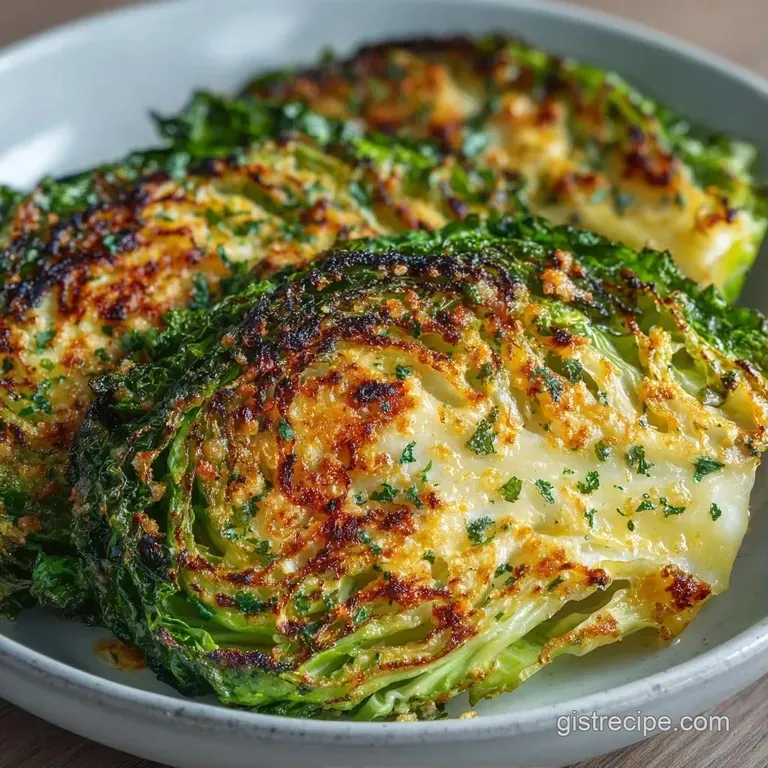
Right then, let's get this in the oven. The goal is to move quickly once the cabbage is sliced so the edges don't dry out.
- Preheat your oven to 400°F (200°C). Line your baking sheet with parchment paper. Note: Doing this first ensures the pan is ready the moment the steaks are prepped.
- Slice the cabbage into 3/4 inch thick rounds. Make sure the core stays in each piece. Place them on the pan and brush both sides with olive oil. Note: The oil prevents sticking and starts the searing process.
- In a small bowl, whisk together your melted butter, minced garlic, onion powder, paprika, salt, and pepper.
- Brush the garlic butter mixture generously over the top of each steak. Don't be shy with the edges.
- Sprinkle the freshly grated Parmesan over the butter. Press the cheese down lightly with your fingers so it adheres to the cabbage.
- Roast on the center rack for 20 minutes until the edges are mahogany brown and the cheese is toasted.
- For an extra punch of color, broil for 60-90 seconds. Watch it like a hawk because the cheese can go from gold to burnt in seconds.
- Let them rest for 2 minutes before serving. This lets the juices settle so the steak stays together.
Chef's Note: If you want a more intense flavor, I sometimes add a pinch of red pepper flakes to the butter. It doesn't make it "spicy," but it adds a subtle warmth that cuts through the richness of the cheese.
Fixing Common Cabbage Issues
Even with a good plan, cabbage can be temperamental. The biggest enemy is always moisture. If your steaks look more like a stew than a roast, you're likely dealing with overcrowding.
The Cabbage is Too Soft/Soggy
This usually happens because the pan was too full or the oven temperature was too low. When the cabbage pieces are too close, they release steam that gets trapped, effectively boiling the vegetable. To fix this, use two pans if necessary.
The Cheese Burnt Before the Center Cooked
If your Parmesan is black but the cabbage is still raw, your oven might be running hot or you're using a very fine powder cheese. Use a thicker grate of Parmesan and avoid the broil setting until the very end.
Steaks are Falling Apart
This is almost always a slicing issue. If the slices are too thin (less than 1/2 inch), they won't have the structural integrity to hold together. Stick to the 3/4 inch rule to keep them sturdy.
| Problem | Root Cause | Solution |
|---|---|---|
| Pale, bland edges | Low oven temp | Increase to 400°F (200°C) |
| Bitter taste | Burnt garlic | Mince garlic finer; avoid over broiling |
| Watery pan | Crowded baking sheet | Give each steak 2 inches of space |
Common Mistakes Checklist
- ✓ Did you use parchment paper? (Avoids burnt cheese sticking)
- ✓ Is the core still intact in every slice? (Prevents falling apart)
- ✓ Did you use a 400°F (200°C) oven? (Ensures browning, not steaming)
- ✓ Are the steaks spaced apart? (Prevents sogginess)
- ✓ Did you brush oil on the bottom? (Prevents sticking to parchment)
Customizing Your Cabbage
Once you've got the base method down, you can play around with the flavors. Cabbage is like a sponge, it takes on whatever you throw at it.
The Vegan Swap: You can easily make this plant based. Use a high-quality vegan butter and a nutritional yeast based Parmesan alternative. For an even richer result, drizzle some vegan cashew cheese sauce over the top after roasting.
Red Cabbage Twist: Red cabbage is slightly heartier and sweeter. It takes a few minutes longer to soften, so add about 5 minutes to the roast time. The color is vibrant, but be aware that the red pigment can bleed into the cheese.
The Creamy Garlic Parmesan Cabbage Variation: If you want something more indulgent, serve these steaks on a bed of sauce. A creamy garlic sauce adds a velvety texture that complements the charred edges of the cabbage.
Dairy-free / Keto Alternative: Since this recipe is naturally low carb, it's already keto friendly. For dairy-free, swap the butter for ghee or avocado oil and skip the cheese in favor of toasted almond slivers for crunch.
Storage and Scrap Tips
Don't let the leftovers go to waste. While these are best fresh, they hold up surprisingly well in the fridge.
Storage: Store any leftover steaks in an airtight container for up to 4 days. The cheese will soften, but the flavor remains bold.
Reheating: Avoid the microwave if you can, it will make the cabbage rubbery. Instead, pop them back in a toaster oven or a skillet over medium heat for 3-5 minutes. This brings back some of that shatter crisp texture.
Freezing: I don't recommend freezing these. The water content in cabbage is too high, and once thawed, the texture becomes spongy and unpleasant.
Zero Waste: Don't throw away the outer leaves of the cabbage! Chop them up and toss them into a soup, or sauté them with a bit of the leftover garlic butter. Even the core scraps can be simmered in a stock pot to add a deep, earthy base to your vegetable broths.
Plating for Visual Impact
Since the colors are mainly gold and green, you want to add some contrast to the plate to make it look vibrant.
First, use a dark colored plate if you have one. The mahogany edges of the Garlic Parmesan Cabbage Steaks really pop against a charcoal or navy background. I like to stack two steaks slightly overlapping each other to create height on the plate.
Next, add a pop of color. A sprinkle of fresh chopped parsley or a few chives adds a bright green contrast that cuts through the richness of the butter and cheese. If you're feeling fancy, a squeeze of fresh lemon juice right before serving doesn't just add a bright, acidic note, it makes the colors look more vivid.
Finally, if you're serving this as a main, place a dollop of Greek yogurt or a spoonful of sour cream on the side. The white cream against the charred cabbage creates a beautiful visual balance and adds a cool, tangy element to every bite.
Recipe FAQs
How to cut cabbage steaks so they don't fall apart?
Slice into 3/4-inch thick rounds while keeping the core intact. The core acts as the anchor that holds the leaves together during the roasting process.
Does cabbage need to be boiled before roasting to soften it?
No, this is a common misconception. Roasting at 400°F for 20 minutes is sufficient to tenderize the vegetable while caramelizing the edges.
How to bake cabbage in the oven?
Preheat the oven to 400°F and roast for 20 minutes. Place oiled slices on a parchment-lined sheet, apply the garlic butter and Parmesan, and bake until the edges are mahogany-brown.
How to cook cabbage so it's not bitter?
Roast at a high temperature to caramelize the natural sugars. This heat transforms bitter notes into a nutty sweetness, using the same browning principles you apply when you cook steak on a stove.
What are some common mistakes to avoid when cooking cabbage?
Avoid slicing the rounds too thin. Steaks thinner than 3/4 inch often disintegrate or overcook before the Parmesan cheese has a chance to toast.
What are some uses for leftover cooked cabbage?
Reheat in a skillet over medium heat for 3-5 minutes. This method restores the shatter-crisp texture, whereas a microwave will make the cabbage rubbery.
What's the best way to use a whole head of cabbage?
Slice it into 3/4-inch steaks for roasting. This maximizes the surface area for the garlic butter and cheese, turning a simple vegetable into a hearty main or side dish.
Garlic Parmesan Cabbage Steaks: Crispy