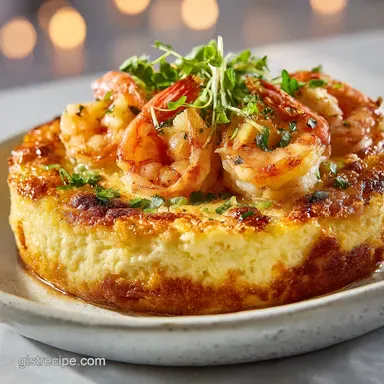
Seafood Gratin: Creamy and Golden
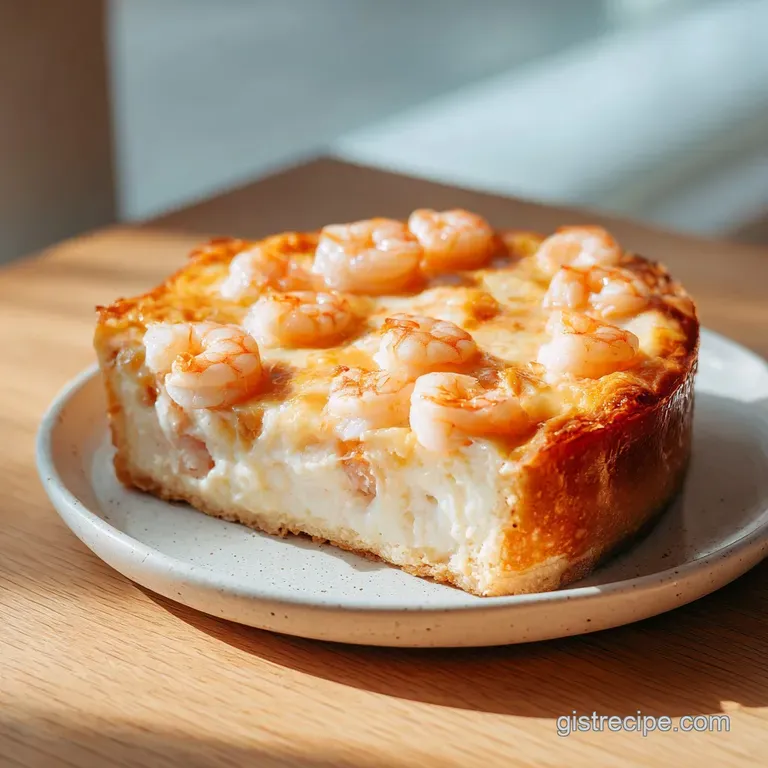
- Time:10 minutes prep + 20 minutes cook = Total 30 minutes
- Flavor/Texture Hook: Shattering Panko crust with a silky, nutty cheese sauce
- Perfect for: Impressive date nights or a comforting Sunday dinner
- Getting That Golden Crust on Your Seafood Gratin
- Planning Your Seafood Gratin Timeline
- Picking the Best Elements for a Seafood Gratin
- The Logic Behind the Texture
- The Essential Gear for Your Seafood Bake
- Step-by-Step Guide to a Creamy Seafood Gratin
- Fixing Common Seafood Gratin Mishaps
- Troubleshooting Common Issues
- Adapting the Classic Seafood Gratin Flavor
- Adjusting the Recipe Size
- Common Beliefs About Gratins
- Keeping Your Seafood Gratin Fresh
- The Best Sides for Seafood Gratin
- High in Sodium
- Recipe FAQs
- 📝 Recipe Card
Getting That Golden Crust on Your Seafood Gratin
Sizzle. That's the sound of cold butter hitting a screaming hot pan, and it's the exact moment I know this meal is going to be a winner. There is something about the smell of searing scallops and shrimp that immediately transports me back to a tiny, salt sprayed bistro I stumbled upon in Brittany, France.
I remember the waiter bringing out a bubbling dish of seafood topped with a crust so crisp it practically sang when the spoon hit it.
Growing up, my family viewed "gratin" as just a way to hide vegetables under cheese. But the French treat it as an art form, a way to celebrate the freshest catch of the day by enveloping it in a rich, creamy embrace. For a long time, I struggled to get that same bistro style result at home.
My seafood would either come out rubbery or the sauce would be too thin, leaving me with a soggy mess instead of a structured bake.
Now, I've figured out the flow that actually works every time. This Seafood Gratin isn't about fancy equipment or professional training, it's about timing and temperature. By searing the protein separately and using a over high heat broil, we keep the seafood tender while getting that iconic, shattering topping.
Trust me on this, once you see those bubbles popping around the edges of the dish, you'll never go back to slow baked casseroles.
Planning Your Seafood Gratin Timeline
Right then, let's look at how to actually manage this in your kitchen. Since this dish moves fast, you don't want to be chopping shallots while your shrimp are already searing. I like to think of this in three distinct phases: the prep, the stovetop build, and the final blast of heat.
First, get all your seafood patted dry. This is the most important part. If the shrimp are wet, they'll steam instead of sear, and you'll lose that deep flavor. Once the prep is done, the stovetop work takes about 10 minutes.
You're just building a quick cream reduction and folding in your pre seared seafood.
The final step is the broiler. Unlike a standard bake that takes 30 minutes and dries everything out, we use the broiler for a quick 3-5 minute hit. This ensures the Seafood Gratin stays juicy inside while the top turns a beautiful mahogany brown.
It's all about that contrast between the velvety sauce and the crunch.
| Servings | Ingredient Adjustments | Pan Size | Cook Time |
|---|---|---|---|
| 4 people | 2/3 lb shrimp, 1/3 lb scallops, 5 oz crab | 8x8 inch | 20 minutes |
| 6 people | 1 lb shrimp, 1/2 lb scallops, 8 oz crab | 9x13 inch | 20 minutes |
| 8 people | 1.5 lb shrimp, 3/4 lb scallops, 12 oz crab | 9x13 inch (deep) | 25 minutes |
Picking the Best Elements for a Seafood Gratin
When you're shopping for a Seafood Gratin, the quality of the seafood is everything. I always suggest buying the largest shrimp you can find, as they hold up better to the heat. Bay scallops are great because they're sweet and small, which means they distribute evenly throughout the sauce.
For the crab, go for lump crabmeat - it gives you those satisfying chunks of sweetness that make the dish feel special.
The cheese choice is where the flavor really deepens. Gruyère is the classic choice here because it melts beautifully and has a nutty, salty punch that cuts through the heavy cream. Parmesan adds a different kind of saltiness and helps the sauce thicken up.
If you can't find Gruyère, a sharp Swiss is a reliable alternative, though it's a bit milder.
And don't skip the dry sherry. It provides a necessary acidic lift that stops the cream and cheese from feeling too heavy. According to the USDA FoodData, the fats in heavy cream are what provide that luxurious mouthfeel, but without an acid like sherry or lemon zest, the dish can taste one dimensional.
The Logic Behind the Texture
I've always been curious about why some gratins are silky while others are clumpy. It's not magic, it's just how the ingredients interact under heat. Here is the breakdown of what is actually happening in your pan.
- The Rapid Sear: Searing the seafood for just 1-2 minutes creates a crust on the outside without cooking the center. This means when the dish goes under the broiler, the seafood finishes cooking exactly when the cheese melts.
- Deglazing with Sherry: The alcohol in the sherry lifts the browned bits (fond) from the bottom of the pan. This integrates all those concentrated seafood flavors directly into the sauce.
- Cream Reduction: Simmering the cream for a few minutes evaporates some water, concentrating the fats and proteins. This creates a velvety base that doesn't separate when you stir in the cheese.
- Nutmeg's Role: A tiny pinch of nutmeg doesn't make it taste like dessert; instead, it enhances the creaminess of the dairy and bridges the gap between the sweet seafood and salty cheese.
| Ingredient | Science Role | Pro Secret |
|---|---|---|
| Heavy Cream | Stabilizing Base | Simmer for 5 mins to prevent "weeping" in the oven |
| Gruyère Cheese | Melting Agent | Grate it yourself; pre shredded has starch that ruins the texture |
| Dry Sherry | Flavor Balancer | Use a dry version, not sweet, to keep the acidity high |
| Panko Crumbs | Texture Contrast | Toss with melted butter first for an even, gold finish |
The Essential Gear for Your Seafood Bake
You don't need a kitchen full of gadgets for this Seafood Gratin, but a few specific tools make the process much smoother. First, a wide sauté pan is a must. If the pan is too small, you'll have to crowd the shrimp, which leads to steaming rather than searing.
I usually use a stainless steel pan to get those brown bits for the sauce.
A baking dish that is relatively shallow is better than a deep pot. The goal is to maximize the surface area of the topping. If the dish is too deep, the sauce at the bottom stays hot, but you don't get enough of that shattering Panko crust on top. A ceramic or glass dish works best as they distribute heat evenly.
Finally,, keep a whisk handy for the sauce. You want to incorporate the cheese quickly so it doesn't clump. If you're using a broiler, make sure your oven rack is in the upper third position, but not so close that the crumbs burn before the sauce bubbles.
Step-by-step Guide to a Creamy Seafood Gratin
Now, let's get into the actual flow. Remember to keep your heat medium high for the sear and lower it once the cream goes in.
- Pat the shrimp and scallops completely dry with paper towels. Note: Any moisture will prevent that golden sear.
- Heat olive oil and 2 tbsp butter in a sauté pan over medium high heat.
- Sear the seafood in batches for 1-2 minutes per side until just opaque.
- Remove the seafood immediately to a plate and gently stir in the lump crabmeat. Note: Crab is already cooked, so it just needs to warm through.
- In the same pan, sauté shallots and garlic for 60 seconds until fragrant.
- Deglaze with dry sherry, scraping up the brown bits from the pan.
- Pour in heavy cream and simmer for 3-5 minutes until it thickens slightly.
- Lower heat and whisk in Gruyère, Parmesan, salt, pepper, and nutmeg until smooth.
- Fold the seared seafood into the sauce and transfer the mixture to a baking dish.
- In a small bowl, toss Panko, melted butter, parsley, and lemon zest.
- Spread the crumbs evenly over the top.
- Broil on high for 3-5 minutes until the topping is mahogany colored and the sauce is bubbling.
Chef's Tip: To get an even more intense crust, freeze your butter for 10 minutes before mixing it with the Panko. This prevents the butter from soaking in too quickly and helps the crumbs shatter on impact.
Fixing Common Seafood Gratin Mishaps
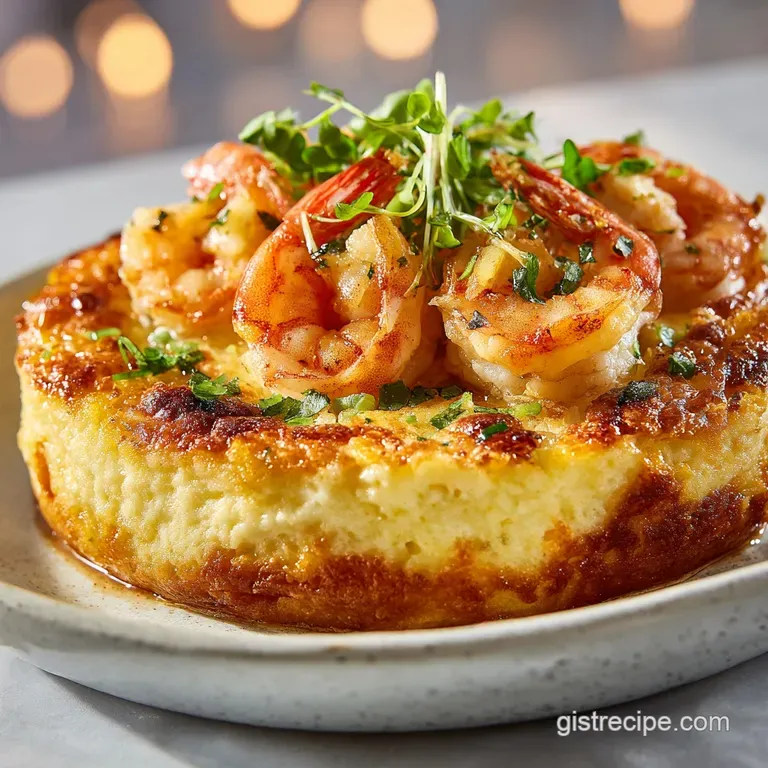
Even the best of us have moments where things go sideways. The most common issue I see with a Seafood Gratin is the "rubber effect," where the shrimp become chewy. This usually happens because the seafood was seared for too long in the first step, then cooked again under the broiler.
Another common problem is a "broken" sauce, where the oil separates from the cream. This happens if the heat is too high when you add the cheese. The cheese proteins tighten up and push the fat out. If this happens, a tiny splash of warm milk and a quick whisk can usually bring it back together.
Troubleshooting Common Issues
| Issue | Solution | |||||||
|---|---|---|---|---|---|---|---|---|
| Why Your Seafood Is Rubber | If your shrimp feel like bouncy balls, you've overcooked them. The key is to remove them from the pan the second they turn opaque. They will finish cooking in the oven. | |||||||
| Why Your Sauce is Grainy | This usually means the cheese was added to a boiling sauce. Keep the heat low and whisk constantly to ensure a silky finish. | |||||||
| Why the Top Burnt Too Fast | Broilers vary wildly in power. If the Panko is darkening too quickly but the sauce isn't bubbling, move your rack down one level. | Problem | Root Cause | Solution | --------- | ------------ | ----- |
Adapting the Classic Seafood Gratin Flavor
One of the things I love about this Seafood Gratin is how flexible it is. While the French version is a classic, you can easily tweak it to fit what you have in the fridge. For example, if you can't find bay scallops, you can use chopped sea scallops, just be mindful that they release more water and might need an extra minute of simmering in the sauce.
If you want to change the flavor profile, you can swap the sherry for a splash of white wine, like a Sauvignon Blanc. It's slightly less punchy than sherry but still gives you that necessary brightness.
For those who want a bit more heat, adding a pinch of cayenne pepper or a dash of paprika to the Panko topping creates a lovely warmth that pairs well with the cream.
If you're looking for other ways to enjoy these ingredients, you might like a Creamy Seafood Lasagna recipe, which uses a similar flavor base but adds pasta for a heartier meal. Alternatively, if you want something lighter to contrast the richness of this bake, a Fish Taco Slaw recipe is a fantastic, zesty companion.
Fresh vs. Shortcut Seafood
| Ingredient | Fresh Option | Shortcut Option | Impact |
|---|---|---|---|
| Crab | Fresh Lump | Imitation Crab | Less sweetness, more texture |
| Scallops | Fresh Bay | Frozen (Thawed) | More water release; requires longer simmer |
| Shrimp | Fresh Shell on | Frozen Peeled | Convenient, but less flavor in the pan |
Adjusting the Recipe Size
Scaling a Seafood Gratin is pretty straightforward, but you can't just double everything and expect it to work perfectly. When you're doubling the recipe for a party, be careful with the salt and nutmeg.
Spices don't always scale linearly, so I recommend starting at 1.5x the amount and tasting the sauce before adding more.
If you're making a smaller batch, say for two people, you'll need to reduce your cook time. A smaller amount of sauce in a small dish will heat through much faster under the broiler. I'd suggest checking it at the 2 minute mark.
Also, beat one egg and use half of it if you decide to add an egg to the topping for extra richness in a small batch.
For those baking in larger quantities, lower your oven temperature slightly if you're doing a full bake instead of a broil. This prevents the edges from drying out before the center is hot. Just remember to keep the broiler for the final 3 minutes to get that signature crust.
Common Beliefs About Gratins
There's a common myth that you must use a roux (flour and butter) to thicken a gratin. While a roux is traditional for Béchamel, it can sometimes make the sauce feel "pasty." In this Seafood Gratin, we rely on the reduction of heavy cream and the addition of melted cheese to provide thickness.
It results in a cleaner, more velvety taste.
Another misconception is that frozen seafood is unsuitable for high end dishes. Honestly, as long as you thaw it completely and pat it bone dry, frozen shrimp and scallops work beautifully. The key is the preparation, not just the origin of the ingredient.
Finally, some people think you should bake the seafood in the sauce from the start. That's a recipe for rubbery shrimp. Searing them first is the only way to ensure you get a deep, savory flavor without overcooking the protein.
Keeping Your Seafood Gratin Fresh
Because of the high dairy and seafood content, you have to be careful with storage. This Seafood Gratin stays great in the fridge for about 2 days. Store it in an airtight container to prevent the crust from absorbing fridge odors.
When it comes to freezing, I'd generally advise against it. The cream sauce can break during the freeze thaw cycle, and the Panko topping will lose its shatter, becoming soggy. If you must freeze it, do so before adding the breadcrumb topping, then add fresh crumbs and broil when you reheat.
To avoid waste, don't throw away the scallop or shrimp shells if you bought them whole. You can simmer them with a bit of water and onion to create a quick seafood stock for a risotto. Even the leftover lemon zest and parsley stems can be tossed into a freezer bag for future stocks or herb butters.
The Best Sides for Seafood Gratin
Since the Seafood Gratin is so rich and creamy, you want sides that offer a bit of acidity or a fresh crunch to balance the plate. I love serving this with a side of steamed asparagus or sautéed spinach. The bitterness of the greens cuts right through the Gruyère sauce.
A crusty baguette is almost mandatory. You'll want something to soak up every last drop of that velvety sauce from the bottom of the dish. I usually toast the bread with a little garlic butter to mirror the flavors in the bake.
For a more complete meal, a simple arugula salad with a lemon vinaigrette works wonders. The peppery greens and sharp citrus act as a palate cleanser, making every bite of the seafood feel just as impactful as the first. It's all about creating a balance of flavors: rich, salty, acidic, and fresh.
High in Sodium
840 mg 840 mg of sodium per serving (37% 37% of daily value)
The American Heart Association recommends a daily sodium limit of no more than 2,300 mg for most adults to reduce the risk of cardiovascular disease.
Tips to Reduce Sodium
-
Eliminate Added Salt-25%
Remove the 1/2 tsp of added salt entirely. The Parmesan and Gruyère cheeses already contribute a significant amount of sodium to the sauce.
-
Reduce Parmesan Cheese-15%
Swap half of the Parmesan cheese for extra lemon zest or a pinch of nutritional yeast to maintain the savory, salty profile with less sodium.
-
Limit Gruyère Cheese-15%
Reduce the Gruyère cheese by 50%; the heavy cream and butter will still ensure the dish remains rich and creamy.
-
Rinse Crabmeat-10%
Rinse the lump crabmeat under cold water before draining to remove excess brine and processing salts used during packaging.
-
Enhance with Aromatics
Increase the amount of fresh parsley and lemon zest to brighten the flavor of the seafood without needing additional salt.
Recipe FAQs
What makes a dish a gratin?
A browned crust on top. This is typically achieved by topping the dish with breadcrumbs, cheese, or both, then broiling until golden brown.
What is seafood gratin made of?
Seafood, a creamy sauce, and a crisp topping. This version uses shrimp, bay scallops, and lump crabmeat folded into a Gruyère and Parmesan cream sauce topped with Panko crumbs.
What is a fish gratin?
A baked seafood dish topped with a crust. While similar to a general gratin, a fish gratin specifically uses fillets or chunks of fish as the primary protein.
How long to cook seafood gratin?
Allot 30 minutes total. This includes 10 minutes of prep, a quick sear of the seafood, and 3–5 minutes under the broiler.
Is it true I can skip searing the seafood before baking?
No, this is a common misconception. Searing prevents the seafood from releasing too much moisture into the sauce and adds a deep, golden flavor. If you enjoyed mastering this sear, apply the same principle to our steak and shrimp skewers.
Can I use low-fat milk instead of heavy cream for the sauce?
No, heavy cream is essential. low-fat milk lacks the fat content needed to emulsify with the Gruyère and Parmesan, which will likely result in a grainy or thin sauce.
How to serve seafood gratin?
Spoon the mixture into individual bowls or serve directly from the baking dish. Pair it with a crisp green salad or crusty bread to balance the richness of the cheese sauce.
Seafood Gratin in 30 Minutes