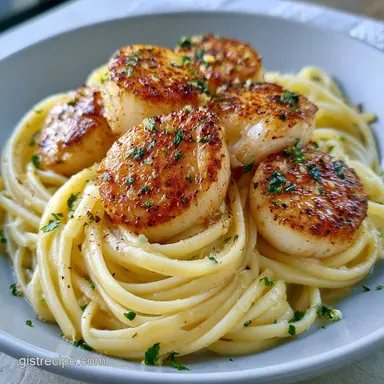
Scallops over Creamy Parmesan Linguine
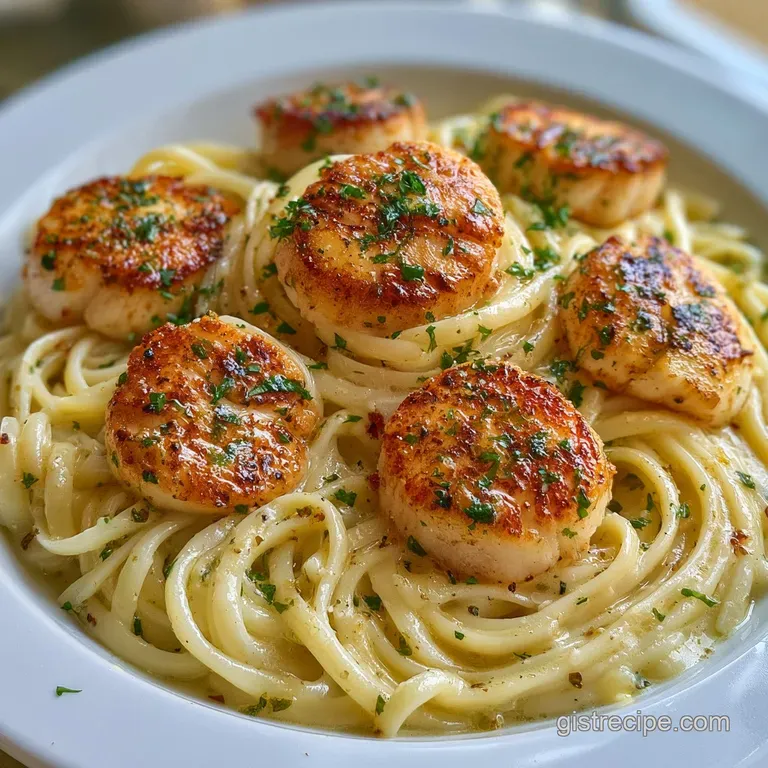
- Time: 10 min prep + 15 min cook = Total 25 min
- Flavor/Texture Hook: Velvety sauce with mahogany crusted scallops
- Perfect for: Date night or an impressive weeknight dinner
- Scallops served over creamy parmesan linguine recipe
- Making the Sauce Silky
- The Ingredient Breakdown
- Simple Tools Required
- Step by Step Cooking
- Troubleshooting Your Pasta
- Swapping Ingredients
- Scaling Your Meal
- Truth About Scallops
- Storage and Leftovers
- Best Pairings
- High in Sodium
- Recipe FAQs
- 📝 Recipe Card
The first thing that hits you is that aggressive sizzle the second the scallops touch the hot oil. It's a sound that tells you everything is going right. I remember the first time I tried this in my own kitchen, I was terrified of overcooking the seafood.
I spent ten minutes hovering over the pan, barely breathing, waiting for that specific shade of golden brown to appear on the edges. When I finally plated it, the aroma of toasted butter and sharp parmesan filled the entire room, reminding me of those tiny seaside trattorias where the menu is just a chalkboard and the pasta is always cooked al dente.
This is the ultimate scallops served over creamy parmesan linguine recipe for a gourmet dinner at home. It's not about fancy equipment or rare ingredients, but about timing. We're talking about the contrast between a tender, buttery scallop and a silky, cheese laden pasta.
It's the kind of meal that feels like a celebration even if it's just a Tuesday night.
You can expect a dish that hits every note. The scallops are seared to a crust that almost shatters, while the linguine is wrapped in a sauce that's thick but not heavy. Trust me on this, once you see how the starchy pasta water binds the cream and cheese together, you'll never drain your pasta completely again.
Let's get this moving.
Scallops served over creamy parmesan linguine recipe
Right then, let's talk about the "why" before we get to the "how". Most people struggle with scallops because they're too timid with the heat or they crowd the pan. If you put too many scallops in at once, the temperature drops, the scallops release moisture, and instead of searing, they boil in their own juices.
That's how you end up with rubbery, grey discs. To get that mahogany crust, you need a screaming hot pan and plenty of space.
The sauce is where the magic happens. By reducing the white wine first, we concentrate the acidity. This cuts through the heavy fat of the cream and the saltiness of the Parmigiano Reggiano. When we toss the linguine in, we're creating a lightweight emulsion. If you've ever tried my creamy garlic sauce, you know that the balance of fat and acid is what makes a sauce feel "restaurant grade" rather than just "heavy".
And we can't forget the pasta water. That cloudy, salty liquid is liquid gold. It contains starch that acts as a bridge between the oily butter and the watery wine, ensuring the sauce clings to every strand of pasta instead of pooling at the bottom of the bowl.
It's the difference between a velvety coating and a greasy mess.
Making the Sauce Silky
High Heat Sear: Rapidly evaporating surface moisture creates a concentrated crust without overcooking the center.
Starch Binding: Reserved pasta water stabilizes the emulsion between the fat in the cream and the acidity of the wine.
Fat Layering: Using both oil (for the over high heat sear) and butter (for the flavor basting) prevents the butter from burning while adding richness.
Acid Balance: Lemon juice and white wine break down the heaviness of the parmesan, keeping the palate refreshed.
| Method | Time | Texture | Best For |
|---|---|---|---|
| Stovetop | 25 min | Velvety | Quick dinner |
| Oven Baked | 40 min | Hearty | Large crowds |
| Poached | 20 min | Soft | Lighter meal |
This choice is really about how you want to manage your kitchen flow. For this specific scallops served over creamy parmesan linguine recipe, the stovetop is the only way to go. You need that direct, intense heat for the scallops.
Baking them would give you a different result, but you'd lose that signature crust that makes the dish special.
The Ingredient Breakdown
| Ingredient | Science Role | Pro Secret |
|---|---|---|
| Sea Scallops | Primary Protein | Pat them bone dry with paper towels |
| Parmigiano Reggiano | Salt & Thickener | Grate it yourself; pre shredded has starch |
| Heavy Cream | Emulsifier | Use full fat for a stable, silky sauce |
| Dry White Wine | Acid Component | Use a crisp Sauvignon Blanc or Pinot Grigio |
For the pasta, you'll want a high-quality linguine. It has more surface area than spaghetti, which means more sauce clings to every bite. Don't be tempted to use a low carb alternative here unless you're okay with a very different texture.
The Essentials:
- 1 lb (450g) linguine pastaWhy this? Flat shape holds the creamy sauce perfectly
- 1 tbsp (15g) kosher saltWhy this? Seasons the pasta from the inside out
- 1 lb (450g) large sea scallopsWhy this? Bigger scallops are harder to overcook
- 2 tbsp (30ml) avocado oilWhy this? High smoke point prevents burning
- 2 tbsp (28g) unsalted butterWhy this? Adds nutty flavor during basting
- 1/2 tsp (3g) saltWhy this? Basic seasoning for the protein
- 1/4 tsp (1g) black pepperWhy this? Adds a subtle bite
- 3 cloves (15g) garlic, mincedWhy this? Aromatic base for the sauce
- 1/2 cup (120ml) dry white wineWhy this? Deglazes the pan and adds brightness
- 1 cup (240ml) heavy creamWhy this? Creates the velvety base
- 3/4 cup (80g) freshly grated Parmigiano ReggianoWhy this? Authentic salty, nutty finish
- 1 tbsp (15ml) fresh lemon juiceWhy this? Cuts through the richness
- 2 tbsp (8g) fresh Italian flat leaf parsley, choppedWhy this? Fresh, herbal contrast
Smart Ingredient Swaps
| Original Ingredient | Substitute | Why It Works |
|---|---|---|
| Linguine | Fettuccine | Very similar width. Note: Slightly thicker bite |
| Avocado Oil | Grapeseed Oil | Similarly high smoke point. Note: Neutral flavor |
| Heavy Cream | Half and Half | Lighter version. Note: Sauce will be thinner and less stable |
| Parmigiano Reggiano | Pecorino Romano | Same salt profile. Note: Much tangier and sharper taste |
| Dry White Wine | Chicken Broth + Lemon | Non alcoholic option. Note: Lacks the complex fermentation notes |
If you're looking for a completely different direction, you could even experiment with a vegan cashew cheese sauce as a base, though the searing process for the scallops would remain the same. Just keep in mind that the binding properties of cashew cream are different from dairy, so you might need a bit more pasta water.
Simple Tools Required
You don't need a professional kitchen to nail this. I've found that a few basic, sturdy tools are better than a drawer full of gadgets. The most important piece here is the pan.
A 12 inch cast iron skillet is my go to. It holds heat better than almost any other material, which is exactly what you need for that scallop crust. If you don't have cast iron, a stainless steel pan works too. Just avoid non stick for the scallops - they don't sear as well, and high heat can damage the coating.
You'll also need a large pot for the pasta, a fine mesh strainer (though I prefer using a spider or tongs to move the pasta), and a small bowl for your minced garlic. Simple, effective, and foolproof.
Step by step Cooking
Let's get into the steps for this scallops served over creamy parmesan linguine recipe. Follow these carefully, and you'll have a dinner that looks like it cost 40 dollars a plate.
Bring a large pot of salted water to a rolling boil. Add the linguine and cook for 1-2 minutes less than the package instructions until it has a firm al dente bite. Reserve 1/2 cup (120ml) of the starchy pasta water before draining.
Note: Undercooking slightly prevents the pasta from becoming mushy in the sauce.
Pat the scallops completely dry with paper towels. Season with salt and pepper. Note: Any moisture on the surface will steam the scallop instead of searing it.
Heat oil in a 12 inch cast iron skillet over high heat until it just begins to smoke. Place scallops in the pan, leaving space between them. Sear undisturbed for 2 minutes until a mahogany crust forms.
Flip the scallops and add butter to the pan. Sear for another 60-90 seconds while basting with the melted butter. Remove scallops immediately to a plate. Note: Basting adds a rich, nutty finish to the crust.
Reduce skillet heat to medium. Sauté the minced garlic for 30 seconds until it's fragrant but not brown.
Pour in the white wine and reduce the liquid by half. Stir in the heavy cream and bring to a gentle simmer. Note: Reducing the wine concentrates the flavor before the cream mellows it out.
Remove the pan from heat and stir in the grated Parmigiano Reggiano until melted and smooth. Stir in the lemon juice. Note: Removing from heat prevents the cheese from clumping or breaking the sauce.
Toss the cooked linguine into the sauce, adding reserved pasta water as needed until the consistency is velvety. Garnish with chopped parsley and top with the seared scallops.
Chef's Tip: For a truly professional finish, warm your pasta bowls in the oven for 2 minutes before plating. This keeps the cream sauce from thickening too quickly as you eat.
Troubleshooting Your Pasta
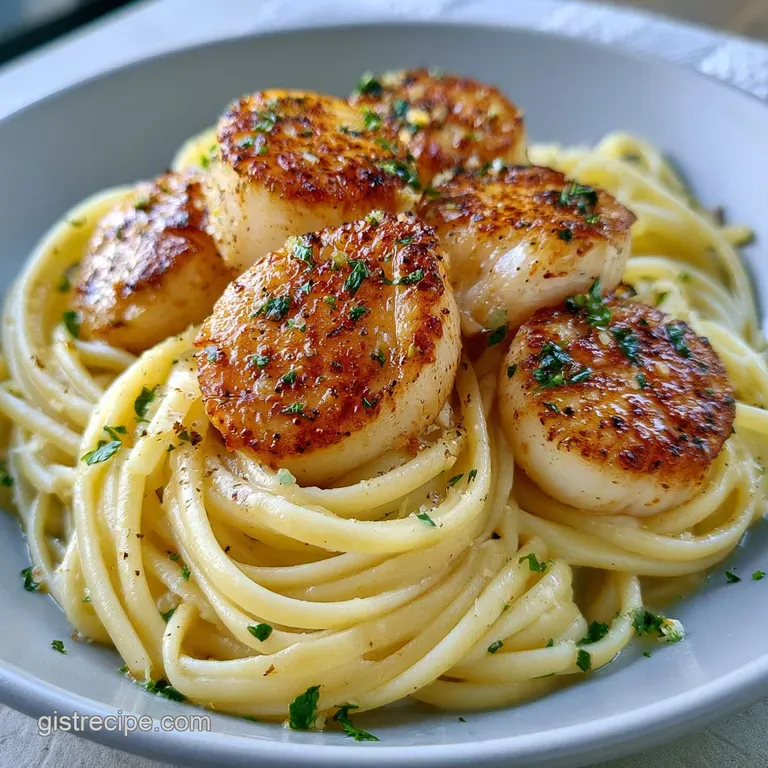
When things go sideways with this scallops served over creamy parmesan linguine recipe, it's usually a temperature issue. Whether it's the pan for the scallops or the heat for the cheese, small shifts make a big difference.
Why Your Scallops Are Rubbery
This is the most common complaint. Rubbery scallops happen because they've been overcooked or cooked too slowly. If the pan wasn't hot enough, the scallops release water and "stew" rather than sear. This toughens the protein fibers.
Fixing a Broken Sauce
If your sauce looks grainy or has oil separating from the cream, the heat was likely too high when the cheese was added. You can sometimes save this by whisking in a tablespoon of warm pasta water or a tiny bit more cream over very low heat.
Preventing Sticky Pasta
Linguine can clump together if it sits too long after draining. The fix is to move the pasta directly from the water into the sauce. Never let the pasta sit in the colander for more than 30 seconds.
| Problem | Root Cause | Solution |
|---|---|---|
| Grey Scallops | Pan not hot enough | Wait for oil to smoke before adding |
| Sauce too thick | Not enough pasta water | Whisk in 1-2 tbsp pasta water |
| Cheese Clumping | Heat too high during stir | Remove pan from heat before adding cheese |
Common Mistakes Checklist:
- ✓ Did you pat the scallops dry? (Crucial for the crust)
- ✓ Did you reserve the pasta water? (Crucial for the texture)
- ✓ Did you avoid crowding the pan? (Crucial for the sear)
- ✓ Did you remove the pan from heat before adding cheese? (Crucial for smoothness)
- ✓ Did you cook the pasta 2 minutes under? (Crucial for the bite)
Swapping Ingredients
If you're tweaking the scallops served over creamy parmesan linguine recipe for a specific diet or preference, you have a few options. The core of the dish is the balance of salt, fat, and acid, so as long as you maintain that, you're golden.
For those wanting to reduce the sodium, skip the salted butter and use a low sodium chicken stock instead of some of the wine. However, don't cut the salt in the pasta water - that's where the primary seasoning for the linguine happens. Without it, the pasta will taste flat, no matter how good the sauce is.
If you want to boost the protein, you can add a handful of sautéed shrimp or even some thin strips of pancetta. If you add pancetta, render it first in the pan, remove it, and use that rendered fat for the scallops. It adds a smoky depth that pairs beautifully with the parmesan.
For the cream, if you find heavy cream too rich, you can use a mixture of half and half and a teaspoon of cornstarch slurry. It won't be as velvety, but it'll be lighter on the stomach. Just be careful not to over thicken it, or it'll feel like a paste.
Scaling Your Meal
Adjusting this recipe for different group sizes is straightforward, but you can't just multiply everything by four and hope for the best.
Scaling Down (For 2 people): Use a smaller skillet (8 or 10 inch) to keep the heat concentrated. Reduce the pasta cooking time by about 30 seconds since smaller batches often cook faster. For the garlic, just use 2 cloves instead of 3 to keep the flavor balanced.
Scaling Up (For 8+ people): This is where people mess up. Do NOT try to sear 2 lbs of scallops in one pan. You'll crowd the pan, the temperature will plummet, and you'll get boiled scallops. Work in batches of 4-6 scallops at a time. Let the pan come back up to a smoking heat between every batch.
For the sauce, you can double the liquids and cheese, but increase the salt and pepper to only 1.5x the original amount. Over salting is easy when you scale up, especially with the saltiness of the Parmigiano Reggiano.
Truth About Scallops
There are a few myths floating around the kitchen that can actually ruin your dinner. Let's clear them up so you can cook with confidence.
First, some people say you should "wash" your scallops in cold water. Please don't do this. Adding more moisture to the surface is the opposite of what we want. If your scallops have those little "tough" bits on the side (the foot), just pinch them off with your fingers.
Second, the idea that searing "seals in the juices" is a total myth. Searing creates a crust and adds flavor through the browning process, but it doesn't create a waterproof barrier. The moisture still leaves the scallop; the goal is to get that crust before too much moisture leaves the center.
Finally, some believe you need an expensive sous vide machine to get "perfect" scallops. While it's a cool tool, the over high heat sear method is the gold standard for a reason. The contrast of the crisp exterior and the buttery interior is something a water bath just can't replicate.
Storage and Leftovers
Seafood and cream sauce are a tricky combination for leftovers. Ideally, this dish is eaten the moment it hits the plate, but if you have extras, here's how to handle them.
Fridge Storage: Store the pasta and scallops in separate airtight containers. The pasta will absorb the sauce as it sits, turning into a thick mass. Store for up to 2 days.
Freezing: Honestly, don't freeze this. The cream sauce will break and become grainy when thawed, and the scallops will lose their texture, becoming rubbery. It's just not worth the effort.
Reheating: To reheat the pasta, add a splash of milk or water to the pan over medium low heat. This loosens the sauce back up. For the scallops, a quick 60 second sear in a hot pan is better than the microwave, which will make them tough.
Zero Waste Tips: If you have leftover white wine, use it for a risotto. Those leftover scallop "feet" or small bits can be tossed into a seafood chowder. And don't throw away the parmesan rinds! Toss them into a simmering pot of vegetable or chicken soup for a massive boost of umami.
Best Pairings
Since this scallops served over creamy parmesan linguine recipe is quite rich, you need sides that bring a bit of crunch or acidity to the table.
A simple arugula salad with a sharp lemon vinaigrette is the perfect companion. The peppery bite of the greens cuts right through the creamy sauce. Alternatively, some roasted asparagus with a drizzle of balsamic glaze adds a nice earthy element.
If you're feeling fancy, pair this with a chilled glass of the same white wine you used in the sauce. The mirrored flavors create a cohesive dining experience. Just keep the sides light; the pasta and scallops are the stars of the show, and you don't want to overwhelm the palate.
I hope you love this scallops served over creamy parmesan linguine recipe as much as I do. It's a reliable, comforting classic that proves you don't need to be a professional chef to make something that feels truly special. Just remember: pat them dry, get the pan hot, and don't forget that pasta water. Happy cooking!
High in Sodium
1120 mg 1120 mg of sodium per serving (49% 49% of daily value)
The American Heart Association recommends a daily sodium limit of no more than 2,300 mg (and ideally closer to 1,500 mg for some adults) to reduce the risk of cardiovascular disease.
Tips to Reduce Sodium
-
Reduce Pasta Water Salt-30%
Cut the 1 tbsp of kosher salt in the boiling water by half or omit it entirely; most of this salt is drained away, but it still contributes to the overall dish profile.
-
Omit Added Seasoning Salt-25%
Replace the 1/2 tsp of salt used for the scallops with extra black pepper or a pinch of smoked paprika to maintain flavor depth.
-
Limit Parmigiano Reggiano-15%
Reduce the cheese to 1/4 cup or substitute a portion with nutritional yeast for a similar nutty, savory taste with significantly less sodium.
-
Increase Fresh Acidity-10%
Double the fresh lemon juice to 2 tbsp; increased acidity tricks the palate into perceiving more saltiness than is actually present.
-
Enhance Fresh Herbs
Add extra fresh parsley or include chopped chives to increase the aromatic profile of the sauce without adding any sodium.
Recipe FAQs
How to get a mahogany crust on the scallops?
Pat scallops completely dry with paper towels. Heat avocado oil in a 12 inch cast iron skillet until it just begins to smoke before searing undisturbed for 2 minutes.
Can I use a different pasta like fettuccine?
Yes, fettuccine is a great alternative. It has a similar shape and weight to linguine, allowing it to carry the creamy parmesan sauce effectively.
Why did my cheese sauce separate or become grainy?
The pan was likely too hot. Remove the pan from the heat or lower it to a simmer before stirring in the Parmigiano Reggiano to ensure a smooth melt.
Is it true that this dish freezes well for meal prep?
No, this is a common misconception. Freezing causes the cream sauce to break and the scallops to become rubbery and unpleasant upon thawing.
How to ensure the pasta stays al dente?
Cook the linguine for 1-2 minutes less than the package directions. This prevents the pasta from becoming mushy when it finishes cooking in the sauce.
Can I swap avocado oil for extra virgin olive oil?
No, avoid olive oil for searing. Avocado oil is required because it has a higher smoke point, which is necessary to achieve a proper crust without burning.
How to fix the sauce if it's too thick?
Stir in the reserved starchy pasta water. Add it a tablespoon at a time until you reach a velvety consistency. If you enjoyed mastering this cream based texture, see how the same principle works in our classic Mornay sauce.
Creamy Parmesan Scallop Linguine