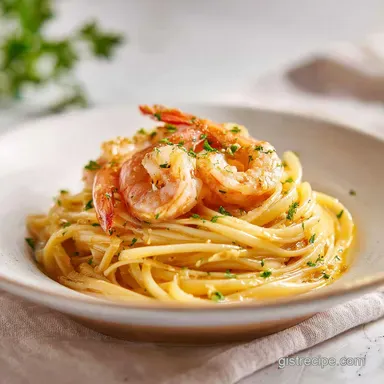
25 Minute Shrimp Scampi over Pasta: Garlic Butter Sauce
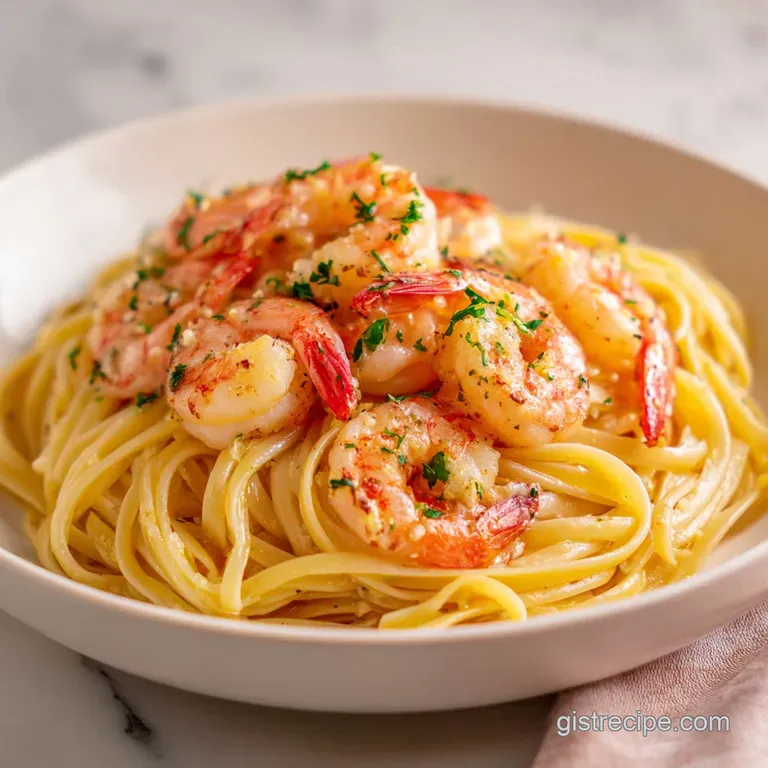
- Time: 10 min prep + 15 min cook = Total 25 minutes
- Flavor/Texture Hook: Velvety garlic butter sauce with snappy, seared shrimp
- Perfect for: Busy weeknights or a last minute impressive date night
That sharp, buttery hit of garlic hitting a hot pan is a smell that just stops you in your tracks. It's the scent of a kitchen that's about to produce something comforting, fast, and totally satisfying.
I remember the first time I tried making this, I overcooked the shrimp until they were like rubber bands, but once I learned the "sear and remove" trick, it changed everything.
There's a bit of a cultural quirk here. While we call it "scampi" in the US, the original Italian dish used langoustines (actual scampi). We swapped them for shrimp because they're easier to find, and honestly, they work just as well.
Here is the ultimate 25 Minute Shrimp Scampi over Pasta Recipe for your next weeknight meal.
You can expect a dish that feels high end but uses basic pantry staples. We're talking about a bright, zesty sauce that clings to the noodles rather than pooling at the bottom of the bowl. It's a reliable classic that doesn't require any fancy equipment, just a couple of pans and a bit of timing.
25 Minute Shrimp Scampi over Pasta
The beauty of this dish is the balance. You have the richness of the butter, the acidity of the lemon and white wine, and the punch of fresh garlic. When these hit the heat, they create a sauce that is light yet deeply savory. It's the kind of meal that makes your house smell like a bistro in under half an hour.
I've found that the biggest hurdle for most home cooks is the timing. You don't want the pasta to get mushy while you're fiddling with the shrimp, and you definitely don't want the shrimp to overcook while you're boiling water. The trick is the overlap.
By the time the linguine is just shy of al dente, your shrimp should be resting on a plate, and your sauce should be reducing.
If you're looking for something equally comforting but with a different protein, my Beef and Rotini recipe is another great option for those nights when you want something hearty. But for a lighter, zesty vibe, this scampi is unbeatable.
Secrets of the Silky Sauce
To get that restaurant style finish, you have to understand how the ingredients are actually interacting in the pan. It's not just about mixing things together, it's about how they bind.
- The Starch Bridge: Reserved pasta water contains starch that acts as a bridge between the fats (butter/oil) and the liquids (wine/lemon), preventing the sauce from separating.
- Fat Temperature Control: Mixing olive oil with butter raises the smoke point, allowing you to sear the shrimp at a higher heat without burning the butter solids.
- Acidic Balance: The white wine and lemon juice cut through the heavy butter, brightening the flavor and preventing the dish from feeling too greasy.
- The Fond Effect: Searing the shrimp first leaves behind browned bits (fond) on the pan, which then dissolve into the wine to add a deeper, savory layer to the sauce.
The difference between a "fast" version and a "classic" version usually comes down to the patience with the reduction. A classic approach might simmer the sauce longer, but for a 25 minute window, we use a over high heat reduction that keeps the garlic fresh and the flavors punchy.
| Feature | Fast Method (This Recipe) | Classic Method |
|---|---|---|
| Prep Time | 10 minutes | 30-45 minutes |
| Shrimp Prep | Peeled/Deveined | Shell on infusion |
| Sauce Base | Wine & Butter reduction | Slow garlic confit |
| Texture | Bright and snappy | Rich and mellow |
The goal here is speed without sacrificing the velvety mouthfeel. By using the pasta water and tossing the noodles directly in the pan, the pasta absorbs the sauce rather than just being coated by it.
The Component Breakdown
Understanding what each part does helps you make better decisions if you're missing an ingredient. For example, if you don't have white wine, you'll know exactly what you're replacing (the acidity and the depth).
| Ingredient | Science Role | Pro Secret |
|---|---|---|
| Pasta Water | Binding agent | Always scoop it out before draining the pasta |
| Dry White Wine | Flavor concentrate | Use a crisp wine like Pinot Grigio for cleaner acidity |
| Unsalted Butter | Emulsion base | Use cold butter at the end for a glossier finish |
| Fresh Garlic | Aromatic punch | Mince it fresh, never use the pre jarred stuff |
Most people overlook the lemon zest, but it's actually where the most intense citrus oils live. While the juice provides the sour note, the zest provides the fragrance. Together, they create a three dimensional flavor profile.
The choice of pasta also matters. Linguine provides more surface area than spaghetti, which means more sauce clings to every bite. Angel hair is a great alternative if you're in a massive rush, but it requires a much lighter touch so it doesn't break apart during the final toss.
The Pantry List
For this 25 Minute Shrimp Scampi over Pasta, keep your ingredients organized. This is a fast moving recipe, and you don't want to be chopping parsley while your garlic is burning.
- 450g (1 lb) linguine or angel hair pastaWhy this? Flat noodles hold the garlic butter sauce better
- 15g (1 tbsp) kosher salt (for the boiling water)
- 450g (1 lb) large raw shrimp, peeled and deveined Why this? Large shrimp stay plump and don't overcook as quickly
- 57g (4 tbsp) unsalted butter, divided
- 30ml (2 tbsp) extra virgin olive oil
- 25g (5 cloves) garlic, minced Why this? Fresh garlic provides a sharp, clean heat
- 120ml (½ cup) dry white wineWhy this? Deglazes the pan and adds complex acidity
- 15ml (1 tbsp) fresh lemon juice
- 1.5g (¼ tsp) red pepper flakes (optional)
- 15g (¼ cup) fresh parsley, chopped
- 6g (1 tbsp) lemon zest
- 25g (¼ cup) grated Parmesan cheese (optional)
- Salt and black pepper to taste
If you don't buy your shrimp already peeled and deveined, you can clean them yourself to ensure they are perfectly prepped for the pan.
| Original Ingredient | Substitute | Why It Works |
|---|---|---|
| Dry White Wine | Chicken Broth + Lemon | Similar savory depth. Note: Lacks the fermented complexity of wine |
| Linguine | Spaghetti | Very similar shape and starch content |
| Unsalted Butter | Ghee | Higher smoke point. Note: Slightly nuttier flavor |
| Parmesan Cheese | Pecorino Romano | Saltier, sharper profile. Note: Use less to avoid over salting |
Remember that the butter needs to be unsalted so you can control the seasoning. Since the pasta water is heavily salted and the Parmesan adds more salt, using salted butter can often push the dish into "too salty" territory.
Essential Kitchen Tools
You don't need a professional kitchen to nail this. In fact, using too many pots just means more cleanup. I stick to the basics for this one.
First, you'll need a large pot for the pasta. Make sure it's big enough that the noodles have room to move, otherwise they'll clump together and you'll lose some of that precious starchy water.
Second, a wide skillet is non negotiable. A large stainless steel or cast iron skillet is best because it gives the shrimp plenty of room. If the pan is too crowded, the shrimp will steam in their own juices instead of searing, and you'll miss out on that golden brown crust.
Finally, a pair of tongs and a microplane for the lemon zest. The microplane is a lifesaver here, as it lets you get the zest without hitting the bitter white pith of the lemon.
The step by step Process
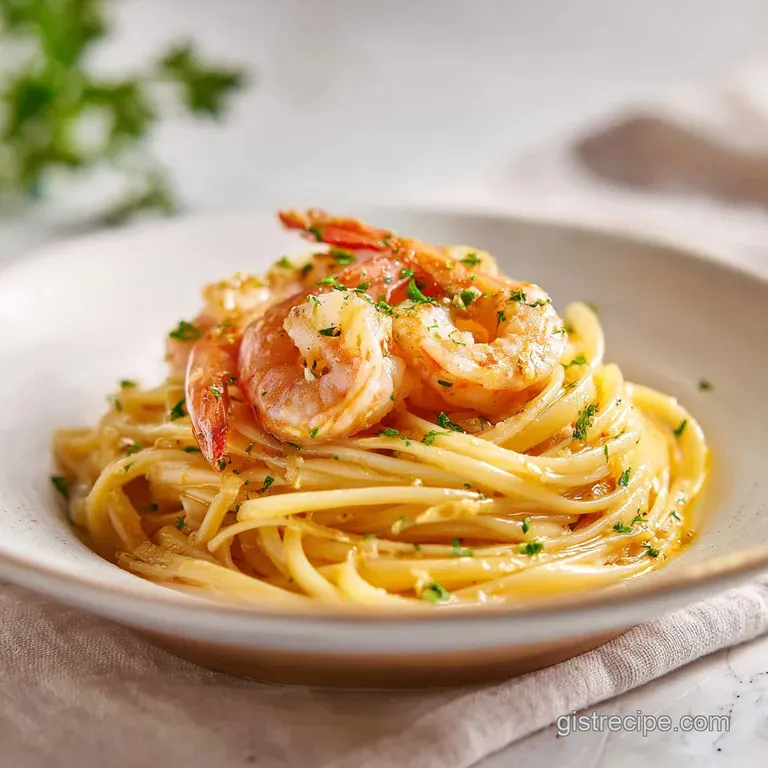
Right then, let's get cooking. The key here is momentum. Once the water is boiling, everything else happens in a quick sequence.
Phase 1: The Pasta Foundation
Bring a large pot of salted water to a rolling boil. Add the linguine and cook until just shy of al dente, which is usually 1-2 minutes less than the package directions.
Note: The pasta will finish cooking in the sauce, so undercooking it now prevents mushiness later. Before draining, scoop out 1 cup of starchy pasta water and set it aside.
Phase 2: The over High heat Sear
While the pasta boils, heat the olive oil and 1 tbsp of butter in the skillet over medium high heat. Add the shrimp in a single layer. Sear for 1-2 minutes per side until the edges are opaque pink and the centers are just cooked through.
Remove the shrimp immediately to a plate so they don't overcook.
Phase 3: The Sauce Emulsion
In the same skillet, lower the heat to medium and add the remaining butter. Stir in the minced garlic and red pepper flakes, sautéing for 60 seconds until fragrant but not browned. Pour in the white wine, scraping the bottom of the pan to release the savory bits.
Let the liquid reduce by half, which takes about 3 minutes.
Phase 4: The Final Toss
Return the shrimp and their juices to the pan. Add the cooked pasta, lemon juice, and lemon zest. Toss rapidly, adding the reserved pasta water 2 tablespoons at a time, until the sauce coats the noodles in a velvety glaze. Stir in fresh parsley and remove from heat.
Chef's Tip: To get an even better sear on the shrimp, pat them completely dry with paper towels before they hit the pan. Any surface moisture will cause the shrimp to steam rather than brown, and you'll lose that beautiful golden crust.
If you're craving a different kind of garlic flavor, you can incorporate a Garlic Parmesan sauce into other pasta dishes, but for scampi, this wine based reduction is the classic way to go.
Fixing Common Sauce Issues
Even with a reliable recipe, things can go sideways if the heat is too high or the timing is off. Most of these issues are easily fixed if you catch them before the plate hits the table.
The Sauce is Too Oily
This usually happens if the butter separates from the wine or if you didn't use enough pasta water. The fat needs a binder to stay emulsified. If you see pools of oil, add another splash of pasta water and toss vigorously. The starch will pull the oil back into the sauce.
The Shrimp are Rubbery
Rubbery shrimp are the result of overcooking. Shrimp cook incredibly fast, and they continue to cook for a minute even after they leave the pan. Always pull them off when they just barely turn opaque.
If they've already gone rubbery, you can't "fix" them, but you can mask it by adding a bit more lemon juice to brighten the dish.
The Garlic Tastes Bitter
Bitter garlic means it burned. Garlic has a very low burn point, and once it turns dark brown or black, the flavor becomes acrid. If this happens, you'll have to wipe the pan and start the sauce phase over. To prevent this, always lower the heat before adding the garlic to the butter.
| Problem | Root Cause | Solution |
|---|---|---|
| Sauce too thin | Not enough reduction | Simmer wine for 1-2 more minutes |
| Pasta too dry | Not enough pasta water | Add reserved water 1 tbsp at a time |
| Bland flavor | Missing salt or acid | Add a squeeze of fresh lemon or pinch of salt |
Common Mistakes Checklist:
- ✓ Patting shrimp dry before searing
- ✓ Removing shrimp before they curl into tight "O" shapes
- ✓ Saving pasta water before draining
- ✓ Using fresh garlic instead of jarred
- ✓ Keeping the garlic from browning too quickly
Flexible Flavor Swaps
One of the best things about this 25 Minute Shrimp Scampi over Pasta is how easily it adapts to what you have in the fridge. You can lean into the creaminess or keep it light and zesty.
If you want a Creamy Shrimp Scampi Pasta Recipe, simply stir in 2 tablespoons of heavy cream or a dollop of mascarpone during the final toss. This transforms the sauce into something richer and more indulgent, though it slightly mutes the brightness of the lemon.
For those looking for a low carb Italian swap, replace the linguine with zucchini noodles (zoodles) or spaghetti squash. If using zoodles, don't boil them. Just toss them into the pan at the very end for 1-2 minutes so they stay crisp.
You can also pivot the protein. While shrimp is the star, scallops work beautifully with this same sauce. Just remember that scallops need a higher heat and a slightly longer sear to get that professional crust.
Decision Shortcut: If you want it richer, add a splash of heavy cream. If you want it spicier, double the red pepper flakes. If you want it lighter, swap pasta for zucchini noodles.
Debunking Kitchen Myths
There are a few common beliefs about shrimp and pasta that actually hinder the process. Let's clear those up so you can cook with confidence.
First, the idea that searing meat or shrimp "seals in the juices." This is a myth. Searing doesn't create a waterproof barrier; instead, it creates flavor through browning. The moisture loss happens regardless of how you sear, but the trade off for that flavor is well worth it.
Second, the belief that frozen shrimp are inferior to fresh. In many cases, "fresh" shrimp at the store were frozen on the boat anyway. As long as they are thawed properly in the fridge and patted dry, frozen shrimp perform identically to fresh ones in this recipe.
Finally, some think you should rinse pasta after draining. Please, don't do this! Rinsing washes away the starch that we rely on to make the sauce cling to the noodles. Keep that starch for a velvety result.
Keeping Leftovers Fresh
Since this is a 25 Minute Shrimp Scampi over Pasta, it's designed to be eaten immediately, but leftovers are still great if handled correctly.
Storage Guidelines Store the leftovers in an airtight container in the fridge for up to 3 days. Be aware that the pasta will absorb the sauce as it sits, so the dish will look drier the next morning.
Reheating Tips Avoid the microwave if possible, as it can make the shrimp rubbery. Instead, heat a small skillet over medium heat with a teaspoon of water or butter. Add the pasta and shrimp, tossing gently until heated through. This restores the emulsion of the sauce.
Freezing I don't recommend freezing this dish. The pasta texture degrades significantly, and the shrimp can become mealy. It's best enjoyed fresh or from the fridge.
Zero Waste Tips If you bought shrimp with the shells and heads, don't throw them away! Toss them into a pot with some onion scraps, celery, and water. Simmer for 20 minutes to create a quick shrimp stock.
You can freeze this stock and use it as a base for a seafood risotto or another pasta dish later on.
Best Side Dish Pairings
Because the scampi is so rich and garlicky, you need sides that provide a crisp, fresh contrast. Something acidic or green balances the butter perfectly.
A simple arugula salad with a light lemon vinaigrette is a classic choice. The peppery bite of the arugula cuts through the richness of the butter sauce, refreshing your palate between bites.
If you want something more substantial, a side of roasted asparagus or sautéed spinach works well. For a bit of a twist, try pairing this with my Homemade Corn Salsa. While it's not traditionally Italian, the sweetness of the corn and the zing of the lime provide a surprising and refreshing counterpoint to the savory garlic shrimp.
Another great option is a piece of crusty sourdough bread. You'll want it to soak up every last drop of that velvety sauce left on the plate. Trust me, leaving that sauce behind is a crime.
This 25 Minute Shrimp Scampi over Pasta is the ultimate proof that you don't need hours of prep to get a meal that feels special. It's reliable, comforting, and foolproof. Now, go get that garlic sizzling!
Recipe FAQs
How to prevent shrimp from getting rubbery?
Sear for 1-2 minutes per side and remove them immediately to a plate. Only return them to the pan at the very end to warm through with the pasta.
Can I use a different pasta than linguine?
Yes, angel hair works perfectly. Just ensure you cook it until just shy of al dente to prevent it from becoming mushy during the final toss.
Why is my sauce too thin or watery?
You likely didn't reduce the white wine enough. Allow the liquid to reduce by half, which takes about 3 minutes, before adding the shrimp and pasta back in.
Is it true I should brown the garlic for a deeper flavor?
No, this is a common misconception. Sauté the garlic for only 60 seconds until fragrant; if it browns, the sauce will taste bitter.
How to get the sauce to cling to the noodles?
Add reserved starchy pasta water two tablespoons at a time while tossing rapidly. This emulsifies the butter and wine into a velvety coating that sticks to the pasta.
What side dish pairs best with shrimp scampi?
A crisp, acidic side balances the rich butter sauce. This pairs excellently with a classic coleslaw to provide a refreshing contrast.
Can I use frozen shrimp for this recipe?
Yes, but they must be fully thawed and patted dry. Excess moisture will cause the shrimp to steam instead of searing, preventing a proper golden brown crust.
25 Minute Shrimp Scampi