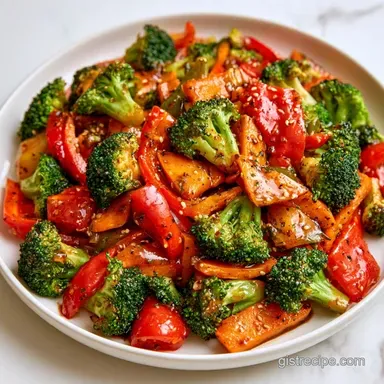
Quick Healthy Vegetable Stir Fry: Crisp and Colorful
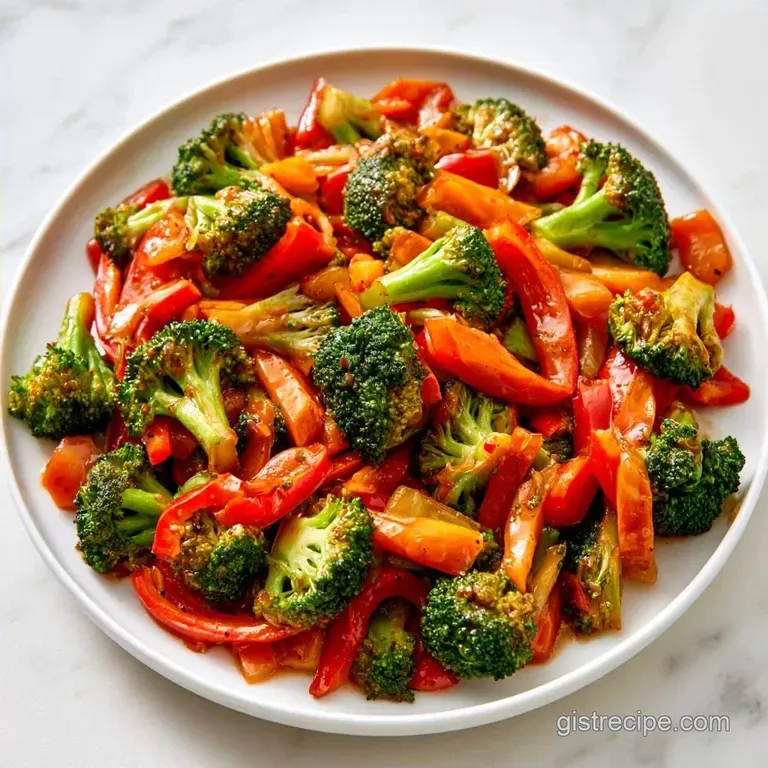
- Time: 15 min active prep + 15 min cooking
- Flavor/Texture Hook: Vibrant, snap fresh vegetables in a glossy, salty sweet glaze
- Perfect for: Busy weeknight dinners or healthy meal prep
- Making a Quick Healthy Vegetable Stir Fry
- Essential Ingredients and Swaps
- Recipe Specs
- The Toolkit for Success
- Step-by-Step Cooking Process
- Fixing Common Cooking Issues
- Adjusting Portion Sizes
- Vegetable Stir Fry Myths
- Storage and Scrap Saving
- Best Sides for Stir Fry
- Fun Flavor Variations
- Recipe FAQs
- 📝 Recipe Card
Nothing beats the sound of a searing wok. That intense sizzle as fresh vegetables meet hot oil signals that a great meal is on its way. In the past, my stir fries often turned into soggy, gray mounds of steamed vegetables.
I eventually discovered that the secret lay in managing my pan temperature and the sequence of ingredients.
Things improved the moment I stopped filling the pan too full and began adding components in waves. This Quick Healthy Vegetable Stir Fry embodies those discoveries. The key is maintaining high heat and constant motion, ensuring the glaze coats every piece instead of settling in a puddle at the base of the dish.
The result is a dish with broccoli that retains its crunch, carrots that are soft but firm, and a sauce with a sharp, savory kick. It is a light yet satisfying meal that takes just 30 minutes from the first slice to the table.
Making a Quick Healthy Vegetable Stir Fry
- Staged Entry: Introducing the heartiest vegetables first ensures they tenderize while the fragile greens remain bright. This avoids the mushy consistency often found in one-pot veggie meals.
- Cornstarch Slurry: Mixing cornstarch into cold sauce ensures a smooth texture without lumps. Once heated, it thickens rapidly into a glossy glaze that adheres perfectly to the produce.
- High Heat Searing: An oil with a high smoke point lets the edges of the vegetables char. This smoky depth provides a necessary counterpoint to the honey's sweetness.
| Method | Time | Texture | Best For |
|---|---|---|---|
| Fast Sear | 15 min | Crisp & Snappy | Weeknights / Freshness |
| Classic Braise | 40 min | Soft & Integrated | Slow Cooking / Stews |
Now, let's discuss equipment. While a professional wok is helpful, it isn't mandatory. A wide, heavy bottomed frying pan is a great alternative. The main requirement is ample surface area to keep the vegetables from overcrowding. When they pile up, they steam instead of sear, leading to a soggy result.
If your pan is on the smaller side, simply cook the vegetables in two turns and combine them at the end.
Essential Ingredients and Swaps
The beauty of a vegetable stir fry is the flexibility. I've used almost every vegetable in the crisper drawer for this. However, for this specific version, we're focusing on a balance of sweetness, earthiness, and crunch.
The broccoli provides the structure, while the red bell peppers add a bright, fruity note. Carrots bring a natural sweetness and a great color contrast. Sugar snap peas are the finishing touch, adding a fresh, grassy pop.
For the sauce, we use a mix of soy sauce for salt, honey for sweetness, and rice vinegar for that necessary tang.
Fresh ginger and garlic are non negotiable here. They provide the aromatic base that makes the dish taste like it came from a kitchen rather than a microwave. Avocado oil is my go to because it can handle the high heat without smoking or adding a weird flavor to the food.
| Original Ingredient | Substitute | Why It Works |
|---|---|---|
| Avocado Oil (2 tbsp) | Grapeseed Oil (2 tbsp) | High smoke point. Note: Neutral flavor, similar to avocado oil |
| Low Sodium Soy Sauce (1/4 cup) | Coconut Aminos (1/4 cup) | Similar salty sweet profile. Note: Lower sodium, slightly sweeter |
| Honey (1 tbsp) | Maple Syrup (1 tbsp) | Natural liquid sweetener. Note: Adds a slight woody flavor |
| Sugar Snap Peas (1 cup) | Snow Peas (1 cup) | Similar texture and flavor. Note: Slightly flatter shape |
| Broccoli (2 cups) | Cauliflower (2 cups) | Similar density. Note: Milder flavor, absorbs sauce well |
Recipe Specs
This recipe is designed for efficiency. With a total time of 30 minutes, it fits into the tightest schedules. The prep is the most time consuming part, but once the chopping is done, the actual cooking is a blur of activity.
The yield is 4 servings, making it great for a family dinner or a few days of lunches. Each portion is nutrient dense, packed with fiber from the broccoli and carrots, and balanced with healthy fats from the avocado oil and sesame oil.
Because we use honey and soy sauce, this recipe is naturally dairy-free. If you need it to be gluten-free, just ensure your soy sauce is replaced with Tamari or coconut aminos.
The Toolkit for Success
To get the best results, you'll want a few specific tools. A sharp chef's knife is the most important one. Since the vegetables need to be uniform in size to cook evenly, a dull knife just makes the prep take longer and increases the risk of uneven cuts.
A large wok or a 12 inch skillet is essential for the sear. If you use a small pan, you'll end up boiling the vegetables in their own juices. I also recommend a sturdy whisk or a fork for the sauce slurry to make sure no cornstarch lumps remain.
Finally, a silicone spatula or a wooden spoon is great for the constant tossing. You want something that can move the vegetables quickly without scratching your pan.
Step-by-step Cooking Process
Phase 1: The Mise en Place
- Cut the broccoli, bell peppers, carrots, sugar snap peas, and onion into uniform, bite sized pieces. Note: Consistent sizing ensures everything cooks evenly without some parts burning while others remain underdone.
- In a small bowl, combine the soy sauce, honey, rice vinegar, sesame oil, minced ginger, minced garlic, cornstarch, and water. Whisk until the cornstarch is fully dissolved and the mixture is smooth.
Phase 2: The over High heat Sear
- Heat 1 tbsp of avocado oil in the wok over medium high heat until it begins to ripple.
- Add the chopped onions and carrots. Stir fry for 2-3 minutes until the onions become translucent.
- Crank the heat up to high. Toss in the broccoli florets and red bell pepper slices.
- Stir the vegetables constantly for 3-4 minutes until the colors are vibrant and the edges are slightly browned.
- Stir in the sugar snap peas. Cook for an additional 2 minutes until the peas reach a bright, vivid green.
Phase 3: The Glaze Finish
- Give the sauce a final quick stir to mix in any cornstarch that has settled.
- Pour the prepared sauce over the vegetables.
- Stir continuously for about 1 minute until the liquid bubbles and thickens into a glossy glaze that coats every piece.
Fixing Common Cooking Issues
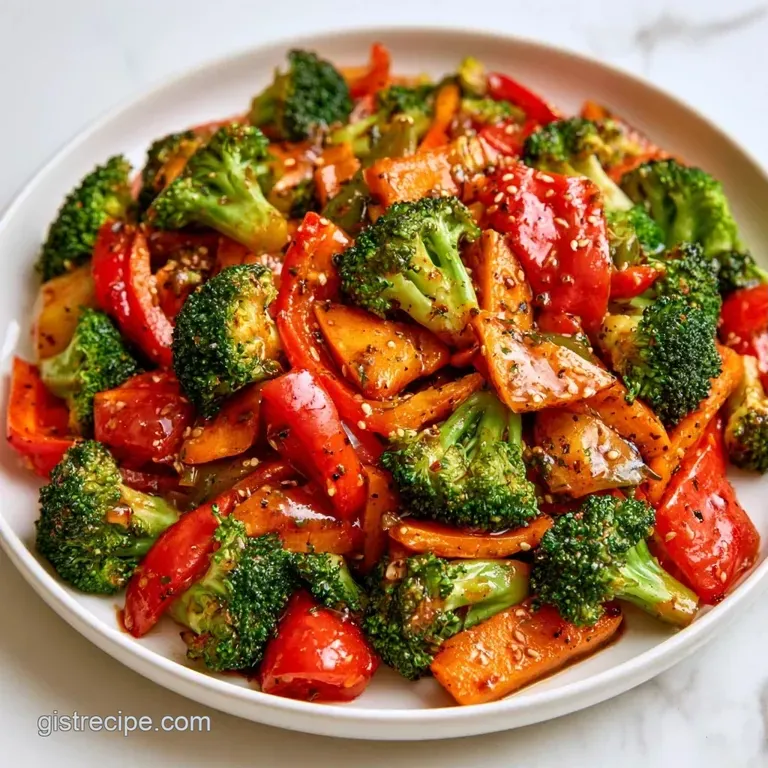
Many home cooks struggle with stir fry texture. Limp vegetables typically result from poor temperature control or overfilling the pan. I once tried doubling this batch in one pan, which essentially created a vegetable stew; the heat plummeted and the steam couldn't escape, causing the vegetables to boil instead of searing.
Sauce consistency is another frequent hurdle. A watery result means the cornstarch never reached its activation temperature. Conversely, a gluey paste suggests too much cornstarch or excessive reduction time.
Fixing Sogginess
This occurs if the cookware is overcrowded or lacks sufficient heat. Moisture released from the vegetables pools in the pan rather than evaporating. To prevent this, use a wider pan or sauté in smaller batches to maintain high temperatures.
Fixing a Thin Sauce
If your sauce remains thin, the heat was probably too low. To correct this, whisk a small amount of additional cornstarch into a teaspoon of water, stir it in, and increase the heat for 30 seconds.
Dealing with Burnt Garlic
Garlic scorches far quicker than broccoli or carrots, leading to a bitter flavor if added too early. To keep it fragrant, incorporate the garlic with the sauce or immediately before adding the liquid.
| Problem | Root Cause | Solution |
|---|---|---|
| Veggies are mushy | Overcrowded pan or too long cook time | Cook in batches; reduce stir fry time |
| Sauce is clumpy | Cornstarch wasn't dissolved | Whisk sauce thoroughly before adding |
| Bland flavor | Not enough acidity or salt | Add a splash of rice vinegar or soy sauce at the end |
| Oil is smoking | Heat is too high for the oil type | Lower heat slightly or use a higher smoke point oil |
Adjusting Portion Sizes
To make a smaller portion for one or two people, simply cut the ingredients in half. Switch to a smaller skillet and shave about 20% off the vegetable cook time. For the sauce, if you're including protein, whisk one egg and use half of it.
If you're feeding a crowd, you can double or triple the amounts, but avoid crowding the pan. Cook in separate stages. Brown the vegetables in two or three turns, setting them aside on a plate. Once everything is seared, return all the vegetables to the pan before stirring in the sauce.
Be careful when increasing the sauce; avoid simply doubling the salt and spices. Begin with 1.5x the soy sauce and sesame oil, then adjust to taste. Since liquids evaporate differently in larger quantities, you may require a bit less sauce to get the desired coating.
Vegetable Stir Fry Myths
One common myth is that you need a wok to get "wok hei" or the breath of the wok. While a wok is great, the actual flavor comes from the high heat and the rapid evaporation of moisture. Any heavy bottomed pan that can get very hot will work.
Another misconception is that you should sear vegetables to "seal in nutrients." Searing is for flavor and texture, not nutrition. While some vitamins are lost to heat, the flash cooking method used in a stir fry actually preserves more nutrients than boiling or long term steaming.
Some people think you need to blanch broccoli before stir frying. You don't. If you cut the florets into small, uniform bite sized pieces, they will cook through perfectly in the pan without losing their crunch.
Storage and Scrap Saving
This meal stays fresh in the refrigerator for 3-4 days. Keep it in a sealed glass container to prevent the vegetables from picking up other smells. To reheat, use a pan on medium heat for 3-5 minutes. I suggest skipping the microwave, as it can give the vegetables a rubbery texture.
Add a teaspoon of water while warming it up to loosen the sauce.
Rather than tossing your vegetable scraps, save them. Place carrot ends, peeled broccoli stems, and onion skins in a freezer bag. Once you've filled the bag, boil the trimmings in water with a few peppercorns to create a simple vegetable stock.
Any remaining sauce makes an excellent quick marinade for chicken or tofu. For more ways to incorporate veggies into your dinner, try my hidden vegetable pasta sauce.
Best Sides for Stir Fry
While this is a healthy meal on its own, adding a grain makes it more satisfying. Jasmine rice is the classic choice because its floral aroma complements the ginger and garlic. Brown rice or quinoa adds more fiber and a nuttier taste.
For something lighter, serve this over cauliflower rice or rice noodles. If you want an extra crunch, top the dish with toasted sesame seeds or sliced almonds.
This stir fry also pairs well with a side of steamed edamame or a crisp cucumber salad with sesame oil and rice vinegar. The coolness of the cucumber balances the heat of the wok.
Fun Flavor Variations
Feel free to customize this meal with a few simple adjustments. For an extra kick of heat, stir in a tablespoon of Sriracha or one teaspoon of red pepper flakes into the sauce. To add a nuttier flavor, toss in a handful of peanuts or cashews during the final two minutes of cooking.
If you want to include protein, sear tofu cubes, shrimp, or thinly sliced chicken in the pan first, set them aside, and then proceed with the vegetables. Fold the protein back in at the end with the sauce. For those seeking a heartier, meatier alternative, my Beef and Broccoli Sauce uses similar aromatics and pairs perfectly with this vegetable mix.
For a keto or low-carb version, skip the honey and use a small amount of a keto friendly sweetener like monk fruit or erythritol. Replace the cornstarch with a pinch of xanthan gum, though note that the texture will be slightly different.
You can further reduce the carb count by substituting the carrots with zucchini or more bell peppers.
Recipe FAQs
How to prevent the vegetables from becoming soggy?
Use high heat and toss the broccoli and peppers constantly for 3 4 minutes.
Tip: Slice all vegetables into similar sizes first to ensure they cook evenly.
Can I replace honey with another sweetener?
You can substitute a similar syrup or agave to maintain the glaze consistency.
Tip: For more plant based inspirations, try our cashew cheese sauce.
Is it true that adding all vegetables at once ensures even cooking?
No, this is a common misconception. Add onions and carrots first, followed by broccoli, peppers, and finally sugar snap peas.
Tip: Searing the edges of the broccoli and peppers on high heat adds a charred depth to the dish.
What's the best method for reheating leftovers?
Heat in a skillet over medium heat for 3 5 minutes.
Tip: Add a teaspoon of water during reheating to loosen the thickened sauce.
Why didn't my stir fry sauce thicken?
The cornstarch likely settled at the bottom of the bowl before being poured.
Tip: Give the sauce mixture a quick stir immediately before adding it to the wok.
Quick Healthy Vegetable Stir Fry