Quaker Oats Meatloaf Recipe: Tender and Juicy
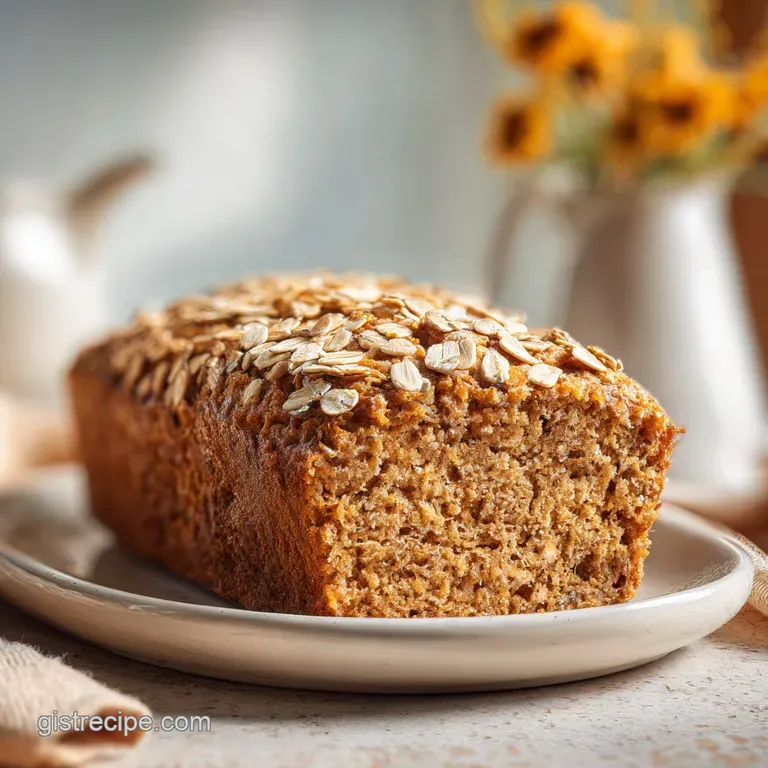
- Time: Active 15 minutes, Passive 1 hours, Total 1 hours 15 mins
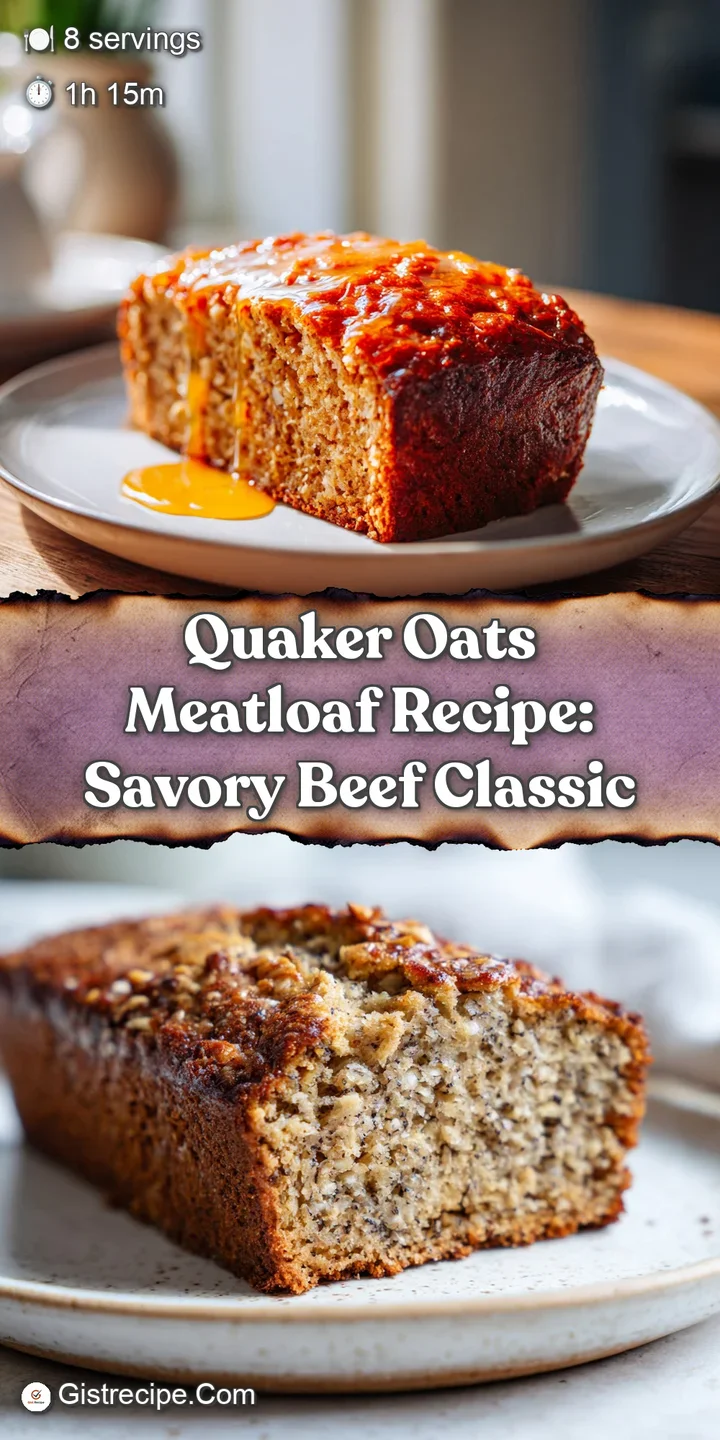
- Flavor/Texture Hook: Savory beef with a velvety, melt in-the mouth crumb
- Perfect for: Stress free weeknight dinners and budget-friendly meal prep
- Making the Best Quaker Oats Meatloaf Recipe
- Why Oats Create More Moisture
- Essential Time and Temperature Specs
- Fresh Ingredients for the Base
- Simple Tools for Best Results
- Clear Steps for Reliable Roasting
- Fixes for Sogginess or Crumbles
- Easy Ingredient and Diet Swaps
- Reheating and Cold Storage Tips
- Recommended Comfort Food Side Pairings
- Recipe FAQs
- 📝 Recipe Card
Making the Best Quaker Oats Meatloaf Recipe
The kitchen smells like childhood. It starts with the sharp, sweet aroma of ketchup and brown sugar caramelizing in the oven, followed by the heavy, savory scent of roasting beef. When you pull the pan out, you hear that distinct sizzle as the edges of the loaf crisp up against the pan.
I remember the first time I made this for my family, worrying it would be as dry as the versions I had grown up eating.
But as soon as the knife slid through the mahogany glaze, I knew this was different. The slice held its shape but felt tender, not bouncy or rubbery. It’s the kind of meal that makes everyone quiet down for a second because they're too busy enjoying that first warm bite.
We’ve all had meatloaf that tastes like a dense brick, but this method changes the entire experience.
You don't need fancy equipment or gourmet skills to get this right. It’s about understanding how a few simple ingredients work together to create something reliable and comforting. Let's look at why this specific quaker oats meatloaf recipe has stayed a classic for decades while other trends have faded away.
Why Oats Create More Moisture
- Starch Expansion: Oats act as tiny sponges that swell during cooking, soaking up the rendered beef fat and milk to prevent them from leaking out.
- gluten-free Structure: Unlike breadcrumbs, oats provide a soft bind without developing gluten, which ensures the meat stays tender rather than becoming tough or chewy.
- Surface Area: The flat shape of rolled oats creates a "shingle" effect within the meat mixture, locking in steam as it roasts.
| Thickness | Internal Temp | Rest Time | Visual Cue |
|---|---|---|---|
| 2.5 inches | 160°F | 10 minutes | Glaze is bubbly and dark maroon |
| 3 inches | 160°F | 12 minutes | Juices run clear when pierced |
| 1.5 inches (mini) | 160°F | 5 minutes | Sides pull away from the pan |
Meatloaf is all about heat penetration. Because we are using 1.5 lbs of ground beef, the center takes time to reach a safe temperature without the outside drying out. A steady 350°F oven allows the oats to fully hydrate while the exterior develops that savory, slightly tacky glaze we all love.
Essential Time and Temperature Specs
Component Analysis
| Ingredient | Science Role | Pro Secret |
|---|---|---|
| Quaker Oats (3/4 cup) | Moisture Binder | Toast them in a dry pan for 2 minutes for a nuttier flavor profile |
| Whole Milk (3/4 cup) | Protein Softener | Cold milk prevents the beef fat from melting too early in the mix |
| Large Egg (1) | Structural Adhesive | Beat it separately first to ensure even distribution without overworking the beef |
| 80/20 Beef (1.5 lbs) | Flavor and Fat | The 20% fat content is vital; leaner meat will result in a crumbly texture |
The chemistry here relies on the interaction between the liquid and the starch. By letting the oats soak in the milk and egg for a few minutes before adding the meat, you create a slurry that coats the protein fibers, protecting them from the high heat of the oven.
Fresh Ingredients for the Base
This list is based on the original quaker oats meatloaf recipe, designed to be easy on the wallet but big on flavor.
- 1.5 lbs ground beef (80/20 ratio): Use ground chuck for the best results. Why this? Provides enough fat to keep the loaf succulent throughout the long bake.
- Substitute: Ground turkey (93% lean) works, but add a tablespoon of olive oil.
- 3/4 cup Quaker Oats: Old Fashioned or Quick cooking. Why this? The starch profile is better for moisture retention than breadcrumbs.
- Substitute: Panko crumbs, though the texture will be significantly airier and less dense.
- 3/4 cup whole milk: Full fat is best. Why this? Adds richness and helps the oats hydrate into a velvety paste.
- Substitute: Beef broth for a dairy-free version, though it yields a less creamy crumb.
- 1 large egg: Lightly beaten. Why this? Acts as the glue to keep your slices from falling apart.
- Substitute: 1/4 cup unsweetened applesauce for a binder alternative.
- 1/4 cup onion: Finely chopped. Why this? Provides essential aromatics and extra moisture as the water evaporates.
- Substitute: 1 tablespoon onion powder if you have picky eaters who hate "bits."
- 1/2 cup ketchup: For the glaze and the mix. Why this? Adds acidity and sugar for that classic mahogany finish.
- Substitute: Tomato sauce with a splash of vinegar.
- 1 tbsp Worcestershire sauce: The savory backbone. Why this? Provides fermented depth and umami that salt alone can't achieve.
- Substitute: Soy sauce or tamari.
Simple Tools for Best Results
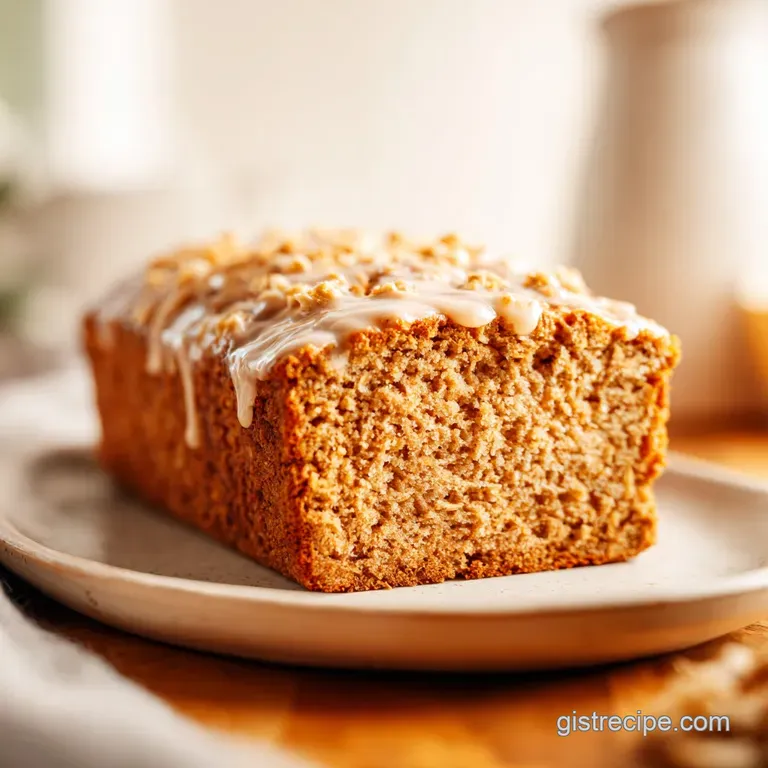
You don't need a specialized meatloaf pan; honestly, a standard 9x5-inch loaf pan or even a rimmed baking sheet works better. A baking sheet allows the heat to circulate around all sides, creating more surface area for the glaze to caramelize.
If you use a loaf pan, the meat effectively steams in its own juices, which is fine, but you lose that outer "crust."
A digital meat thermometer is the most important tool here. Guessing based on time alone is a mistake I once made that resulted in a dry, grey loaf. Trust the temperature, not the clock.
You'll also want a large mixing bowl glass or stainless steel is fine but make sure it’s big enough to move the meat around without squeezing it through your fingers.
Clear Steps for Reliable Roasting
Step 1: Preparing the Binding Liquid
Whisk the 1 egg in a large bowl. Add 3/4 cup whole milk, 1 tbsp Worcestershire sauce, 1 tsp salt, and 1/4 tsp pepper. Stir in the 3/4 cup Quaker Oats and let it sit for 5 minutes. Note: This "resting" period allows the oats to start absorbing liquid before they hit the oven.
Step 2: Mixing Beef and Aromatics
Add the 1.5 lbs ground beef and 1/4 cup finely chopped onion to the bowl. Use your hands or a sturdy fork to combine. Mix until the ingredients are just distributed and the white flecks of oats are visible throughout.
Step 3: Shaping for Even Heat
Transfer the mixture to a 9x5-inch loaf pan or shape it into a 9x5-inch rectangle on a rimmed baking sheet. Press firmly to remove air pockets but do not pack it down like a brick.
Step 4: Preparing the Tangy Glaze
In a small bowl, whisk together the remaining 1/2 cup ketchup and 1 tbsp brown sugar. This creates a thick, syrupy coating that will eventually shatter slightly when bitten.
Step 5: Applying the Ketchup Glaze
Spread the ketchup and sugar mixture evenly over the top of the loaf. Use the back of a spoon to ensure it reaches the edges, as these parts tend to brown the fastest.
Step 6: Baking and Monitoring
Place the pan in a preheated 350°F oven. Bake for 1 hours until the internal temperature reaches 160°F. Note: If the top browns too quickly, tent it loosely with foil for the last 15 minutes.
Step 7: Resting for Clean Slices
Remove the pan from the oven and let it sit for at least 10 minutes before cutting. This allows the proteins to firm up and the juices to redistribute.
Fixes for Sogginess or Crumbles
Preventing Slicing Crumbles
If your loaf falls apart, it's usually because it was sliced too hot. The binder needs time to cool and "set" the structure. Another culprit is under mixing; while we want to avoid a rubbery texture, you do need enough friction to help the proteins bond.
Managing Excessive Meat Grease
Using 80/20 beef means you will have some liquid fat in the pan. If you use a loaf pan, use a spoon to carefully drain the grease before slicing. If using a baking sheet, the fat will naturally run away from the loaf, leaving you with a crisper exterior.
| Problem | Root Cause | Solution |
|---|---|---|
| Loaf is mushy | Too much milk or raw onions | Squeeze onion juice out before adding; measure milk precisely |
| Top is burnt | Sugar in glaze scorched | Lower oven rack or tent with foil after 40 minutes |
| Center is raw | Loaf is too thick | Shape into a flatter rectangle rather than a tall mound |
This recipe is as classic as a Classic Coleslaw Recipe, and just like a good slaw, the balance of acidity and fat is what makes it work.
Common Mistakes Checklist:
- ✓ Never use extra lean beef (95/5); it will always turn out dry.
- ✓ Let the oat and milk mixture sit for a full 5 minutes before adding meat.
- ✓ Do not overwork the meat, or you will end up with a "bouncy" texture.
- ✓ Use a thermometer; 160°F is the magic number for safety and moisture.
- ✓ Always let the meat rest after baking to ensure clean slices.
Easy Ingredient and Diet Swaps
Making This Recipe gluten-free
The main quaker oats meatloaf recipe is easily adaptable. Simply ensure your oats are certified gluten-free. Most oats are naturally GF but are processed in facilities with wheat. Using a GF certified version keeps the texture identical to the original.
Adding Spices for Heat
If you find the classic version too mild, add a teaspoon of smoked paprika or half a teaspoon of cayenne pepper to the dry mix. You can also swap the ketchup in the glaze for a spicy BBQ sauce. This adds a nice kick without ruining the structural integrity of the loaf.
| Method | Time | Texture | Best For |
|---|---|---|---|
| Traditional Oven | 1 hours | Evenly browned, soft | Family Sunday dinner |
| Air Fryer | 35 minutes | Very crispy edges | Quick weeknight meal |
| Slow Cooker | 6 hours (Low) | Extremely tender, moist | Hands off preparation |
If you are looking for a completely different flavor profile for a party, you might enjoy my Buffalo Chicken Sliders recipe instead, but for pure comfort, stick with the oats.
Reheating and Cold Storage Tips
Storage Guidelines
Store any leftovers in an airtight container in the fridge for up to 4 days. Meatloaf actually tastes better the next day because the flavors have time to marry. For the best experience, slice it cold and sear the slices in a hot pan with a little butter for a "meatloaf sandwich" that has a crispy, shatter like crust.
Freezing and Zero Waste
You can freeze the unbaked loaf by wrapping it tightly in plastic wrap and then foil for up to 3 months. Thaw it completely in the fridge before baking. If you have small amounts of leftover meatloaf, crumble them into a pasta sauce or use them as a filling for stuffed peppers. Nothing should go to waste!
Recommended Comfort Food Side Pairings
The best part about this quaker oats meatloaf recipe is how well it plays with other classic sides. Mashed potatoes are the obvious choice, acting as a velvety bed for the savory meat. A side of steamed green beans or roasted carrots adds a much needed pop of color and freshness to the plate.
If you want to lean into the retro vibe, serve it alongside a crisp salad. I find that the creamy crunch of a Classic Coleslaw Recipe provides the perfect acidic contrast to the rich, beefy loaf. Whether it's a casual Tuesday or a cozy Sunday, this meal always hits the spot.
Recipe FAQs
Is meatloaf better with oats or breadcrumbs?
Oats are generally superior for moisture retention. Rolled oats absorb liquids slowly, creating a tender, velvety crumb that resists drying out, whereas breadcrumbs can sometimes release excess moisture.
What is the secret to making a good meatloaf?
The secret is letting the oats hydrate before mixing in the meat. Whisk the oats, milk, and egg first to create a binding slurry; this protects the protein structure from becoming tough during the bake.
What should I absolutely not put in meatloaf?
Do not use extra lean ground beef (like 95/5). Lean meats lack the necessary fat content (80/20 is ideal) required to carry moisture and flavor through the long cooking time.
Can I use regular oats instead of quick oats in meatloaf?
Yes, you can use regular (old-fashioned) oats. Just increase the soaking time for the oats in the milk mixture by about five minutes to ensure they soften adequately before baking.
How long should I mix the meatloaf mixture?
Mix only until the ingredients are just combined and uniform. Overmixing develops the meat proteins, resulting in a dense, rubbery texture instead of a tender loaf.
Why does my meatloaf stick to the pan?
This often happens when insufficient fat renders or the mixture is too tightly packed. Baking the loaf on a rimmed sheet pan instead of deep in a loaf pan allows fat to run off, promoting a crispier, less sticky bottom crust. This principle of fat control is also key when cooking many proteins, similar to how we manage rendered fat in our Simple Turkey and Rice Casserole recipe.
What is the safest internal temperature for cooking meatloaf?
The safe internal temperature is 160°F. Use a meat thermometer inserted into the thickest part of the center to verify this; resting the meat for 10 minutes after removal allows the temperature to slightly equalize and prevents slicing crumbles.
Quaker Oats Meatloaf Recipe
Ingredients:
Instructions:
Nutrition Facts:
| Calories | 295 kcal |
|---|---|
| Protein | 17.2 g |
| Fat | 14.6 g |
| Carbs | 13.1 g |
| Fiber | 1.1 g |
| Sugar | 8.5 g |
| Sodium | 533 mg |
