Authentic Musur Daler Recipe
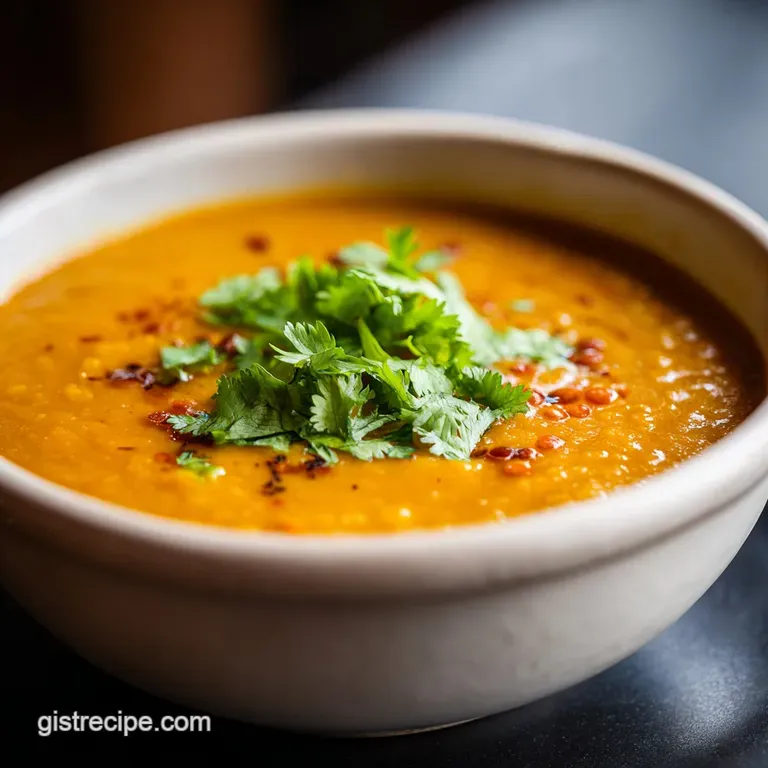
- Time: Active 10 minutes, Passive 20 minutes, Total 30 minutes
- Flavor/Texture Hook: Silky, earthy, and aromatic with a sharp, mustard oil sizzle
- Perfect for: Stressful weeknights, rainy days, or a simple vegan feast
- Master the Comfort of This Traditional Musur Daler Recipe
- Understanding the Essential Preparation for a Consistent Result
- Sourcing Quality Elements for a Truly Fragrant Lentil Base
- Choosing the Best Kitchen Tools for a Smooth Finish
- Following the Precise Method from Initial Rinse to Tempering
- Correcting Common Texture and Flavor Issues Before Serving
- Adapting the Base Dish with Clever Swaps and Variations
- Smart Strategies for Storing and Reheating Your Lentil Leftovers
- Curating the Ideal Side Dishes for a Complete Bengali Meal
- Myths Regarding Lentil Cooking
- Recipe FAQs
- 📝 Recipe Card
Master the Comfort of This Traditional Musur Daler Recipe
The first time I tried making this, I was huddled in a tiny apartment during a particularly brutal rainstorm. I wanted that specific, pungent aroma of mustard oil and the way it dances with nigella seeds, but I didn't have a recipe. I just started boiling lentils until they were soft, but something was missing.
It tasted flat and looked like a sad, beige porridge. It wasn't until I learned the art of the tempering the "phoron" that the whole thing clicked into place. The moment those dried chilies hit the oil and started to blister, the entire kitchen transformed.
Now, this is my go to when I need a hug in a bowl. It’s not just about the lentils; it’s about that specific sequence of heat and timing. You want the lentils to reach a velvety consistency where they almost merge with the water, creating a body that is light yet satisfying.
This isn't a thick, chunky soup; it’s a fluid, graceful dal that coats a spoon and clings to grains of rice. Trust me, once you nail the balance of the sharp green chilies against the earthy turmeric, you’ll never go back to the canned stuff.
We’ve all had those nights where we want something soul warming without spending two hours at the stove. This version is reliable, foolproof, and honestly, better than most restaurant versions because you control the "sizzle." We’re going to use simple red lentils masoor dal which cook incredibly fast.
No soaking required, no fancy gadgets. Just one pot, one small pan for the infusion, and a little bit of patience while the lentils soften into gold.
Understanding the Essential Preparation for a Consistent Result
The beauty of this dish lies in its simplicity, but a few scientific principles make it work. Red lentils are the chameleons of the legume world; they lack the tough outer skin found in green or brown lentils, which allows them to hydrate and disintegrate into a smooth puree much faster.
Starch Gelatinization: As the lentils boil, their starch molecules absorb water and swell until they burst, creating a natural thickening effect without needing flour or cream.
Lipid Soluble Aromatics: The active compounds in nigella seeds and dried chilies are fat soluble, meaning their flavor only truly unlocks when toasted in hot mustard oil.
| Method | Time | Texture | Best For |
|---|---|---|---|
| Pressure Cooker | 8 minutes | Completely uniform/smooth | Maximum speed and convenience |
| Traditional Stovetop | 20 minutes | Slightly textured/velvety | Better flavor development and control |
| Slow Cooker | 4 hours | Dense and very soft | Hands off meal prepping |
While this dal is a staple, if you're looking for more complex lentil based meals with a similar comforting vibe, you might want to try an Authentic Mohinga Recipe for a different regional take on savory broths.
Sourcing Quality Elements for a Truly Fragrant Lentil Base
Choosing the right ingredients is the difference between a dull meal and a vibrant one. We are using split red lentils (Masoor Dal) because they offer that signature quick cooking time and mild, nutty flavor profile.
The Component Deep Dive
| Ingredient | Science Role | Pro Secret |
|---|---|---|
| Mustard Oil | High smoke point and pungency | Always heat until it wisps smoke to mellow the "bite" |
| Turmeric Powder | Anti inflammatory and coloring | Add to cold water with lentils to prevent clumping |
| Nigella Seeds | Adds earthy, peppery notes | Use sparingly; their flavor intensifies as they sit |
| Fresh Tomatoes | Acidic balance | The acid helps cut through the starchiness of the lentils |
For the best results, you'll need: - 1 cup (200g) Split Red Lentils (Musur Dal) Why this? They cook fast and create a silky, naturally thick base. - 3 cups (720ml) Water Why this? This 1:3 ratio ensures a fluid, pourable consistency. - 0.5 tsp Turmeric
powder Why this? Provides the iconic golden hue and earthy undertones. - 1 tsp Salt - 3 Green chilies, slit lengthwise Why this? Slitting them releases heat without making the dal spicy hot. - 1 medium Tomato, chopped - 2 tbsp Mustard Oil
Why this? Essential for the authentic, pungent Bengali aroma. - 1 tsp Nigella seeds (Kalo Jeera) - 5 Garlic cloves, smashed and roughly chopped - 1 medium Onion, thinly sliced - 2 Dried red chilies - 1 handful fresh Cilantro, chopped
If you find mustard oil too strong, you can use ghee or a neutral vegetable oil, though you'll lose that specific traditional punch.
Choosing the Best Kitchen Tools for a Smooth Finish
You don't need a professional kitchen to pull this off, but a couple of specific items make the process much smoother. A heavy bottomed pot is crucial for the lentils; thin pots tend to have "hot spots" where the lentils might stick and burn to the bottom before they’re actually soft.
I always suggest a small frying pan specifically a tadka pan if you have one for the final tempering. This allows you to heat a small amount of oil very quickly and pour it directly into the dal while it’s still sizzling.
If you’re worried about the lentils not being smooth enough, a whisk can be your best friend. A quick vigorous whisking once the lentils are cooked will break down any stubborn pieces and create that velvety texture we’re after.
Chef's Note: If you want an even silkier result, use a traditional wooden hand blender (dal ghotni) to mash the lentils against the side of the pot once they're soft.
Following the Precise Method from Initial Rinse to Tempering
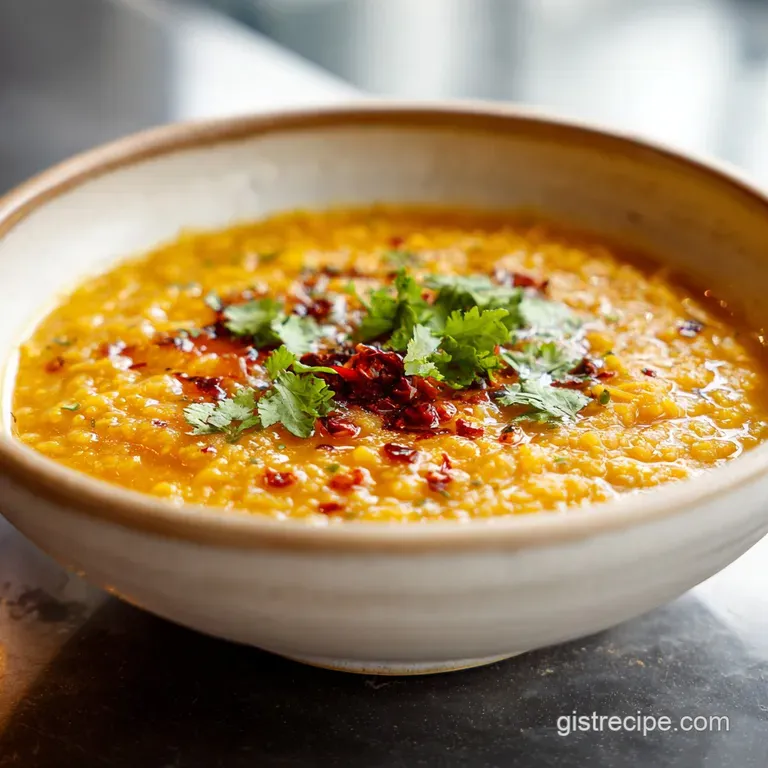
Success with this recipe depends on the "bloom" of the spices and the "breakdown" of the lentils. Follow these steps for a foolproof outcome.
Phase 1: The Lentil Base
- Rinse the lentils. Place 1 cup of red lentils in a fine mesh sieve and wash under cold water until the water runs clear. Note: This removes excess surface starch that can cause the pot to boil over.
- Combine and boil. Add the rinsed lentils to a pot with 3 cups of water, 0.5 tsp turmeric, and 1 tsp salt.
- Skim the foam. Bring to a boil over medium high heat. Spoon off the white foam that rises to the top during the first 5 minutes.
- Add aromatics. Stir in the 3 slit green chilies and the chopped tomato.
- Simmer gently. Reduce heat to low, cover partially, and cook for 15-20 minutes until the lentils are completely soft and mushy.
Phase 2: The Infusion (Tadka)
- Prep the oil. In a separate small pan, heat 2 tbsp mustard oil until it starts to smoke slightly, then turn the heat to medium.
- Bloom the spices. Add 2 dried red chilies and 1 tsp nigella seeds. Fry for 30 seconds until the seeds sizzle and pop.
- Sauté the aromatics. Add the 5 smashed garlic cloves and 1 thinly sliced onion. Cook until the onions turn golden brown.
- The Sizzle. Carefully pour this hot oil mixture directly into the pot of cooked lentils. Cover immediately with a lid to trap the fragrant steam.
- Final Touch. Let it sit for 2 minutes, then stir in the fresh cilantro and serve.
Sometimes I serve this with a side of crunch, like a Classic Coleslaw Recipe, though a simple onion salad or crispy fried potatoes (aloo bhaja) is more traditional.
Correcting Common Texture and Flavor Issues Before Serving
Even the most reliable recipes can go sideways if the heat is too high or the lentils are old. The most common issue I see is dal that is either too thick (like a paste) or too thin (like flavored water).
For Dal That Is Too Thin
If your dal looks watery, don't panic. Simply increase the heat to medium high and simmer without a lid. This allows the excess water to evaporate. Alternatively, use a whisk to vigorously mash some of the lentils against the side of the pot; the released starches will naturally thicken the liquid.
| Problem | Root Cause | Solution |
|---|---|---|
| Bitter Taste | Burnt garlic or nigella seeds | Add a pinch of sugar and more fresh cilantro to mask it |
| Gritty Texture | Lentils not cooked long enough | Add 1/2 cup hot water and simmer for 5 more minutes |
| Flat Flavor | Insufficient salt or low heat in tadka | Adjust salt and ensure the oil is smoking next time |
Common Mistakes Checklist
- ✓ Don't skip rinsing the lentils; it prevents a messy "boil over" on your stovetop.
- ✓ Always heat mustard oil to the smoking point to remove its raw, harsh bitterness.
- ✓ Never add cold water to the lentils if they need thinning mid cook; use boiling water to maintain the temperature.
- ✓ Ensure the garlic is smashed, not just sliced, to release the maximum amount of essential oils.
- ✓ Keep the lid ready when adding the tadka to lock in that incredible smoky aroma.
Adapting the Base Dish with Clever Swaps and Variations
While this is an authentic musur daler recipe, you can definitely play around with it based on what's in your pantry. If you're out of mustard oil, ghee provides a rich, buttery finish that is less pungent but equally comforting.
To Unlock Nutty Undertones
For a different flavor profile, you can dry roast the lentils in the pot for 2-3 minutes before adding the water. This gives the dal a deep, toasted aroma that works beautifully with the nigella seeds.
| Original Ingredient | Substitute | Why It Works |
|---|---|---|
| Mustard Oil | Ghee (2 tbsp) | Rich, nutty flavor. Note: Lacks the traditional sharp "kick" of mustard. |
| Nigella Seeds | Cumin Seeds (1 tsp) | Earthy and warm. Note: Changes the profile from Bengali to North Indian style. |
| Green Chilies | Red Pepper Flakes (0.5 tsp) | Provides heat. Note: Loses the fresh, "green" aromatic quality. |
Musur Daler Bora (Fritter) Variation
If you have leftover dry lentils, you can soak them, grind them into a paste with chilies and onions, and deep fry them into crispy fritters. These are a classic Bengali snack and the ultimate way to use up lentils if you accidentally bought too many.
Smart Strategies for Storing and Reheating Your Lentil Leftovers
One of the best things about any daler recipe is that it often tastes better the next day. As it sits, the flavors of the garlic and nigella seeds continue to permeate the lentils.
Storage: Store in an airtight container in the fridge for up to 4 days. The dal will naturally thicken as it cools and the starches set.
Freezing: This dal freezes remarkably well. Place it in freezer safe bags or containers for up to 3 months. To use, thaw overnight in the fridge.
Reheating: When you're ready to eat, you'll notice it has likely turned into a thick gel. Add 2-3 tablespoons of water per serving and reheat on the stovetop over low heat, stirring constantly to prevent sticking. If you're in a rush, a microwave works fine just cover it to prevent splatters.
Zero Waste Tip: If you have just a small amount of leftover dal, don't toss it! Mix it into whole wheat flour (atta) with some extra chopped cilantro and onions to make "Dal Paratha" deliciously soft, protein packed flatbreads.
Curating the Ideal Side Dishes for a Complete Bengali Meal
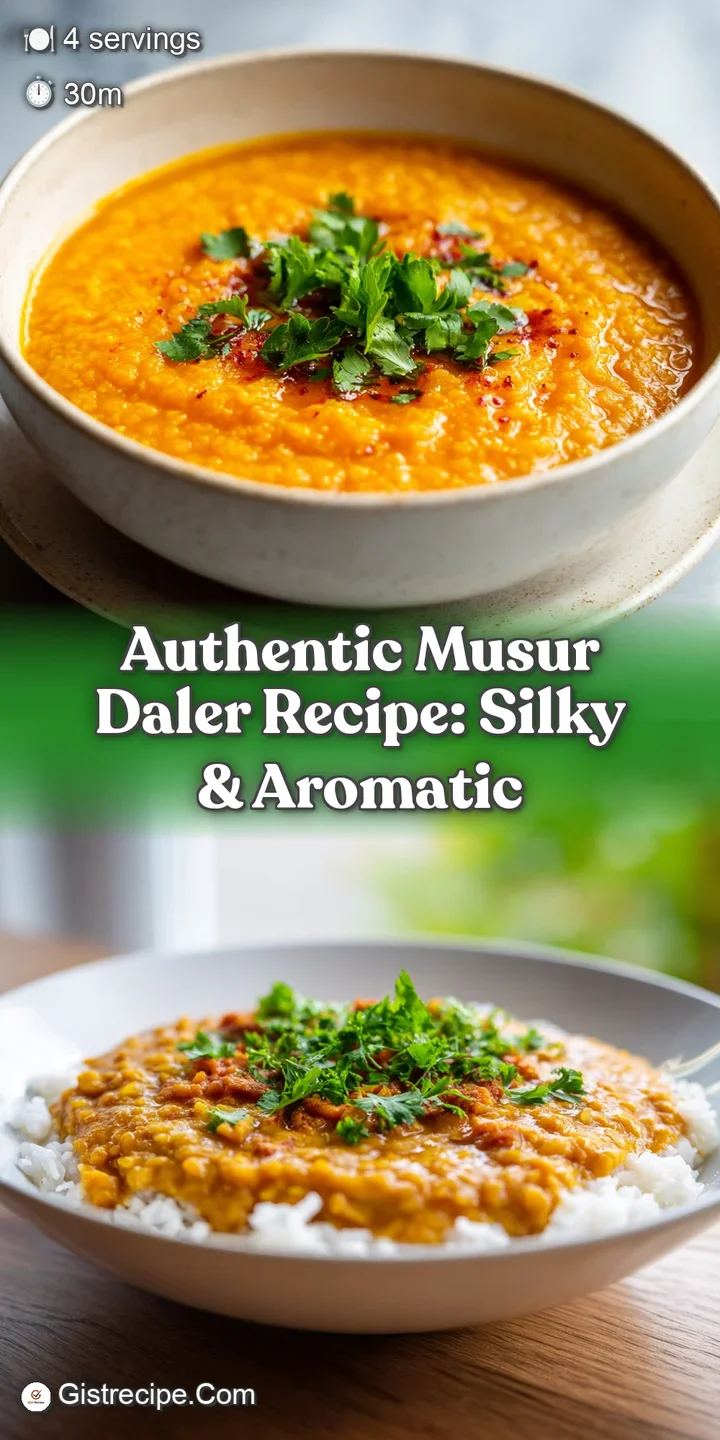
To really do this musur daler recipe justice, you need the right companions. In a traditional Bengali home, dal is rarely eaten alone. It is the anchor of the meal, usually served alongside steaming hot Basmati rice.
For a bit of texture, nothing beats "Aloo Bhaja" thinly julienned potatoes fried until they are literally a pile of golden shards. The crunch of the potatoes against the velvety dal is a match made in heaven.
If you want a more substantial meal, a simple vegetable stir fry or a piece of fried fish (Maach Bhaja) rounds out the plate.
If you are looking for a hearty breakfast instead of a lunch, consider serving the dal with Homemade Sausage Gravy recipe on the side of some biscuits for a fusion of comfort cultures, though traditionally, a simple handmade roti or paratha is the way to go.
Decision Shortcut: - If you want a quick weeknight meal, serve with plain white rice and a squeeze of lime. - If you want a traditional feast, add fried eggplant (Begun Bhaja) and a dollop of mango pickle.
- If you want a healthy lunch, pair with a side of sautéed spinach and quinoa.
Myths Regarding Lentil Cooking
One common misconception is that adding salt at the beginning of the cooking process toughens the lentils. While this is true for some thicker skinned beans like chickpeas or kidney beans, it doesn't significantly affect red lentils. Adding salt early actually helps season the "core" of the lentil as it hydrates.
Another myth is that you must soak red lentils. Because they are split and have no skins, they cook in about 20 minutes from dry. Soaking them often leads to them turning into an unrecognizable mush much too quickly, making it harder to control the final texture.
Just a good rinse is all you need to remove dust and excess starch.
Recipe FAQs
What is the primary difference between Musur Dal and other lentils like Toor Dal?
Musur Dal cooks significantly faster. Being split and skinned red lentils, they break down into a naturally creamy consistency in about 20 minutes without soaking, unlike Toor Dal which requires longer cooking times.
How to achieve the signature aromatic finish (Tadka) correctly?
Heat mustard oil until it just begins to smoke, then add the spices immediately. This high initial heat is necessary to bloom the fat-soluble compounds in the nigella seeds and chilies, releasing their full flavor profile.
Is it true that salting lentils at the beginning prevents them from softening?
No, this is a common misconception for quick cooking lentils like Musur Dal. While excess salt can delay very tough beans, adding it early here helps season the lentil core evenly as it cooks rapidly.
How long can I safely store leftover Musur Dal before needing to reheat?
You can refrigerate it safely for up to 4 days. The dal will thicken considerably upon cooling due to starch setting; simply stir in a few tablespoons of boiling water when reheating to restore the correct fluid consistency.
What is the best way to substitute the required mustard oil?
Ghee is the best substitute for flavor if mustard oil is unavailable. Use the same quantity, but you will lose the sharp, pungent authenticity that the traditional oil provides; if you like milder flavors, see how we balance acidity in the Straw Daq Recipe.
What consistency should the final dal achieve when served over rice?
Aim for a fluid, velvety texture that coats a spoon but is not paste like. If it’s too thick after cooking, simmer uncovered until excess water evaporates, or use a whisk to break down starches, similar to controlling the texture in a 7 Layer Taco Dip recipe.
How do I ensure my onions and garlic in the tempering don't burn?
Remove the pan from the heat briefly if the spices start browning too fast. The garlic and onion should be sautéed until golden brown, not dark brown, to maintain sweetness and prevent a bitter aftertaste.
Musur Daler Recipe Comfort Staple
Ingredients:
Instructions:
Nutrition Facts:
| Calories | 264 kcal |
|---|---|
| Protein | 13 g |
| Fat | 7.5 g |
| Carbs | 36 g |
| Fiber | 5.8 g |
| Sugar | 3.2 g |
| Sodium | 581 mg |
