How to Cook Steak on Stove
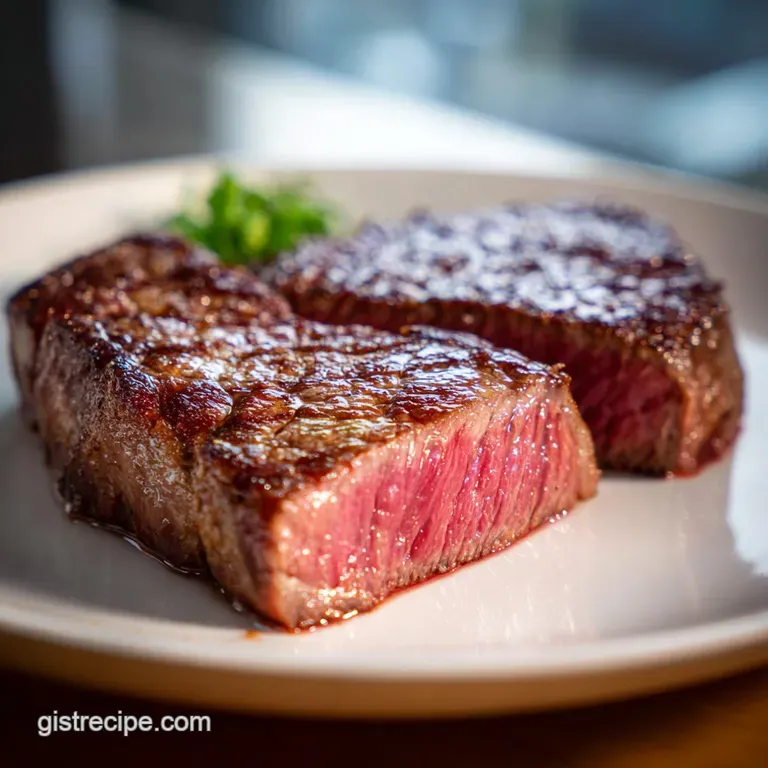
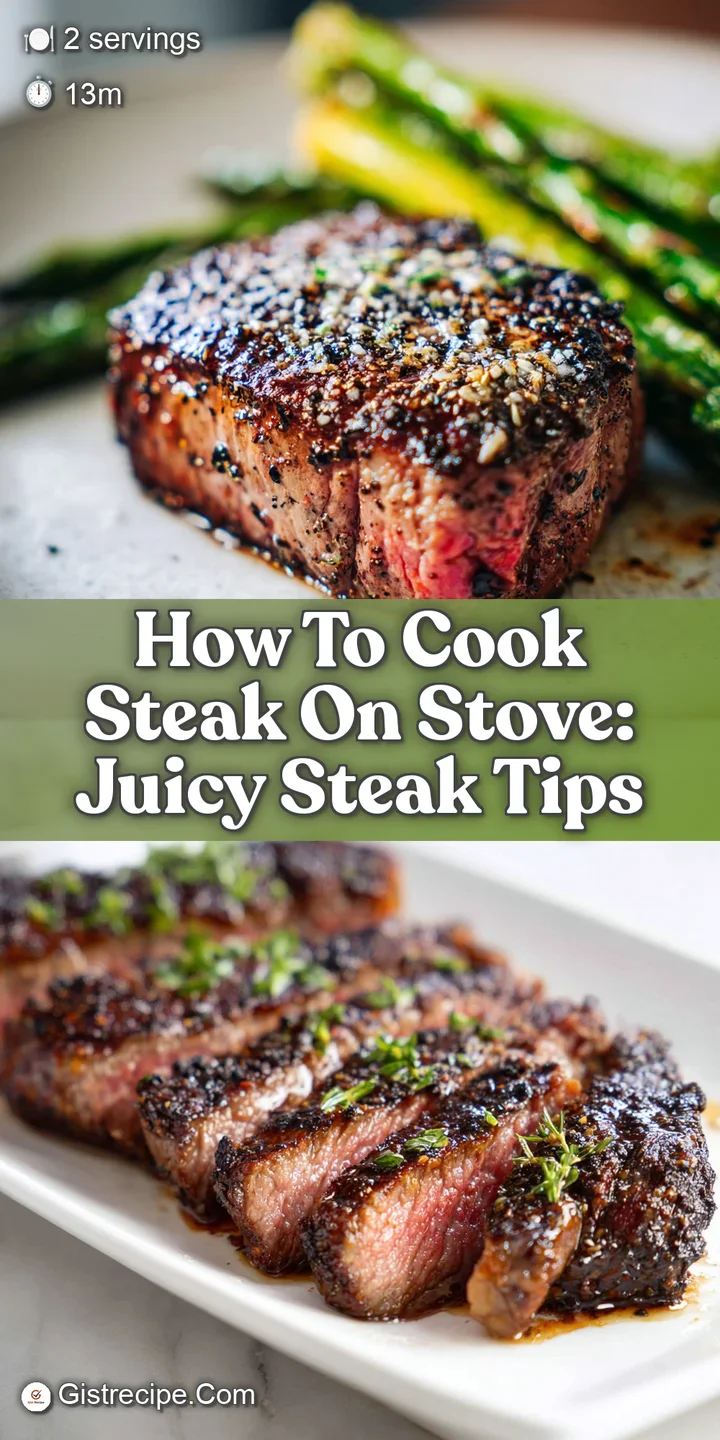
- Time: Active 8 minutes, Passive 5 minutes, Total 13 minutes
- Flavor/Texture Hook: Shatter crisp crust with velvety centers
- Perfect for: Weeknight date nights or beginner friendly dinner
- The Simple Truth About How to Cook Steak
- Why This Simple Method Works
- Component Analysis and Meat Science
- Essential Ingredients and Smart Substitutes
- Minimal Tools for Maximum Flavor
- Step by Step Cooking Guide
- Pro Tips and Common Mistakes
- Flavor Swaps and Simple Variations
- Debunking Common Steak Myths
- Keeping Your Leftovers Fresh
- Serving Suggestions and Pairings
- Very High in Sodium
- Recipe FAQs
- 📝 Recipe Card
The Simple Truth About How to Cook Steak
I used to be terrified of cooking expensive cuts of meat at home. There is nothing worse than watching a beautiful ribeye turn into a gray, chewy piece of leather because the pan wasn't hot enough or I moved it around too much.
I finally learned the secret by accident when I left a steak uncovered in the fridge overnight. It looked a bit dry, but when it hit the cast iron, the sizzle was different it was immediate and fierce.
That dry surface turned into a crust so crisp it actually made a sound when I sliced it. Since then, I’ve stopped overcomplicating things with fancy marinades or "experimental" gadgets. You just need a heavy pan, some salt, and the patience to let the heat do its job.
It's about a few reliable steps that never fail, even on a busy Tuesday night when you just want a comforting meal.
We’re going to focus on how to cook steak using two 12 oz ribeyes (or New York strips) and a pound of steak tips. This approach works because it treats the meat with respect but doesn't require a culinary degree. You’ll get that iconic browned edge and a middle that stays exactly how you like it.
Trust me, once you nail this, you’ll never want to pay steakhouse prices again.
Why This Simple Method Works
- The Physics of the Crust: High heat triggers the Maillard reaction, where proteins and sugars transform into hundreds of flavor compounds.
- Surface Dehydration: Salting early draws out moisture then reabsorbs it, seasoning the interior while leaving the surface bone dry for a better sear.
- Thermal Mass: Using a heavy pan like cast iron prevents the temperature from dropping when the cold meat hits the surface.
- Aromatic Infusion: Basting with unsalted butter and herbs at the end coats the meat in a silky, flavored fat that fills every nook and cranny.
Similar to how we handle meat in our Keto Beef Mince recipe, starting with a hot surface is non negotiable for texture.
Quick Decision Done ness Guide
| Thickness | Internal Temp | Rest Time | Visual Cue |
|---|---|---|---|
| 1 inch | 130°F (54°C) | 5 mins | Bright red center |
| 1.5 inches | 135°F (57°C) | 8 mins | Warm pink center |
| 2 inches | 145°F (63°C) | 10 mins | Slightly pink/tan |
Selecting the right cut is just as important as the heat you use. For a 1.5 inch thick steak, the timing is tight but the results are incredibly consistent if you watch the clock rather than just guessing.
Component Analysis and Meat Science
| Ingredient | Science Role | Pro Secret |
|---|---|---|
| Ribeye Steaks | High fat content | Fat acts as an insulator, keeping the meat tender. |
| Kosher Salt | Protein denaturant | Breaks down muscle fibers so they hold onto juice. |
| Grapeseed Oil | High smoke point | Won't burn or turn bitter at searing temperatures. |
| Unsalted Butter | Emulsifier | Forms a velvety coating that carries herb aromatics. |
Unlike the thinner cuts you might find in a Shaved Beef Recipe, these thick steaks need that specific balance of fat and salt to reach their full potential.
Essential Ingredients and Smart Substitutes
- 2 (12 oz) ribeye or New York strip steaks: 1.5 inches thick. Why this? Thickness allows for a deep crust without overcooking the center.
- Substitute: Filet Mignon. Note: It has less fat, so baste more heavily with butter.
- 1 lb steak tips: Sirloin or tri tip chunks. Why this? They cook faster and offer a different bite sized texture.
- Substitute: Ribeye cap pieces for a richer, fattier alternative.
- 2 tbsp neutral oil: Grapeseed or avocado oil. Why this? These have a high smoke point of 400°F+ (200°C+).
- Substitute: Canola oil. Note: Works fine but has a slightly more noticeable scent.
- 3 tbsp unsalted butter: Why this? Lets you control the salt level during the final basting phase.
- Substitute: Ghee. Note: Can handle higher heat but won't develop those "brown butter" notes.
- 4 cloves garlic: Smashed. Why this? Releases oils into the butter without burning as quickly as minced garlic.
- Substitute: Shallots. Note: Adds a sweeter, more delicate onion like flavor.
- 3 sprigs fresh thyme or rosemary: Why this? Resinous herbs hold up better under the intense heat of a sear.
- Substitute: Dried herbs. Note: Use sparingly as they can taste dusty if scorched.
- 1 tbsp kosher salt: Why this? Larger grains are easier to sprinkle evenly than fine table salt.
- Substitute: Sea salt. Note: Use about 25% less by volume due to grain density.
- 2 tsp cracked black pepper: Why this? Freshly cracked provides a spicy, aromatic bite that pre ground lacks.
- Substitute: White pepper. Note: Provides a more floral, earthy heat.
Minimal Tools for Maximum Flavor
You don't need a kitchen full of gadgets to learn how to cook steak. I personally swear by a 12 inch cast iron skillet. It holds heat like a beast, which is exactly what you need when you drop cold meat into it. If you don't have cast iron, a heavy stainless steel pan will do, but avoid non stick at all costs.
High heat can damage the coating, and you won't get that gorgeous brown fond on the bottom of the pan.
A pair of long kitchen tongs is also essential. You want to be able to flip the meat and sear the fat cap edges without getting your hands too close to the popping oil. Finally, an instant read thermometer is your best friend. It takes the guesswork out of the process.
I’ve cooked thousands of steaks, and I still use one every single time. It's the only way to be 100% sure you've hit that medium rare sweet spot.
step-by-step Cooking Guide
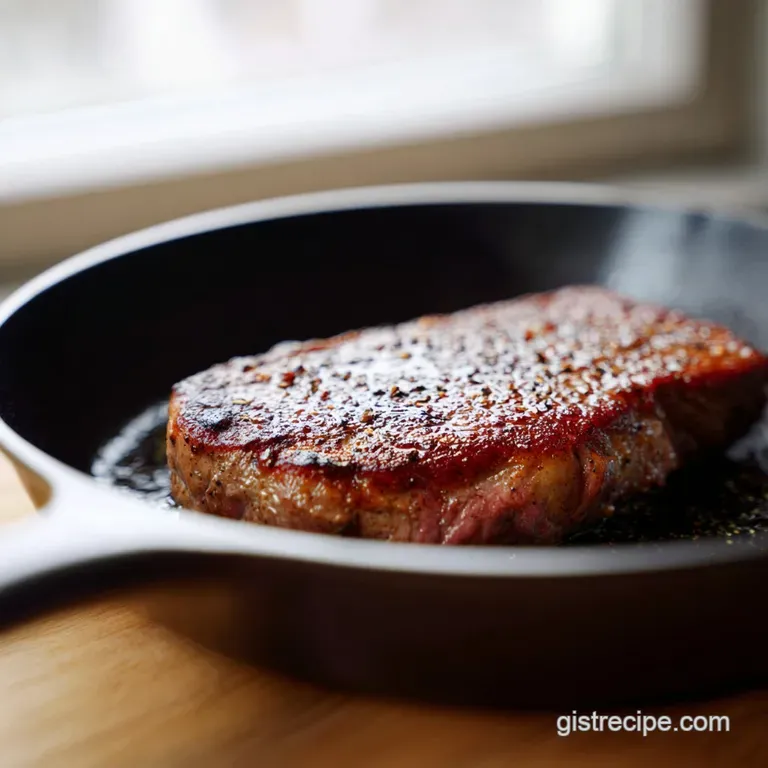
- Dry the meat. Pat the 2 ribeyes and 1 lb steak tips with paper towels until they feel completely matte and dry. Note: Any surface moisture will turn to steam and prevent browning.
- Season heavily. Sprinkle 1 tbsp kosher salt and 2 tsp black pepper over all sides of the meat. Note: Most of the seasoning stays on the surface, so don't be shy.
- Heat the pan. Add 2 tbsp neutral oil to a heavy skillet and heat over high until the oil is shimmering and just starting to smoke.
- Sear the steaks. Place the ribeyes in the pan. Cook 3 minutes without moving them until a dark crust forms.
- Sear the tips. Add the steak tips to the empty spaces in the pan. Cook 2 minutes until they sizzle and brown.
- Flip the meat. Turn the ribeyes and the steak tips over. Cook 2 more minutes to brown the other side.
- Add aromatics. Drop in 3 tbsp butter, 4 smashed garlic cloves, and 3 sprigs of herbs. Watch for the butter to foam and turn golden.
- Baste the steaks. Tilt the pan slightly and spoon the bubbling butter over the ribeyes and tips for 2 minutes until the internal temp hits 135°F (57°C).
- Rest the meat. Remove everything from the pan and place on a warm plate. Wait 5 full minutes before you even think about cutting into it.
Fast vs Classic Searing
| Method | Time | Texture | Best For |
|---|---|---|---|
| Stovetop Sear | 8-10 mins | Maximum crust | Quick dinners |
| Reverse Sear | 60+ mins | Edge to edge pink | Thick 2 inch cuts |
| Butter Poached | 20 mins | Extremely velvety | Special occasions |
While the stovetop method is our focus here, it's worth knowing that the classic sear is often more than enough for a standard 1.5 inch steak.
Pro Tips and Common Mistakes
Why Your Steak Is Gray
If your steak looks pale or boiled instead of browned, the pan wasn't hot enough or you overcrowded it. When you put too much meat in at once, the temperature drops and the meat releases juices that steam rather than sear. Work in batches if your pan is small.
Measuring Internal Doneness
Don't rely on the "finger poke" test; it’s notoriously unreliable because every hand and every cut of meat feels different. Always use a thermometer. Remember that the temperature will rise about 5 degrees while it rests, so pull it off the heat just before it hits your goal.
Troubleshooting Your Sear
| Problem | Root Cause | Solution |
|---|---|---|
| Burnt Garlic | Added too early | Add garlic only during the final 2 mins of basting. |
| Tough Meat | No resting period | Let it rest for at least 5-8 mins to relax fibers. |
| Excessive Smoke | Low smoke point oil | Switch to grapeseed, avocado, or refined light olive oil. |
Common Mistakes Checklist
- ✓ Forgot to take the steak out of the fridge 30 minutes early (cold meat cooks unevenly).
- ✓ Used a non stick pan (prevents the Maillard reaction from peaking).
- ✓ Moved the steak around too much (it needs contact time to develop a crust).
- ✓ Cut into the meat immediately (juices will run out, leaving it dry).
- ✓ Used cold butter for basting (can drop the pan temp too quickly).
Flavor Swaps and Simple Variations
If you're making this for a crowd, scaling up is easy, but you have to be careful with the skillet space. For 4 steaks, don't just double the oil and crowd the pan. Cook two at a time, keeping the first batch on a wire rack in a low oven (200°F) while you finish the rest.
When doubling the spices, only use about 1.5 times the salt initially, then taste and adjust.
For a different flavor profile, you could lean into the vibes of a Cowboy Casserole recipe by adding a pinch of chili powder or smoked paprika to the salt rub. It gives the meat a western, smoky finish that pairs brilliantly with the butter.
Precision Checkpoints
- Thickness: Ensure the steaks are exactly 1.5 inches for this timing.
- Pan Temp: Oil must reach 450°F (230°C) before the meat touches it.
- Final Temp: Pull at 135°F (57°C) for a perfect medium rare after resting.
Simple Substitutes
- dairy-free: Replace the butter with a high-quality olive oil at the end, but don't let it smoke.
- Spicy Kick: Add a teaspoon of red pepper flakes to the butter while basting.
Debunking Common Steak Myths
One of the biggest lies in cooking is that searing "seals in the juices." Science shows that's just not true. Moisture is lost regardless of how hard you sear the outside. The real reason we sear is for flavor and texture. That crust is where all the savory, complex notes live.
Another myth is that you should only flip a steak once. Actually, flipping more often (every minute or so) can help the steak cook more evenly from top to bottom, though you might get a slightly less dramatic crust.
For this specific recipe, we stick to the traditional one flip method because it's the easiest way for beginners to ensure they don't mess with the heat transfer too much.
Keeping Your Leftovers Fresh
If you somehow have leftovers, they’ll stay good in the fridge for up to 3 days in an airtight container. The trick is reheating without turning the meat into rubber. I recommend slicing the cold steak thin and quickly tossing it in a hot pan for 30 seconds, or using it cold in a salad.
For zero waste, don't throw away those herb sprigs or the leftover garlic butter in the pan. Strain the fat and keep it in a small jar in the fridge. It is absolute liquid gold for roasting potatoes or frying eggs the next morning.
If you have steak scraps, chop them up and use them in a stir fry or as a topping for a quick beef based bowl.
Serving Suggestions and Pairings
This steak is the star of the show, so keep the sides simple. I love serving this with some crispy smashed potatoes or a simple arugula salad with a lemon vinaigrette. The acidity of the salad cuts right through the richness of the ribeye and the herb butter.
If you want the full steakhouse experience, a side of creamed spinach or roasted mushrooms works wonders. Honestly, though, a good steak only needs a glass of red wine and maybe a crusty piece of bread to soak up all that extra garlic butter on the plate. It's a reliable, classic meal that never feels outdated.
Enjoy every bite!
Very High in Sodium
1840 mg of sodium per serving (80% of daily value)
The American Heart Association recommends limiting sodium intake to about 2,300mg per day.
Tips to Reduce Sodium in Your Steak Recipe
-
Reduce Salt by Half-25%
Instead of 1 tbsp of kosher salt, use only 1/2 tbsp. This simple change can significantly reduce the sodium content. Taste as you go and add more if needed.
-
Omit Salt Entirely-25%
Consider omitting the kosher salt completely and rely on other flavor enhancers. The steak's natural flavors, pepper, garlic, and herbs can provide ample seasoning.
-
Use Unsalted Butter-10%
Ensure you are using truly unsalted butter. Even slight variations in butter brands can impact the final sodium content. Double check the label to make sure it’s sodium free!
-
Boost Garlic and Herbs
Increase the amount of garlic, thyme, or rosemary to enhance flavor without adding sodium. More aromatics can help compensate for less salt.
Recipe FAQs
What is the perfect way to cook a steak?
Pat it completely dry, season heavily, and sear in a scorching hot cast iron skillet. The key is achieving a high heat Maillard reaction on the surface immediately after seasoning, which requires a bone dry exterior.
What is the 3-3-3 steak rule?
This rule often refers to flipping a steak every 3 minutes for 3 flips, resting for 3 minutes. However, for a thick steak, stick to the 3 minutes per side, followed by a longer 5 to 10 minute rest for better carryover cooking and juice redistribution.
How to cook steak in a frying pan?
Heat a heavy pan, like cast iron, with high smoke-point oil until shimmering and smoking lightly. Sear the steak for 3-4 minutes per side, then reduce heat slightly, add butter and aromatics, and baste continuously until the desired internal temperature is reached.
What is the 3 3 2 2 rule?
This is an alternative timing rule, usually meaning 3 minutes sear on the first side, 3 minutes on the second, 2 minutes for basting/finishing, and 2 minutes to rest. While helpful for quick reference, always rely on an instant read thermometer for precision, especially when working with larger roasts like in our Instant Pot Beef recipe if you were cooking smaller pieces.
Should I use pre-seasoned salt mixes for steak?
No, stick to plain kosher salt and fresh cracked pepper for the initial dry brine. Pre-mixed spices can burn easily during the high heat searing phase, leading to bitter black specks on your crust.
Is it true that searing a steak locks in the juices?
No, this is a common misconception. Searing creates flavor via the Maillard reaction, but it does not trap moisture; juices are lost regardless of initial searing intensity. If you mastered the sensory doneness cues here, apply them to our Savory Sweet Potato recipe for perfect results, even though it's a different cooking technique.
When is the best time to add butter for basting?
Add butter only after the initial high heat sear is complete on both sides. The butter should be added near the end, when the pan temperature is lowered slightly, allowing it to foam and brown without scorching the milk solids.
How To Cook Steak
Ingredients:
Instructions:
Nutrition Facts:
| Calories | 985 kcal |
|---|---|
| Protein | 62 g |
| Fat | 84 g |
| Carbs | 1.5 g |
| Fiber | 0.4 g |
| Sugar | 0.1 g |
| Sodium | 1840 mg |
