Homemade Falafel with Tahini Sauce
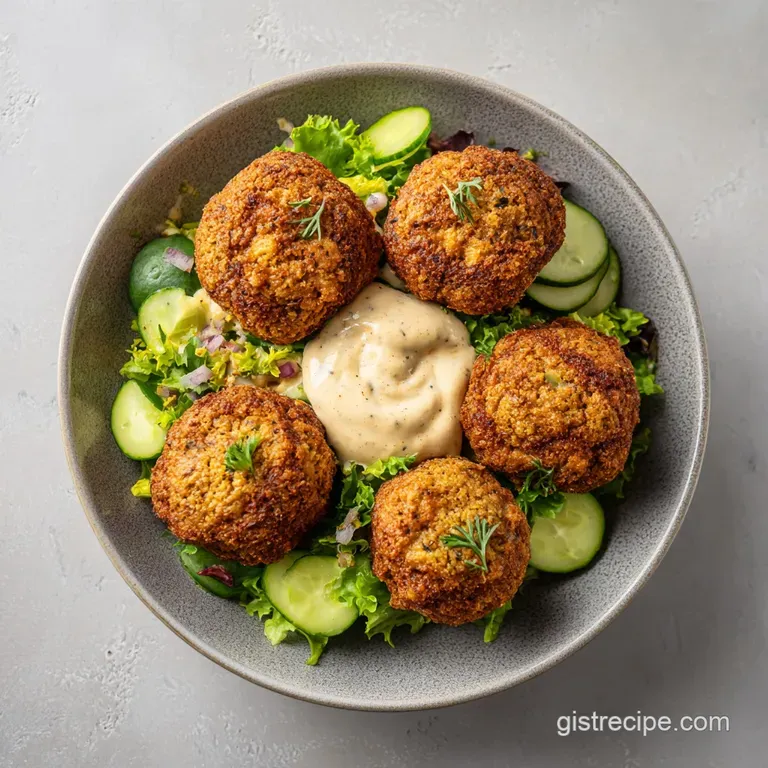
- Time: Active 20 minutes, Passive 15 minutes, Total 35 minutes
- Flavor/Texture Hook: Shattering outer crust with a vibrant, herbaceous, and fluffy green interior.
- Perfect for: High protein meal prep, impressive vegan dinner parties, or healthy weeknight bowls.
- The Best Homemade Falafel with Tahini Sauce Recipe
- Essential Specs for Every Cook
- Exploring the Vibrant Ingredient Profile
- Must Have Tools for Crispy Success
- Mastering the Pulse and Fry
- Fixing Your Falling Falafel Troubles
- Vibrant Twists on Classic Flavor
- Storing and Saving Your Scraps
- Designing the Perfect Flavor Bowl
- Recipe FAQs
- 📝 Recipe Card
The Best Homemade Falafel with Tahini Sauce Recipe
Close your eyes and imagine the sound of a heavy bottomed pot as the oil begins to reach temperature. There's a specific, faint crackle that tells you the heat is ready to transform simple legumes into gold. When that first ball hits the oil, the aroma that erupts is nothing short of transformative.
It is the smell of toasted cumin, sharp garlic, and an garden full of fresh herbs hitting high heat all at once. If you've only ever had the dry, dense pucks from a box or a sad salad bar, this experience will completely reset your expectations of what a legume can do.
I remember the first time I actually got the texture right. I had spent years wondering why my homemade versions were always either a mushy paste or a crumbly mess that disintegrated the moment it touched the oil. The secret wasn't a fancy tool or an exotic spice, it was the humble dried chickpea and a bit of patience.
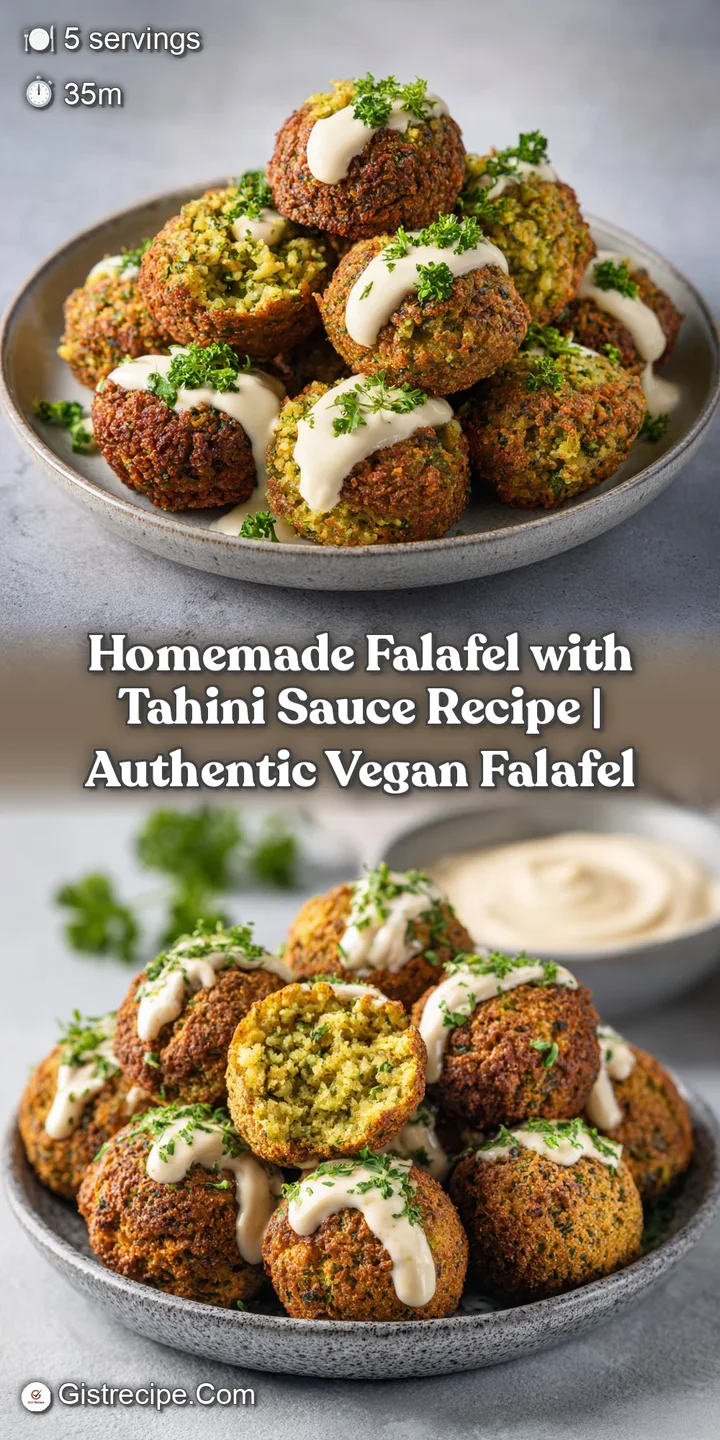
When you break open a freshly fried falafel, the interior should be a shocking, vibrant green, steaming and soft, providing a sharp contrast to the mahogany shell that shatters between your teeth.
This recipe is about building layers of flavor. We start with the earthy base of the chickpeas, then weave in a massive amount of fresh parsley and cilantro. We add the warmth of coriander and the bite of cayenne, then finish it all with a velvety, pale tahini sauce that cuts through the richness of the fry.
It is a dish that feels both indulgent and incredibly fresh, and honestly, once you see how easy it is to make from scratch, you will never look back at a canned bean again.
Essential Specs for Every Cook
Understanding the mechanics of your ingredients is the first step toward a successful fry. Falafel is a dance between moisture and structure. If there's too much water, they steam and fall apart. If there's too little, they're like eating sand.
This recipe balances the hydration of soaked (not cooked) chickpeas with the lift of baking soda to ensure every bite is airy rather than leaden.
Structure through Starch: The raw, soaked chickpeas contain natural starches that haven't been gelatinized yet. These starches act as the "glue" that holds the ball together during the intense heat of frying.
The Lift Factor: Baking soda reacts with the slight acidity of the lemon and chickpeas to create tiny carbon dioxide bubbles. This is what prevents the falafel from becoming a dense, heavy brick.
Herbaceous Hydration: Using a massive volume of fresh herbs provides moisture and flavor without the need for added liquids, which would compromise the structural integrity.
Temperature Control: Frying at exactly 350°F creates an immediate sear. This seals the exterior and prevents the oil from soaking into the center, keeping the interior light and oil free.
| Cook Method | Time | Texture | Best For |
|---|---|---|---|
| Deep Frying | 3-4 minutes | Shattering, mahogany crust | Maximum flavor and authenticity |
| Air Frying | 12-15 minutes | Firm, slightly drier shell | Healthy, hands off weeknight meals |
| Pan Searing | 6-8 minutes | Crispy flat sides, soft edges | Quick salads or slider patties |
You need to decide early on which texture profile you're after. While the deep fry is the gold standard for that specific "street food" crunch, the air fryer is a brilliant tool for a tuesday night when you want the flavor without the cleanup of a big pot of oil.
Just remember to brush them generously with oil if you go the air fryer route, or they'll look a bit pale and sad.
Exploring the Vibrant Ingredient Profile
The soul of this homemade falafel with tahini sauce recipe lies in the quality of the pantry staples. You aren't just throwing things in a bowl; you are creating a matrix of flavor that needs to hold up under heat.
high-quality tahini, for instance, should be pourable and nutty, not a bitter, separated block at the bottom of a jar.
| Ingredient | Science Role | Pro Secret |
|---|---|---|
| Dried Chickpeas | Primary starch and protein | Never use canned; the starch is already cooked and won't hold shape. |
| Fresh Herbs | Moisture and aromatic lift | Use the tender stems of the cilantro for extra flavor and moisture. |
| Baking Soda | Chemical leavening | Add this right before frying to maximize the "poof" factor in the oil. |
| Sesame Seeds | Texture and fat | These toast instantly in the oil, adding a nutty pop to the crust. |
It is fascinating how the simple act of soaking a bean changes its entire chemical makeup. By hydrating the dried chickpeas for 24 hours, you are softening the cell walls just enough to be ground, but keeping the starches intact.
If you were to use canned beans, the starches are already fully hydrated and "burst," which results in that mushy, paste like texture we want to avoid.
Must Have Tools for Crispy Success
You don't need a professional kitchen, but a few specific items make the difference between a frustration free afternoon and a messy disaster. The most important player is your food processor.
It needs to be sharp enough to mince the herbs and chickpeas without heating them up, which would start to cook the starches prematurely.
Next, a solid thermometer is non negotiable. Frying by "feel" is a recipe for greasy, oily falafel. If your oil is too cold, the chickpea mixture will simply soak it up like a sponge. If it's too hot, the outside will burn before the inside is even warm.
A clip on candy thermometer or a quick read digital one will save your dinner.
Finally, consider a falafel scoop or a small cookie scoop. Consistency is key for even cooking. If some balls are the size of golf balls and others are like marbles, half your batch will be burnt while the rest is raw. Using a scoop ensures that every single piece hits that 4 minute mark perfectly.
Mastering the Pulse and Fry
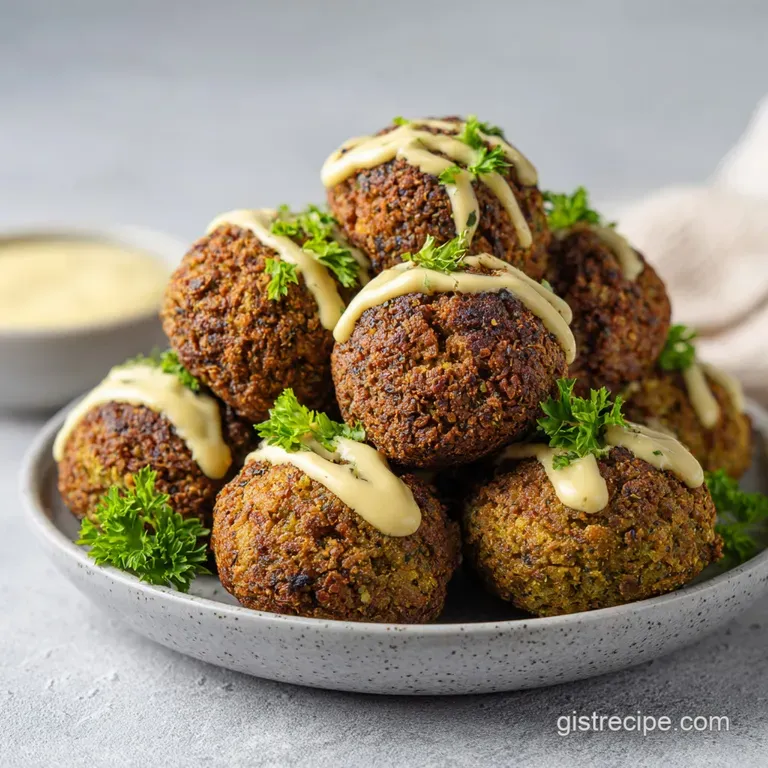
The process starts the night before. You'll see the dried chickpeas double in size as they drink up the water. This is the first layer of flavor building hydration. Once they are plump and ready, we move to the aromatics.
- Drain chickpeas thoroughly. Note: Excess water is the enemy of a crispy falafel ball.
- Pulse chickpeas, onion, garlic, and herbs. until they look like coarse, green sand.
- Transfer to a bowl. Fold in cumin, coriander, cayenne, salt, baking soda, and sesame seeds.
- Form 20-24 small balls. Note: Press firmly but don't pack them so tight that they become dense.
- Heat oil to 350°F (175°C). until a small crumb sizzles immediately.
- Fry in batches for 3-4 minutes. until deep mahogany and audibly crunchy.
- Whisk tahini, lemon, and garlic paste. Note: The mixture will initially seize and thicken; this is normal.
- Add ice water 1 tbsp at a time. until the sauce is pale, silky, and pourable.
- Drain falafel on paper towels. until excess oil is absorbed.
- Drizzle with sauce and serve immediately. until the aroma fills the room.
Chef's Note: If your mixture feels too wet to hold a ball shape, let it rest in the fridge for 30 minutes. This allows the starches to hydrate and the mixture to firm up naturally without adding flour.
The tahini sauce is a bit of a magic trick. When you first mix the lemon juice into the tahini, it will turn into a thick, gritty paste. This is because the lemon juice's water content isn't enough to fully hydrate the fat in the sesame paste. But as you slowly whisk in the ice cold water, the mixture emulsifies. Much like making a creamy mayonnaise, you are creating a stable suspension of fat and water. The result is a sauce that is lighter than air and perfectly tangy.
Fixing Your Falling Falafel Troubles
There is nothing more heartbreaking than watching your perfectly shaped falafel balls dissolve into a grainy soup the moment they hit the oil. This usually happens for one of two reasons: the chickpeas were too wet, or you used canned beans. If you find yourself in this situation, don't panic.
You can often save the batch by adding a tablespoon or two of chickpea flour to act as an emergency binder.
Why Your Falafel Disintegrates
This is the most common hurdle for beginners. Usually, it's a structural issue. If the chickpeas were not drained well enough, the steam created during frying will blow the ball apart from the inside out. Always pat your soaked beans dry with a clean kitchen towel before they go into the food processor.
| Problem | Root Cause | Solution |
|---|---|---|
| Falling apart in oil | Too much moisture or canned beans | Add 1 tbsp chickpea flour and chill for 30 mins. |
| Dense and heavy | Over processing into a paste | Pulse in shorter bursts; keep the texture like meal. |
| Burnt outside, raw inside | Oil temperature too high | Lower heat to 350°F and use smaller balls. |
Another common frustration is a bitter tahini sauce. This often comes from using low quality tahini or over grating the garlic. Garlic has a "heart" that can become very bitter if crushed too aggressively.
Always use a microplane for the garlic and whisk the sauce by hand rather than using a machine to keep the flavors delicate.
- ✓ Use dried chickpeas soaked for a full 24 hours (never canned).
- ✓ Pulse the mixture until it looks like coarse sand, not hummus.
- ✓ Ensure the oil temperature stays between 340°F and 360°F.
- ✓ Let the formed balls rest in the fridge if they feel too soft.
- ✓ Always use ice cold water when thinning your tahini sauce.
Vibrant Twists on Classic Flavor
While the traditional green falafel is hard to beat, there are so many ways to transform this base into something even more bold. If you want to lean into a brighter, more acidic profile, try adding the zest of a whole lemon directly into the chickpea mixture.
This amplifies the herbs and makes the whole dish feel lighter.
For a spicy kick, I love folding in a tablespoon of harissa paste. It turns the interior a beautiful sunset orange and adds a slow, smoky heat that plays perfectly against the cool tahini. If you are looking for a different sauce option entirely, a cilantro sauce provides a zesty, bright alternative that doubles down on the herb forward nature of the dish.
If you need to scale this recipe up for a party, it's quite simple. For a double batch (10 servings), you'll need 4 cups of dried chickpeas. However, don't just double the salt and spices blindly. Start with 1.5x the amount and taste a small bit of the raw mixture (it's safe!) to see if it needs more.
When frying for a crowd, keep the finished falafel in a 200°F oven on a wire rack to maintain that shattering crust while you finish the remaining batches.
Storing and Saving Your Scraps
Falafel is best enjoyed within minutes of leaving the fryer, but life happens. If you have leftovers, the best way to revive them is in an air fryer or a hot oven. Avoid the microwave at all costs, as it will turn that beautiful crust into a soggy, chewy mess.
For the raw mixture, you can actually freeze it! Form the balls and place them on a parchment lined tray in the freezer. Once they are frozen solid, transfer them to a freezer bag. They will keep for up to 3 months.
When you're ready to eat, you can fry them directly from frozen just add an extra minute to the cook time.
The tahini sauce stays fresh in the fridge for about 5 days. It will thicken significantly as it sits, so just whisk in a teaspoon of warm water to bring it back to that silky, pourable consistency before serving. If you have leftover herbs that didn't make it into the processor, don't toss them!
Blend them with some olive oil and freeze them in ice cube trays for an instant flavor base for your next soup or stew.
Designing the Perfect Flavor Bowl
Presentation is where you can really let your creativity shine. I like to start with a base of fluffy quinoa or a bed of massaged kale. Arrange the falafel in the center the contrast of the dark brown crust against the green greens is visually stunning.
Add some quick pickled red onions for a pop of pink and some sliced cucumbers for crunch.
When you drizzle the tahini sauce, don't be shy. Use a spoon to create wide, sweeping ribbons of white across the bowl. Finish with a heavy sprinkle of toasted sesame seeds and a pinch of Aleppo pepper for a touch of color and a mild fruity heat.
If you're serving this as a wrap, warm your pita bread directly over a gas flame for a few seconds until it's soft and slightly charred. Smear a generous amount of hummus on the bottom, nestle three or four falafel balls inside, and crush them slightly with a fork so they soak up the sauce.
This ensures you get a bit of every layer in every single bite. The combination of the warm, crunchy falafel with the cold, creamy sauce and the soft bread is a texture experience that is hard to top.
Recipe FAQs
Can I use canned chickpeas instead of dried?
No, stick with dried chickpeas soaked overnight. Canned chickpeas contain too much moisture and lack the structural integrity needed to hold the falafel together, which will result in them disintegrating in your hot oil.
How to avoid a mushy falafel texture?
Pulse the mixture in short bursts until it reaches a coarse sand consistency. If you over process the ingredients into a smooth paste, the falafel will become dense and lose its signature airy crunch.
Is it true I should let the raw mixture rest before frying?
Yes, letting the mixture sit for at least 30 minutes allows the flavors to meld and the texture to stabilize. This short rest ensures the baking soda has time to activate, which helps create that light, fluffy center you want in every bite.
How to get the tahini sauce to the right consistency?
Whisk in the ice water one tablespoon at a time until the sauce turns pale and creamy. Adding the water slowly allows you to control the emulsion, similar to how you would build a rich base for a savory dish.
Can I freeze the falafel for later?
Yes, freeze the raw, shaped balls on a parchment lined tray until solid. Once frozen, store them in a freezer bag for up to 3 months and fry them directly from frozen by adding an extra minute to your cooking time.
How to reheat leftover falafel without losing the crunch?
Use an air fryer or hot oven to revive the crust. Never use a microwave, as the trapped steam will destroy the texture and leave you with a soggy, chewy result.
How to ensure the oil temperature stays consistent during frying?
Fry in small batches to keep the oil at exactly 350°F (175°C). Overcrowding the pot causes the oil temperature to drop rapidly, which leads to greasy falafel rather than the desired crispy, mahogany colored exterior.
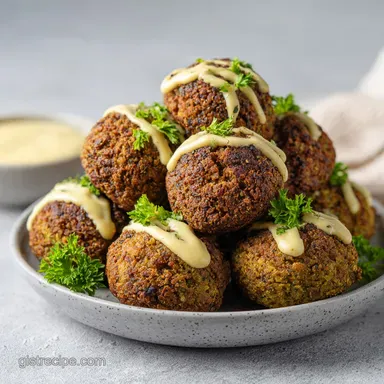
Homemade Falafel Tahini Sauce
Ingredients:
Instructions:
Nutrition Facts:
| Calories | 564 calories |
|---|---|
| Protein | 21g |
| Fat | 29g |
| Carbs | 56g |
| Fiber | 16g |
| Sugar | 4g |
| Sodium | 780mg |
