Cavatelli Pasta Recipe: Rustic Semolina Shapes
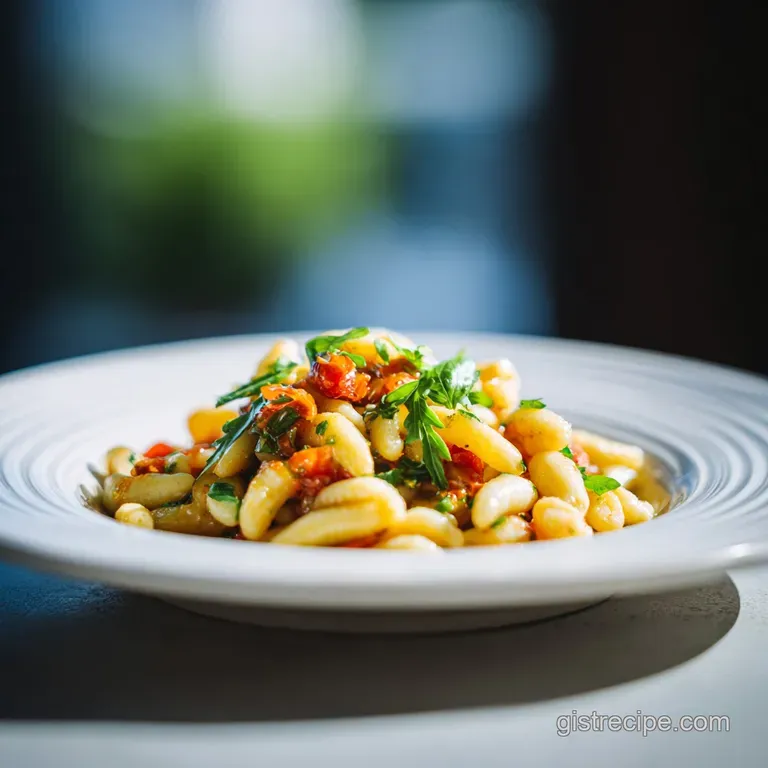
- Time: Active 40 minutes, Passive 5 minutes, Total 45 minutes
- Flavor/Texture Hook: Nutty semolina aroma with a firm, al dente bounce
- Perfect for: Weekend family projects or impressive minimalist entertaining
- Simple and Reliable Cavatelli Pasta Recipe Guide
- Why This Semolina Dough Works
- Analyzing the Three Essential Components
- Choosing the Right Simple Ingredients
- Minimal Tools for Shaping Pasta
- Moving from Prep to Plate
- Fixing Common Dough Handling Mistakes
- Easy Creative Twists and Swaps
- Safe Freezing and Reheating Guidelines
- Pro Tips for Better Presentation
- Recipe FAQs
- 📝 Recipe Card
Simple and Reliable Cavatelli Pasta Recipe Guide
Imagine the kitchen air filled with the earthy, nutty scent of toasted grain as you pour warm water into a well of pale gold flour. I remember the first time I tried making a cavatelli pasta recipe; I was so worried about the "flick" of the thumb.
I thought I needed years of Italian grandmother wisdom to get those little shells to curl just right, but the secret isn't in the wrist it's in the dough's hydration.
We've all been there with store-bought pasta that feels a bit flat or lacks that soul satisfying chew. This traditional cavatelli recipe fixes that by using semolina, which provides a structural integrity that regular flour just can't match.
You'll find that the process is incredibly meditative, turning a few basic staples into tiny, ribbed vessels ready to soak up a hearty ragu or a simple garlic butter sauce.
Don't worry about making every single piece look like it came from a factory. The beauty of a homemade cavatelli recipe lies in those slight imperfections that hold onto the sauce.
Right then, let's clear off the counter and get our hands into some flour because this is truly one of the best cavatelli recipes for anyone who loves the process of cooking as much as the eating.
Why This Semolina Dough Works
- High Gluten Content: Semolina flour is made from durum wheat, which has a higher protein level that creates a sturdy, elastic structure.
- Warm Water Activation: Using warm water at 200ml helps the flour particles swell and hydrate faster, making the kneading process much smoother.
- Coarse Surface Texture: The grainy nature of semolina creates a micro roughness on the pasta surface, which is why sauce clings to it so effectively.
- Osmotic Balance: The 5g of sea salt doesn't just season; it tightens the gluten strands, giving the pasta its characteristic "snap" when bitten.
| Method | Total Time | Texture | Best For |
|---|---|---|---|
| Fresh Hand Rolled | 45 minutes | Chewy, firm "bite" | Hearty meat sauces |
| Shortcut Gnocchi Board | 35 minutes | Deep ridges, airy | Light pesto or butter |
| store-bought Dried | 12 minutes | Uniform, smooth | Quick pantry meals |
Making fresh pasta is often seen as a chore, but it's much faster than most people realize when you skip the eggs. This eggless version is more forgiving and produces a texture that stands up beautifully to heavy sauces, similar to how we balance textures in our Weeknight Chicken Pasta recipe.
Analyzing the Three Essential Components
| Ingredient | Science Role | Pro Secret |
|---|---|---|
| Semolina (400g) | Structural Base | Use "rimacinata" (double milled) for a smoother dough. |
| Warm Water (200ml) | Solvent/Hydrator | Keep it around 40°C to soften the durum proteins quickly. |
| Sea Salt (5g) | Flavor/Gluten Binder | Fine salt dissolves instantly, preventing "spotty" dough. |
Selecting the right flour is the only non negotiable part of this cavatelli recipe italian style. While you can use all purpose flour in a pinch, you lose that signature golden color and the rough exterior that defines this specific shape.
Choosing the Right Simple Ingredients
- Semolina Flour (400g): This provides the golden hue and the "al dente" resilience. Why this? Essential for the traditional chewy texture that holds up in boiling water.
- Warm Water (200ml): Plain tap water is fine, just ensure it's comfortably warm to the touch. Why this? Warmth relaxes the dough, making it easier to roll into thin ropes.
- Fine Sea Salt (5g): This brings out the grain's natural sweetness. Why this? Fine grains distribute evenly through the dry flour without leaving grit.
If you want to branch out, you can try a cavatelli pasta with ricotta variation by replacing half the water with fresh, strained cheese. It makes a much softer, cloud like pasta that feels more like a miniature gnocchi.
Minimal Tools for Shaping Pasta
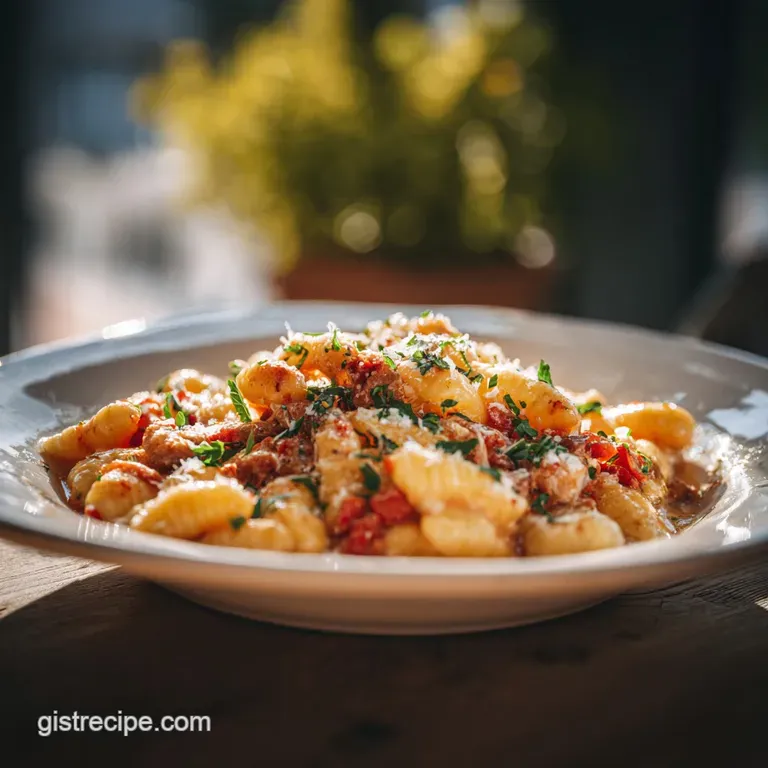
You don't need a fancy pasta machine or an expensive stand mixer such as a KitchenAid to make this work. A clean wooden cutting board is actually better than marble because the slight friction of the wood helps "catch" the dough as you flick it.
I usually just use a simple bench scraper to cut the dough into portions and a dull butter knife or my thumb for the shaping.
Chef's Tip: If your hands are naturally very dry, keep a damp cloth nearby. Periodically touching it will give your fingers just enough grip to roll the dough ropes without them sliding across the board.
Moving from Prep to Plate
Balancing Hydration for Elasticity
- Mix the 400g semolina and 5g salt on a clean surface.
- Create a wide well in the center and pour in the 200ml warm water.
- Incorporate the flour slowly from the inner rim using a fork until a shaggy paste forms.
- Knead the dough for 8 minutes until it feels like an earlobe and bounces back. Note: This develops the gluten needed for the shape.
- Rest the dough under a bowl for 10 minutes to allow the flour to fully hydrate.
- Slice a small portion of dough and roll it into a rope about 1 cm thick.
- Cut the rope into 1.5 cm pieces until you have a pile of small cushions.
- Shape by pressing a knife or your thumb into the center and pulling toward you until the dough curls into a hollow shell.
- Boil in salted water for 5 minutes until the pasta floats and the edges look translucent.
If you're looking for a vibrant side dish to serve alongside this, my Sauteed Green Beans recipe adds a lovely crunch that contrasts with the chewy pasta.
Fixing Common Dough Handling Mistakes
Solving the Flattening Issue
If your cavatelli look more like flat discs than hollow shells, your dough might be too warm or too wet. When the dough is too soft, it won't hold the "curl" created by your thumb. Make sure you aren't adding extra water beyond the 200ml unless the environment is extremely dry.
Also, avoid over handling the dough with hot hands; if it feels sticky, let it rest in a cool spot for a few minutes.
Preventing the Gummy Texture
Gummy pasta usually happens when the water isn't at a rolling boil or if the pasta is overcrowded. Fresh pasta releases starch immediately. If the water isn't hot enough to set the outside of the dough instantly, that starch turns into a sticky film.
Always use a large pot with plenty of room for the cavatelli to dance around.
| Problem | Root Cause | Solution |
|---|---|---|
| Dough is Crumbly | Under hydration or cold water | Add water 1 tsp at a time; use warm water next time. |
| Pasta Sticks Together | Surface is too wet | Dust shaped pasta with extra semolina immediately. |
| Shapes Unravel | Not enough pressure | Press firmer during the "flick" to seal the curve. |
Common Mistakes Checklist
- ✓ Don't skip the 10 minute rest (it prevents the dough from fighting you).
- ✓ Keep the unused dough covered (semolina dries out faster than you think).
- ✓ Use a wooden surface (plastic or metal is too slippery for good shaping).
- ✓ Ensure the water is "salty like the sea" before boiling.
- ✓ Don't toss the pasta water; use a splash to emulsify your sauce.
Easy Creative Twists and Swaps
| Original Ingredient | Substitute | Why It Works |
|---|---|---|
| Semolina Flour | All Purpose Flour | Easier to find. Note: Result is much softer and less "bouncy." |
| Warm Water | Pureed Spinach | Adds vibrant color. Note: Reduce water by half to balance moisture. |
| Fine Sea Salt | Table Salt | Similar salinity. Note: Use slightly less as table salt is denser. |
- For a spicy kick
- Add 1 tsp of dried red chili flakes directly into the flour before mixing.
- For a garden fresh feel
- Toss the finished pasta with a bright Cilantro Sauce recipe instead of traditional marinara.
- For a rustic finish
- Use a gnocchi board to get deep, professional looking ridges on every piece.
Safe Freezing and Reheating Guidelines
Storage: You can keep uncooked, shaped cavatelli on a floured tray in the fridge for up to 24 hours. Cover them loosely with a clean kitchen towel so they don't get soggy from condensation.
Freezing: This is the best way to meal prep. Place the shaped pasta on a baking sheet in a single layer and freeze for 2 hours. Once they are "shatter" firm, transfer them to a freezer bag. They will stay fresh for 3 months.
Note: Do not thaw before cooking; drop them straight from the freezer into boiling water and add 2 minutes to the cook time.
Zero Waste: If you have leftover cooked pasta, don't microwave it alone. Sauté it in a pan with a little olive oil and garlic. The edges will get slightly crispy and "shatter" when you bite them, giving the leftovers a completely different, velvety texture.
Pro Tips for Better Presentation
When you're ready to serve, remember that cavatelli sauce pairings are all about the "scoop." Because these are hollow, they love chunky sauces like bolognese or sausage and broccoli rabe. The bits of meat or veg get trapped inside the pasta, making every bite a surprise.
Chef's Note: Freeze your serving bowls for 5 minutes before plating if you're serving a cold pasta salad, or warm them in a low oven for 2 minutes for hot dishes. It keeps the pasta at the "perfect" temperature for much longer.
To make the dish look restaurant quality, don't just pour the sauce on top. Toss the pasta and sauce together in a pan with a splash of starchy pasta water. This creates a glossy, velvety coating that looks far more appetizing than plain pasta with a dollop of red on top.
Finish with a flurry of freshly grated Pecorino Romano and a crack of black pepper. Don't even bother with the pre shaken canned cheese you've worked too hard on this dough to settle now!
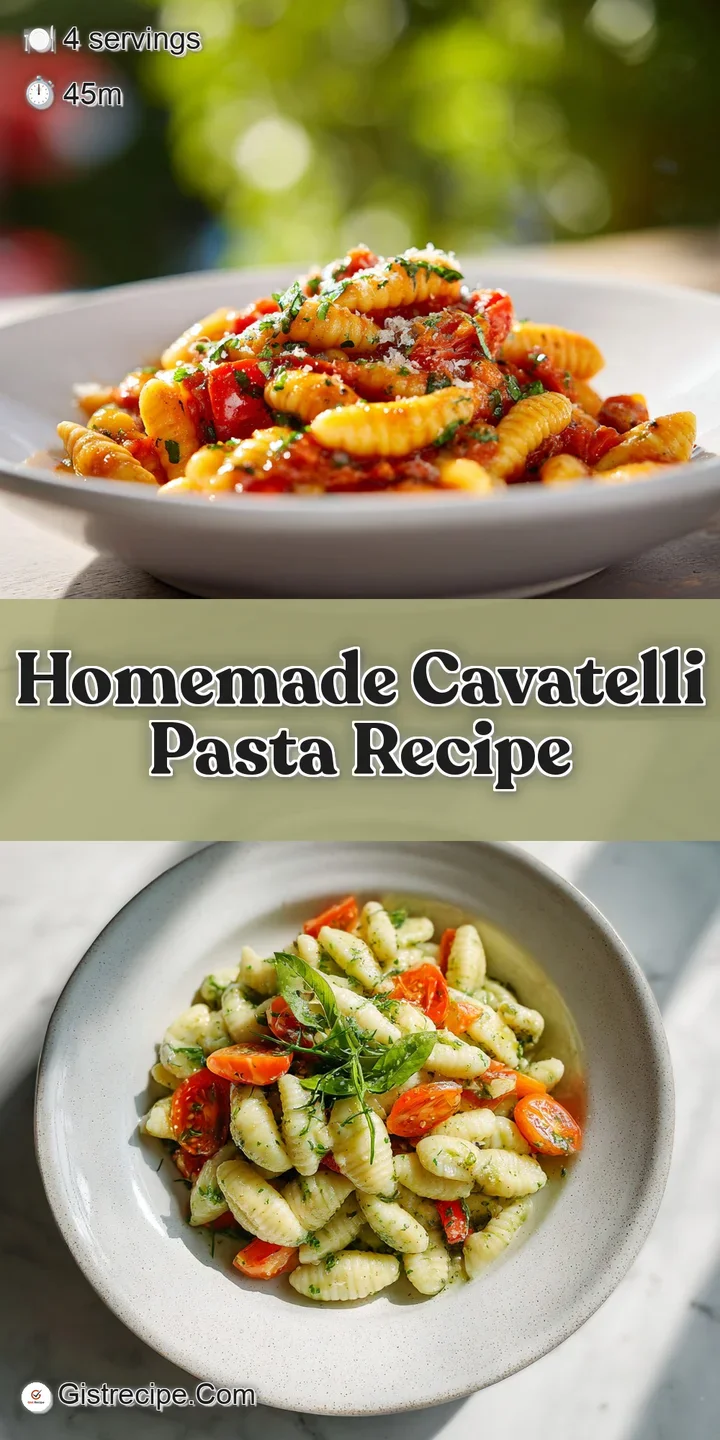
Recipe FAQs
How is cavatelli different from standard pasta?
Cavatelli are hand rolled shell shapes, unlike factory extruded pasta. They are traditionally made only with semolina flour and water, creating deep ridges that maximize sauce adhesion.
What sauce is best with cavatelli pasta?
Hearty, chunky sauces are highly recommended. The hollow, ribbed structure is perfect for trapping slow cooked ragu or sausage and broccoli rabe.
What is cavatelli used for?
Cavatelli is primarily used as a rustic main dish pasta. It serves as an excellent vehicle for absorbing rich, savory sauces, though it can also be used in light soups.
Why is cavatelli so popular?
Its popularity stems from its unique, satisfying texture. The hand rolled shape results in a dense, chewy interior contrasted with thin, delicate edges that hold sauce exceptionally well.
How do I shape cavatelli if my dough keeps uncurling?
Apply firm, consistent pressure while rolling the dough piece over your thumb or utensil. If the dough is too warm or oily, it will slide instead of curl; rest it in a cool spot for 5 minutes.
Can I substitute semolina flour in this recipe?
Yes, you can substitute all-purpose flour, but the texture will change significantly. Using AP flour yields a softer, less toothsome pasta, lacking the signature golden color and chew developed by durum wheat semolina. If you enjoyed the texture control in this dough, the principles of hydration carry over to our Baked Goat Cheese recipe where balancing wet and dry ingredients is key.
How long can I store homemade raw cavatelli?
Refrigerate shaped, unboiled cavatelli for up to 24 hours on a floured tray. For longer storage, freeze them solid first, then transfer them to an airtight bag for up to three months; cook directly from frozen.
Homemade Cavatelli Pasta Recipe
Ingredients:
Instructions:
Nutrition Facts:
| Calories | 360 kcal |
|---|---|
| Protein | 12.7 g |
| Fat | 1.1 g |
| Carbs | 72.8 g |
| Fiber | 3.9 g |
| Sugar | 0.4 g |
| Sodium | 483 mg |
