Simple Homemade Vegetable Soup
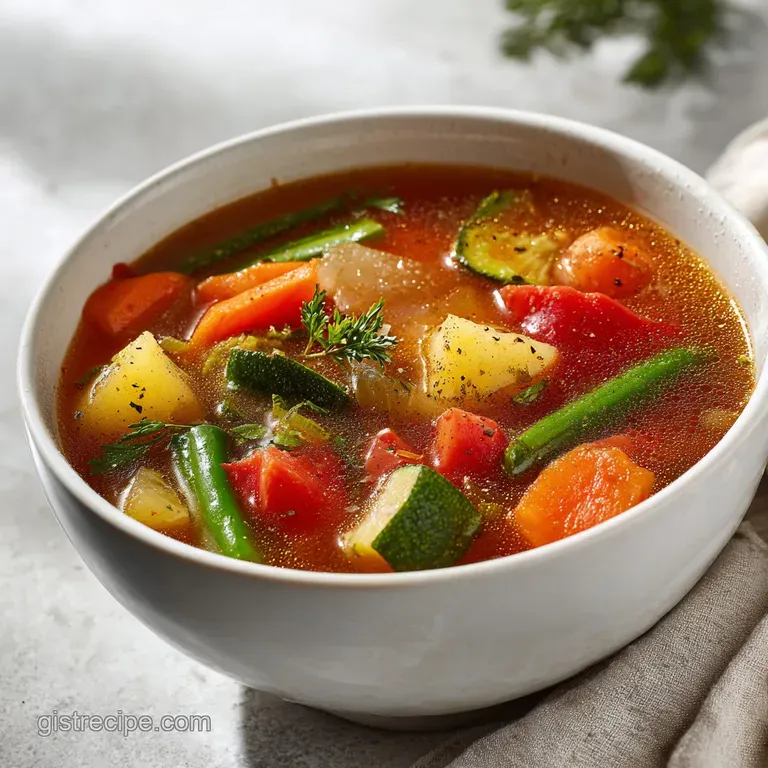
- Time: Active 15 minutes, Passive 25 minutes, Total 40 minutes
- Flavor/Texture Hook: Savory, herbaceous, and velvety
- Perfect for: Rainy weeknights, tight budgets, or clearing out the crisper drawer
You know that specific sound when a heavy Dutch oven hits the stovetop? That solid "thunk" always signals something good is coming. I remember one Tuesday, the wind was rattling the windowpanes and I had exactly three dollars in my wallet and a fridge that looked suspiciously like a desert.
I found a few limp carrots, a potato that had seen better days, and half a bag of frozen peas buried under an ice pack.
I threw them all in a pot, toasted some spices I found in the back of the cabinet, and suddenly the whole kitchen smelled like safety. That bowl of soup didn't just fill my stomach, it reminded me that you don't need a massive grocery budget to make something that feels like a hug.
This Vegetable Soup is my reliable fallback, the recipe I make when I need to feel grounded without spending a fortune on fancy proteins.
We aren't just boiling water here; we are building a foundation. Most people make the mistake of just dumping everything in and hoping for the best. But if you take an extra five minutes to let those onions really sweat and the spices bloom in the oil, the difference is massive.
It's the difference between "flavored water" and a rich, cohesive meal. Let's get into the specifics of why this works so well.
Essential Specs for Quick Success
Aromatic Extraction: Sautéing onions and garlic first breaks down their cellular walls, releasing sulfur compounds that transform from pungent to sweet. This creates a base layer of complexity that boiling alone cannot achieve.
Starch Suspension: As the gold potatoes simmer, they release tiny amounts of starch into the broth. This acts as a natural thickener, giving the liquid a silkier mouthfeel without needing heavy cream or flour.
Acidic Brightness: Adding lemon juice at the very end breaks the surface tension of the fats. This "brightens" the heavy, savory notes of the thyme and paprika, making the flavors pop on your tongue rather than feeling flat.
Osmotic Balance: Salting the vegetables early draws out their internal moisture. This concentrated juice then mixes with the olive oil, creating a flavor packed "jus" that seasons the entire pot from the inside out.
| Premium Ingredient | Budget Alternative | Flavor Impact | Savings |
|---|---|---|---|
| Saffron threads | Smoked Paprika | Swaps floral notes for earthy smoke | Save $15-20 |
| Fresh Heirloom Tomatoes | Canned Diced Tomatoes | More consistent acidity and texture | Save $4-6 |
| Leeks (white parts) | Large Yellow Onion | Slightly more pungent but very savory | Save $3-5 |
The beauty of this dish lies in its flexibility, especially when you are trying to keep costs down. While fresh herbs are lovely, dried thyme actually holds its flavor better during a long simmer.
Using canned tomatoes isn't just a budget move; those tomatoes are packed at peak ripeness, ensuring your broth has a consistent tang every time you make it.
The Core Building Block Components
| Ingredient | Science Role | Pro Secret |
|---|---|---|
| Extra Virgin Olive Oil | Heat conductor and flavor carrier | Don't skimp; fat carries the fat soluble vitamins and flavors |
| Gold Potatoes | Textural anchor and starch source | Leave the skins on for extra fiber and a rustic look |
| Vegetable Broth | Liquid base and umami provider | Use a low sodium version to control the final seasoning |
| Fresh Lemon Juice | pH balancer and flavor "highlighter" | Always add this off the heat to keep the vitamin C intact |
To make this recipe, you will need the following items from your pantry and fridge. I've included some notes on why we chose these specific items to help you get the best results.
- 2 tbsp extra virgin olive oil: This is our primary fat source. (Sub: Avocado oil or butter) Why this? Provides a fruity, peppery base for the aromatics.
- 1 large yellow onion, diced: The foundation of the flavor. (Sub: White onion or 2 shallots) Why this? Yellow onions have a high sugar content for caramelization.
- 3 medium carrots, sliced into rounds: Adds sweetness and color. (Sub: Parsnips) Why this? They hold their shape perfectly during the simmer.
- 2 stalks celery, sliced: Provides the "green" herbal note. (Sub: Fennel bulb) Why this? Essential part of the French mirepoix for depth.
- 4 cloves garlic, minced: For punch and aroma. (Sub: 1 tsp garlic powder) Why this? Fresh garlic provides a sharper, more complex finish.
- 2 medium gold potatoes, 1/2 inch cubes: For heartiness. (Sub: Sweet potatoes) Why this? Gold potatoes are creamy and don't turn to mush easily.
- 1 cup green beans, cut into 1 inch pieces: Adds a snappy texture. (Sub: Asparagus tips) Why this? They provide a nice contrast to the softer vegetables.
- 1 cup frozen peas: A pop of sweetness. (Sub: Edamame) Why this? Keeps the soup looking vibrant and fresh at the end.
- 1 can (14.5 oz) diced tomatoes, with juices: For acidity and body. (Sub: 2 cups fresh chopped tomatoes) Why this? The juice builds a more complex broth base.
- 6 cups vegetable broth: The main liquid. (Sub: Chicken broth if not vegan) Why this? Keeps the dish light and plant based.
- 2 bay leaves: For a subtle woody aroma. (Sub: 1/4 tsp celery seed) Why this? Adds a layer of complexity that you'd miss if it's gone.
- 1 tsp dried thyme: The classic soup herb. (Sub: Dried oregano) Why this? Thyme pairs exceptionally well with carrots and potatoes.
- 1 tsp smoked paprika: For a hint of "bacon like" depth. (Sub: Cumin) Why this? Gives a budget soup a more expensive, slow cooked taste.
- 1 tbsp fresh lemon juice: The final brightening agent. (Sub: Apple cider vinegar) Why this? The citric acid cuts through the earthy starch.
- Sea salt and cracked black pepper: To taste. Why this? Essential for waking up all the other flavors.
Basic Tools for Simple Cooking
You don't need a high end kitchen to pull this off. I usually reach for my reliable 6 quart Dutch oven (like a Lodge) because the thick walls distribute heat evenly, which is great for preventing the bottom from scorching. If you don't have one, a standard large stainless steel stockpot will work just fine.
You'll also want a sharp chef's knife for all that dicing. Uniformity matters here not because we're fancy, but because similar sized pieces cook at the same rate. A sturdy wooden spoon is my favorite for scraping up the "fond" (those little brown bits) after sautéing the onions.
That's where the flavor lives!
If you're feeling a bit more adventurous with your greens, you might find that the techniques here remind you of a Cabbage Soup Recipe, which uses similar aromatic bases to create massive flavor on a budget. Having a good set of prep bowls also helps keep the kitchen from becoming a disaster zone while you're chopping all those vegetables.
Critical Cooking Steps to Follow
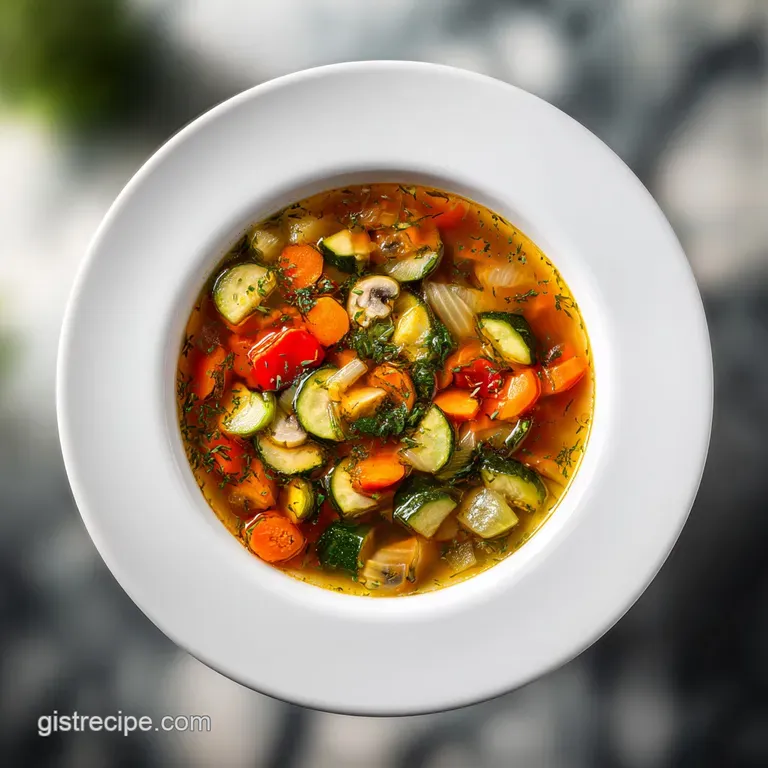
- Heat the olive oil in your large pot over medium heat until it shimmers and moves easily. Note: This ensures the vegetables sizzle immediately rather than soaking up cold oil.
- Add the diced onion, carrots, and celery. Sauté for 7 minutes until the onions are translucent and the carrots are slightly softened.
- Stir in the minced garlic, dried thyme, and smoked paprika. Cook for 1 minute until the kitchen smells fragrant and earthy.
- Add the cubed potatoes and green beans to the pot. Stir well until the vegetables are coated in the spiced oil.
- Pour in the diced tomatoes (including the juice) and the vegetable broth. Add the bay leaves and a pinch of salt.
- Bring the mixture to a boil, then immediately reduce the heat to low. Simmer for 20 minutes until the potatoes are fork tender.
- Stir in the frozen peas. Let them cook for 3 minutes until they turn a bright, electric green.
- Turn off the heat. Stir in the fresh lemon juice and remove the bay leaves.
- Taste the broth carefully. Add more sea salt and cracked black pepper until the flavors feel sharp and balanced.
- Let the soup sit for 5 minutes until the liquid settles and the flavors meld together.
Fixing Common Soup Texture Issues
Why Your Soup Tastes Bland
Sometimes, despite following every step, the soup just feels like it's missing "something." This is almost always an issue of salt or acid balance. Salt doesn't just make things salty; it unlocks the chemical compounds that allow our taste buds to perceive other flavors.
If it's still dull after salting, that's when the lemon juice becomes your best friend.
Why the Vegetables Are Mushy
If you find your carrots and potatoes have lost all their integrity, you likely simmered them at too high a temperature. A soup should have "lazy bubbles" one or two popping every few seconds. If it's a rolling boil, the physical agitation will break the vegetables apart.
Also, avoid overcooking; the carryover heat will continue to soften things even after the flame is off.
| Problem | Root Cause | Solution |
|---|---|---|
| Greasy surface | Too much oil or low heat | Skim the top with a spoon or add a splash more broth |
| Thin, watery broth | Not enough starch release | Mash a few potatoes against the side of the pot |
| Bitter aftertaste | Burnt garlic or old spices | Add a pinch of sugar to neutralize the bitterness |
Checking your progress as you go is the best way to avoid these pitfalls. I've put together a quick checklist of things I always do to make sure my soup comes out exactly how I want it.
- ✓ Pat the potatoes dry before adding to the pot to prevent steaming.
- ✓ Keep the garlic away from the direct bottom of the pot to prevent burning.
- ✓ Use a "lazy simmer" where only a few bubbles break the surface.
- ✓ Season with salt in small increments at the beginning, middle, and end.
- ✓ Don't add the peas too early or they will turn a dull, brownish grey.
Smart Swaps for Budget Savings
When scaling this recipe, you have to be careful with the seasonings. If you are cutting the recipe in half, it's pretty straightforward just use smaller pans and reduce the cook time by about 5 minutes since the smaller volume heats faster.
However, if you are doubling it for a big family gathering, don't just double the salt and spices.
Start with 1.5 times the spices and then taste as you go. Liquids also don't evaporate as quickly in a larger pot, so you might want to reduce the total broth by about 10% to keep the flavor concentrated.
If you're doubling it, make sure you use a pot that allows for at least 3 inches of "headspace" at the top to prevent boil overs.
| Method | Time | Texture | Best For |
|---|---|---|---|
| Stovetop | 40 mins | Bright and distinct | Quick weeknight meals |
| Oven (Dutch Oven) | 60 mins | Deeply concentrated | Slow weekend afternoons |
| Slow Cooker | 6 hours | Very soft and integrated | Hands off meal prep |
Another thing to keep in mind is that this soup is a fantastic base for using up other leftovers. If you have some extra greens from another meal, like my Fried Cabbage with recipe, you can toss those in during the last 5 minutes for extra bulk and a bit of that smoky bacon flavor.
Fresh Storage and Freezing Methods
Storage is where this Vegetable Soup really shines. In fact, most people swear it tastes better the next day. As the soup cools, the vegetables continue to absorb the seasoned broth, and the starch from the potatoes stabilizes. It will keep perfectly in the fridge for up to 5 days in an airtight container.
If you want to freeze it, this is a champion. Just make sure to leave about an inch of space at the top of your container because the liquid will expand as it freezes. It stays good in the freezer for about 3 months. When you're ready to eat it, let it thaw in the fridge overnight and reheat it gently on the stove.
Don't use a microwave if you can avoid it; the stove helps keep the textures more consistent.
For a zero waste approach, save your vegetable scraps! Onion skins, celery ends, and carrot peels can be kept in a bag in the freezer. When the bag is full, boil them with water for an hour to make your own free vegetable broth for the next batch.
It’s a great way to squeeze every bit of value out of your groceries.
Perfect Side Dish Pairing Ideas
You can't have a bowl of soup without something to dip in it. My go to is usually a thick slice of sourdough bread slathered in salted butter. The tang of the bread mirrors the lemon juice in the soup beautifully.
If you want something more substantial, a simple grilled cheese sandwich is the classic "budget luxe" pairing.
One common myth I hear is that you need to peel every vegetable for a good soup. Honestly, don't even bother with peeling the carrots or the gold potatoes. Just give them a good scrub. The skins add texture, color, and a lot of the nutrients that usually end up in the bin.
Another myth is that "more is better" with herbs. If you add too much thyme, the soup starts to taste like a forest floor. Stick to the measurements!
If you're looking for something with a bit more of a kick, you might enjoy trying an easy Chicken Curry Soup recipe, which uses a similar vegetable base but adds coconut milk and spices for a totally different vibe. But for a cold night when you want something clean and simple, nothing beats this classic veggie version. Trust me, once you master the sauté and the simmer, you'll never buy canned soup again.
Precision Checkpoints for This Dish
- Sauté Time: Exactly 7 minutes for the mirepoix to reach the perfect sweat.
- Simmer Temperature: Maintain the liquid at approximately 190°F (88°C) for a gentle cook.
- Resting Period: Allow the pot to sit for 5 minutes off the heat before serving to settle the starches.
If you want X, do Y
- If you want a creamy texture, blend 2 cups of the finished soup and stir it back in.
- If you want a heartier meal, add 1/2 cup of dry pearl barley with the broth.
- If you want a smoky flavor, add a drop of liquid smoke or extra smoked paprika.

Recipe FAQs
What gives vegetable soup that depth of flavor?
Sautéing the aromatics first. Raw vegetables dumped into boiling water yield flat flavor; you must sweat the onions, carrots, and celery in oil first to release their sweet, savory base notes.
What are some common mistakes when making vegetable soup?
Simmering at too high a heat. A rolling boil will agitate the ingredients, causing softer vegetables like potatoes to break down too fast and make the broth cloudy or gummy.
What to put in vegetable soup to make it more tasty?
A hit of acid right at the end. A teaspoon of lemon juice or vinegar brightens all the heavy, earthy flavors of the root vegetables, making the overall taste pop.
What is the easiest homemade soup to make?
This vegetable soup is one of the easiest. It requires minimal active time mostly just chopping and relies on simple simmering techniques rather than complex reductions or precise temperature controls.
Is it true I must use chicken broth for good flavor if I don't have homemade stock?
No, low-sodium vegetable broth is preferred for this recipe. If you use a low-sodium version, you retain control over the final salt level, which is crucial when seasoning the diverse vegetables.
How to make the broth richer without adding meat?
Incorporate smoked paprika and canned tomatoes. The tomatoes provide natural acidity and body, while smoked paprika tricks the palate into sensing a richer, slow cooked depth often associated with cured meats.
Should I use fresh or dried herbs for a long simmer?
Dried thyme actually holds up better during a long simmer. Fresh herbs often lose their volatile oils too quickly; if you enjoy the savory base flavor developed here, you can apply that same durability concept to the tougher greens in an gluten-free Stuffing recipe.
Easy Vegetable Soup Recipe
Ingredients:
Instructions:
Nutrition Facts:
| Calories | 161 calories |
|---|---|
| Protein | 5.1g |
| Fat | 5.0g |
| Carbs | 25.8g |
| Fiber | 5.3g |
| Sugar | 6.8g |
| Sodium | 518mg |
