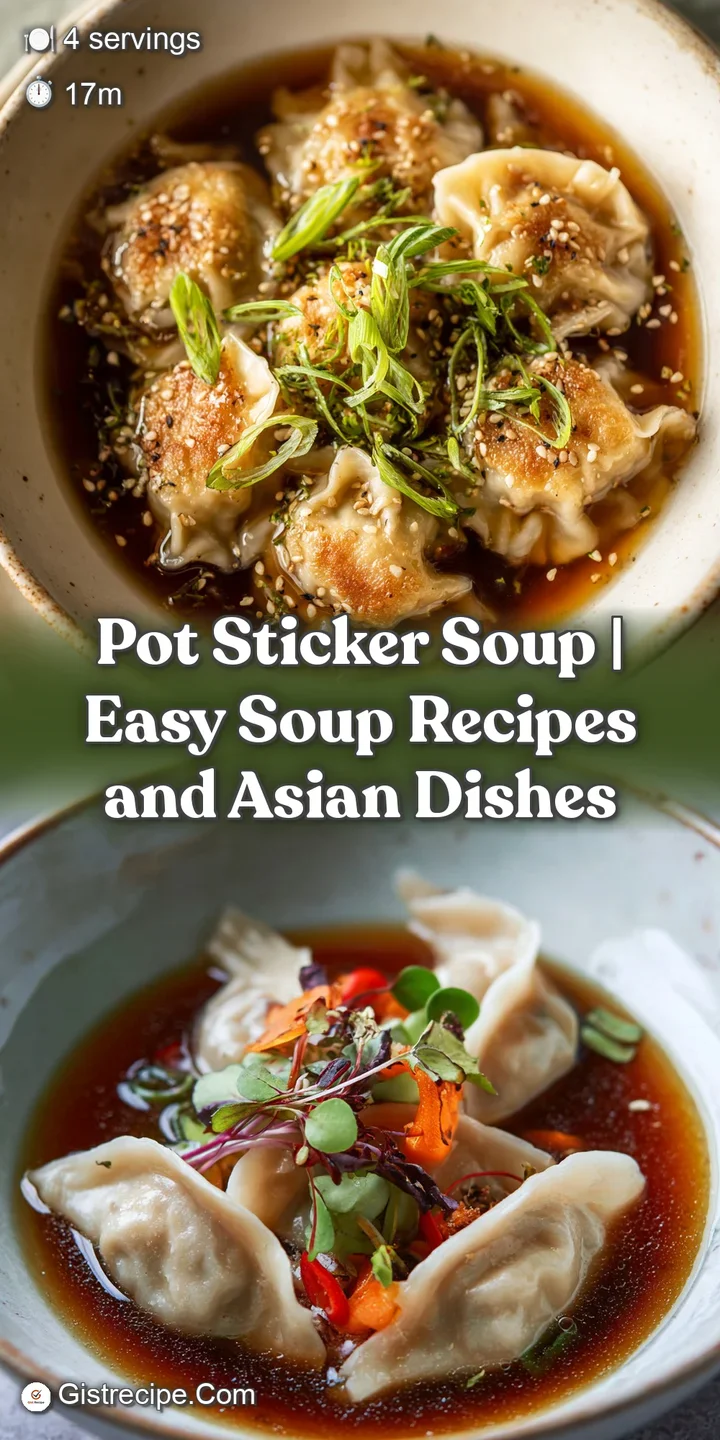
Pot Sticker Soup: Silky and Comforting
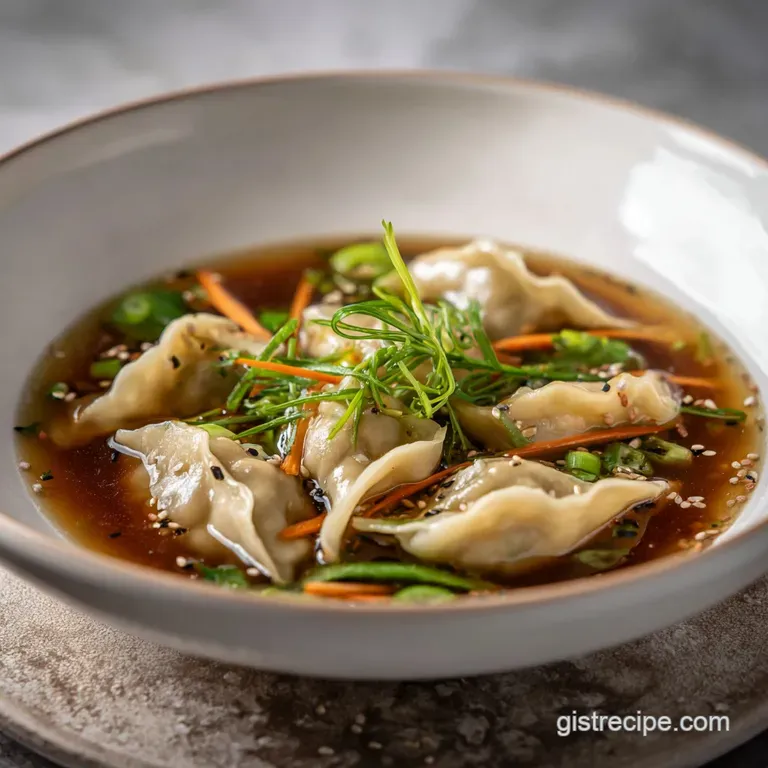
- Time: Active 5 minutes, Passive 12 minutes, Total 17 minutes
- Flavor/Texture Hook: Silky broth with slippery, tender dumplings and a sharp ginger kick
- Perfect for: Budget conscious weeknight dinners or a quick comfort fix
- Master the Ultimate Quick Pot Sticker Soup
- Why This Fast Method Creates Deep Flavor
- Essential Components for Your Sticker Soup
- Budget Friendly Ingredients and Substitutes
- Tools for a Seventeen Minute Meal
- Executing the Perfect One Pot Simmer
- Fixing Common Pot Sticker Soup Hurdles
- Adjusting the Recipe Size
- Dumpling Myths and Truths
- Preserving Leftovers and Reducing Food Waste
- Perfect Sides to Round Out Your Dinner
- Very High in Sodium (🚨)
- Recipe FAQs
- 📝 Recipe Card
Master the Ultimate Quick Pot Sticker Soup
Forget everything you know about complex bone broths and laborious long simmering stews. There is a common myth floating around the internet that you need a collection of expensive bones and a whole Saturday afternoon to achieve a broth with real depth. I used to believe that too.
I’d spend hours skimming fat and hovering over a stockpot, convinced that "fast" meant "flavorless." Honestly, I was just making things harder for myself than they needed to be. This Pot Sticker Soup is the ultimate rebuttal to that kitchen lie.
We are leaning hard into the magic of high impact aromatics and the strategic use of frozen shortcuts. When you hit fresh ginger and garlic with toasted sesame oil, you create a flavor base that tastes like it has been maturing for hours.
Then, the magic happens: as those frozen dumplings cook directly in the broth, they release just enough starch to give the liquid a velvety body. It isn’t just a thin soup; it’s a cohesive, comforting experience that feels like a warm hug on a rainy Tuesday.
The best part? This dish is a total budget hero. You don’t need a pantry full of rare vinegars or expensive cuts of meat. We’re using frozen pot stickers the kind you can grab in a big bag for a few dollars and standard veggies like cabbage and carrots.
It’s a reliable, foolproof way to feed four people for less than the price of a single takeout order. Let’s get into why this works so well and how you can make it your new weeknight staple.
Why This Fast Method Creates Deep Flavor
We aren't just boiling frozen food here; we are using a few specific techniques that change the structure of the broth. By understanding how these simple ingredients interact, you can make a 17 minute soup taste like a 17 hour labor of love.
- Aromatic Blooming: Sautéing ginger and garlic in sesame oil before adding liquid releases fat soluble flavor compounds that boiling alone can't reach.
- Starch Gelatinization: As the dumpling wrappers cook, they shed a tiny amount of flour into the broth, which naturally thickens the liquid into a silky consistency.
- Residual Heat Management: We add the cabbage at the very end to ensure it wilts without turning into a mushy, gray mess, keeping the texture vibrant.
- The Acid Punch: Adding rice vinegar at the finish "wakes up" the heavy soy and sesame notes, providing a necessary brightness that cuts through the salt.
| Feature | Fresh Dumplings | Frozen Pot Stickers | Outcome Impact |
|---|---|---|---|
| Prep Time | 45-60 mins | 0 mins | Frozen saves nearly an hour of labor |
| Integrity | Delicate, can break | Sturdy, holds up to boiling | Frozen is actually better for soup beginners |
| Cost | High (Fresh meat/wrappers) | Low (Bulk frozen bags) | Frozen is the budget smart choice |
Frozen pot stickers are actually a secret weapon for home cooks because they are flash frozen at their peak, meaning the fillings stay juicy while they simmer in your broth.
Essential Components for Your Sticker Soup
Selecting the right elements for this Pot Sticker Soup is about balancing salt, fat, and heat. Even when we're keeping things budget friendly, the quality of your aromatics matters.
| Ingredient | Science Role | Pro Secret |
|---|---|---|
| Toasted Sesame Oil | Provides a high smoke point fat base with intense nutty flavor | Add it to a cold pot then heat up to prevent the oil from burning and turning bitter |
| Fresh Ginger | Contains zingibain, which adds a sharp heat and cuts through the richness of the dough | Grate it directly over the pot to catch every drop of the potent juice |
| Low Sodium Broth | Acts as the canvas; low sodium allows you to control the final seasoning | If using full sodium broth, skip the soy sauce initially to avoid an oversalted disaster |
| Rice Vinegar | Provides the necessary acidity to balance the umami of the soy sauce | Always add this at the very end to keep the bright, floral notes from evaporating |
While we are focusing on a simple version, you can always check out my simple cabbage soup recipe if you want to see how different vegetable bases can change the profile of a clear broth.
Budget Friendly Ingredients and Substitutes
One of the reasons I love this recipe is that it’s incredibly forgiving. If you don't have exactly what’s on the list, you can swap things out without ruining the soul of the dish.
- 6 cups low sodium chicken or vegetable bone broth
- Substitute: 6 cups water + 2 tbsp bouillon paste. Why this? Concentrated paste offers a deeper flavor than standard cubes.
- 2 tbsp soy sauce
- Substitute: Tamari or liquid aminos. Why this? These provide the same salty umami hit while remaining gluten-free.
- 1 tbsp toasted sesame oil
- Substitute: Neutral oil + 1 tsp toasted sesame seeds. Why this? Provides the fat base with a hint of the necessary nuttiness.
- 1 tbsp fresh ginger, grated
- Substitute: 1 tsp ground ginger. Why this? Ground ginger is more concentrated; start small and taste as you go.
- 3 cloves garlic, minced
- Substitute: 1 tsp garlic powder. Why this? Powder disperses evenly but lacks the fresh, pungent bite of cloves.
- 1 tbsp rice vinegar
- Substitute: Apple cider vinegar or lime juice. Why this? You just need a mild acid to brighten the salty broth.
- 1 lb frozen pot stickers or gyoza
- Substitute: Frozen wontons or mini dumplings. Why this? Wontons have thinner skins and will cook slightly faster.
- 2 cups shredded cabbage
- Substitute: Baby spinach or bok choy. Why this? Leafy greens wilt quickly and add great color.
- 1 cup sliced carrots
- Substitute: Sliced celery or bell peppers. Why this? These add crunch and sweetness to the savory base.
- 4 green onions
- Substitute: Chives or very thinly sliced red onion. Why this? Adds a fresh, sharp finish to the heavy dumplings.
- 1 tsp toasted sesame seeds
- Substitute: A drizzle of chili oil. Why this? Adds texture and a beautiful visual finish.
Tools for a Seventeen Minute Meal
You don't need a kitchen full of gadgets for this. A solid 5 quart stockpot (like a Lodge enameled cast iron or a standard stainless steel pot) is your best friend here. It provides enough surface area to sauté the aromatics without them crowding and steaming.
A microplane or a fine grater is also essential. When you grate the ginger and garlic instead of chopping them, you increase the surface area, which means more flavor is released into the oil in that first minute of cooking. If you're looking for other ways to use these tools, my easy chicken curry soup uses a very similar aromatic base that works beautifully.
Executing the Perfect One Pot Simmer
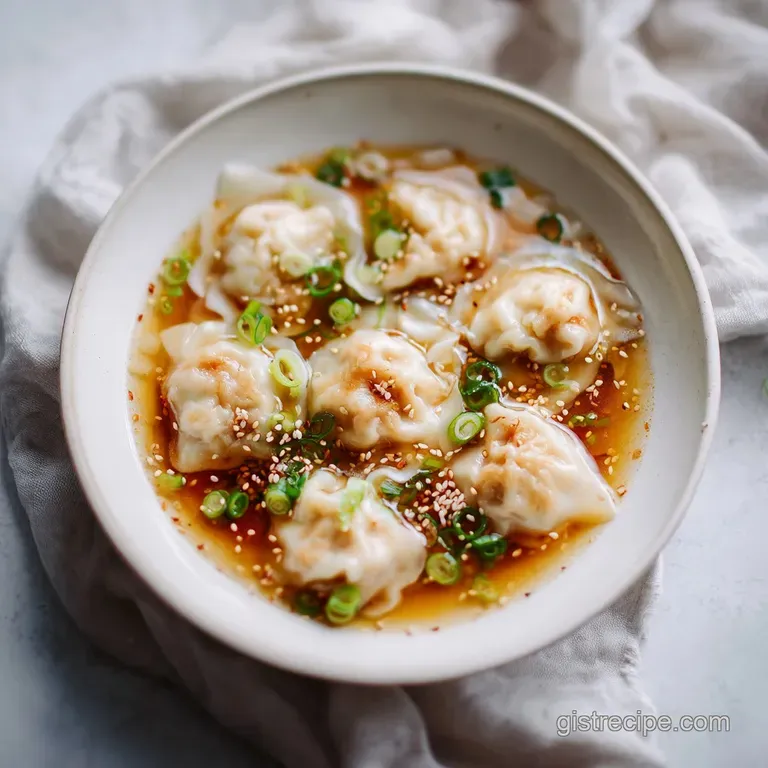
- Sauté the aromatics. Heat the 1 tbsp sesame oil in a 5 quart stockpot over medium heat. Add the grated ginger, minced garlic, and the white parts of the green onions. Note: This creates the flavor foundation of the entire dish.
- Bloom the flavors. Cook for 1–2 minutes until the garlic is fragrant and the ginger smells nutty. Do not let them brown, or they will turn bitter.
- Build the base. Pour in the 6 cups of broth and 2 tbsp soy sauce. Add the 1 cup of carrot matchsticks now. Note: Carrots take longer to soften than cabbage, so they go in early.
- Boil and simmer. Increase the heat to high. Bring the mixture to a rolling boil until large bubbles break the surface, then immediately turn the heat down to medium low.
- Simmer the carrots. Let the broth simmer for 3 minutes. This softens the carrots just enough while keeping a slight "snap."
- Add the dumplings. Gently slide the 1 lb of frozen pot stickers into the simmering broth. Note: Be careful not to splash hot liquid as you drop them in.
- Cook until floating. Simmer for 4–6 minutes until the dumplings float to the surface and the wrappers look translucent. If they stay on the bottom, they aren't done yet.
- The final wilt. Stir in the 2 cups of shredded cabbage and 1 tbsp rice vinegar. Note: Adding vinegar at the end preserves its brightness.
- Finish the greens. Cook for exactly 60 seconds until the cabbage is vibrant green and slightly wilted.
- Garnish and serve. Remove from the heat immediately. Ladle into bowls and top with the sliced green onion tops and 1 tsp toasted sesame seeds.
Fixing Common Pot Sticker Soup Hurdles
Even with a recipe this simple, things can occasionally go sideways. The most common issue I see people face is the "dumpling explosion," where the wrappers tear and the filling spills out into the broth.
Why Your Dumplings Are Falling Apart
This usually happens because the broth is at too hard of a boil. If the water is churning violently, the dumplings knock against each other and the sides of the pot, tearing the delicate wrappers. Once you add the frozen pot stickers, you want a gentle simmer think small, lazy bubbles, not a raging cauldron.
If your wrappers are already translucent but the filling feels cold, you’ve likely overcooked the outside before the inside thawed.
| Problem | Root Cause | Solution |
|---|---|---|
| Cloudy, muddy broth | Dumplings were stirred too aggressively | Use a gentle folding motion or don't stir at all once they go in |
| Bland, "flat" flavor | Not enough acidity or aromatics weren't bloomed | Stir in an extra teaspoon of rice vinegar or a splash of lime juice |
| Mushy vegetables | Cabbage was added too early | Add cabbage only in the last 60 seconds of cooking time |
Common Mistakes Checklist
- ✓ Never thaw the pot stickers before adding them to the pot (they will become a sticky mess).
- ✓ Don't skip the sautéing step; it’s where all the complex flavor is built.
- ✓ Keep the heat at a "lazy simmer" once the dumplings are in to prevent tearing.
- ✓ Use low sodium broth so you can control the salt levels with the soy sauce.
- ✓ Taste the broth before adding the cabbage to see if it needs more ginger or soy.
Adjusting the Recipe Size
If you're cooking for one or two, you can easily cut this recipe in half. Reduce the cooking times for the vegetables by about 20%, but keep the dumpling cook time the same (4-6 minutes) as they still need that time to thaw and cook through regardless of how many are in the pot.
When scaling up for a crowd, work in batches if your pot isn't large enough. If you double the recipe, only increase the salt and spices (ginger/soy) by 1.5 times initially. You can always add more at the end, but it's very hard to fix an over seasoned broth.
Also, reduce the total liquid by about 10% when doubling to ensure the flavor remains concentrated and doesn't become "watered down."
Dumpling Myths and Truths
I used to think that "real" Pot Sticker Soup required you to pan fry the dumplings before putting them in the liquid. That is actually a myth! While pan frying gives you a crispy bottom, that crunch disappears the moment it hits the broth.
Boiling them directly in the soup is the traditional way to make "Suijiao" or boiled dumplings. You save time, you save a pan, and you get a much silkier texture.
Another misconception is that frozen dumplings are lower quality than fresh. In reality, unless you are at a high end dim sum restaurant, the frozen dumplings at your local Asian market are often made with better machinery that seals the edges tighter than most home cooks can do by hand.
This means they are less likely to burst in your soup!
Preserving Leftovers and Reducing Food Waste
This soup is best eaten fresh because the dumplings will continue to soak up the broth the longer they sit. However, if you have leftovers, they can be stored in the fridge for up to 3 days.
Chef's Note: If you know you'll have leftovers, store the broth and the dumplings in separate containers. This prevents the wrappers from becoming bloated and soggy.
To reheat, simmer the broth on the stove until hot, then drop the dumplings back in for just 1-2 minutes to warm through. I wouldn't recommend freezing the finished soup, as the cabbage and cooked dumplings will lose their texture entirely upon thawing.
For a zero waste tip: save the woody ends of your green onions and any leftover cabbage hearts. Toss them into a freezer bag with other veggie scraps to make your own homemade broth next time!
Perfect Sides to Round Out Your Dinner
While this soup is a complete meal on its own, adding a little crunch on the side makes the whole dinner feel more substantial.
Crispy Smashed Cucumber Salad
A cold, vinegary cucumber salad is the perfect foil to the hot, savory soup. Use Persian cucumbers, smash them with the side of your knife, and toss with rice vinegar, chili flakes, and a pinch of sugar. The cooling effect of the cucumber balances the heat from the ginger perfectly.
Garlic Chili Edamame
If you want more protein, a quick bowl of steamed edamame tossed in garlic butter and sriracha is a great addition. It takes about 5 minutes to pull together while your soup is simmering. It adds a nice tactile element to the meal that kids and adults both love.
This soup is a reliable classic that won't let you down, making it a foolproof choice for any night of the week.
Very High in Sodium (🚨)
1375 mg 1375 mg (60% 60%)
The American Heart Association recommends limiting sodium intake to less than 2,300mg per day, with an ideal limit of less than 1,500mg per day for most adults.
Tips to Reduce Sodium
-
Swap Broth-30%
Replace the low-sodium broth with no-salt added broth. This can significantly cut down on the baseline sodium content.
-
Reduce Soy Sauce-20%
Decrease the soy sauce from 2 tablespoons to 1 tablespoon and use a low-sodium soy sauce. If needed, you can add a touch more at the end for flavor.
-
Boost Aromatics
Increase the amount of fresh ginger and garlic. These aromatics add a lot of flavor complexity without adding sodium.
-
Use Rice Vinegar Wisely
Ensure the rice vinegar you are using is plain and unsweetened, as some flavored vinegars can contain added sodium. For this recipe, it's a good low-sodium flavor enhancer.
-
Flavor with Herbs & Spices
Experiment with other sodium free seasonings like black pepper, red pepper flakes, or fresh cilantro to enhance the overall taste.
Recipe FAQs
What exactly is potsticker soup?
It is a quick, one-pot meal featuring frozen potstickers simmered in a savory, aromatic broth. It transforms standard frozen dumplings into a complete dinner by adding fresh ginger, garlic, cabbage, and carrots.
What kind of broth is best for potsticker soup?
Low-sodium chicken or vegetable bone broth is ideal. Using low-sodium varieties allows you to control the final salt level precisely when adding your soy sauce.
When to add potstickers to soup?
Add them only after the broth reaches a rolling boil and has simmered for 3 minutes. Always slide them in frozen; never thaw them beforehand, as this causes the dough to become a sticky mess.
What is the difference between pot stickers and soup dumplings?
Potstickers are pan-seared or boiled dumplings with a thicker wrapper, while traditional soup dumplings contain a solidified gelatin broth inside. In this soup, we use standard potstickers because their sturdy wrappers hold up perfectly in the simmering liquid.
Is it true I should boil the potstickers on high heat?
No, this is a common misconception. You must maintain a gentle, lazy simmer once the dumplings are in to prevent the delicate wrappers from tearing during the 4 6 minute cooking process.
How to ensure the broth has maximum flavor?
Sauté the ginger, garlic, and white parts of the green onions in toasted sesame oil before adding liquids. If you enjoyed mastering this aromatic base, you can apply similar flavor building techniques to our Fried Cabbage with Bacon for equally savory results.
How to know when the potstickers are finished cooking?
Look for the dumplings to float to the surface of the broth. Once they float and the dough appears translucent rather than opaque, they are ready to eat.
Easy Pot Sticker Soup
Ingredients:
Instructions:
Nutrition Facts:
| Calories | 328 kcal |
|---|---|
| Protein | 15.4 g |
| Fat | 11.8 g |
| Carbs | 42.1 g |
| Fiber | 3.2 g |
| Sugar | 5.8 g |
| Sodium | 1375 mg |
