Dijon Baked Salmon with Honey Crust
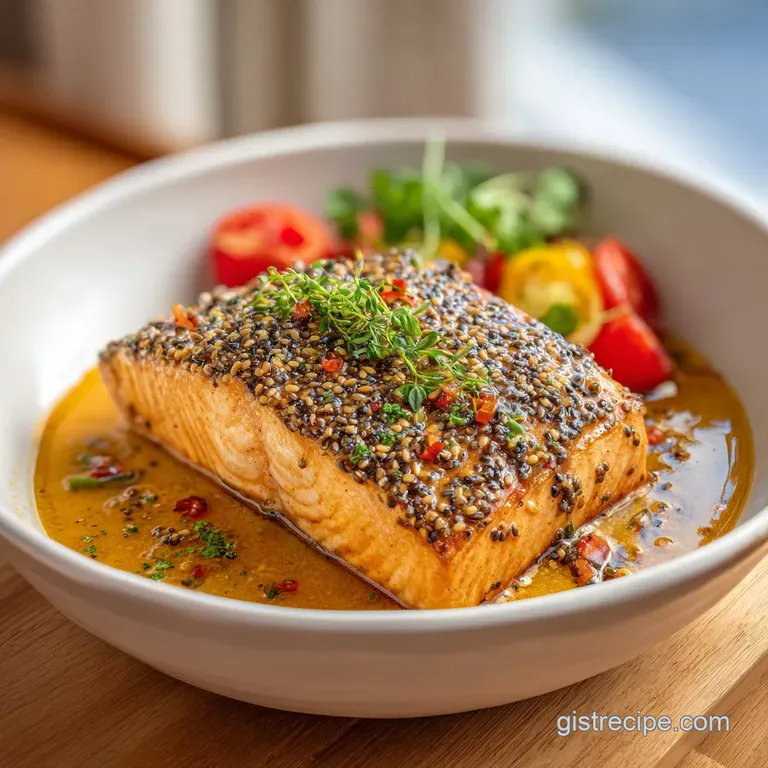
- Time: Active 5 minutes, Passive 15 minutes, Total 20 minutes
- Flavor/Texture Hook: Tangy honey mustard crust with a buttery, flaky center
- Perfect for: Busy weeknight dinners or a reliable meal prep option
- Simple Science Behind the Glaze
- Recipe Timing and Yield Specs
- Fresh Components for Better Flavor
- Minimal Tools for Easy Cleanup
- Detailed Guide to Baking Salmon
- Fixing Common Cooking Mistakes
- Easy Swaps and Recipe Tweaks
- Storing and Reheating Your Leftovers
- Creative Sides for Balanced Meals
- Recipe FAQs
- 📝 Recipe Card
The kitchen fills with a sharp, tangy aroma the moment the honey hits the Dijon in the bowl, but the real magic happens about ten minutes into the bake. You'll hear that faint sizzle as the olive oil and honey begin to caramelize against the parchment paper, creating those little crispy edges that everyone fights over.
I remember the first time I made this, I was staring at a plain piece of fish and a nearly empty pantry, wondering how to make it interesting without a trip to the store.
I whipped together what I had, smeared it on thick, and hoped for the best. What came out was a revelation the mustard didn't just add flavor, it created a protective barrier that kept the salmon incredibly silky. Since that night, this has become my go to "I'm too tired to cook but want something fancy" meal.
It is foolproof, fast, and uses things you probably already have sitting in your fridge door.
Simple Science Behind the Glaze
The Emulsion Shield: Mustard acts as a natural emulsifier, binding the honey and oil into a thick, stable paste that won't slide off the fish. This creates a physical barrier that traps steam inside the fillet, ensuring the protein doesn't dry out even in a hot oven.
The Maillard Enhancement: The glucose in the honey reacts with the amino acids in the salmon and garlic at high heat. This reaction produces the deep brown color and complex savory notes that make the crust so addictive.
Quick Decision Done ness Guide
| Thickness | Internal Temp | Rest Time | Visual Cue |
|---|---|---|---|
| 0.5 inch | 145°F | 2 mins | Opaque throughout |
| 1.0 inch | 145°F | 3 mins | Flakes easily with fork |
| 1.5 inch | 145°F | 5 mins | Center is barely translucent |
Using a digital thermometer is the most reliable way to ensure you don't end up with dry fish, but watching for the flake is a great backup. If you want a different texture or a faster cook time for smaller pieces, you might want to try this Air Fryer Salmon recipe.
Recipe Timing and Yield Specs
This recipe is designed for a standard 1.5 lbs fresh salmon fillet, which comfortably serves four people. If you are cooking for a larger crowd, it is better to buy two separate fillets rather than one massive side of salmon to ensure even heat distribution.
The prep time is a lightning fast 5 minutes because we are leaning on high impact ingredients that do the heavy lifting for us.
For those who enjoy white fish variations, the timing for this glaze works surprisingly well with other species too. You could easily adapt these steps for my Baked Walleye Pike recipe if you prefer a milder flavor profile. Just keep an eye on the thickness, as leaner fish can cook a bit faster than fatty salmon.
Fresh Components for Better Flavor
Component Analysis
| Ingredient | Science Role | Pro Secret |
|---|---|---|
| Dijon Mustard | Emulsifier | Use creamy Dijon for a smoother crust, or stone ground for more texture. |
| Honey | Humectant | Darker honey provides a deeper caramelization and more complex floral notes. |
| Garlic | Aromatics | Mince it very fine so it integrates into the glaze without burning in chunks. |
| Fresh Dill | Finish | Add half into the glaze and save the rest for a bright, cold garnish. |
The quality of your salmon is the foundation here. Look for fillets that are firm to the touch and have a vibrant color without any "fishy" odor. If you're using frozen fish, ensure it is completely thawed and patted bone dry before you even think about applying the glaze.
Ingredients & Substitutes
- 1.5 lbs fresh salmon fillet: The star of the show. Why this? High omega-3 content makes it naturally buttery and forgiving.
- Substitute: Steelhead trout. It looks and tastes almost identical but is often more affordable.
- 0.5 tsp kosher salt: Enhances the natural savory notes.
- Substitute: Sea salt or a splash of soy sauce (reduce honey if using soy).
- 0.25 tsp freshly cracked black pepper: Adds a subtle heat.
- Substitute: White pepper for a more floral, less biting spice.
- 3 tbsp Dijon mustard: Provides the structural base for the glaze.
- Substitute: Spicy brown mustard for a more rustic, pungent kick.
- 2 tbsp honey: Balances the acidity of the mustard and lemon.
- Substitute: Pure maple syrup. It adds a woody sweetness that pairs beautifully with salmon.
- 1 tbsp extra virgin olive oil: Adds richness and helps the crust brown.
- Substitute: Avocado oil or melted butter for a more decadent finish.
- 1 tbsp fresh lemon juice: Cuts through the fat of the fish.
- Substitute: Apple cider vinegar or lime juice in a pinch.
- 2 cloves garlic, finely minced: Adds depth and aroma.
- Substitute: 0.5 tsp garlic powder if you're in a total rush.
- 1 tsp fresh dill, chopped: The classic herbal pairing for fish.
- Substitute: Fresh parsley or chives if dill isn't your favorite.
Chef's Tip: Freeze your butter for 10 minutes then grate a tiny bit over the top of the glaze right before baking. The milk solids will brown and create a "shatter" effect on the crust that is purely therapeutic to eat.
Minimal Tools for Easy Cleanup
One of the reasons I make Dijon Baked Salmon so often is that it requires almost zero cleanup. You need one small bowl to whisk the glaze, a spoon or pastry brush, and a rimmed baking sheet. I highly recommend lining your pan with parchment paper or a silicone mat.
Honey based glazes can be a nightmare to scrub off a bare metal pan once they've spent 15 minutes in a hot oven.
If you don't have a pastry brush, don't worry about it. The back of a spoon works just as well to spread the mixture. The goal is a thick, even layer that covers the top and sides of the fillet. This isn't just for flavor; it's the insulation that keeps the interior velvety.
Detailed Guide to Baking Salmon
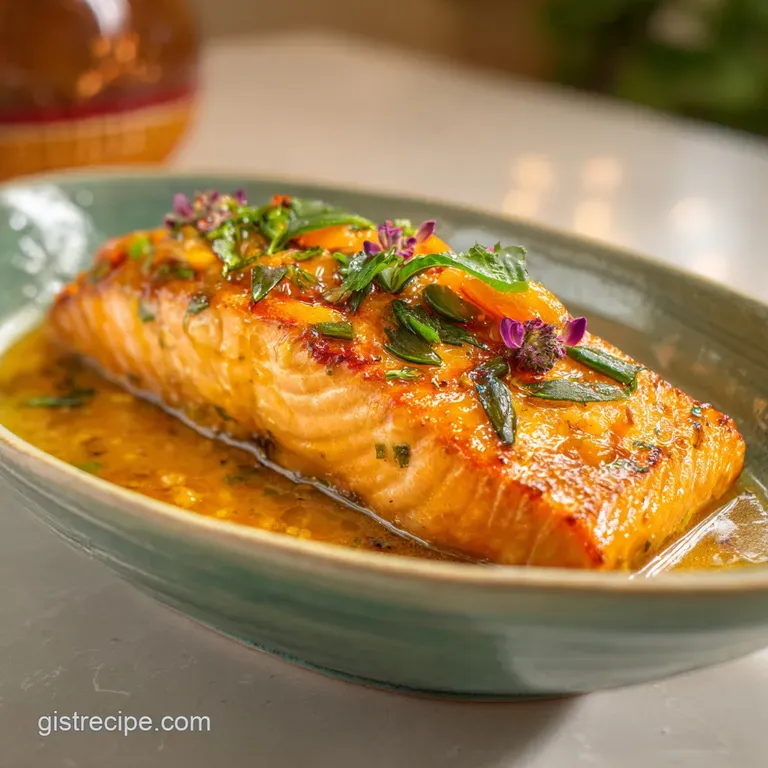
- Preheat the oven. Set it to 400°F (200°C) and ensure the rack is in the center. Note: This temperature allows the glaze to set before the fish overcooks.
- Prep the pan. Line a rimmed baking sheet with parchment paper.
- Dry the fish. Pat the 1.5 lbs salmon fillet with paper towels until the surface is completely matte. Note: Moisture on the surface will steam the fish rather than letting the glaze stick.
- Season lightly. Sprinkle the 0.5 tsp kosher salt and 0.25 tsp black pepper over the fillet.
- Mix the glaze. In a small bowl, whisk the 3 tbsp Dijon, 2 tbsp honey, 1 tbsp olive oil, 1 tbsp lemon juice, 2 cloves minced garlic, and 0.5 tsp of the dill.
- Apply the coating. Spread the glaze generously over the top and sides of the salmon.
- Roast the salmon. Bake for 12 to 15 minutes until the glaze is bubbling and the fish flakes easily.
- Check for doneness. The thickest part should reach 145°F. Note: Carryover cooking will raise the temp a few degrees while resting.
- Add the garnish. Remove from the oven and sprinkle with the remaining 0.5 tsp of fresh dill.
- Rest before serving. Let it sit for 3 minutes until the juices redistribute throughout the flesh.
| Method | Time | Texture | Best For |
|---|---|---|---|
| Oven | 15 mins | Velvety & even | Large family fillets |
| Stovetop | 10 mins | Crispy skin | Individual portions |
| Air Fryer | 8 mins | Extra charred | Maximum crunch lovers |
While the oven is my favorite for a reliable, hands off meal, the stovetop is great if you really want that skin to be like a potato chip. Just be careful, as the honey in the glaze will burn quickly in a hot pan.
Fixing Common Cooking Mistakes
Why Your Salmon Is White
That white stuff is called albumin. It is just a protein that gets pushed out when the muscle fibers contract too quickly. It is perfectly safe to eat, but it usually means your oven was too hot or you cooked the fish a few minutes too long.
Managing a Soggy Glaze
If your glaze is sliding off or looks watery, it usually means the fish wasn't dried properly before the mustard mixture was applied. The water on the fish prevents the emulsion from "grabbing" the protein.
| Problem | Root Cause | Solution |
|---|---|---|
| Dry texture | Overcooking | Pull from oven at 140°F; let carryover finish it |
| Bland flavor | No salt on fish | Season the fish before adding the glaze |
| Burnt top | Too much sugar | Move rack down or tent with foil halfway |
Common Mistakes Checklist
- ✓ Not drying the salmon: Always pat it dry or the glaze will slide off into the pan.
- ✓ Skipping the rest: Let it sit for 3 minutes so the fibers relax and hold onto their moisture.
- ✓ Using cold fish: Take the salmon out of the fridge 15 minutes early to ensure even cooking.
- ✓ Over mincing garlic: If it's a paste, it blends well; if it's chunks, it might burn.
- ✓ Forgetting the acid: That squeeze of lemon juice is what balances the heavy honey.
Easy Swaps and Recipe Tweaks
If you want to change things up, this recipe is incredibly flexible. For a "Pecan Crusted Twist," simply stir 1/4 cup of finely chopped pecans into the glaze before spreading it on. The nuts will toast in the oven, adding a massive "shatter" crunch to every bite.
This is a great way to make a simple Tuesday meal feel like a holiday dinner.
For a spicy version, I love adding a teaspoon of sriracha or red pepper flakes to the simple Dijon mustard sauce for salmon. The heat cuts through the sweetness of the honey and provides a nice tingle on the tongue.
If you are following a specific diet, you can swap the honey for a brown sugar substitute or even just use more mustard for a tangier, lower carb version.
Decision Shortcut
- If you want a crunchier top, add 2 tbsp of Panko breadcrumbs to the glaze.
- If you want a deeper flavor, use smoked salt instead of regular kosher salt.
- If you want zero cleanup, wrap the whole thing in a foil packet (add 5 mins to cook time).
Storing and Reheating Your Leftovers
Salmon is one of those proteins that is actually quite good cold the next day. I love flaking leftovers over a big green salad with a lemon vinaigrette. If you do want to reheat it, the key is low and slow. Put it in a 300°F oven with a splash of water and cover it with foil.
This creates a mini steam chamber that prevents the fish from turning into rubber.
Storage: Keep in an airtight container in the fridge for up to 3 days. I don't recommend freezing cooked salmon as the texture becomes quite mushy once thawed, but you can freeze the raw fillets with the glaze already applied for a quick "dump and bake" meal later.
Zero Waste: Don't throw away the skin! If you don't like eating it with the fish, peel it off and fry it in a pan with a little salt until it's crispy like a chip. It's packed with nutrients and tastes like savory candy. Also, any leftover glaze makes a fantastic dipping sauce for roasted potatoes.
Creative Sides for Balanced Meals
When it comes to pairings, I usually go for something that can soak up any extra glaze that drips onto the plate. Roasted asparagus or long stemmed broccolini are classic choices because you can toss them on the same baking sheet as the fish if you're careful with the timing.
For a heartier meal, a pile of fluffy jasmine rice or some herbed quinoa works beautifully. The tanginess of the Dijon Baked Salmon also plays really well with a cold cucumber salad or a slaw dressed in rice vinegar. If you are looking for more fish inspiration, don't miss out on trying a traditional Burmese Mohinga with recipe for a completely different flavor profile that still highlights the beauty of fresh fish.

Recipe FAQs
How do you cook salmon in the oven with dijon mustard?
Mix the glaze, coat the fish, and bake at 400°F. Whisk together Dijon, honey, oil, lemon juice, garlic, and herbs until emulsified. Pat the salmon bone dry, spread the mixture thickly over the top, and roast for 12 to 15 minutes until the center flakes easily and reaches 145°F internally.
Do you bake salmon at 400 or 450?
Stick with 400°F for this preparation. While 450°F cooks faster, the high sugar content in the honey/Dijon glaze will scorch and burn before the thick salmon fillet cooks through properly.
Is it better to bake salmon at 350 or 400 in foil?
400°F is superior for developing the crust in foil. Baking at 350°F creates too much steam inside the packet, resulting in a boiled texture rather than the slightly caramelized top we aim for with the Dijon topping.
Why do people put dijon mustard on salmon?
Dijon acts as a crucial emulsifier and flavor enhancer. It binds the honey and oil into a protective glaze that locks in moisture, while its natural acidity cuts through the richness of the fish.
What is the internal temperature target for baked Dijon salmon?
The target is 145°F for safe consumption. However, for the best texture, pull the fish when the thickest part reads 140°F, as carryover cooking during the required 3-minute rest will bring it perfectly to the final temperature.
Can I substitute the honey in the glaze?
Yes, maple syrup is an excellent substitute for honey. Maple syrup provides a comparable level of sweetness and humectancy, yielding a crust with slightly deeper, woodier caramelized notes, similar to techniques used in our Simple Turkey and recipe for balancing savory flavors.
What is the key to keeping the salmon from drying out?
Patting the surface completely dry before glazing is essential. If the surface is wet, the mustard won't adhere properly, and the moisture will steam the fish instead of allowing the glaze barrier to form and trap the internal juices.
Dijon Baked Salmon In 20
Ingredients:
Instructions:
Nutrition Facts:
| Calories | 427 kcal |
|---|---|
| Protein | 35.1 g |
| Fat | 26.6 g |
| Carbs | 9.3 g |
| Fiber | 0.3 g |
| Sugar | 8.5 g |
| Sodium | 525 mg |
