Traditional Knoephla Soup Recipe
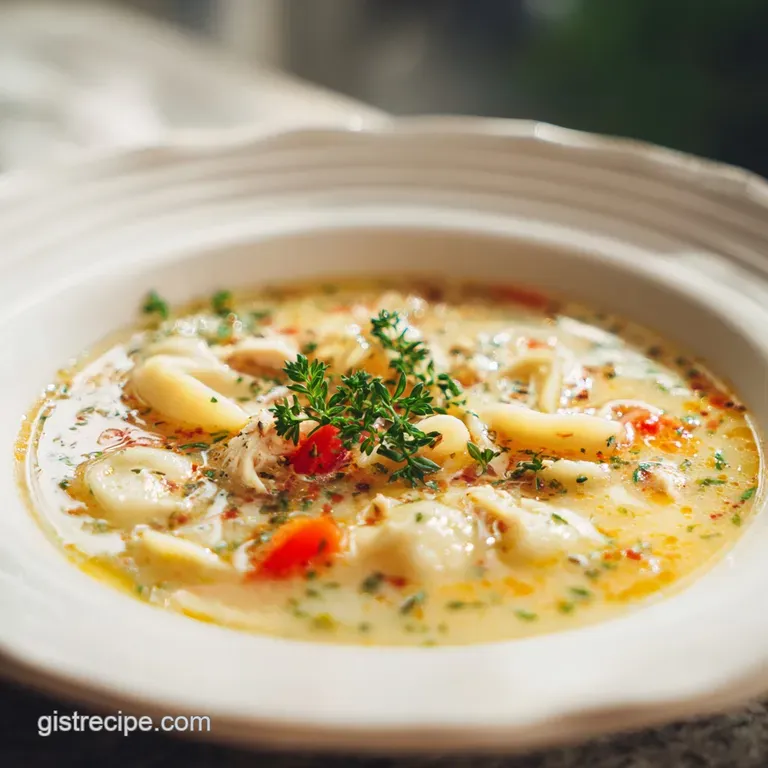
- Time: Active 20 minutes, Passive 40 minutes, Total 1 hour
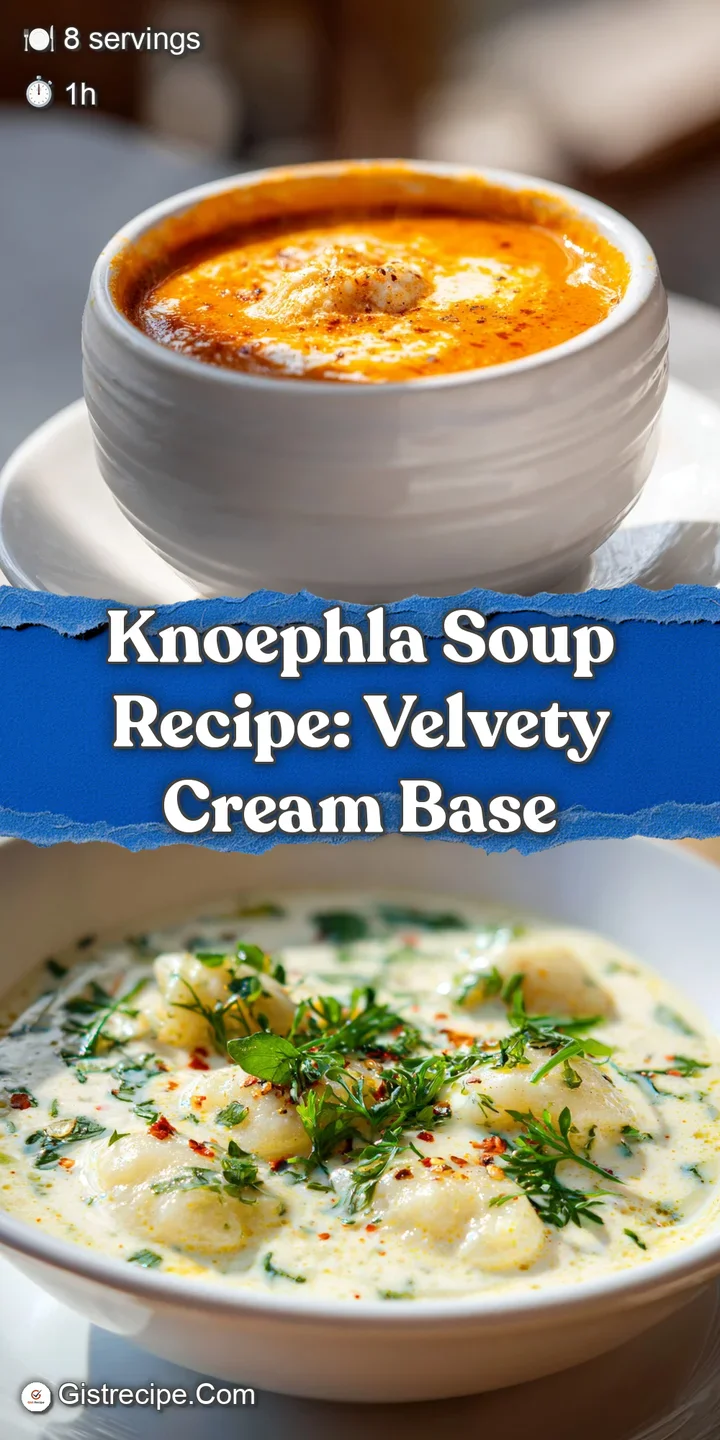
- Flavor/Texture Hook: Velvety cream base with chewy, button shaped dumplings
- Perfect for: Cold winter nights or family gatherings requiring a hearty, low fuss meal
- Create the Ultimate Knoephla Soup Recipe
- Master Essential Peasant Food Techniques
- Essential Timeline for Hearty Soup
- Gathering Fresh Farmhouse Pantry Staples
- Essential Tools for Perfect Batches
- Follow Our Step-by-Step Guide
- Solutions for Common Soup Mishaps
- Regional Variations and Flavorful Substitutions
- Storing and Reheating Your Soup
- Best Sides for Midwestern Meals
- Debunking Common Soup Myths
- Recipe FAQs
- 📝 Recipe Card
Create the Ultimate Knoephla Soup Recipe
The first time I tried this knoephla soup recipe was during a snowstorm that had basically turned my driveway into a solid glacier. My neighbor, Mrs. Schmidt, came over with a Tupperware container that was so warm it was literally melting the frost on her mittens.
She didn't call it soup; she called it "survival in a bowl." One spoonful of those velvety, chewy dumplings and the thick, creamy broth, and I was completely hooked on this North Dakota staple.
The secret, as she told me while we watched the wind whip the trees, isn't in fancy spices or complicated steps. It is all about the "knoephla" themselves those little buttons of dough that have a specific, bouncy bite. If you’ve never had it, think of it as a heavy, warm hug from the inside out.
We are going to walk through exactly how to get that signature texture without making your kitchen look like a flour bomb went off.
Don't let the idea of making dumplings from scratch intimidate you. I've spent years figuring out why some dumplings turn into lead weights and others fall apart into mush. This method uses a cold liquid technique that keeps the dough manageable and the result light but substantial.
Right then, let's get our aprons on and get to work on this kitchen classic.
Master Essential Peasant Food Techniques
The Chemistry of the Button: Baking powder creates tiny carbon dioxide bubbles within the dense dough, ensuring the dumplings float and remain tender rather than gummy. This aeration happens the moment the dough hits the simmering broth, causing a rapid expansion.
Starch Thickening Power: As the Yukon Gold potatoes simmer, they release amylose molecules into the broth, which naturally thickens the liquid before you even add the heavy cream. This create a cohesive mouthfeel that bonds the vegetable flavors to the dairy.
| Method | Prep Time | Texture Result | Best For |
|---|---|---|---|
| Homemade Dough | 20 minutes | Chewy, bouncy, authentic | Traditional family Sunday dinner |
| Frozen Bread Dough | 5 minutes | Softer, more bread like | Quick weeknight emergency meal |
| Canned Biscuits | 2 minutes | Airy, slightly sweet | Absolute beginners or camping |
Choosing the right potato is a critical step in achieving the right consistency for this knoephla soup recipe. You want a waxy or semi waxy potato that holds its shape through the simmering process.
If you use a starchy Russet, it might disintegrate, turning your soup into a bowl of mashed potato slurry rather than a clear broth with distinct bites.
Chef's Tip: Use a pair of clean kitchen shears to snip the dumpling dough directly into the pot. It saves you from flouring a cutting board and keeps the dumplings uniform in size.
Essential Timeline for Hearty Soup
The key to a successful run with this knoephla soup recipe is staying organized with your "mise en place" before the heat even goes on. Since the dumplings require a short rest to let the gluten relax, we start there. While the dough is chilling out, we tackle the aromatics.
This ensures that the vegetables are perfectly translucent by the time the broth is ready for the potatoes.
| Component | Science Role | Pro Secret |
|---|---|---|
| All Purpose Flour | Provides structure through gluten | Sift it first to avoid lumps |
| Whole Milk | Adds fat and moisture | Use cold milk for a firmer dough |
| Yukon Gold Potatoes | Natural thickener and bite | Keep cubes small (0.5 inch) |
| Heavy Cream | Emulsifies the broth | Add at the very end to prevent curdling |
Working with the dough is a tactile experience. You want it to be tacky but not sticky think of the consistency of a soft eraser. If it sticks to your fingers, add a tablespoon of flour. If it feels like a rock, a splash of milk will save it. Much like the base for a Simple Turkey and recipe, the liquid to solid ratio in the base of this soup determines the final silkiness of the dish.
Gathering Fresh Farmhouse Pantry Staples
For this knoephla soup recipe, we are using standard pantry items that you likely already have on hand. No need for a special trip to a gourmet shop.
- 3 cups all purpose flour: This is the structural backbone of our dumplings. Why this? AP flour has the right protein content for a chew that isn't too tough.
- 1 large egg, beaten: Acts as a binder. Why this? It provides richness and helps the dumplings hold their shape in boiling liquid.
- 0.75 cup whole milk: Hydrates the flour. Why this? Whole milk adds a subtle sweetness and better fat content than water.
- 1 tsp baking powder: Our leavening agent. Why this? It prevents the dumplings from becoming overly dense and leaden.
- 0.5 tsp kosher salt: For internal dumpling seasoning. Why this? Salt strengthens the gluten structure while enhancing flavor.
- 4 tbsp unsalted butter: To sauté the aromatics. Why this? Butter provides a deeper flavor profile than vegetable oil for this base.
- 1 large yellow onion: Diced fine. Why this? Yellow onions provide a balanced sweetness when caramelized slightly.
- 2 stalks celery: Sliced thin. Why this? Adds an essential earthy note to the chicken broth base.
- 2 medium carrots: Peeled and diced. Why this? Provides color and a natural sugary undertone to the soup.
- 8 cups low sodium chicken broth: The liquid base. Why this? Low sodium allows you to control the final saltiness of the dish.
- 4 large Yukon Gold potatoes: Cubed. Why this? They hold their shape perfectly and provide a buttery texture.
- 1 cup heavy cream: For the final finish. Why this? Creates the velvety mouthfeel that defines a traditional knoephla soup.
- 0.25 cup fresh parsley: Minced. Why this? A pop of green cuts through the richness of the dairy.
- 0.5 tsp black pepper: Freshly cracked. Why this? Adds a necessary bite to the mild, creamy base.
| Original Ingredient | Substitute | Why It Works |
|---|---|---|
| Heavy Cream (1 cup) | Whole Milk + 2 tbsp Butter | Provides similar fat but the soup will be slightly thinner |
| Yukon Gold Potatoes | Red Bliss Potatoes | Both are waxy and hold shape well during long simmers |
| Chicken Broth | Vegetable Broth | Makes the base vegetarian. Note: Lacks the depth of chicken fat |
Essential Tools for Perfect Batches
You don't need a high end lab, but a heavy bottomed Dutch oven is your best friend here. It distributes heat evenly, preventing the cream from scorching at the bottom of the pot. A sturdy wooden spoon is also non negotiable for scraping up those brown bits (the "fond") after sautéing the onions.
For the dumplings, a sharp pair of kitchen shears is far superior to a knife. It allows you to work quickly, ensuring all the knoephla hit the water at roughly the same time. This leads to even cooking.
If you have a stand mixer, you can use the dough hook for the dumpling stage, but honestly, doing it by hand in a large bowl is much more satisfying and gives you a better feel for the dough's hydration.
For the Signature Knoephla Dumplings
The dumplings are the star. You'll need a large mixing bowl and a clean surface for rolling. If you have a bench scraper, that's great for cleaning up the flour afterward, but a spatula works in a pinch.
For the Velvety Soup Base
A 6 quart or larger pot is necessary. This recipe makes a generous 8 servings, and you need room for the dumplings to expand without overcrowding the pot. Overcrowding leads to dumplings sticking together into one giant dough ball.
Follow Our step-by-step Guide
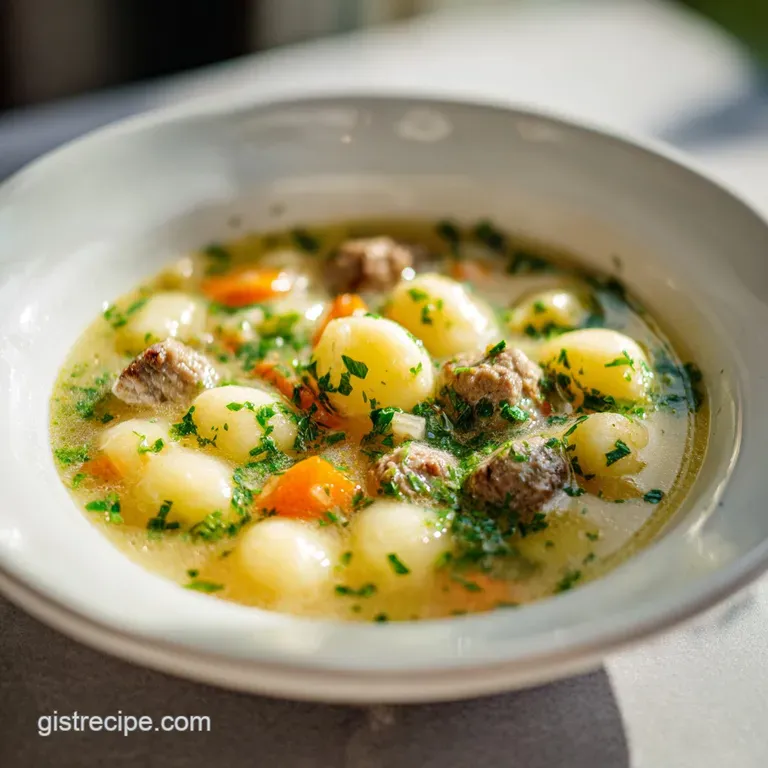
Phase 1: Crafting the Homemade Knoephla Dumplings
- Whisk the dry ingredients. Combine the 3 cups flour, 1 tsp baking powder, and 0.5 tsp salt in a large bowl. Note: Sifting isn't mandatory but helps prevent salt pockets.
- Incorporate the liquids. Add the beaten egg and 0.75 cup milk to the flour mixture.
- Knead the dough. Mix until a shaggy ball forms, then knead on a floured surface for 3-5 mins until smooth and slightly elastic.
- Rest the dough. Wrap in plastic and let it sit for 15 minutes. Note: This relaxes the gluten so the dumplings aren't tough.
- Shape the ropes. Roll the dough into long snakes, about 0.5 inch thick.
- Cut the buttons. Snip or slice the ropes into 0.5 inch pieces. Keep them tossed in a little flour so they don't stick.
Phase 2: Building the Aromatic Foundation
- Sauté the vegetables. Melt 4 tbsp butter in your pot. Add the onion, celery, and carrots. Cook for 8 mins until the onions are translucent and fragrant.
- Deglaze the pot. Pour in the 8 cups chicken broth, scraping the bottom to release the flavor.
- Boil the potatoes. Add the cubed Yukon Golds. Simmer for 15 mins until the potatoes are just barely fork tender.
Phase 3: The Simmer and the "Drop"
- Add the dumplings. Drop the knoephla into the simmering broth. Cook for 5 mins until they all float to the surface.
- Finish with cream. Stir in the 1 cup heavy cream and 0.5 tsp black pepper. Heat through for 2 mins but do not let it reach a rolling boil.
- Garnish and serve. Stir in the minced parsley and serve immediately while the broth is steaming.
Solutions for Common Soup Mishaps
Why Your Dumplings Disintegrated
If your dumplings vanished into the broth, it’s usually because the broth was at a violent, rolling boil. High heat can physically break apart the dough before the egg has a chance to set the structure. Always aim for a gentle simmer small bubbles, not a hot tub.
Why Your Broth Curdled
Adding cold cream to a boiling soup can cause the proteins to clump, creating a grainy texture. To prevent this, let the cream sit on the counter for a few minutes to take the chill off, or "temper" it by mixing a ladle of hot broth into the cream before pouring it all back into the pot.
| Problem | Root Cause | Solution |
|---|---|---|
| Gummy Dumplings | Over kneading the dough | Knead only until smooth; don't work it like bread |
| Thin, Watery Broth | Not enough potato starch | Mash a few of the cooked potatoes against the side of the pot |
| Tough Buttons | Too much flour in the mix | Measure flour by spooning it into the cup, don't pack it down |
Common Mistakes Checklist:
- ✓ Don't skip the dough rest; 15 minutes makes a world of difference in tenderness.
- ✓ Ensure potatoes are cut to a uniform 0.5 inch so they cook at the same rate.
- ✓ Never boil the soup after adding the cream; high heat breaks the emulsion.
- ✓ Keep the dumpling ropes thin; they puff up significantly once they hit the liquid.
- ✓ Use low sodium broth so the final dish isn't a salt bomb after reduction.
Regional Variations and Flavorful Substitutions
While the traditional knoephla soup recipe is meatless (aside from the broth), many families in the Midwest love to bulk it up. This soup is a cousin to the comfort found in a Johnny Marzetti Recipe, where simple starches meet a rich, savory base.
For a Hearty Knoephla Soup Recipe with Chicken
You can add 2 cups of shredded rotisserie chicken along with the cream at the very end. It turns the soup into a full one pot meal that can satisfy even the hungriest crowd. If you're going this route, I suggest increasing the black pepper slightly to balance the extra protein.
For a Smoked Meat Variation
Some folks swear by adding sliced kielbasa or diced smoked ham. Sauté the meat with the onions and carrots at the beginning to render out some of the fat and infuse the whole broth with a smoky aroma. This version is particularly popular in German Russian communities where preserved meats were a winter staple.
| Premium Ingredient | Budget Alternative | Flavor Impact | Savings |
|---|---|---|---|
| Fresh Leeks | Extra Yellow Onion | Less mild/floral, more sharp | $2.00 |
| Heavy Cream | Evaporated Milk | Slightly less rich, more "cooked" milk taste | $1.50 |
| Organic Broth | Bouillon Cubes | Saltier, less complex depth | $3.00 |
Storing and Reheating Your Soup
This soup is actually one of those rare dishes that tastes even better the next day. As it sits, the dumplings absorb a bit more of the broth, and the flavors of the onion and celery fully meld.
Fridge Storage: Store in an airtight container for up to 4 days. Note that the soup will thicken significantly as it cools because the potatoes and dumplings continue to release starch.
Freezer Instructions: I generally don't recommend freezing this specific soup. The heavy cream can separate and become grainy upon thawing, and the potatoes often turn mealy. If you must freeze it, do so before adding the cream. Add fresh cream when you reheat it on the stove.
Reheating: Use the stovetop over medium low heat. You will likely need to add a splash of milk or chicken broth to thin it back out to your desired consistency. Avoid the microwave if possible, as it tends to heat the dumplings unevenly, making them rubbery.
Zero Waste Tip: Don't toss those parsley stems! Throw them into the broth while it simmers with the potatoes to extract every bit of herbal flavor, then fish them out before adding the cream.
Also, potato peels can be tossed in olive oil and salt and baked at 400°F (200°C) for a crispy snack while the soup cooks.
Best Sides for Midwestern Meals
When serving this knoephla soup recipe, you want sides that offer a bit of crunch or acidity to balance the creamy, soft textures. A crisp green salad with a sharp vinaigrette is a classic choice.
If you're looking for something more substantial, a thick slice of crusty rye bread slathered in salted butter is the way to go. It’s perfect for mopping up the last bits of the velvety broth. For a completely different flavor profile at your next gathering, you might even consider serving this alongside something spicy like a Really Good Jalapeno recipe as an appetizer.
- Bread: Rye, pumpernickel, or a crusty sourdough.
- Pickles: Cold, snappy dill pickles provide a fantastic acidic contrast.
- Salad: A simple slaw or a garden salad with lemon dressing.
Debunking Common Soup Myths
One major myth is that you must use a lot of eggs to keep the dumplings together. In reality, too many eggs will make the knoephla rubbery and tough. The single egg in this recipe provides just enough fat and protein to bind the flour without sacrificing that characteristic pillowy chew.
Another misconception is that the dumplings need to be "boiled" to cook through. Boiling actually toughens the outer layer of the dough. A gentle simmer is all that is required to cook the starch and set the proteins.
If the water is moving too much, you'll lose that smooth, silk like exterior that makes this soup so satisfying. Trust the simmer; it’s the secret to the best texture.
Recipe FAQs
Is knoephla soup German or Norwegian?
It is primarily associated with the German Russian communities of the American Midwest, particularly North Dakota. While German and Scandinavian cuisines share similar dumpling traditions, Knoephla became a staple in the US Plains region due to immigrant heritage.
What does knoephla mean in German?
"Knoephla" translates roughly to "dumpling" or "button." It is the specific term used in some German dialects, referring to the small, distinct, chewy pieces of dough characteristic of this soup.
What are the main ingredients in knoephla soup?
The main components are a creamy broth, cubed potatoes, diced aromatics (onion, celery, carrots), and small, homemade flour dumplings (knoephla). The creaminess comes from heavy cream added at the end, rather than a roux.
What's the difference between knoephla and typical dumplings?
Knoephla dumplings are typically denser, smaller, and cooked directly in the simmering soup broth. They are meant to be firm and chewy, unlike the lighter, airier texture of a classic American biscuit dumpling, which often relies more on steam.
How do I prevent my knoephla dumplings from becoming tough?
Knead the dough minimally and let it rest for 15 minutes before cutting. Overworking the dough develops too much gluten, leading to toughness. If you enjoyed mastering the texture control here, see how the same principle of controlled gluten development applies when preparing doughs for our Jello Jigglers Recipe.
Can I substitute the Yukon Gold potatoes?
Yes, you can use waxy potatoes like Red Bliss, but avoid starchy varieties like Russets. Waxy potatoes hold their structure better when simmered for a long time, ensuring you get distinct bites of potato instead of a thickened slurry.
How should I reheat leftover knoephla soup without curdling the cream?
Reheat slowly on the stovetop over medium low heat, adding extra milk or broth to thin the base. Do not bring the soup back to a rolling boil after the cream has been added, as high heat will cause the dairy proteins to separate and curdle.
Creamy Knoephla Soup Recipe
Ingredients:
Instructions:
Nutrition Facts:
| Calories | 471 kcal |
|---|---|
| Protein | 13.5 g |
| Fat | 17.9 g |
| Carbs | 57.6 g |
| Fiber | 2.5 g |
| Sugar | 1.9 g |
| Sodium | 688 mg |
