Cilantro Lime Rice: Fluffy Side Dish
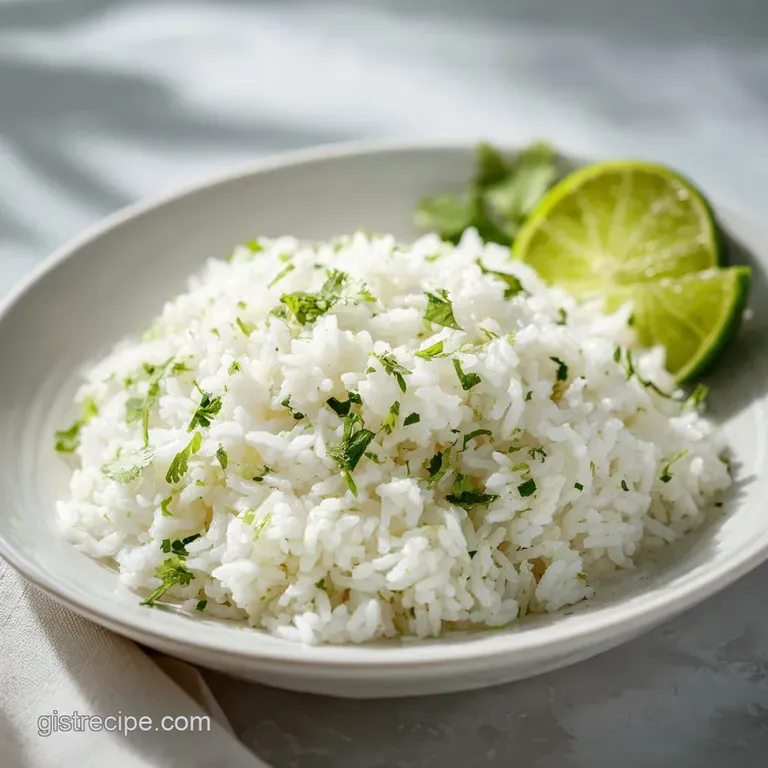
- Time: Active 5 mins, Passive 20 mins, Total 25 mins
- Flavor/Texture Hook: Zesty, citrus forward pearls with a fluffy, individual grain separation
- Perfect for: Taco Tuesdays, meal prep bowls, or a bright summer side dish
- Mastering the Bold Flavor of Cilantro Lime Rice
- The Secret to Success
- Deciphering the Essential Component Roles
- The Complete Shopping List Breakdown
- Necessary Tools for Fluffy Rice
- Step by Step Technical Walkthrough
- Common Mistakes and Troubleshooting Solutions
- Smart Guidelines for Scaling
- Debunking Traditional Kitchen Wisdom
- Strategic Storage and Zero Waste Ideas
- Polished Presentation Secrets
- Recipe FAQs
- 📝 Recipe Card
Mastering the Bold Flavor of Cilantro Lime Rice
The first time I tried to recreate that famous "Chipotle" flavor at home, it was a total disaster. I dumped lime juice into the pot while the rice was still boiling, thinking it would soak up the flavor.
Instead, the acid messed with the starch, and I ended up with a pot of gummy, sour mush that smelled more like floor cleaner than a fresh side dish. It was a sad night for my fish tacos, let me tell you. I realized then that great rice isn't just about the ingredients; it’s about the timing of the aromatics.
Now, when I make this recipe, the kitchen transforms. The second that lime zest hits the warm, fluffy grains, a bright, citrusy cloud fills the air. It’s an immediate mood lifter. You get that sharp, floral scent of the lime mixed with the earthy, green punch of freshly chopped cilantro.
If you’ve ever struggled with rice that’s either too bland or too sticky, this is the method that changes the game for good. We’re aiming for individual pearls of rice that dance on the fork, not a clump that sits heavy on the plate.
This version is all about the "pop." We use fresh lime zest for that essential oil punch and a precise amount of juice for the tang. I’ve made this for dozens of dinner parties, and it’s always the one thing people ask for the recipe for.
It’s simple, but it’s the technique that sizzle of the rice in oil and the patient rest at the end that makes it feel like something special. Let’s get into how we make this happen without the sticky heartbreak.
The Secret to Success
The magic here happens through a process called starch stabilization. By toasting the dry rice in a bit of neutral oil before adding any liquid, you’re essentially "frying" the exterior of each grain.
This creates a protective barrier that prevents the grains from bursting and releasing too much amylopectin, which is the stuff that makes rice gummy. It’s a small step that takes maybe two minutes, but it’s the difference between a velvety side dish and a pile of mush.
The Zest Infusion: Essential oils in the lime peel are fat soluble, meaning they bloom beautifully when tossed with the warm, oiled rice.
Residual Heat Steaming: Letting the rice sit off the heat for 10 minutes allows the moisture to redistribute evenly throughout the pot.
The Physics of the Toasted Grain
When you heat the rice in oil, you initiate a mild Maillard reaction and coat the surface starch. This ensures that even after absorbing 2.5 cups of water, the grains remain distinct and firm. It’s a fundamental technique used in pilafs that we're borrowing to make the best possible Mexican style side.
| Cooking Method | Cook Time | Texture Result | Best For |
|---|---|---|---|
| Stovetop (Standard) | 20 minutes | Fluffy & distinct | Maximum flavor control |
| Rice Cooker | 25 minutes | Soft & consistent | Set it and forget it |
| Instant Pot | 12 minutes | Dense & chewy | Fast weeknight prep |
Using a stovetop method allows you to smell the garlic as it toasts, which is your best indicator for when to add the water. If you're pairing this with a main course, it works beautifully alongside an Authentic Chicken Karahi recipe for a fusion dinner that hits all the right notes. The acidity of the lime cuts through rich, spiced sauces perfectly.
Deciphering the Essential Component Roles
To get that restaurant quality finish, we need to understand what each player is doing in the pot. We aren't just throwing things together; we're building a flavor profile that starts with a nutty base and ends with a bright, herbaceous high note.
| Ingredient | Science Role | Pro Secret |
|---|---|---|
| Long grain Rice | Structure Base | Rinse until the water runs clear to remove excess surface starch. |
| Neutral Oil | Heat Conductor | Use avocado or grapeseed oil to toast the rice without adding heavy flavor. |
| Fresh Lime Zest | Aromatic Punch | Grate directly over the rice to catch the volatile oils that usually spray into the air. |
| Sea Salt | Flavor Enhancer | Salt the water, not just the finished rice, so the seasoning penetrates the grain. |
One mistake I once made was using bottled lime juice. Honestly, don't even bother. The bottled stuff has a metallic aftertaste that ruins the "vibrant" vibe we're going for. You need that hit of fresh citric acid to make the cilantro pop.
The Complete Shopping List Breakdown
Before you head to the store, make sure you're grabbing the right stuff. This recipe relies on 1.5 cups (300g) of long grain white rice. Don't swap this for short grain or arborio, or you'll end up with a lime risotto which sounds interesting but isn't what we want here.
You'll also need 1 tbsp (15ml) of neutral oil and 2.5 cups (600ml) of water to get the hydration just right.
For the aromatics, pick up 2 cloves of garlic. You’ll be finely mincing these to ensure they melt into the oil. The star of the show is the citrus: you need 1 tbsp (6g) of fresh lime zest and 3 tbsp (45ml) of freshly squeezed lime juice.
Finally, grab a big bunch of fresh cilantro you'll use 1/2 cup (15g) of the leaves and tender stems and some cracked black pepper to finish it off.
| Original Ingredient | Substitute | Why It Works |
|---|---|---|
| Neutral Oil | Unsalted Butter | Adds a rich, nutty flavor but lowers the smoke point during toasting. |
| Long grain White Rice | Basmati Rice | Similar structure; adds a popcorn like aroma to the final dish. |
| Fresh Lime Juice | Lemon Juice | Same acidity level but changes the flavor profile to a Mediterranean vibe. |
If you're looking to stretch this into a fuller meal, it's actually quite similar to the base used in our Simple Turkey and recipe. You can easily fold in some shredded protein if you have leftovers in the fridge.
Necessary Tools for Fluffy Rice
You don't need a high end laboratory, but a heavy bottomed saucepan is non negotiable. If your pot is too thin, the rice at the bottom will scorch before the water is fully absorbed. A lid that fits tight is also crucial because we need to trap every bit of steam during the resting phase.
I also highly recommend a microplane for the lime zest. It allows you to get just the green part of the skin without hitting the bitter white pith. If you only have a box grater, use the finest side and go light with your pressure.
A fine mesh strainer is your final best friend here for rinsing the rice standard colanders have holes that are too big, and you'll lose half your grains down the sink. Trust me, I've lived that nightmare.
Chef's Tip: Place a clean kitchen towel between the pot and the lid during the 10 minute rest. The towel absorbs the excess rising steam, preventing it from dripping back onto the rice and making the top layer soggy.
step-by-step Technical Walkthrough
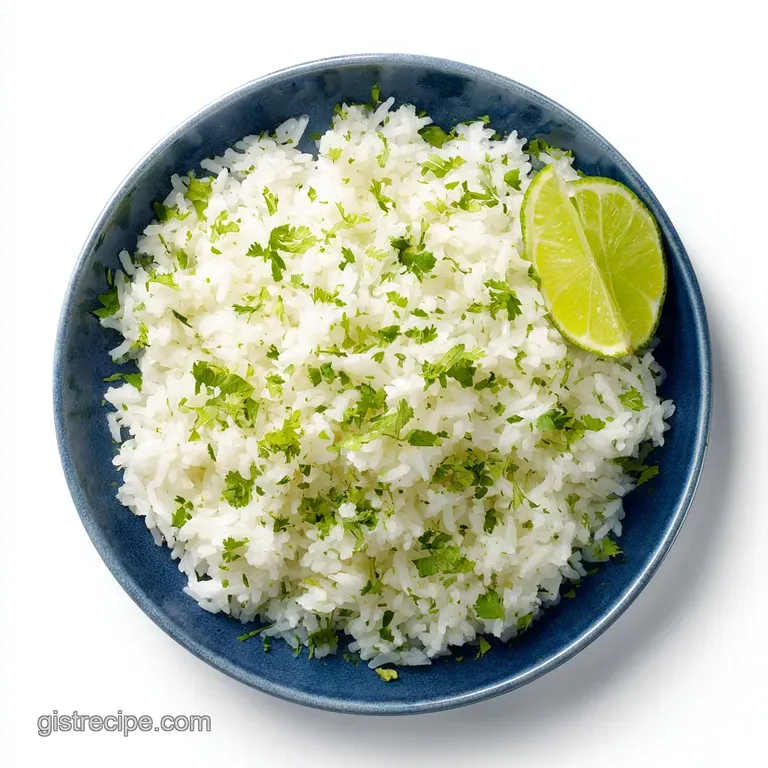
- Rinse the rice. Place your 1.5 cups of long grain rice in a fine mesh sieve and run cold water over it until the water beneath runs perfectly clear. Note: This removes the surface starch that causes clumping.
- Sauté the aromatics. Heat 1 tbsp of neutral oil in your saucepan over medium heat. Add the 2 minced garlic cloves and cook for 30 seconds until the kitchen smells fragrant but the garlic hasn't browned.
- Toast the grains. Add the rinsed (and well drained) rice to the oil. Stir constantly for 2 minutes until the edges of the grains look translucent and smell slightly nutty.
- Hydrate the pot. Pour in 2.5 cups of water and add 1 tsp of sea salt. Turn the heat to high and bring it to a rolling boil.
- Simmer low. Once boiling, turn the heat down to the lowest setting and cover with a tight lid.
- Execute the cook. Let it simmer for 18 to 20 minutes. Don't you dare lift that lid! You'll know it's done when all the water is absorbed and small "steam holes" appear on the surface.
- The essential rest. Remove the pot from the heat. Let it sit, covered, for 10 minutes. Note: This allows the moisture to stabilize throughout the grain.
- Add the zing. Remove the lid. Add 1 tbsp lime zest, 3 tbsp lime juice, 1/2 cup chopped cilantro, and 1/2 tsp cracked black pepper.
- The final fluff. Use a fork to gently fold the ingredients together until the green herbs are evenly distributed and the rice looks glossy.
- Taste and adjust. Give it a quick sample. If it needs more punch, add a tiny extra squeeze of lime right before serving.
Common Mistakes and Troubleshooting Solutions
Even the pros have days where the rice just won't cooperate. Most issues stem from the ratio of water to rice or the temperature of the stove. If your rice feels crunchy after 20 minutes, your heat was likely too high, evaporating the water before the grain could soften.
Why Your Rice Is Gummy
If the grains are sticking together in a sad, wet clump, you likely skipped the rinsing step or used too much water. Surface starch acts like glue when heated. If this happens, don't throw it out!
Spread it on a baking sheet and pop it in a 300°F (150°C) oven for 5 minutes to dry out the excess moisture.
| Problem | Root Cause | Solution |
|---|---|---|
| Crunchy center | Heat too high/Water evaporated | Add 2 tbsp water, cover, and steam on low for 5 more mins. |
| Soap taste | Cilantro sensitivity | Use flat leaf parsley or green onions for the herb component. |
| Scorched bottom | Thin pot or uneven heat | Use a heat diffuser or move to a heavier bottomed pan next time. |
Why Your Rice Tastes Bland
If the flavor isn't "popping," it's usually a salt issue. Salt is the magnifying glass for lime and cilantro. If it tastes flat, add a pinch more sea salt. Also, make sure your lime is room temperature before squeezing; you'll get way more juice and flavor out of it than a cold one.
Common Mistakes Checklist
- ✓ Rinsing the rice for at least 60 seconds under cold water.
- ✓ Avoiding the temptation to "peek" by lifting the lid during the simmer.
- ✓ Using a fork, never a spoon, to fluff the rice to avoid mashing grains.
- ✓ Adding the fresh cilantro and lime juice ONLY after the cooking is done.
- ✓ Making sure the garlic doesn't burn during the initial sauté.
Smart Guidelines for Scaling
If you're cooking for a crowd or just yourself, you can't just double or half everything perfectly. Rice is finicky with evaporation rates.
Downscaling to 2-3 Servings
When cutting the recipe in half, use a smaller pot. If you use a large pot for a small amount of rice, the water will evaporate too quickly because of the increased surface area. Reduce the cook time by about 2-3 minutes, but keep the 10 minute rest mandatory.
Upscaling for a Party
If you're doubling the recipe (3 cups of rice), don't double the salt or spices exactly. Start with 1.5x the salt and 1.5x the lime juice, then taste at the end. Use a wide pot to ensure even heat distribution.
You may need to add 2-3 minutes to the total simmer time because the larger mass takes longer to reach temperature.
Debunking Traditional Kitchen Wisdom
There’s a lot of noise out there about how to make "perfect" rice. One big myth is that you must soak the rice for 30 minutes. For long grain white rice, this actually makes the grains too fragile, and they’ll shatter during the fluffing process. A thorough rinse is all you need.
Another common misconception is that you should add the lime juice to the cooking water. Because lime juice is acidic, it can actually toughen the exterior of the rice grain if added too early, preventing it from absorbing water properly.
Always save the acid for the very end to keep the flavor bright and the texture soft.
Strategic Storage and Zero Waste Ideas
Cilantro Lime Rice stores surprisingly well if you handle it right. It will stay fresh in an airtight container in the fridge for up to 4 days. If you find the rice has firmed up too much in the cold, add a teaspoon of water before reheating it in the microwave; this creates a mini steam chamber that revives the texture.
For longer storage, you can freeze this rice! Spread it out on a tray to cool completely, then bag it up. It stays good for about 2 months. To use it from frozen, don't thaw it just toss it straight into a hot pan with a little oil to make a quick "citrus fried rice."
Zero Waste Tip: Don't toss those cilantro stems! While we use the leaves for the rice, the stems hold massive amounts of flavor. Finely mince them and add them to the garlic sauté at the beginning of the recipe.
Also, if you have leftover lime husks, toss them into a jar of water in the fridge for a refreshing citrus infusion.
Polished Presentation Secrets
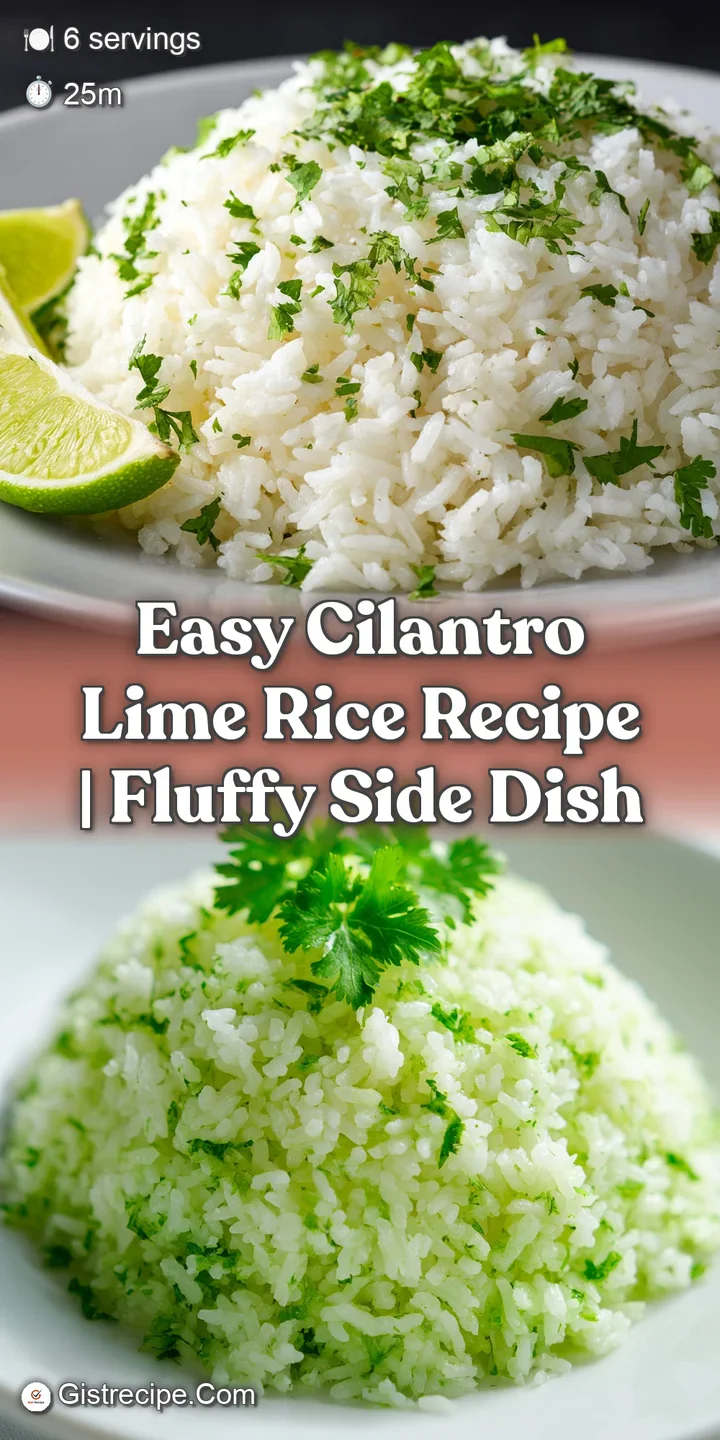
We eat with our eyes first, and a bowl of white rice can look a little plain if you aren't careful. To make this dish look "vibrant," save a handful of the brightest cilantro leaves to garnish the top right before serving.
A final, light dusting of lime zest adds a beautiful neon green contrast against the white grains.
If you're feeling fancy, use a small bowl to mold the rice. Pack the warm rice into a greased ramekin and flip it onto the plate for a clean, dome shaped presentation. Surround the base with fresh lime wedges so guests can add an extra "sizzle" of citrus if they want.
It turns a simple side into a restaurant quality centerpiece.
Recipe FAQs
How do you make cilantro and lime rice?
Rinse the rice thoroughly, toast it in oil with minced garlic, then simmer in water until absorbed. After resting off the heat for 10 minutes, gently fold in fresh lime zest, juice, and chopped cilantro. If you enjoyed mastering the rice toasting technique here for individual grain separation, see how the same principle applies to stabilizing starch in our Knoephla Soup Recipe for smooth texture control.
Is Cilantro Lime Rice authentic Mexican cuisine?
No, it is generally considered Tex-Mex or Cal-Mex inspired. While Mexican cuisine utilizes rice, cilantro, and lime extensively, the specific combination of heavy lime seasoning and butter/oil used in this popular style is more prevalent in US chain restaurants than in traditional Mexican home cooking.
Is cilantro and lime rice good for you?
Yes, in moderation, as it is primarily a complex carbohydrate base. It provides energy, and the fresh cilantro adds essential vitamins like K and A. However, the nutritional profile largely depends on the fat used and whether it's served alongside lean protein or high fat fillings.
What does Chipotle put in their Cilantro Lime Rice?
They use long grain white rice cooked with lime juice, cilantro, and a combination of oil and butter. They also use a specific cooking method involving rinsing and high heat to achieve fluffy, individual grains. If you're interested in pairing this vibrant side with a balanced meal, it goes wonderfully with our Greek Sheet Pan recipe.
What is the secret to preventing the rice from getting sticky?
The secret is to toast the dry, rinsed rice grains in oil before adding liquid. This step seals the exterior starch, which prevents the grains from releasing excessive amounts of amylopectin during boiling, thus maintaining separation.
Should I use lime zest or just lime juice for the flavor?
You must use both zest and juice for optimal flavor depth. The zest contains essential oils which carry the bright, floral aroma and are fat-soluble, while the juice provides the necessary tartness and acid. Adding the zest to the warm rice ensures these oils bloom properly.
Can I substitute the fresh cilantro with dried herbs?
No, using dried cilantro will result in a flat, grassy flavor profile. Fresh cilantro must be added at the very end, off the heat, because its delicate volatile oils are destroyed by sustained high temperatures. For a fresh, herb forward main dish instead, try our Cucumber Shrimp Salad recipe.
Cilantro Lime Rice In 25
Ingredients:
Instructions:
Nutrition Facts:
| Calories | 207 kcal |
|---|---|
| Protein | 3.6 g |
| Fat | 2.6 g |
| Carbs | 40.8 g |
| Fiber | 0.7 g |
| Sugar | 0.2 g |
| Sodium | 385 mg |
