Reliable Beef Tenderloin Roast
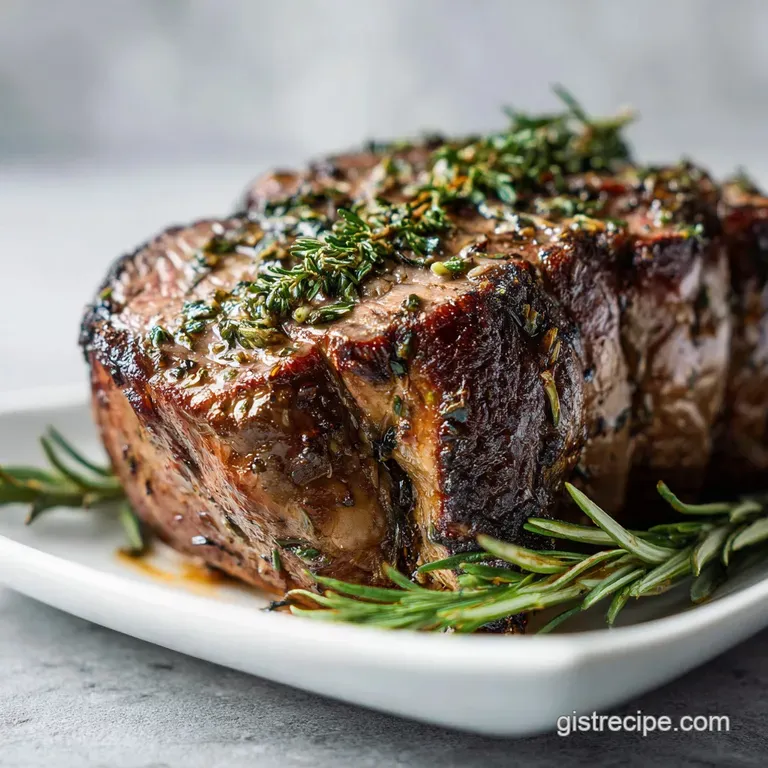
- Time: Active 20 minutes, Passive 45 minutes, Total 1 hours 5 mins
- Flavor/Texture Hook: Silky, butter soft interior with a savory herb garlic crust
- Perfect for: Holiday centerpieces, Sunday family dinners, or a high end date night at home
- Master the Best Beef Tenderloin Roast Ever
- Why Thermal Equilibrium Creates That Silky, Even Texture
- Ingredient Deep Dive for Beef Success
- Selecting Quality Cuts and Simple Pantry Staples for Flavor
- Reliable Kitchen Tools for Achieving a Professional Gold Crust
- A Step-By-Step Guide to Searing and Roasting Beef
- Solving Common Cooking Hurdles for a Foolproof Main Dish
- Flavor Variations and Budget Friendly Substitutions to Try Now
- The Searing vs. Roasting Debate
- Cooking Wisdom: Debunking Roast Traditions
- Storing Leftovers and Clever Ways to Use Every Scrap
- The Best Side Dishes to Complete Your Comforting Meal
- Recipe FAQs
- 📝 Recipe Card
Master the Best Beef Tenderloin Roast Ever
I still remember the first time I tackled a center cut roast for a big family Christmas. I was so nervous about overcooking such a pricey piece of meat that I checked the thermometer every two minutes, letting all the heat out of the oven.
The result was fine, but it wasn't the legendary, edge to edge pink masterpiece I’d dreamed of. Since then, I’ve learned that the secret isn’t hovering; it’s all about the prep and the rest.
When you pull this Beef Tenderloin Roast out of the oven, the aroma of sizzling rosemary and toasted garlic fills the room immediately. It’s that comforting, deep scent that makes everyone gravitate toward the kitchen.
You’ll see the butter basted crust shimmering under the light, and when you finally slice into it, the knife just glides through like it's cutting through a cloud. This is the recipe that turned me from a panicked cook into a confident host.
Why Thermal Equilibrium Creates That Silky, Even Texture
Conductive Searing: Starting with a over high heat sear triggers the Maillard reaction on the surface, creating complex flavor compounds and a beautiful brown color.
Heat Carryover: Pulling the meat before it reaches the final target temperature allows internal energy to distribute evenly, ensuring the center stays tender without drying out.
For a Shattering Crust
The Maillard reaction requires a dry surface. When we pat the meat dry with paper towels, we remove surface moisture that would otherwise turn into steam, preventing that deep, dark browning we want.
For Maximum Juiciness
Resting the meat is non negotiable. During cooking, muscle fibers tighten and push juices toward the center; resting allows those fibers to relax and reabsorb the liquid, so it stays in the meat rather than spilling onto your cutting board.
| Meat Thickness | Target Internal Temp | Rest Time | Visual Cue |
|---|---|---|---|
| 2 to 3 inches | 125°F (for Rare) | 10 minutes | Bright red, very soft touch |
| 3 to 4 inches | 130°F (for Med Rare) | 15 minutes | Deep pink, slight resistance |
| 4+ inches | 140°F (for Medium) | 15 minutes | Light pink center, firm touch |
If you love the flavor of browned beef but need something faster for a busy Tuesday night, my Shaved Beef Recipe is a lifesaver for getting those crispy edges in record time.
Ingredient Deep Dive for Beef Success
| Ingredient | Science Role | Pro Secret |
|---|---|---|
| Kosher Salt | Protein Denaturation | Coarse grains draw out moisture then re absorb as brine, seasoning deeply. |
| Unsalted Butter | Fat Emulsification | Softened butter holds the herb paste against the meat during the over high heat blast. |
| Fresh Rosemary | Aromatic Infusion | The oils in rosemary are heat stable, meaning they won't turn bitter in a 400°F oven. |
Selecting Quality Cuts and Simple Pantry Staples for Flavor
- 4 lb center cut beef tenderloin: Look for "Chateaubriand" cuts for the most uniform shape.
- Sub: Top Sirloin Roast (budget friendly but leaner/tougher; slice very thin).
- Why this? The center cut ensures even cooking from end-to-end.
- 2 tbsp neutral high smoke point oil: Use avocado or grapeseed oil.
- Sub: Vegetable oil (Similar high smoke point).
- 2 tsp coarse Kosher salt: Essential for a crusty exterior.
- Sub: Sea salt (Use 1.5 tsp as grains are often finer).
- 1 tsp cracked black pepper: Freshly cracked provides a floral heat.
- Sub: Pre ground pepper (Milder flavor).
- 4 tbsp unsalted butter: Must be softened for the slather.
- Sub: Ghee (Adds a nuttier flavor and has a higher smoke point).
- 4 cloves garlic: Mince into a fine paste.
- Sub: 1 tsp garlic powder (Easier but lacks the fresh pungency).
- 1 tbsp fresh thyme: Finely chopped.
- Sub: 1 tsp dried thyme (Use less as dried is concentrated).
- 1 tbsp fresh rosemary: Finely chopped.
- Sub: 1 tsp dried rosemary (Crush it between your fingers first).
Reliable Kitchen Tools for Achieving a Professional Gold Crust
To get that restaurant quality finish, you really need a heavy bottomed skillet. A cast iron pan is my go to because it holds heat like a champ, which is exactly what you need for that initial sear. You'll also want a reliable meat thermometer.
Trust me, "poking it" is not a reliable way to check for doneness when you're dealing with a beautiful Tenderloin Roast.
If you don't have a roasting rack, you can actually use thick slices of onion or carrots to prop the meat up in your baking dish. It creates a natural rack that adds even more flavor to the drippings. For those times you want a big holiday centerpiece but want a different flavor profile, you might also like my Prime Rib Roast recipe.
A step-by-step Guide to Searing and Roasting Beef
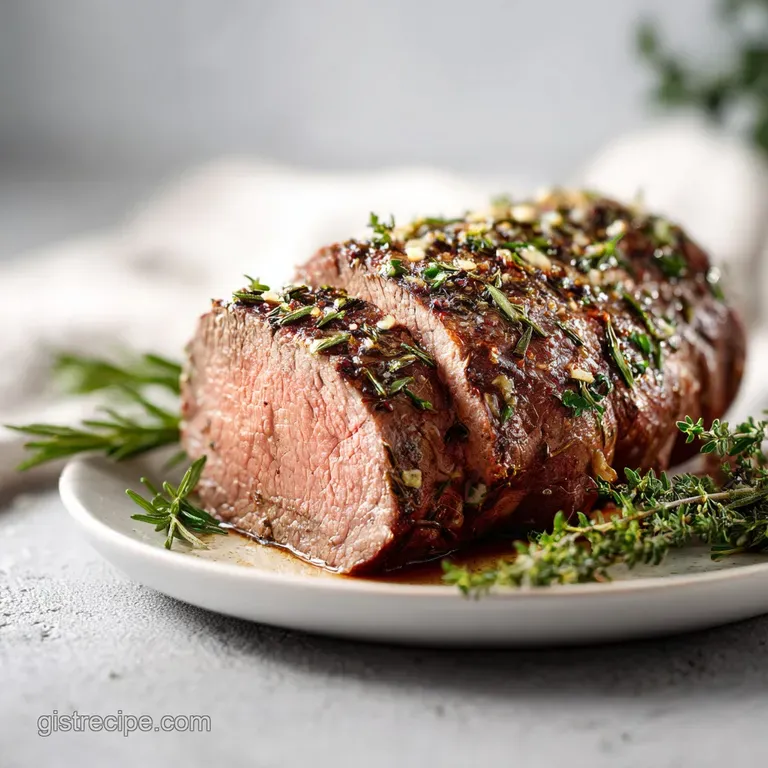
- Tempering the meat. Remove the 4 lb beef tenderloin from the fridge 60 minutes before cooking. Note: This ensures the center isn't ice cold when the outside starts cooking.
- Dry and season. Pat the beef completely dry with paper towels. Season aggressively with 2 tsp salt and 1 tsp pepper.
- Heat the pan. Add 2 tbsp oil to a large skillet over medium high heat until the oil is shimmering and just starting to smoke.
- The initial sear. Place the beef in the pan and sear for 2 to 3 minutes per side until a dark brown crust forms on all surfaces.
- Prep the slather. While the meat sears, mix 4 tbsp softened butter, 4 cloves minced garlic, 1 tbsp thyme, and 1 tbsp rosemary in a small bowl.
- Apply the herbs. Move the seared beef to a roasting pan and slather the herb butter evenly over the top and sides.
- Roast in the oven. Place in a preheated oven at 400°F (200°C). Bake for about 25 to 30 minutes until a thermometer inserted in the thickest part reads 125°F for medium rare.
- The vital rest. Transfer the roast to a cutting board and tent loosely with foil. Let it rest for 15 minutes before carving. Note: The internal temp will rise about 5 to 10 degrees during this time.
- Slice and serve. Cut into 1 inch thick slices, making sure to pour any juices from the cutting board back over the meat.
Solving Common Cooking Hurdles for a Foolproof Main Dish
Why Your Meat is Gray Instead of Pink
This usually happens if the oven temperature is too low or if you didn't let the meat sit out before cooking. If the center is cold, the outside has to overcook just to get the middle to a safe temperature. Always aim for that 60 minute "temper" time on the counter.
If the Crust Isn't Crispy
Moisture is the enemy of the crunch. If you don't pat the meat dry, or if you crowd the pan with vegetables while searing, the meat will steam instead of brown. Keep the pan clear and the meat dry.
| Problem | Root Cause | Solution |
|---|---|---|
| Uneven Cooking | Meat wasn't tied | Use butcher's twine to create a uniform cylinder shape. |
| Butter Burning | Oven too hot | If the herbs start to char too fast, tent the roast with foil. |
| Dry Meat | Overcooked | Always pull the meat 5-10 degrees before your target temperature. |
Common Mistakes Checklist: ✓ Never skip the 15 minute rest (the juices need time to settle). ✓ Don't use a cold pan; make sure the oil is shimmering before the meat goes in. ✓ Avoid using "table salt"; the small grains make it too easy to over salt.
✓ Tie the roast if it isn't already; a floppy roast cooks unevenly. ✓ Use a meat thermometer instead of a timer for the most accurate results.
Flavor Variations and Budget Friendly Substitutions to Try Now
If you want to scale this down for just two people, you can use the same method with individual steaks, though you’ll want to reduce the oven time to just 4 to 6 minutes after searing. When scaling up for a crowd of 16, I suggest roasting two separate 4 lb loins rather than one giant one.
This keeps the cooking time predictable and ensures both roasts have plenty of "end pieces" for those who prefer their meat a bit more well done.
If you are looking for something that feeds a crowd but is a bit more budget friendly and hands off, my Cowboy Casserole recipe is a fantastic slow cooked alternative that hits all those comforting notes.
The Peppercorn Crusted Variation (Au Poivre)
For a spicy, crunchy kick, replace the herb butter with a heavy coating of coarsely crushed peppercorns (about 3 tablespoons). Press them firmly into the meat after searing but before roasting. It creates a "cracked" texture that feels incredibly gourmet without any extra effort.
The Searing vs. Roasting Debate
| Method | Time | Texture | Best For |
|---|---|---|---|
| Searing First | 1 hours | Crispy, dark crust | Deep flavor lovers |
| Reverse Sear | 1.5 hours | Edge to edge pink | Maximum tenderness |
| Slow Cooker | 4 to 6 hours | Shred apart soft | Set and forget meals |
Cooking Wisdom: Debunking Roast Traditions
A common myth is that searing "seals in the juices." Science actually tells us that's not true seared meat loses just as much moisture as unseared meat. The reason we sear is purely for the Maillard reaction, which gives us those savory, browned flavors that make the Beef Tenderloin Roast so iconic.
Another one I hear a lot is that you should salt the meat right before it hits the pan. Actually, if you have time, salting it 40 minutes in advance is better. This gives the salt time to draw out moisture, dissolve, and then be reabsorbed into the muscle, seasoning the meat all the way through.
Storing Leftovers and Clever Ways to Use Every Scrap
Storage: You can keep leftover roast in the fridge for up to 3 to 4 days. Wrap it tightly in plastic wrap or store it in an airtight container to keep it from drying out. I don't recommend freezing the cooked roast, as the texture can become a bit spongy when thawed.
Zero Waste: Don't throw away those fat trimmings or the bits left in the pan! Use the pan drippings to make a quick red wine reduction or a creamy horseradish sauce. If you have leftover slices, they make the world's best cold steak sandwiches the next day with a bit of arugula and sharp cheddar. You can even chop up leftovers for a Keto Beef Mince recipe twist to add extra richness to a quick sauté.
The Best Side Dishes to Complete Your Comforting Meal
To balance the richness of the Beef Tenderloin Roast, I love serving this with something bright and slightly acidic. A simple arugula salad with lemon vinaigrette works wonders, or you can go the classic route with garlic mashed potatoes and honey glazed carrots.
Because the oven is already at 400°F, it’s the perfect time to roast some asparagus or broccoli on a separate sheet pan. They’ll finish in about 12 to 15 minutes, which is exactly how long your meat needs to rest. It’s a foolproof way to get a full meal on the table without breaking a sweat. For a heartier side, you could even prep a Chicken Tenderloin Recipe as an appetizer for a multi protein feast if you're hosting a truly hungry crowd!
Recipe FAQs
What cooking method is best for beef tenderloin?
Searing followed by roasting (the dual heat method) is best. This technique creates a flavorful, dark crust through high heat searing and ensures an even, tender interior via moderate oven roasting.
What is the best way to cook tenderloins?
Sear the outside first, then finish low and slow in the oven. Searing triggers the Maillard reaction for flavor, while the subsequent roast cooks the meat evenly edge-to-edge for that prized medium rare pink center.
How long do you cook a tenderloin roast per pound?
Estimate 25 to 30 minutes total roasting time per pound at 400°F after searing. Always rely on an internal thermometer rather than time alone; pull the roast when it hits 125°F for a medium rare finish after resting.
Can you cook beef tenderloin as a roast?
Yes, cooking it as a roast is the preferred method for large cuts. This large format allows for precise temperature control that prevents the exterior from drying out before the center reaches the desired doneness.
Is it true that searing a roast "seals in the juices"?
No, this is a common misconception. Searing does not trap moisture; its sole purpose is to develop deep, savory flavor compounds through the Maillard reaction on the surface.
When should I salt the beef tenderloin for the best flavor penetration?
Salt the meat at least 40 minutes before searing or roasting. This gives the coarse salt time to draw moisture out, dissolve, and then be fully reabsorbed into the muscle fibers as a flavorful brine.
What is a good side dish pairing for a rich beef tenderloin?
Something bright and acidic, like a sharp green salad, balances the richness perfectly. For a heartier vegetable component that roasts well alongside the beef, try preparing Crispy Roasted Potatoes recipe which thrives in the same oven temperature.
Beef Tenderloin Roast Recipe
Ingredients:
Instructions:
Nutrition Facts:
| Calories | 398 kcal |
|---|---|
| Protein | 50.1 g |
| Fat | 20.5 g |
| Carbs | 0.6 g |
| Fiber | 0.1 g |
| Sugar | 0 g |
| Sodium | 575 mg |
