Beef and Broccoli Sauce Recipe: Velvety Glaze
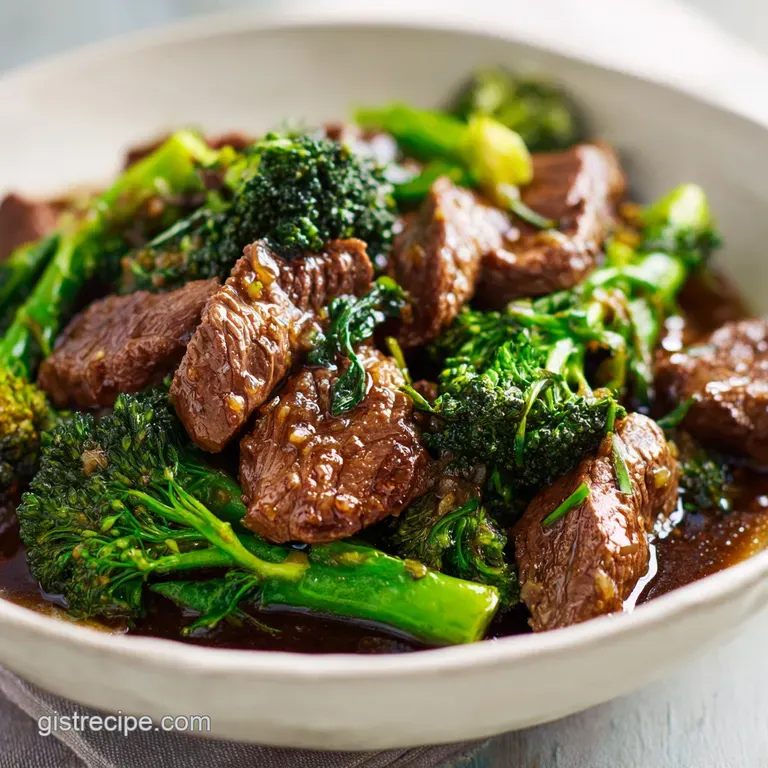
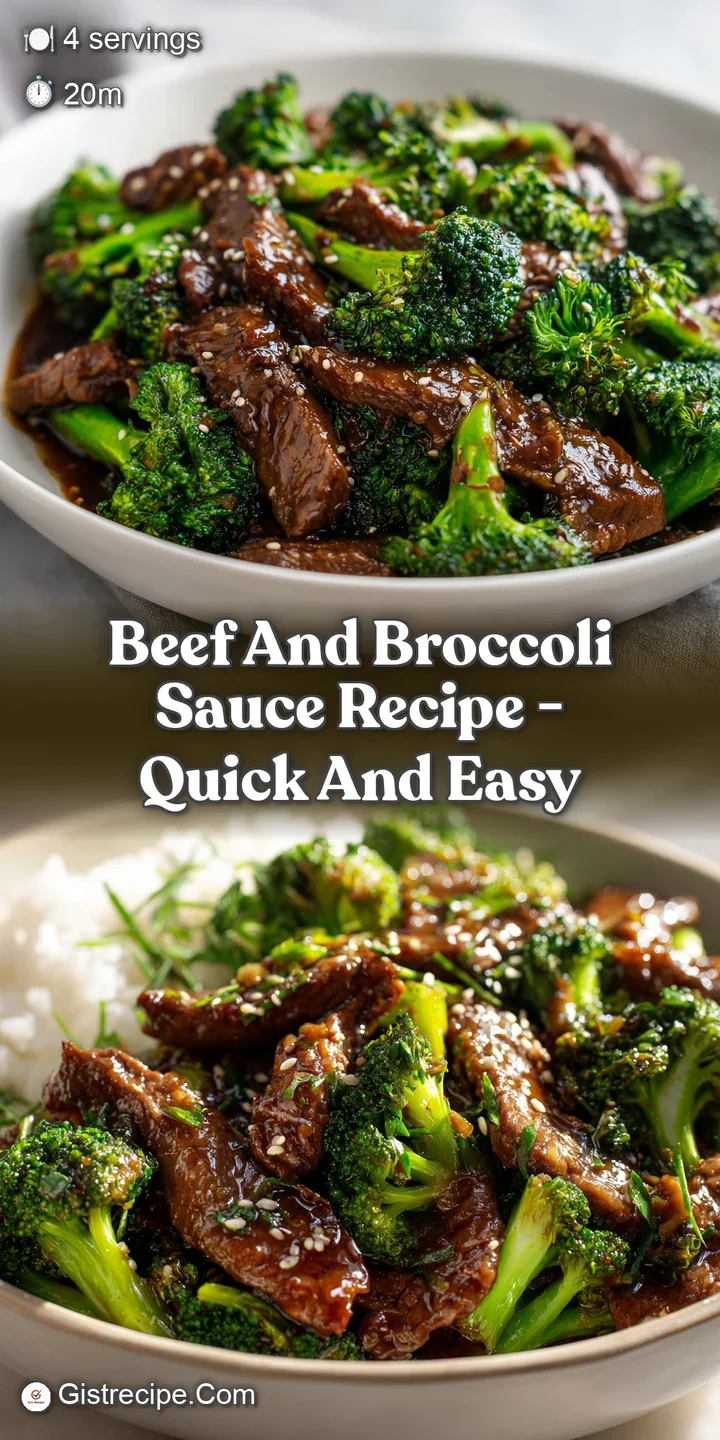
- Time: Active 10 minutes, Passive 10 minutes, Total 20 minutes
- Flavor/Texture Hook: Savory umami with a velvety, mirror like finish
- Perfect for: Busy weeknights or healthy meal prep enthusiasts
- Create the Ultimate Beef and Broccoli Sauce Recipe
- The Secret to Sauce Cling
- Critical Recipe Stats and Timing
- Quality Ingredients for Better Results
- Must Have Tools for Stir Fry
- The Foolproof Cooking Flow
- Troubleshooting Your Sauté Disasters
- Simple Flavor Swaps to Try
- Storage Tips for Fresh Leftovers
- Presentation Secrets for Home Cooks
- Very High in Sodium
- Recipe FAQs
- 📝 Recipe Card
Create the Ultimate Beef and Broccoli Sauce Recipe
That sharp, high pitched sizzle the moment the flank steak hits the pan is the sound of a good dinner starting. You know that specific aroma? It is a heady mix of toasted sesame oil, pungent garlic, and the deep, dark funk of oyster sauce that fills the kitchen instantly.
For a long time, I struggled to get this right at home. My beef would often turn out grey and tough, or the sauce would be a watery puddle at the bottom of the bowl. It was frustrating because I just wanted that silky, dark coating that makes every bite feel rich and satisfying.
I remember one particular Tuesday when I was staring at a plate of soggy broccoli, realizing I was missing the science of the "cling." It turns out, making a proper beef and broccoli sauce recipe isn't just about mixing liquids in a bowl; it is about managing starches and heat.
Once I mastered the cornstarch slurry and learned to respect the smoking point of my oil, everything clicked. Now, this is a staple in my house because it is faster than any delivery service and tastes twice as fresh.
We are going to walk through this together, focusing on what actually works for a home cook. No complicated tools or experimental ingredients are needed here. We are sticking to the classics: reliable techniques that yield a comforting, foolproof meal every single time.
Trust me, once you see that sauce emulsify into a glossy ribbon, you will never go back to the bottled stuff.
The Secret to Sauce Cling
Starch Gelatinization: Cornstarch granules absorb the beef broth and expand when heated to 144°F (62°C), creating a thick, glossy matrix that traps the liquid.
Protein Denaturation: Slicing the flank steak against the grain shortens the muscle fibers, which prevents the meat from becoming chewy as the proteins tighten during searing.
| Beef Thickness | Internal Temp | Rest Time | Visual Cue |
|---|---|---|---|
| 1/8 inch strips | 145°F (63°C) | 2 minutes | Browned edges, no raw red |
| 1/4 inch strips | 145°F (63°C) | 3 minutes | Deep sear, slightly springy |
| 1/2 inch strips | 145°F (63°C) | 5 minutes | Dark crust, juicy center |
over High heat cooking is essential because it triggers the Maillard reaction, a chemical dance between amino acids and reducing sugars that gives the beef its savory depth. Without enough heat, the meat simply steams in its own juices, resulting in a rubbery texture rather than a silky finish.
Critical Recipe Stats and Timing
When you are planning your evening, timing is everything. This dish moves incredibly fast once the heat is on, so having your prep finished before the first drop of oil hits the pan is the best way to avoid stress. I like to think of this in three distinct phases: the prep, the sear, and the finish.
This structure keeps the kitchen organized and ensures nothing overcooks while you are fumbling with a bottle of soy sauce.
Much like preparing a solid Ground Beef Tacos recipe, the key is in the organization. You want your broccoli chopped, your ginger grated, and your sauce whisked before you even think about turning on the stove. This is a high speed recipe, so a few minutes of quiet prep work at the start makes the actual cooking process feel like a breeze.
| Component Analysis | Science Role | Pro Secret |
|---|---|---|
| Oyster Sauce | Primary Emulsifier | Provides the salty sweet body and thick "cling" factor. |
| Cornstarch | Viscosity Agent | Creates the signature glossy, mirror like finish of the sauce. |
| Fresh Ginger | Enzymatic Tenderizer | Contains zingibain, which helps break down tough beef fibers. |
The combination of these elements creates a sauce that is not just a liquid, but a structural component of the dish. The oyster sauce offers a complex fermented depth, while the ginger adds a sharp bite that cuts through the richness of the beef.
Quality Ingredients for Better Results
Selecting the right elements is half the battle. For the beef, flank steak is the traditional choice because it has a long grain that is easy to identify and slice against. If you cannot find flank, a flat iron steak or even a well trimmed sirloin will work beautifully.
The goal is to have thin, uniform pieces that cook in less than two minutes.
- 1 lb Flank steak: Slice thin against the grain. Why this? Lean but flavor packed meat that remains tender when seared quickly.
- Substitute: Sirloin strips. Same lean profile but slightly more tender.
- 4 cups Broccoli florets: Fresh is best for the crunch. Why this? The "trees" trap the sauce perfectly in their tiny buds.
- Substitute: Broccolini. Longer stalks add a more elegant look.
- 1/4 cup Oyster sauce: The heart of the flavor. Why this? Provides the thick, savory, and slightly sweet base.
- Substitute: Vegetarian mushroom sauce. Same texture without the shellfish.
- 3 tbsp Soy sauce: Use low sodium to control the salt. Why this? Adds essential salinity and deep color.
- Substitute: Tamari. Perfect for a gluten-free alternative.
- 1/2 cup Low sodium beef broth: The liquid base. Why this? Provides volume for the sauce without diluting the beef flavor.
- Substitute: Chicken broth. A lighter flavor that still adds necessary moisture.
- 1 tbsp Brown sugar: To balance the salt. Why this? Softens the harshness of the soy and oyster sauces.
- Substitute: Honey. Adds a floral note and extra gloss.
- 1 tbsp Cornstarch: The magic thickener. Why this? Essential for achieving that restaurant style glossy coating.
- Substitute: Arrowroot powder. Similar thickening power with a neutral taste.
- 1 tsp Toasted sesame oil: For the finishing aroma. Why this? Adds a nutty, smoky depth that defines the dish.
- Substitute: Roasted peanut oil. Offers a similar nutty richness.
- 3 cloves Garlic: Minced finely. Why this? The aromatic foundation of the entire stir fry.
- Substitute: Garlic paste. More convenient and distributes evenly.
- 1 tbsp Fresh ginger: Grated. Why this? Adds heat and brightness to balance the heavy umami.
- Substitute: 1/2 tsp Ground ginger. Use in a pinch, though fresh is superior.
- 2 tbsp Neutral oil: Such as canola or grapeseed. Why this? High smoke point prevents the oil from burning at high heat.
- Substitute: Avocado oil. Great for over high heat searing and very healthy.
- 2 tbsp Water: For the cornstarch slurry. Why this? Ensures the starch is fully dissolved before hitting the hot pan.
- 1/2 tsp Ground black pepper: For a subtle bite. Why this? Adds a layer of spice that complements the beef.
Getting the sauce consistency right is very similar to the technique used in a Homemade Sausage Gravy recipe. You are essentially creating a stable emulsion that holds onto the main ingredients. If you find the oyster sauce too strong, you can always scale it back a tablespoon and replace it with more broth, though you might lose some of that signature thickness.
Must Have Tools for Stir Fry
While a wok is the traditional vessel for this beef and broccoli sauce recipe, you do not actually need one to be successful. A large, heavy bottomed cast iron skillet or a wide stainless steel sauté pan works just as well. The key requirement is surface area.
You want enough room to spread the beef out so it sears rather than steams.
You will also need a sharp chef's knife for those thin beef slices. If the meat is too thick, it will be tough; if it's uneven, some pieces will be overcooked while others are still raw. A small whisk or even a fork is necessary to ensure the cornstarch is completely integrated into the liquid components.
Finally, a pair of tongs or a sturdy spatula will help you move the beef around quickly to get that even, dark brown crust.
Chef's Tip: Place your beef in the freezer for 15 minutes before slicing. This firms up the muscle fibers, allowing you to get those paper thin, restaurant style strips with much less effort.
The Foolproof Cooking Flow
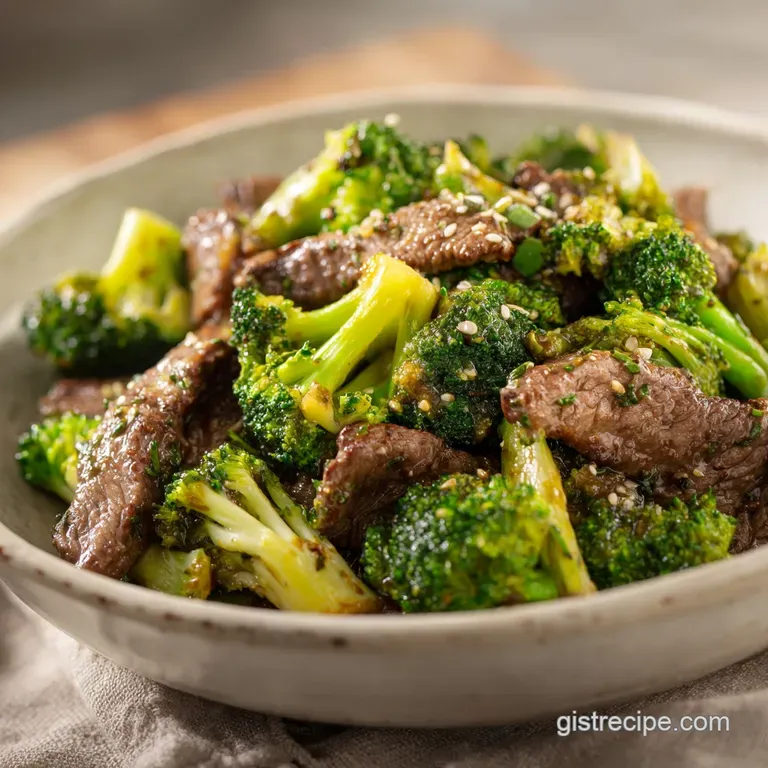
- Slice the beef. Cut the 1 lb flank steak into 1/8 inch thick strips, always cutting across the visible grain lines. Note: This ensures the meat breaks apart easily when you bite it.
- Whisk the sauce. Combine the 1/2 cup beef broth, 1/4 cup oyster sauce, 3 tbsp soy sauce, 1 tbsp brown sugar, 1 tsp sesame oil, and 1/2 tsp black pepper in a small bowl.
- Create the slurry. In a separate tiny bowl, mix 1 tbsp cornstarch with 2 tbsp water until completely smooth and milky.
- Blanch the broccoli. Place the 4 cups of florets in a microwave safe bowl with a splash of water, cover, and steam for 2 minutes until bright green and tender crisp.
- Heat the pan. Add 1 tbsp neutral oil to your skillet over medium high heat until the oil begins to shimmer and smoke slightly.
- Sear the beef. Add the steak in a single layer and cook for 1 to 2 minutes without moving them until a dark brown crust forms. Flip and cook for 1 minute more.
- Sauté aromatics. Push the beef to the edges, add the remaining 1 tbsp oil, then toss in the 3 cloves minced garlic and 1 tbsp grated ginger until fragrant and golden (about 30 seconds).
- Introduce the sauce. Pour the broth mixture into the pan and bring it to a simmer until small bubbles break the surface.
- Thicken the glaze. Give your cornstarch slurry one last stir, pour it in, and stir constantly for 30 to 45 seconds until the liquid turns glossy and thick.
- Combine and finish. Toss the steamed broccoli back into the pan and coat everything thoroughly until the sauce clings to every surface.
| Cooking Method | Total Time | Texture | Best For |
|---|---|---|---|
| Stovetop Skillet | 10 mins | Charred & Glossy | Quick weeknight dinner |
| Traditional Wok | 8 mins | Smoky "Wok Hei" | Maximum flavor depth |
| Oven Sheet Pan | 20 mins | Tender & Even | Large family batches |
The stovetop method remains my favorite because of the control it offers. You can see the sauce transform in real time. If you find the sauce is getting too thick too fast, simply add a tablespoon of water or broth to loosen it up. The goal is a velvety coating, not a solid gel.
Troubleshooting Your Sauté Disasters
Why Your Sauce Is Gummy
If the sauce looks more like jelly than a silky glaze, you likely used too much cornstarch or let it boil for too long. Cornstarch continues to thicken as it cools, so you want to pull it off the heat just as it reaches your desired consistency.
Another culprit could be adding the slurry directly to a pan that is too dry; always ensure there is enough liquid base before introducing the starch.
Avoiding Soggy Broccoli
Nothing ruins a beef and broccoli sauce recipe faster than mushy greens. This usually happens when the broccoli is boiled or steamed for too long before being added to the sauce. I prefer the microwave steaming method because it offers the most control.
You want the broccoli to be "tender crisp," meaning it has a vibrant color and a slight snap when you bite into it.
| Problem | Root Cause | Solution |
|---|---|---|
| Tough Beef | Sliced with the grain | Always slice perpendicular to muscle fibers. |
| Grey Meat | Pan was not hot enough | Wait for the oil to smoke before adding beef. |
| Bland Sauce | Used water instead of broth | Use beef broth and check soy sauce levels. |
Common Mistakes Checklist
- ✓ Pat the beef dry with paper towels before searing to prevent steaming.
- ✓ Whisk the cornstarch slurry immediately before adding it, as it settles quickly.
- ✓ Don't overcrowd the pan; sear the beef in two batches if necessary.
- ✓ Use a neutral oil with a high smoke point like canola or avocado oil.
- ✓ Prep all aromatics beforehand so they don't burn while you're chopping.
Simple Flavor Swaps to Try
If you want to customize your beef and broccoli sauce recipe, there are several easy ways to pivot the flavor profile. For a "Spicy Szechuan" version, add a tablespoon of chili garlic sauce or a teaspoon of red pepper flakes when you sauté the ginger and garlic.
This adds a lingering heat that plays perfectly against the sweetness of the brown sugar.
For those looking for a "Healthy Beef and Broccoli" alternative, you can swap the brown sugar for a dash of stevia or simply omit it. Increase the amount of broccoli and decrease the beef to lighten the caloric load.
Using a gluten-free tamari in place of soy sauce also makes this dish accessible for those with dietary restrictions without sacrificing that deep umami flavor we all crave.
- If you want a deeper color, add 1 teaspoon of dark soy sauce to the mix.
- If you want more crunch, toss in a handful of sliced water chestnuts or bamboo shoots.
- If you want an earthy tone, add 1/2 cup of sliced shiitake mushrooms with the beef.
Storage Tips for Fresh Leftovers
This dish keeps surprisingly well in the fridge for up to 3 days. The sauce will naturally thicken further as it chills, so when you go to reheat it, I recommend adding a splash of water or beef broth. This helps loosen the glaze and prevents the beef from drying out.
A quick 2 minute zap in the microwave or a short toss in a hot skillet will bring it back to life.
For zero waste, do not throw away those broccoli stalks! Peel the tough outer skin with a vegetable peeler, then slice the tender inner core into matchsticks. Toss them into the stir fry along with the florets for extra crunch and fiber.
If you find yourself with leftover sauce but no beef, it makes an incredible base for a simple vegetable stir fry the next day.
Presentation Secrets for Home Cooks
To get that restaurant quality look, garnish is your best friend. A sprinkle of toasted sesame seeds adds a professional touch and a tiny bit of texture. I also love adding thinly sliced green onions on the bias (diagonally).
The bright green pop cuts through the dark, rich colors of the sauce and makes the whole plate look fresh and intentional.
Serve your beef and broccoli over a bed of fluffy white jasmine rice or brown rice to soak up every drop of that velvety sauce. If you are feeling fancy, you can even serve it over crispy pan-fried noodles. The contrast between the crunchy noodles and the silky sauce is absolutely addictive.
Just remember to plate it immediately while the sauce is still shimmering and the broccoli is at its most vibrant green.
Very High in Sodium
1180 mg mg of sodium per serving (51% % of daily value)
The American Heart Association recommends limiting sodium intake to no more than 2,300mg per day for overall cardiovascular health.
Easy Tips to Reduce Sodium
-
Swap Soy Sauce-25%
Replace regular soy sauce with a low-sodium or sodium free soy sauce alternative. This simple swap can significantly reduce sodium intake without sacrificing flavor.
-
Homemade Broth-20%
Make your own beef broth, or use a sodium free broth. Many store-bought broths are loaded with sodium. Control the sodium by making your own or purchasing sodium free options.
-
Reduce Oyster Sauce-15%
Oyster sauce is a significant source of sodium in this recipe. Reduce the amount by half and compensate with a dash of Worcestershire sauce (check the sodium content) for added umami flavor.
-
Spice it Up!
Enhance the flavor with sodium free herbs and spices. Garlic, ginger, black pepper, and other seasonings can add depth and complexity without any added sodium.
-
Water Rinse
While not directly applicable to ingredients, keep in mind when using any canned ingredients (not present here), rinse them thoroughly under water to remove excess sodium.
Recipe FAQs
What is Chinese beef and broccoli sauce made of?
The primary components are oyster sauce, soy sauce, beef broth, and brown sugar. These form the savory, slightly sweet base, thickened by a cornstarch slurry to achieve that signature glossy cling onto the meat and vegetables.
What is the secret to good beef and broccoli?
High heat searing and proper sauce thickening are key secrets. Searing the beef quickly ensures a brown crust and prevents graying, while controlling the cornstarch gelatinization creates that mirror like, velvety sauce texture.
What sauce is best for beef stir fry?
A balanced combination of oyster sauce and soy sauce offers the best umami depth for beef. This recipe uses ginger and sugar to balance the salinity, resulting in a robust, flavorful glaze that coats the meat perfectly.
How do I stop my beef and broccoli sauce from becoming too watery?
Ensure you bring the liquid base to a full simmer before incorporating the cornstarch slurry. Whisk the slurry separately until smooth, and pour it in all at once while stirring continuously over heat until it thickens instantly.
What is the best way to slice flank steak for this recipe?
Slice the steak thinly (about 1/8 inch thick) directly against the grain. Freezing the beef for 15 minutes beforehand firms it up, allowing for much easier and more precise slicing for tenderness.
How can I make the broccoli perfectly crisp and not soggy?
Blanch or microwave the florets until they are only tender crisp, usually 2 minutes maximum. You want them bright green before they hit the hot sauce; if you enjoyed mastering texture control here, that principle applies to our Crispy Roasted Potatoes recipe, too.
Can I substitute oyster sauce if I have a shellfish allergy?
Yes, use a vegetarian mushroom sauce as a direct substitute for oyster sauce. This option provides a similar deep umami flavor and necessary thickness without the shellfish, much like how vegetarian options can transform other dishes.
Beef And Broccoli Sauce Recipe
Ingredients:
Instructions:
Nutrition Facts:
| Calories | 358 kcal |
|---|---|
| Protein | 27.2 g |
| Fat | 20.8 g |
| Carbs | 14.1 g |
| Fiber | 2.4 g |
| Sugar | 6.2 g |
| Sodium | 1180 mg |
