Basic Turkey Brine Recipe
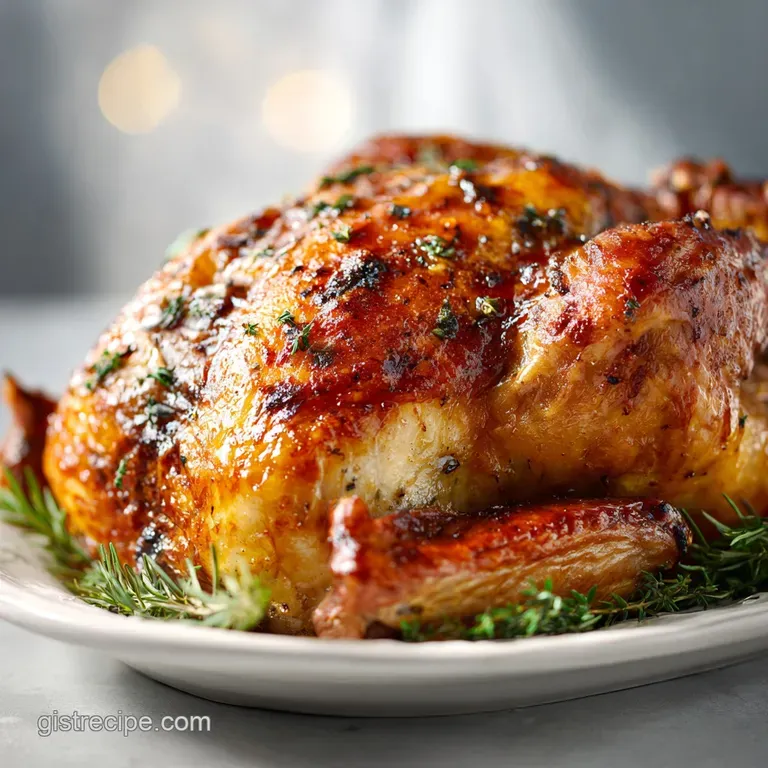
- Time: Active 15 minutes, Passive 12 hours, Total 12 hours 25 mins
- Flavor/Texture Hook: Supple, seasoned meat with aromatic herbal notes
- Perfect for: Thanksgiving dinner, Sunday roasts, or beginner holiday hosts
- Mastering This Basic Turkey Brine Recipe
- Why This Liquid Gold Works
- Essential Brine Specs and Timing
- Gathering Your Pantry Staples
- Tools for a Succulent Bird
- Step-by-Step Brining Instructions
- Fixing Common Brining Blunders
- Customizing Your Flavor Profile
- Debunking Brining Misconceptions
- Keeping Your Turkey Safe
- Perfect Sides and Gravy Pairings
- Basic Turkey Brine Recipe FAQs
- 📝 Recipe Card
Mastering This Basic Turkey Brine Recipe
I still remember my first "adult" Thanksgiving. I spent eight hours hovering over the oven, basting a 15 pound bird every twenty minutes like my life depended on it. When we finally carved into it, the meat was so dry it practically turned to dust on the plate.
We ended up drowning everything in gravy just to make it swallowable. It was a classic kitchen heartbreak that I vowed never to repeat.
The following year, I discovered the magic of a wet brine. The difference was night and day. Instead of a stringy, bland bird, the meat was glistening and pulled away from the bone with almost no effort. The kitchen was filled with the scent of toasted allspice and fresh rosemary, rather than just scorched fat.
It changed everything about how I approach holiday cooking.
Trust me, once you see how much moisture this basic turkey brine recipe locks into the fibers, you will never go back to roasting a "naked" bird. It provides a massive safety net, meaning even if you accidentally leave the turkey in the oven ten minutes too long, it stays tender.
Let's get into how we make this happen without overcomplicating things.
Why This Liquid Gold Works
The Salt Water Moisture Magnet: Salt breaks down the tightly wound protein strands in the muscle, allowing them to relax and trap more water during the cooking process.
Osmotic Flavor Infusion: The sugar and aromatics move into the meat along with the salt, seasoning the turkey from the inside out rather than just on the surface.
Thermal Protection Buffer: Brining increases the weight of the bird by about 10% in water, providing a literal shield against the high heat of the oven.
| Bird Type | Target Internal Temp | Rest Time | Visual Cue |
|---|---|---|---|
| Whole Turkey | 74°C (165°F) | 30 - 45 mins | Juices run clear when pricked |
| Turkey Breast | 74°C (165°F) | 15 - 20 mins | Meat feels firm but springy |
| Smoked Turkey | 74°C (165°F) | 20 mins | Skin is dark mahogany |
A successful roast depends heavily on timing and temperature. If you find yourself with leftover meat from this process, it works beautifully in my Simple Turkey and recipe for a quick weeknight follow up.
Essential Brine Specs and Timing
| Ingredient | Science Role | Pro Secret |
|---|---|---|
| Kosher Salt | Protein Denaturation | Use coarse grains to avoid over salting |
| Light Brown Sugar | Maillard Reaction | Helps the skin brown at lower temps |
| Allspice Berries | Aromatic Depth | Toast them in the dry pot first |
| Fresh Rosemary | Herbal Fragrance | Bruise the leaves to release oils |
Understanding the balance of salt and water is key to preventing a "hammy" texture. Think of it like the balance of soy and sugar in a great Beef and Broccoli recipe; you want the savory notes to enhance, not overwhelm, the natural flavor of the protein.
Gathering Your Pantry Staples
You don't need a gourmet shop to pull off the best turkey brine recipe. Most of these items are likely sitting in your cupboard right now.
- 1 gallon water, divided: Half for boiling, half for the ice cold finish.
- 1 cup (275g) Kosher salt: Why this? It dissolves cleanly and provides a more controlled saltiness than table salt.
- 0.5 cup (100g) light brown sugar, packed: Why this? Adds a hint of sweetness and helps with skin caramelization.
- 3 tablespoons whole black peppercorns: Provides a subtle, earthy heat.
- 5 cloves garlic, smashed: No need to mince; smashing releases the juices perfectly.
- 4 sprigs fresh rosemary: Fresh is essential for that piney, festive aroma.
- 1 tablespoon allspice berries: These add a warm, complex "holiday" scent.
- 2 large bay leaves: Provides a subtle background savory note.
- 1 gallon ice cold water: To drop the temperature instantly before the turkey goes in.
Ingredient Substitutions
| Original Ingredient | Substitute | Why It Works |
|---|---|---|
| Light Brown Sugar | Maple Syrup | Same sugar content but adds a woodsy flavor |
| Fresh Rosemary | Fresh Thyme | Similar aromatic profile; very classic |
| Allspice Berries | Cinnamon Sticks | Warm spice profile. Note: Adds more sweetness to the scent |
Tools for a Succulent Bird
You don't need fancy gadgets, but the right container is non negotiable for an overnight turkey brine.
- Large Stockpot (12+ Quarts): For boiling the initial concentrate.
- Brining Bag or 5 Gallon Bucket: Ensure it is food grade. A clean cooler also works if it is sanitized properly.
- Long Spoon: To ensure the salt and sugar are fully dissolved.
- Fridge Space: This is the hardest part! Clear a shelf beforehand.
Chef's Tip: If you don't have room in the fridge, use a well insulated cooler. Pack the space around the brining bag with ice and monitor the internal temperature with a probe thermometer to ensure it stays below 4°C (40°F).
step-by-step Brining Instructions
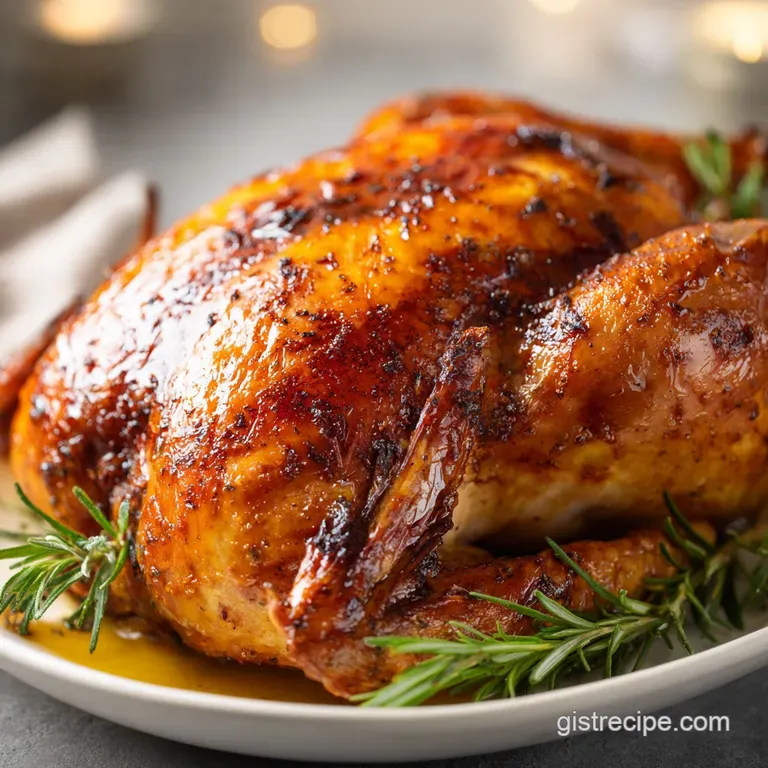
- Boil the base. Combine 0.5 gallon of water with the salt, brown sugar, peppercorns, garlic, rosemary, allspice, and bay leaves in your stockpot.
- Dissolve the solids. Heat over medium high until the salt and sugar have completely vanished into the liquid. Note: This creates a concentrated "tea" that extracts all the oils from the spices.
- Cool the concentrate. Remove the pot from the heat and let it sit for 5 minutes.
- Create the cold bath. Pour the hot concentrate into your brining container and stir in the remaining 0.5 gallon of water and the 1 gallon of ice cold water.
- Check the temperature. Ensure the liquid is completely cold until it feels like refrigerator water. Note: Never put a raw turkey into warm liquid; it’s a major safety risk.
- Submerge the turkey. Remove the giblets and neck, then lower the turkey into the brine, breast side down.
- Weight it down. If the bird floats, place a heavy plate on top until it is fully submerged.
- Refrigerate. Transfer to the fridge and let it soak for 12 hours. Note: Going longer than 24 hours can make the meat mushy.
- Rinse and dry. Remove the bird, discard the liquid, and rinse the turkey thoroughly under cold water.
- Final Prep. Pat the skin bone dry with paper towels until the surface feels tacky. This is the secret to crispy skin!
Fixing Common Brining Blunders
The "Soggy Skin" Syndrome
If you take a turkey straight from the liquid to the oven, the skin will steam instead of crisping. The moisture trapped in the skin prevents the fat from rendering properly, leaving you with a rubbery texture.
The Salt Overload Fear
Many people worry that a simple turkey brine recipe will make the meat too salty. This only happens if you use table salt instead of Kosher, or if you leave the bird in for 2 days. If you follow the 12 hour rule, it will be seasoned, not salty.
| Problem | Root Cause | Solution |
|---|---|---|
| Rubbery Skin | Skin was wet when roasting | Air dry in the fridge for 2 hours after rinsing |
| Spongy Meat | Brined for too long (over 24h) | Stick to a 12 to 18 hour window |
| Bland Flavor | Brine was too warm | Always use ice water to dilute the concentrate |
Common Mistakes Checklist
- ✓ Pat the bird completely dry with paper towels (prevents steaming).
- ✓ Ensure the brine is below 4°C before adding the poultry.
- ✓ Rinse the turkey inside and out after removing it from the brine.
- ✓ Use only food grade plastic or stainless steel containers.
- ✓ Don't add extra salt if using a "pre basted" or "enhanced" turkey.
Customizing Your Flavor Profile
If you want a turkey brine recipe for smoking, consider adding a half cup of apple cider vinegar and doubling the peppercorns. The acidity helps the smoke penetrate the meat deeper. For a "Citrus Brightener" version, swap out the allspice for sliced oranges and lemons.
This cuts through the richness of the dark meat beautifully.
If you are cooking for a smaller crowd, you can easily scale this down. For a turkey breast, cut the recipe in half. Use a smaller pot or even a heavy duty zip top bag to save space in the fridge.
When scaling up for a massive 25 pound bird, double the liquids but keep the spices at 1.5x spices can become overwhelming in large volumes.
| Method | Total Time | Texture | Best For |
|---|---|---|---|
| Wet Brine | 12 - 24 hours | Silky and plump | Leaner birds/Beginners |
| Dry Brine | 24 - 48 hours | Very crispy skin | Experienced cooks/Tight fridge |
| Injection | 30 mins | Intense local flavor | Last minute prep |
Debunking Brining Misconceptions
One major myth is that brining "seals in the juices." In reality, the salt actually changes the structure of the meat to hold more water. It’s not a seal; it’s a sponge effect. Another common thought is that you can't use a frozen turkey. You actually can!
You can put a partially frozen turkey into the brine; it will simply thaw as it seasons, which is a great time saver.
Keeping Your Turkey Safe
Storage: You can store the prepared brine (without the meat) in the fridge for up to 3 days. Once the turkey has been in the liquid, the brine must be discarded immediately. Never reuse it for anything else.
The cooked turkey will stay fresh in the fridge for 3 to 4 days, or you can freeze the leftovers for up to 3 months.
Zero Waste: Don't throw away those aromatics from the brine! While you shouldn't cook with them after they’ve touched raw poultry, you should definitely save the turkey neck and giblets. Simmer them with some celery and onion to create a rich stock for your gravy.
Also, once the turkey is carved, save the carcass to make a legendary bone broth.
Perfect Sides and Gravy Pairings
Because this easy turkey brine recipe has notes of rosemary and allspice, it pairs beautifully with a Sage and Garlic Compound Butter rubbed under the skin right before roasting. The herbal notes in the meat will mirror the butter perfectly.
For the gravy, try an Apple Cider Gravy. The slight sweetness of the cider plays off the brown sugar in the brine. If you're looking for more inspiration for your holiday spread, the techniques used for seasoning here are very similar to the flavor layering found in an Authentic Chicken Karahi recipe, where aromatics and salt do all the heavy lifting for the protein. Whether you're roasting, smoking, or even attempting a simple turkey brine recipe for deep frying, this foundation will ensure your bird is the star of the table.
Basic Turkey Brine Recipe FAQs
What is the basic formula for brine?
The standard ratio is roughly 1 cup of salt and 0.5 cup of sugar per gallon of water. This ratio ensures effective protein alteration without making the meat taste overly cured or salty. Always use coarse Kosher salt for best results when building your base solution.
What is the simplest way to brine a turkey?
Boil water with salt, sugar, and core aromatics, then dilute with ice water until completely chilled. Submerge the turkey fully in the cold liquid for 12 to 18 hours in the refrigerator. The simplest way requires only 15 minutes of active time.
What is the brine solution ratio for turkey?
One standard recipe uses 1 cup of Kosher salt and 1/2 cup of brown sugar per gallon of total liquid. This ratio is designed to season the meat evenly throughout the process. If you are dry brining, the ratio changes significantly to approximately 1 tablespoon of salt per pound of bird.
What type of brine is best for a turkey?
A simple wet brine containing salt, sugar, and basic aromatics is generally the best starting point. This method introduces the most moisture and yields the most consistent results for beginners. Mastering moisture retention here through proper salt dissolution sets the groundwork for other techniques; if you enjoyed mastering this liquid balance, see how the same principle of controlled infusion works in our Creamy Fried Pickle recipe dressing.
How long should a 15-pound turkey be brined?
Aim for 12 hours for a 15-pound turkey, not exceeding 20 hours total. Over brining causes the protein structure to break down too much, leading to a spongy or mushy texture. It is better to rinse and air-dry a slightly under brined bird than to risk a mushy result.
Is it true that I must use only fresh herbs in the brine?
No, dried herbs can be used, but fresh herbs provide significantly better aromatic results. Dried spices, especially bay leaves and allspice, should be simmered briefly to bloom their essential oils before cooling the liquid. For maximum flavor depth in your stock after cooking, consider simmering the carcass with similar, tougher aromatics you might find in a Blood Sausage Recipe stock base.
What do I do immediately after the turkey finishes brining?
Remove the turkey, discard all the brine, and rinse the bird thoroughly inside and out under cold running water. After rinsing, the most critical next step is to pat the skin completely dry with paper towels to ensure crispy skin when roasting.
Basic Turkey Brine Recipe
Ingredients:
Instructions:
Nutrition Facts:
| Calories | 298 kcal |
|---|---|
| Protein | 51.4 g |
| Fat | 8.2 g |
| Carbs | 2.1 g |
| Fiber | 0.2 g |
| Sugar | 1.8 g |
| Sodium | 445 mg |
