Baked Walleye Pike Recipe with Lemon and Herbs
- Time: Active 10 minutes, Passive 12 minutes, Total 22 minutes
- Flavor/Texture Hook: Flaky, buttery fillets with a zesty herb finish
- Perfect for: Weeknight family dinners or a low stress fish fry alternative
- Reliable Baked Walleye Pike Recipe with Lemon and Herbs
- The Physics of the Flake
- Essential Recipe Timing and Specs
- Required Ingredients and Smart Swaps
- Recommended Kitchen Tools and Equipment
- Simple Prep and Cooking Flow
- Fixing Texture and Doneness Issues
- Simple Variations and Flavor Twists
- Storage and Reheating Best Practices
- Best Side Dishes for Walleye
- Recipe FAQs
- 📝 Recipe Card
Reliable Baked Walleye Pike Recipe with Lemon and Herbs
I still remember the first time I tried to cook walleye at home after a long weekend up north. The sizzle of the pan was there, but I over handled the poor fish until it was more of a "walleye scramble" than a fillet.
It was a watery, bland mess because I hadn't realized that lake fish needs a gentle touch and a lot of respect for its delicate texture. That mistake stayed with me, but it led me to find this specific method that works every single time without fail.
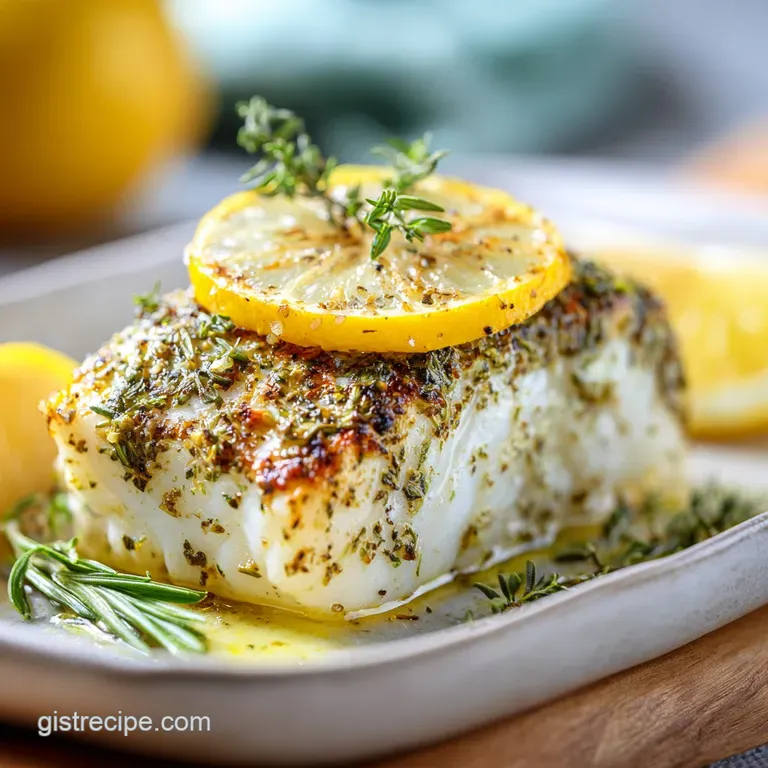
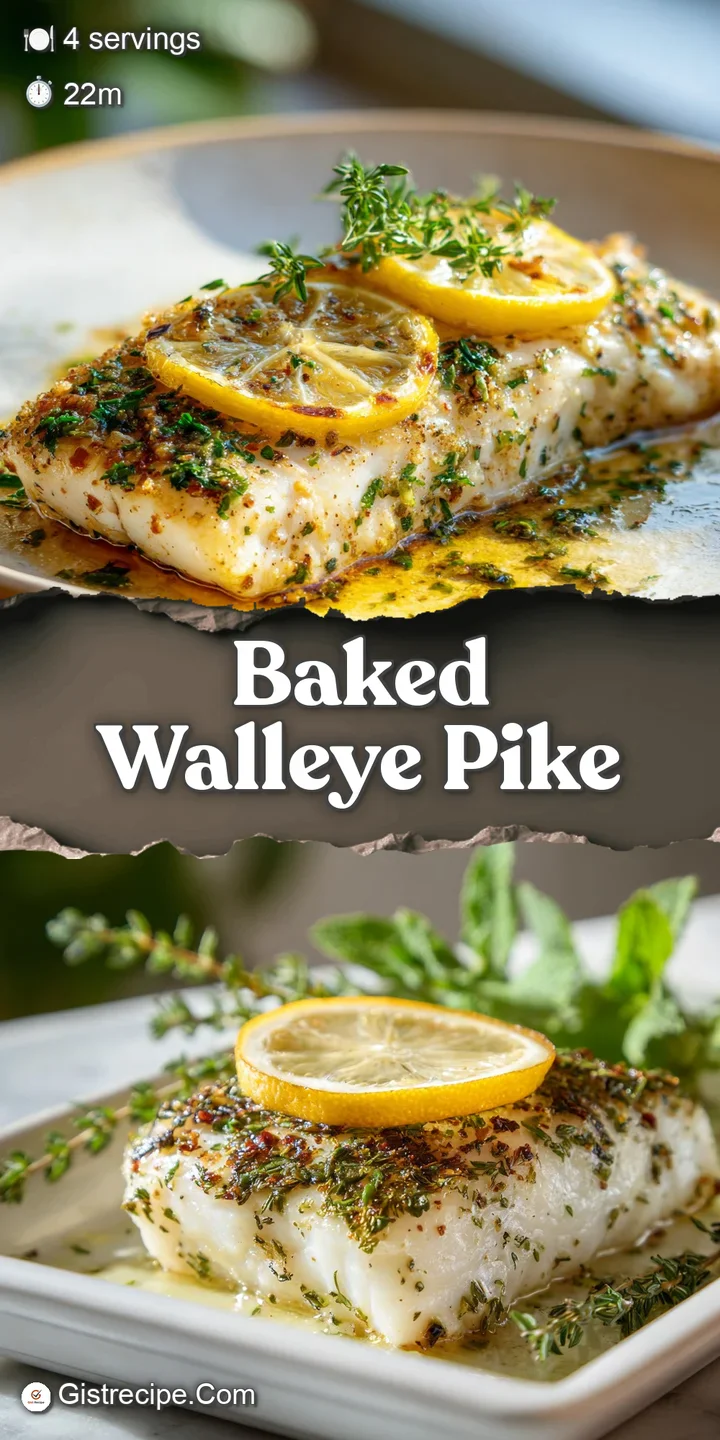
The aroma of fresh dill and lemon zest hitting a hot baking sheet is something I wish I could bottle up. It smells like a summer evening on the dock. This Baked Walleye Pike Recipe with Lemon and Herbs delivers a standout, flavorful dish perfect for any weeknight.
We aren't hiding the fish under a thick, heavy batter here. Instead, we’re letting the natural sweetness of the walleye shine through while the herbs create a velvety finish that just melts away the second it hits your tongue.
Most people get intimidated by fish because they’re afraid of that "fishy" smell or a rubbery texture. Trust me, I’ve been there. The secret is all in the timing and the moisture control.
We’re going to use a blend of melted butter and olive oil to ensure the fish stays juicy while the oven heat works its magic. It’s reliable, comforting, and honestly, better than most restaurant versions I've paid far too much for.
The Physics of the Flake
Protein Denaturation: Gentle oven heat causes the fish’s muscle fibers to contract and turn opaque without squeezing out all the natural juices. This specific temperature range prevents the proteins from becoming tightly coiled and rubbery, ensuring the meat remains tender.
| Thickness | Internal Temp | Rest Time | Visual Cue |
|---|---|---|---|
| 1.5 cm | 63°C | 2 minutes | Flesh is opaque and separates easily |
| 2.5 cm | 63°C | 3 minutes | Center is no longer translucent |
| 3.5 cm | 63°C | 4 minutes | Fillet flakes with gentle pressure |
When you cook white fish like walleye, the goal is to reach that "just done" point. If you go past it, the delicate cell walls collapse and you lose that silky mouthfeel we’re aiming for.
Setting the oven to a steady heat allows the garlic and herbs to infuse the fats, creating a natural sauce right on the baking sheet.
Essential Recipe Timing and Specs
Before we jump into the kitchen, let's talk about the logistics of this meal. This isn't a project that takes all afternoon; it's a quick strike dinner that relies on quality ingredients over complex techniques.
Since walleye fillets are relatively thin, they don't need much time in the heat, which makes this the ultimate 30 minute meal for busy nights.
Chef Tip: Always pat your fillets with paper towels until they are bone dry before adding any oil or seasoning. Any surface moisture will cause the fish to steam rather than bake, resulting in a mushy texture instead of a firm, flaky one.
I usually start my prep by getting the butter and herbs ready while the oven preheats. This ensures that the second the fish is ready, it goes into a hot environment. If the fish sits out too long covered in lemon juice, the acid will actually start "cooking" the proteins (like ceviche), which can change the final texture.
We want that bright citrus hit to happen during the baking process for the best results.
| Component | Science Role | Pro Secret |
|---|---|---|
| Unsalted Butter | Fat Carrier | Provides the "velvety" mouthfeel and carries herb flavors into the meat |
| Lemon Juice | Protein Denaturant | Breaks down tough fibers and balances the richness of the butter |
| Fresh Dill | Aromatic Compound | Contains carvone, which provides a cooling, earthy contrast to the garlic |
Keeping your ingredients at room temperature for just 5 minutes before they hit the oven helps with even cooking. When you pull cold fish straight from the fridge and throw it into a hot oven, the outside often overcooks before the center even realizes what's happening.
Required Ingredients and Smart Swaps
For this recipe, we are sticking to the classics. You'll need 4 Walleye Fillets, about 170g each. This is the star of the show, so if you can get them fresh from the market, do it. We are also using 3 tbsp of unsalted butter and 1 tbsp of extra virgin olive oil.
This combination is crucial because the oil raises the smoke point of the butter, preventing it from burning in the oven.
To bring the life to the dish, we use 2 tbsp of fresh lemon juice and 1 tbsp of zest. Don't skip the zest! That's where all the essential oils live. We’ll round it out with 2 tbsp of parsley, 1 tbsp of dill, and 2 cloves of minced garlic.
For the base seasoning, 1 tsp of kosher salt, ½ tsp of cracked black pepper, and ½ tsp of paprika will give it that beautiful golden hue and a tiny hint of warmth.
| Original Ingredient | Substitute | Why It Works |
|---|---|---|
| Walleye Fillets | Yellow Perch | Similar mild flavor and flaky texture. Note: Cook time may be slightly shorter. |
| Unsalted Butter | Ghee | Provides a nutty flavor with a much higher smoke point. |
| Fresh Dill | Fresh Tarragon | Adds a sophisticated anise like sweetness to the fish. |
| Kosher Salt | Sea Salt | Provides a similar clean saltiness without the iodine taste of table salt. |
If you happen to find yourself without fresh herbs, you can use dried, but remember to cut the amount in half. Dried herbs are much more concentrated. However, for a dish like this where the herbs are a primary flavor, fresh really is the way to go if you want that vibrant, garden fresh taste.
Recommended Kitchen Tools and Equipment
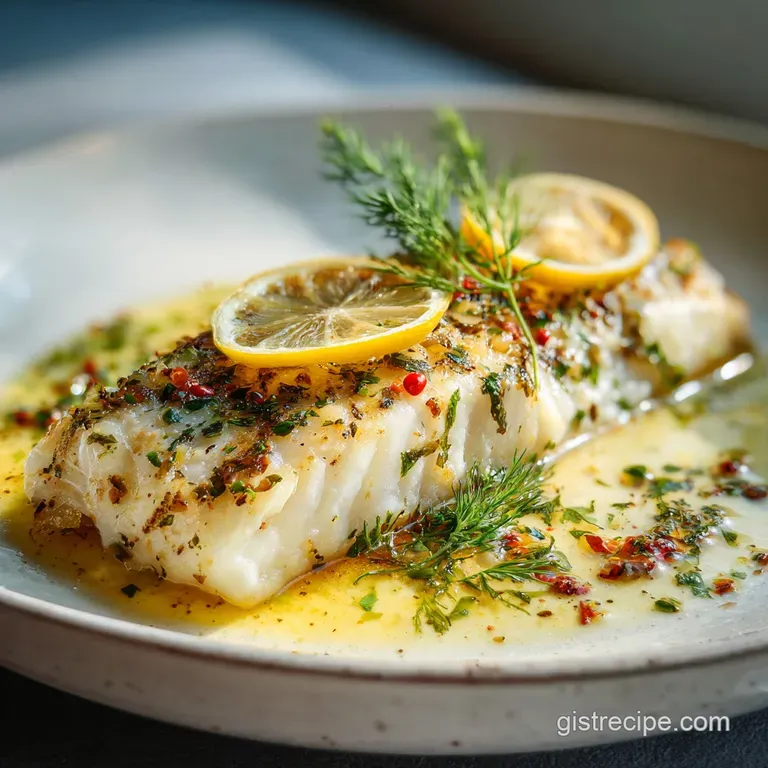
You don't need a professional kitchen to make this work, but a few specific items make the process much smoother. A large rimmed baking sheet is non negotiable. You want enough space so the fillets aren't touching; otherwise, they’ll trap steam between them and get soggy.
I also highly recommend using parchment paper. It’s a total lifesaver for cleanup and ensures the delicate skin (or flesh) doesn't stick to the metal.
A small glass bowl is perfect for whisking your lemon butter mixture. I like using a silicone pastry brush to coat the fish because it gets into all the little nooks and crannies of the fillet without tearing the meat. If you don't have a brush, a spoon works, but be gentle.
Finally,, an instant read thermometer is your best friend here. While we have visual cues, nothing beats the accuracy of a digital probe. Since walleye is lean, the window between "flaky" and "dry" is only about two minutes. Having that tool nearby takes all the guesswork out of the equation.
Simple Prep and Cooking Flow
- Preheat your oven to 200°C and line a large baking sheet with parchment paper. Note: High heat is essential for a quick bake without drying the fish.
- Pat the 4 walleye fillets dry using paper towels on both sides.
- Whisk together 3 tbsp melted butter, 1 tbsp olive oil, 2 tbsp lemon juice, and 2 cloves minced garlic in a small bowl.
- Arrange the fillets on the prepared baking sheet, leaving at least 3 cm of space between each piece.
- Brush the butter mixture generously over the top of each fillet until they are well coated.
- Sprinkle the 1 tbsp lemon zest, 1 tsp salt, ½ tsp pepper, and ½ tsp paprika evenly over the fish.
- Top each fillet with the 2 tbsp chopped parsley and 1 tbsp dill, pressing slightly so they adhere.
- Bake for 12 minutes until the fish is opaque and flakes easily with a fork. Note: The internal temperature should hit 63°C.
- Remove from the oven and let rest for 2 minutes before serving to allow the juices to redistribute.
Chef Tip: If your fillets vary in thickness, place the thinner ones toward the center of the pan and the thicker ones toward the edges. The edges of the baking sheet usually get slightly more intense heat, which helps balance the cooking time.
While the fish is in the oven, you'll hear a light sizzle as the butter and lemon juice mingle on the parchment paper. This is exactly what you want! If you enjoy this prep style, you'll also love our Baked Salmon in recipe which uses a similar moisture locking technique.
Fixing Texture and Doneness Issues
The biggest hurdle with walleye is often the "soggy bottom" syndrome. This usually happens if the fish wasn't dried properly or if the oven wasn't hot enough when you put the tray in. If you notice your fish is sitting in a pool of liquid halfway through, don't panic.
You can carefully drain the excess liquid from the parchment paper and continue baking.
Why Your Walleye Feels Rubbery
If the fish feels bouncy or tough rather than flaking apart, it has likely been overcooked. This happens when the internal temperature climbs past 65°C. The proteins tighten up and push out all the moisture. To fix this next time, start checking the temp at the 10 minute mark.
Fixing a Lack of Flavor
Sometimes, despite all the herbs, the fish can taste a bit flat. This is usually a salt or acid issue. A tiny extra squeeze of fresh lemon right before serving can "wake up" the flavors. Salt enhances the natural sweetness of the walleye, so don't be afraid to add a pinch of finishing salt at the table.
| Problem | Root Cause | Solution |
|---|---|---|
| Fish is mushy | Excess surface moisture | Pat fillets aggressively dry before seasoning |
| Herbs are burnt | Placed too close to the top element | Move oven rack to the middle position |
| Skin is sticking | Pan was not greased or lined | Use parchment paper or a silicone mat |
Common Mistakes Checklist:
- ✓ Did you preheat the oven for at least 15 minutes? (Crucial for immediate heat transfer).
- ✓ Did you use fresh lemon juice instead of the bottled stuff? (Bottled juice has a bitter aftertaste).
- ✓ Are the fillets spaced out? (Crowding causes steaming).
- ✓ Did you check the thickness? (Thin fillets need less time).
Simple Variations and Flavor Twists
If you want to change things up, this recipe is incredibly versatile. For a bit of a crunch, you can mix ¼ cup of Panko breadcrumbs with the herbs and butter before topping the fish. This creates a "crusted" effect that provides a lovely texture contrast to the soft meat.
If you’re following a specific diet, this recipe is already naturally keto friendly and gluten-free. For a dairy-free version, simply swap the butter for a high-quality vegan butter substitute or just use all olive oil.
The olive oil version will be slightly less "rich" but will have a beautiful, clean Mediterranean vibe.
| Method | Time | Texture | Best For |
|---|---|---|---|
| Oven Baked | 12 minutes | Tender and silky | Clean, healthy weeknight meals |
| Stovetop Sear | 6 minutes | Crispy exterior | When you want a golden crust |
| Air Fryer | 8 minutes | Very firm and flaky | Small batches and maximum speed |
If you are looking for a completely different flavor profile, try swapping the dill and parsley for cilantro and lime, and add a pinch of cumin instead of paprika. It transforms the dish into something perfect for fish tacos.
Storage and Reheating Best Practices
Walleye is best enjoyed immediately, but if you have leftovers, they can stay in the fridge for up to 2 days in an airtight container. To keep it from drying out, I recommend placing a damp paper towel over the fish before sealing the lid.
When it comes to reheating, avoid the microwave at all costs! It will turn your beautiful fish into a rubber tire. Instead, place the fillets in a cold oven, set it to 150°C, and let them warm up gradually for about 8 to 10 minutes.
This gentle rise in temperature helps preserve the delicate texture. For a zero waste tip, flake any leftover cold walleye into a salad or use it to make fish cakes the next day.
Best Side Dishes for Walleye
Since this Baked Walleye Pike Recipe with Lemon and Herbs is quite light, it pairs beautifully with starches that can soak up that extra lemon butter sauce. A bed of wild rice or a simple lemon herb couscous is fantastic.
If you want to keep things on the lighter side, a bunch of roasted asparagus or a crisp cucumber salad provides a refreshing crunch that balances the buttery fish.
This fish also pairs perfectly with our Broccoli Casserole recipe for a more substantial, comforting family meal. The creaminess of the casserole provides a great counterpoint to the bright, acidic notes of the lemon and herbs.
If you’re going for a more traditional "shore lunch" feel, serve it with some roasted potato wedges and a side of tartare sauce. Regardless of what you choose, keep the sides simple. You've put the effort into making a beautiful piece of fish let it be the star of the plate!
Right then, I think you’re ready to get cooking. Grab those fillets and let's make something great!
Recipe FAQs
What herbs go well with walleye?
Dill, parsley, and tarragon are the best pairings. Dill offers a classic, slightly anise like flavor that complements the mildness of walleye perfectly. Parsley adds freshness, and tarragon introduces a sophisticated, subtle licorice note.
What temperature is best for baking walleye?
200°C (400°F) is the recommended baking temperature. This high heat ensures the exterior sets quickly and the fish cooks through rapidly, keeping the interior moist before the proteins dry out.
Is it better to bake fish at 350 or 400?
400°F (200°C) is generally better for thin fillets like walleye. The higher temperature achieves a faster cook time (around 12 minutes), resulting in a flakier texture, whereas 350°F can sometimes lead to slower cooking and moisture loss.
How to bake pickerel in the oven?
Treat pickerel exactly like walleye for baking success. Preheat your oven to 200°C (400°F), ensure the fillets are patted completely dry, and brush liberally with seasoned butter or oil before baking for approximately 10 to 14 minutes, depending on thickness.
What internal temperature signals walleye is done?
The target internal temperature is 63°C (145°F). Use an instant read thermometer inserted into the thickest part; once it reaches this point, immediately remove it, as carryover cooking will bring it to a perfect, non-rubbery finish.
Can I substitute butter with olive oil only?
Yes, but you should use a blend for the best flavor and smoke control. While olive oil works, combining it with a little butter carries the herb flavor more effectively into the fish flesh; if you must go dairy-free, use a neutral oil like avocado oil, similar to how we managed fat ratios in our Classic Banana Bread recipe.
Do I need to zest the lemon or is juice enough?
You absolutely must use the zest for maximum aromatic impact. The zest contains essential oils that provide a bright, intense lemon aroma during baking, while the juice mainly contributes acid for flavor balance and moisture.
Baked Walleye Pike Lemon Herb
Ingredients:
Instructions:
Nutrition Facts:
| Calories | 269 kcal |
|---|---|
| Protein | 33 g |
| Fat | 14 g |
| Carbs | 1 g |
| Fiber | 0 g |
| Sugar | 0 g |
| Sodium | 588 mg |
