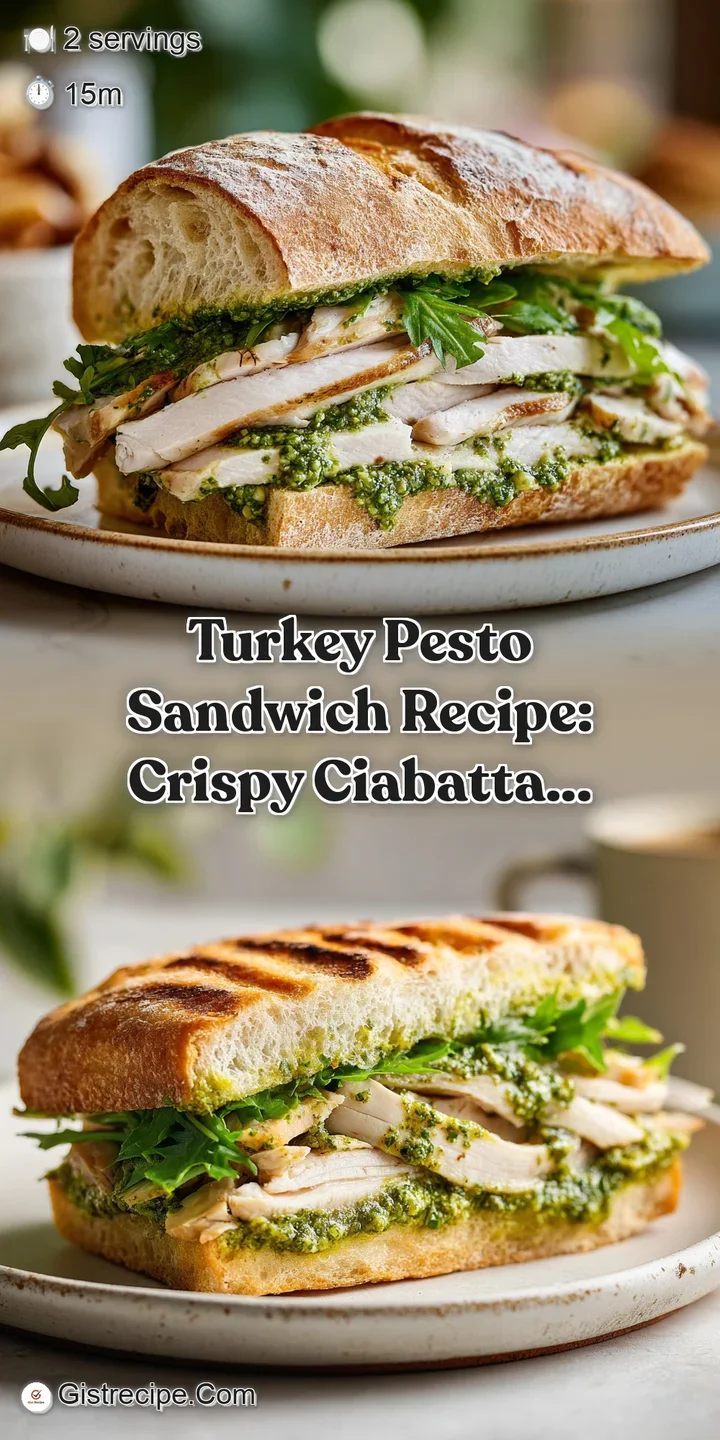
Turkey Pesto Sandwich with Crispy Ciabatta
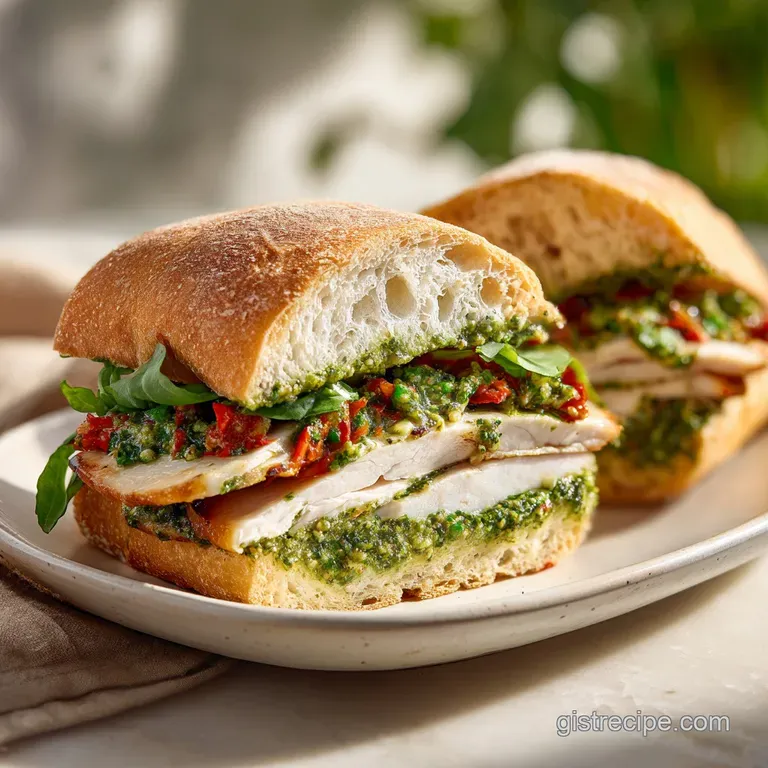
- Time: Active 10 minutes, Passive 5 minutes, Total 15 minutes
- Flavor/Texture Hook: Shatter crisp ciabatta with velvety melted provolone
- Perfect for: A reliable weeknight dinner or a quick, comforting lunch
- Creating the Ultimate Turkey Pesto Sandwich
- Why This Turkey Pesto Sandwich Works
- Ingredient Analysis and Component Roles
- Selecting the Best Sandwich Components
- Tools for a Crispy Golden Finish
- The Reliable Way to Assemble Your Sandwich
- Solving Common Sandwich Texture Issues
- Creative Turkey Pesto Sandwich Ideas
- Scaling Guidelines for Large Groups
- Debunking Common Sandwich Myths
- Storing and Reviving Your Meal
- Perfect Pairings for a Complete Lunch
- Critical High in Sodium
- Recipe FAQs
- 📝 Recipe Card
Creating the Ultimate Turkey Pesto Sandwich
I remember standing in my kitchen on a random Tuesday, staring at a plate of plain deli turkey and feeling truly uninspired. Then I saw a jar of pesto hiding behind the pickles and everything changed. The moment that herb filled oil hit the warm ciabatta, the aroma of toasted pine nuts filled the room.
It wasn't just a meal anymore; it was a comforting classic that felt like a reward for surviving the morning.
We've all had those sandwiches that look great but fall apart or get soggy before the third bite. I spent a few weeks experimenting with the order of ingredients, trying to figure out why my favorite local deli always had that perfect crunch.
It turns out, the secret isn't a fancy press - it is all about how you stack the layers to protect the bread. You'll get that satisfying sizzle when it hits the pan, and the result is a foolproof lunch you'll want to make every single week.
Trust me on this one, once you taste the way the garlic aioli mingles with the sharp basil, you'll never go back to plain mayo again. This recipe is designed for busy people who still want a meal that feels intentional. We are using simple tools and reliable steps to get a result that rivals any bistro.
Let's get into why this specific combination of flavors works so well and how you can master it in your own kitchen.
Why This Turkey Pesto Sandwich Works
- The Lipid Barrier: Fats in the pesto and aioli coat the bread fibers, preventing moisture from the turkey from making the ciabatta soggy.
- Thermal Insulation: Placing the cheese directly against the bread allows it to melt quickly while acting as a glue for the other ingredients.
- Aromatic Release: Heating the pesto briefly in the sandwich wakes up the volatile oils in the basil and garlic, making the flavor much more intense.
Temperature and Texture Comparison
| Method | Time | Texture | Best For |
|---|---|---|---|
| Stovetop Pan | 5 minutes | Extra crispy crust | Maximum flavor and crunch |
| Oven Broil | 3 minutes | Charred edges | Making multiple sandwiches at once |
| Cold Stack | 0 minutes | Soft and chewy | Quick portable lunches |
The choice of cooking method really depends on your mood, but for that classic bistro feel, the stovetop pan is my favorite. It gives you total control over the golden brown color of the crust. If you are starting with high-quality meat, perhaps from a Basic Turkey Brine recipe, the heat also helps soften the protein fibers for a more tender bite.
Ingredient Analysis and Component Roles
Understanding the "why" behind your ingredients helps you become a more intuitive cook. Every item in this stack has a specific job to do, from providing structure to offering a punch of acidity that cuts through the rich cheese.
| Ingredient | Science Role | Pro Secret |
|---|---|---|
| Ciabatta Roll | Structural Support | Use the "crumb side" to soak up the garlic aioli for better flavor |
| Roasted Turkey | Lean Protein | Room temperature meat melts the cheese faster than cold meat |
| Provolone | Emulsifier | Choose aged provolone for a sharper bite and better meltability |
| Basil Pesto | Flavor Base | A tiny squeeze of lemon in the pesto can brighten the whole sandwich |
Chef Note: If your pesto is very oily, give it a quick stir before spreading. You want the green solids for flavor, not just the oil, otherwise the bread might become greasy instead of crispy.
Selecting the Best Sandwich Components
When I’m shopping for this, I look for ciabatta that feels slightly firm. You want a roll that can stand up to the weight of the fillings without compressing into a flat pancake. For the turkey, ask for "roasted" rather than "honey smoked" to keep the savory profile in check.
- 2 ciabatta rolls: Look for ones with large air pockets.
- Substitute: Focaccia or thick cut sourdough. Why this? Holds up to high heat without falling apart.
- 0.5 lb roasted turkey breast, thick cut: Ensure it is sliced evenly.
- Substitute: Roasted chicken or rotisserie leftovers. Why this? Provides the main savory structure.
- 4 tbsp basil pesto: Use a high-quality refrigerated version if possible.
- Substitute: Sun dried tomato pesto or chimichurri. Why this? Delivers the herbal punch and necessary fats.
- 2 tbsp garlic aioli or mayonnaise: This adds a creamy contrast.
- Substitute: Plain Greek yogurt with a pinch of garlic powder. Why this? Creates a moisture barrier on the bread.
- 4 slices provolone cheese: Mild and reliable for melting.
- Substitute: Fresh mozzarella or Havarti. Why this? Melts at a lower temperature than cheddar.
- 0.25 cup oil packed sun dried tomatoes: Sliced thin for even distribution.
- Substitute: Roasted red peppers or fresh tomato (patted dry). Why this? Adds a concentrated burst of acidity.
- 1 cup fresh arugula: For a peppery bite.
- Substitute: Baby spinach or leaf lettuce. Why this? The heat wilts it just enough to be tender.
- 0.5 red onion: Sliced paper thin to avoid overpowering the palate.
- Substitute: Shallots or pickled red onions. Why this? Provides a sharp, crisp contrast to the rich cheese.
Tools for a Crispy Golden Finish
You don't need a fancy panini press to make a professional grade Turkey Pesto Sandwich. In fact, a simple heavy bottomed skillet often does a better job because you can monitor the heat more closely. A cast iron pan is my top choice because it retains heat so evenly, but any non stick pan will work in a pinch.
One trick I learned from a chef friend is to use a second heavy pan (like a small saucepan) to weigh the sandwich down while it's in the skillet. This ensures every millimeter of the bread makes contact with the heat.
You'll also need a wide spatula to flip the sandwich carefully so the fillings don't go flying across the stove.
Right then, let's talk about the assembly surface. Always build your sandwich on a clean cutting board rather than a plate. This gives you more room to work and makes it easier to slice the finished product at an angle, which we all know makes it taste better.
The Reliable Way to Assemble Your Sandwich
- Slice ciabatta rolls. Note: Use a serrated knife to keep the rolls from squishing.
- Spread garlic aioli. Note: Apply 1 tbsp to the bottom half of each roll to create a base layer.
- Apply basil pesto. Note: Spread 2 tbsp on the top half of each roll, edge to edge.
- Layer the cheese. Place 1 slice of provolone on the bottom and 1 on the top. Note: This acts as a "glue" for the turkey and greens.
- Add turkey breast.Distribute 0.25 lb onto each bottom bun until the surface is covered.
- Add tomatoes and onions. Note: Scatter sun dried tomatoes and onions over the turkey for even flavor.
- Top with arugula. Note: Pile the arugula on; it will shrink significantly once heated.
- Close the sandwich. Press down firmly with your hand to compact the layers.
- Heat the pan. Place the sandwich in a over medium heat skillet until the bread is golden and the cheese is visibly drooping.
- Flip carefully. Cook for another 2 minutes until the bottom is shatter crisp.
Solving Common Sandwich Texture Issues
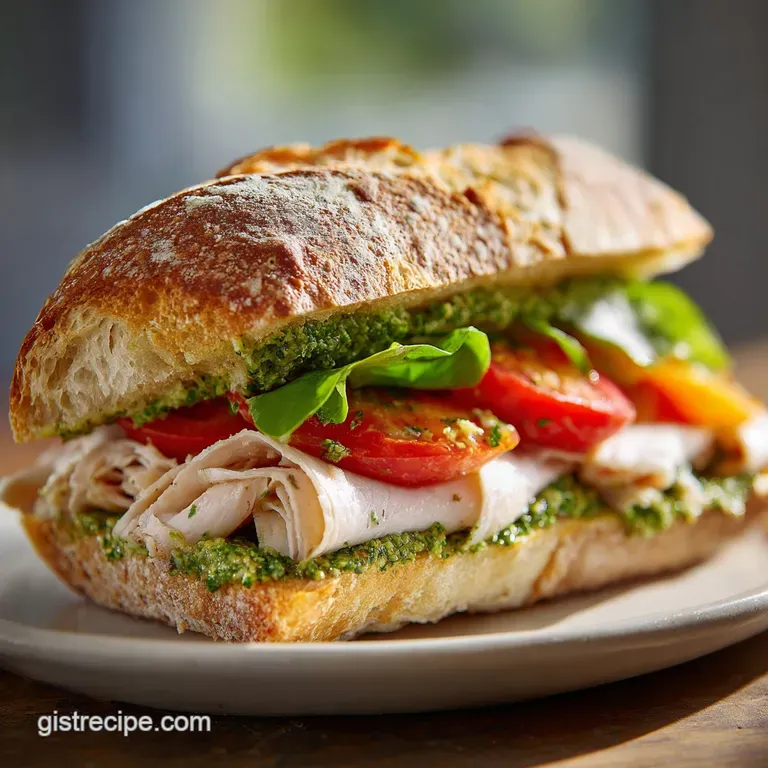
But what about the sogginess? We'll get to that. The most common mistake is using ingredients that are too wet. If your sun dried tomatoes are dripping in oil, or your arugula was just washed and is still damp, that water has nowhere to go but into your bread.
Troubleshooting the Crunch
| Problem | Root Cause | Solution |
|---|---|---|
| Soggy bottom | Wet vegetables or too much pesto oil | Pat tomatoes dry and use cheese as the first layer |
| Cold center | Turkey was too cold or heat was too high | Let turkey sit out 10 mins; use medium low heat |
| Bread burns quickly | Pan was too hot or too much butter/oil | Lower the flame and move the sandwich frequently |
If you find that your cheese isn't melting fast enough, you can add a tiny drop of water to the corner of the pan (away from the sandwich) and cover it with a lid for 30 seconds. The steam will finish the melt without ruining the crunch of the bread.
Common Mistakes Checklist
- ✓ Pat the sun dried tomatoes dry with a paper towel before adding to the stack.
- ✓ Avoid slicing the red onions too thick, as they won't soften enough in 5 minutes.
- ✓ Ensure the skillet is preheated before adding the sandwich to prevent oil absorption.
- ✓ Don't skip the "press" step; use a heavy plate or pot to ensure even browning.
- ✓ Let the sandwich rest for 60 seconds after cooking so the cheese sets slightly.
Creative Turkey Pesto Sandwich Ideas
If you've mastered the classic, there are a few ways to shake things up without getting too complicated. For a bit of a kick, try adding a few red pepper flakes to the garlic aioli. It gives a slow heat that works beautifully with the cool turkey.
Honestly, don't even bother with low-fat cheese here. You need the fat content for that velvety texture. If you want a more Mediterranean vibe, swap the provolone for a thick slice of feta and add some kalamata olives. Just be careful with the salt, as both pesto and feta are naturally salty. For another great way to use up turkey, you might enjoy my Simple Turkey and recipe for those colder nights.
Sandwich Style Variations
- The Spicy Italian: Add salami and a drizzle of hot honey.
- The California Green: Swap sun dried tomatoes for sliced avocado and sprouts.
- The Breakfast Version: Add a fried egg right in the middle before pressing.
Scaling Guidelines for Large Groups
When you are making this for a family, the stovetop method can get a bit slow. If you need to make four or more, I recommend using a large sheet pan. Brush the outsides of the rolls with a little melted butter and bake at 400°F (200°C) for about 8 minutes.
Servings and Adjustments
| Servings | Bread Count | Turkey Amount | Pan Choice |
|---|---|---|---|
| 1 Person | 1 roll | 0.25 lb | Small skillet |
| 4 People | 4 rolls | 1.0 lb | Large griddle or sheet pan |
| 8 People | 8 rolls | 2.0 lb | Oven (Sheet pan method) |
When scaling up, remember that the "internal" heat takes longer to reach the center of multiple sandwiches. You might need to extend the cook time by 2-3 minutes. If you are serving a crowd, this pairs excellently with a Greek Sheet Pan recipe if you want to offer a variety of proteins.
Debunking Common Sandwich Myths
One big myth is that you must butter the outside of the bread for it to get crispy. While butter adds flavor, the ciabatta has enough natural structure to crisp up beautifully on its own if the pan is dry and hot. In fact, too much butter can sometimes make the crust feel greasy rather than crunchy.
Another misconception is that fresh mozzarella is always better than provolone. For a pressed sandwich, fresh mozzarella often releases too much water, leading to that dreaded soggy bottom. Provolone is the reliable choice because it has a lower moisture content and a more consistent melt point.
Storing and Reviving Your Meal
If you have leftovers, store the assembled (but uncooked) sandwich in an airtight container in the fridge for up to 24 hours. I don't recommend freezing the whole sandwich because the arugula and onions will lose their texture and become mushy upon thawing.
To reheat a sandwich that has already been cooked, avoid the microwave at all costs. It will turn the bread into rubber. Instead, pop it back into a dry skillet over low heat for about 3 minutes per side. This will bring back the shatter crisp texture of the crust while gently warming the turkey.
For zero waste cooking, save the ends of the red onion and any extra arugula to toss into a quick side salad for tomorrow's lunch.
Perfect Pairings for a Complete Lunch
This sandwich is quite rich, so I usually look for something bright and acidic to serve on the side. A simple vinegar based slaw or a handful of salt and vinegar chips provides a nice contrast to the garlic aioli and melted cheese.
If you want something warmer, a light tomato soup or a cup of broth is a classics choice. The herbal notes in the pesto also pair surprisingly well with a crisp apple on the side, which cleanses the palate between bites. It’s a simple, no fuss way to turn a quick sandwich into a full, satisfying meal.
Critical High in Sodium
1425 mg of sodium per serving (62% of daily value)
The American Heart Association recommends limiting sodium intake to no more than 2,300mg per day for most adults. Aim for even less ideally, no more than 1,500mg per day for additional heart health benefits.
Tips to Reduce Sodium in Your Sandwich
-
Lower Sodium Turkey-25%
Opt for freshly sliced turkey breast from the deli counter and specifically request that it be unsalted and uncured. Many pre-packaged, thick cut varieties are very high in sodium.
-
Reduce Sodium Cheese-15%
Provolone can be high in sodium. Substitute with a lower sodium cheese option such as fresh mozzarella or Swiss cheese, or use a smaller quantity.
-
Rinse and Reduce Sun-Dried Tomatoes-15%
Oil-packed sun-dried tomatoes are often preserved with salt. Rinse the sun-dried tomatoes thoroughly before using to remove excess sodium. Alternatively, use sun-dried tomatoes that are not oil-packed.
-
Make Homemade Pesto-10%
Commercially prepared pesto can contain a significant amount of salt. Consider making your own homemade pesto with no added salt to control the sodium content.
-
Make Homemade Aioli-10%
Similar to Pesto, commercially prepared Aioli can contain significant sodium. Consider making your own homemade garlic aioli with no added salt to control the sodium content.
-
Reduce the Red Onion-5%
While red onion itself doesn't have high sodium content, reducing the portion size slightly can contribute to an overall reduction, and still provide plenty of flavor.
-
Flavor with Herbs & Spices
Enhance the flavor of your sandwich with fresh herbs like parsley or chives, or sodium free spice blends to compensate for the reduced salt.
Recipe FAQs
What to put in a turkey pesto sandwich?
The essentials include: Turkey, pesto, cheese (provolone is ideal), a robust bread like ciabatta, and often arugula or sun dried tomatoes for texture and tang.
Is the Starbucks turkey pesto sandwich healthy?
It varies depending on the preparation. Generally, it contains quality protein and herbs from the pesto, but the sodium and fat content can be high due to processed meat and cheese.
Does pesto taste good on a sandwich?
Absolutely, it is a fantastic sandwich spread. Pesto adds necessary fat, acidity, and a vibrant herbal note that brightens richer ingredients like turkey and cheese.
Can you spread pesto on a sandwich?
Yes, spread it directly onto the bread halves, often paired with an aioli. Applying the pesto to the bread creates a flavorful barrier that locks in moisture, similar to the fat-layering technique used in our Keto Beef Mince recipe for texture control.
What is the best bread for a turkey pesto sandwich?
Use a sturdy bread like Ciabatta or focaccia for the best results. These crusty options stand up well to the fillings and the heat of pressing without becoming overly soggy or compressed.
How to prevent the sandwich from getting soggy?
Apply a fat barrier first, such as mayonnaise or aioli, directly onto the bread. This prevents wet ingredients, like tomatoes or the turkey itself, from leaching moisture into the crust.
What cheese melts best with pesto and turkey?
Provolone is the top recommendation for reliable, smooth melting. It provides a sharp bite that complements the basil without dominating the flavor profile.
Turkey Pesto Sandwich Recipe
Ingredients:
Instructions:
Nutrition Facts:
| Calories | 819 kcal |
|---|---|
| Protein | 41.8 g |
| Fat | 42.1 g |
| Carbs | 61.4 g |
| Fiber | 4.2 g |
| Sugar | 6.1 g |
| Sodium | 1425 mg |
