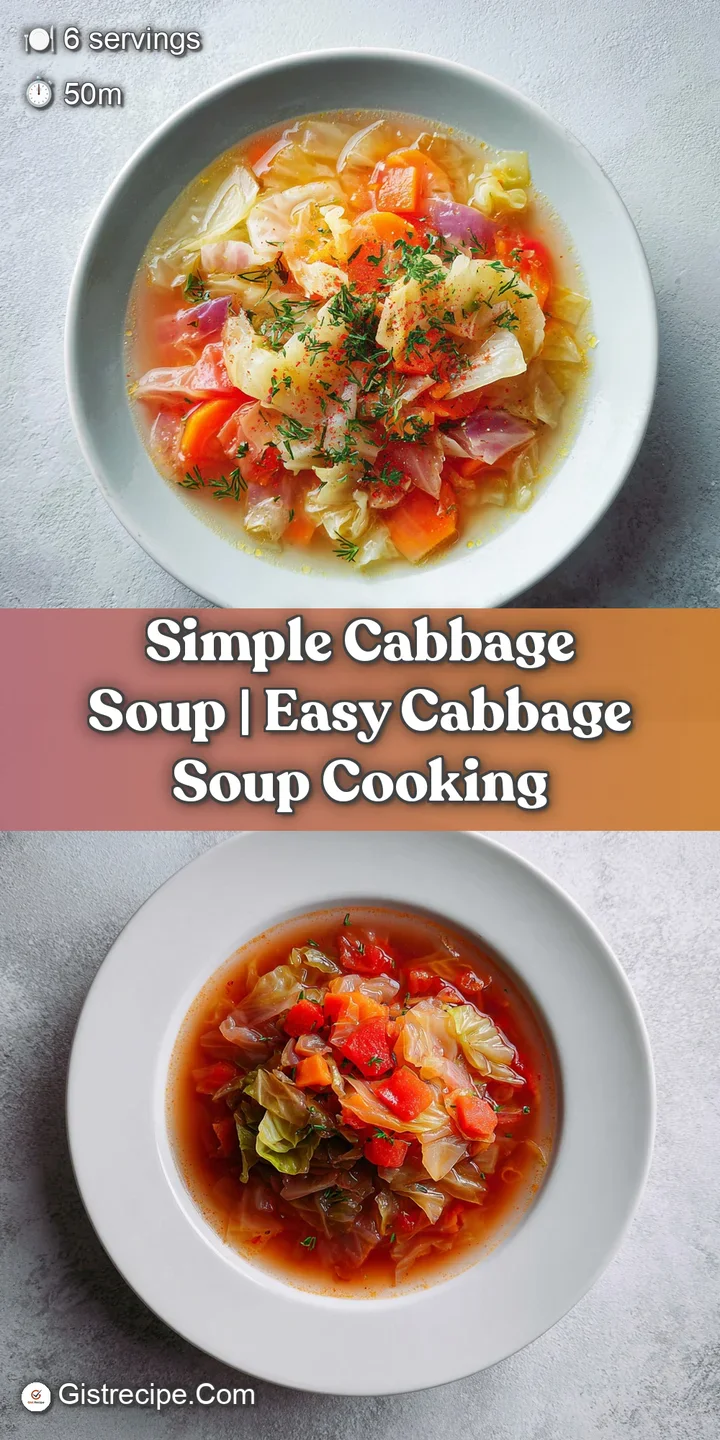
Simple Cabbage Soup
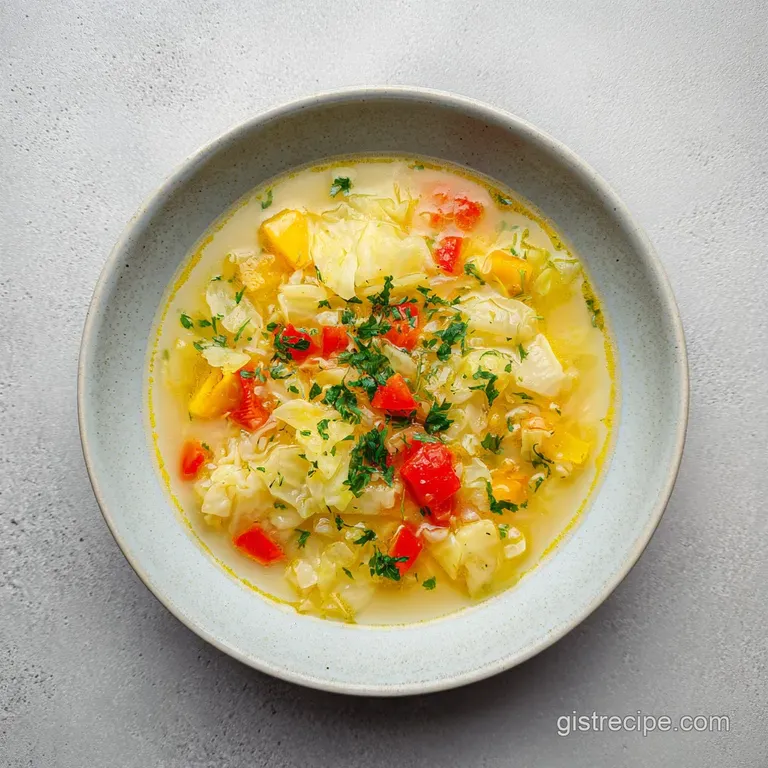
- Time: Active 15 minutes, Passive 35 minutes, Total 50 minutes
- Flavor/Texture Hook: Savory, tender crisp vegetables in a smoky, velvety broth
- Perfect for: Healthy weeknight dinners, meal prep, or cold weather comfort
- The Ultimate Savory Cabbage Soup Recipe Guide
- Why This Healthy Soup Works
- Essential Time and Planning Specs
- Ingredient Deep Dive and Analysis
- Simple Tools for Great Soup
- Step By Step Cooking Method
- Fixing Common Cabbage Soup Issues
- Creative Flavor Variations to Try
- Storage and Freezing Success Tips
- Best Ideas for Serving Soup
- Recipe FAQs
- 📝 Recipe Card
The Ultimate Savory Cabbage Soup Recipe Guide
I remember the first time I tried to make a cabbage soup recipe. It was back in my early twenties, and honestly, it was a disaster. I thought you just threw everything in a pot with water and waited. What I got was a bowl of grey, sulfur smelling mush that tasted like... well, nothing.
It was the kind of meal that makes you want to order pizza immediately. I almost gave up on cabbage entirely, thinking it was just destined to be bland or smelly.
But then, everything changed when I stopped treating it like a "diet food" and started treating it like a proper culinary project. The secret isn't just the cabbage itself; it's the sizzle of the onions hitting the hot olive oil and the way the smoked paprika blooms in the fat.
When you get that aromatics to fat ratio right, the whole kitchen fills with this earthy, sweet scent that promises something truly substantial. Now, this is the dish I crave when I've had a long week and just need something that feels nourishing without being a chore to cook.
We're moving past the watery "miracle" soups of the 90s. We're talking about a robust, deeply flavorful pot of goodness that relies on a few key techniques to keep the vegetables from turning to silk.
This is the version that actually tastes like a chef made it, even though it only takes about 50 minutes from start to finish. Trust me, once you smell that garlic and thyme hitting the pan, you'll know exactly what I mean.
Why This Healthy Soup Works
- Alliinase Activation: Crushing the garlic and letting it sit for a minute before the heat hits allows enzymes to create heart healthy compounds that survive the simmer.
- Maillard Layering: Sautéing the mirepoix (onions, carrots, celery) until the edges are just turning golden creates complex sugars that deepen the broth's color and "meatiness."
- Sulfur Management: Adding the cabbage late in the sauté process and simmering it just until tender prevents the breakdown of glucosinolates into the unpleasant, "stinky" sulfur smells often associated with overcooked brassicas.
- Acidic Brightening: The final splash of apple cider vinegar doesn't just add tang; it literally cuts through the earthy density of the cabbage to make the other flavors pop on your tongue.
| Method | Time | Texture | Best For |
|---|---|---|---|
| Stovetop | 50 minutes | Tender crisp veggies | Maximum flavor control |
| Oven (Dutch Oven) | 1 hours 15 mins | Velvety, soft veggies | Hands off weekend cooking |
| Slow Cooker | 6 hours | Very soft, unified flavor | Busy workdays |
Getting the right texture is all about timing. If you're looking for something with a bit more chew, similar to the bite in a Fried Cabbage with recipe, the stovetop method is your absolute best friend because you can pull it off the heat the second the cabbage hits that sweet spot.
Essential Time and Planning Specs
Before you even touch a knife, you need a plan. This isn't a "set it and forget it" situation if you want high-quality results. I like to break my kitchen workflow into three distinct phases: the chop, the sweat, and the simmer.
This ensures that nothing burns while you're busy peeling a carrot or looking for the bay leaves.
Chef's Tip: Use a large Dutch oven if you have one. The heavy bottom provides even heat distribution, which prevents the onions from scorching while you're prepping the cabbage.
| Ingredient | Science Role | Pro Secret |
|---|---|---|
| Green Cabbage | Structural Base | Cut into 1 inch squares to ensure even cooking and better spoonability. |
| Smoked Paprika | Flavor Depth | Sauté it in the oil for 30 seconds to release fat soluble flavor compounds. |
| Apple Cider Vinegar | pH Balancer | Adds "brightness" that mimics the effect of salt without the sodium. |
If you find yourself missing some of the traditional heft of a creamy soup, you might want to try my Knoephla Soup recipe for a different take on hearty vegetable bases. However, for a clean, vibrant meal that won't leave you feeling weighed down, staying the course with this veggie forward approach is the way to go.
Ingredient Deep Dive and Analysis
To make the best cabbage soup recipe, you need to be picky about your produce. A "medium" cabbage is usually about 2 pounds (900g). Look for one that feels heavy for its size with leaves that are tightly packed and squeak when you press them.
If the outer leaves are wilted or brown, peel them back until you find the bright, crisp layers underneath.
- Extra Virgin Olive Oil (2 tbsp): Provides the fat needed to bloom the spices. Why this? high-quality fat carries the flavor of the aromatics through the entire broth.
- Yellow Onion (1 large, 200g): The sulfur in the onion complements the cabbage perfectly. Why this? Yellow onions have a higher sugar content than white, leading to better caramelization.
- Carrots & Celery (150g/100g): The classic aromatic foundation. Why this? These add natural sweetness and a savory "umami" base to the vegetable broth.
- Garlic (4 cloves): Essential for punch. Why this? Fresh garlic provides a spicy bite that mellows into a buttery finish during simmering.
- Diced Tomatoes (14.5 oz can): Adds acidity and body. Why this? The lycopene in tomatoes deepens the savory profile of the broth.
- Vegetable Broth (6 cups): The liquid vehicle. Why this? Using broth instead of water ensures every drop of liquid is packed with nutrients.
| Original Ingredient | Substitute | Why It Works |
|---|---|---|
| Vegetable Broth | Chicken Bone Broth | Adds more protein and a richer mouthfeel. Note: Not vegetarian. |
| Apple Cider Vinegar | Lemon Juice | Provides a sharper, citrusy brightness to the finish. |
| Smoked Paprika | Cumin | Swaps the smoky profile for an earthy, warming spice. |
Don't be afraid to experiment with the aromatics. If you're in the mood for something with a bit more heat and a tropical flair, you could pivot toward a Chicken Curry Soup recipe which uses similar base vegetables but a completely different spice profile. But for today, we're sticking to the savory, smoky classics.
Simple Tools for Great Soup
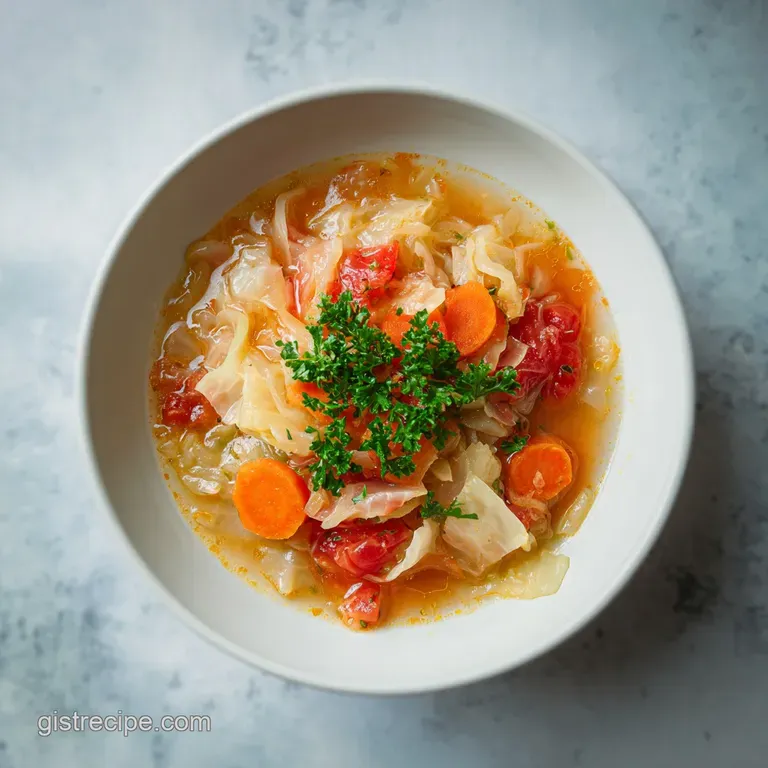
You don't need a professional kitchen to pull this off, but a few specific items make the job much easier. A sharp chef's knife is non negotiable here because hacking through a dense head of cabbage with a dull blade is actually dangerous. You want clean, swift cuts to keep the vegetable's structure intact.
I also highly recommend using a wide bottomed pot. If the pot is too narrow, the vegetables will steam rather than sauté, and you'll miss out on that crucial Maillard reaction. A 6 quart Dutch oven is the gold standard for this.
Finally, grab a wooden spoon for scraping the bottom of the pot those little brown bits (the fond) are where the real magic happens.
1. The Aromatic Foundation
This is where 80% of your flavor is built. Don't rush the onions. Let them soften until they're translucent and starting to show little flecks of gold. This step transforms their sharp bite into a mellow sweetness that acts as a backdrop for the cabbage.
2. The Heart of the Soup
The cabbage needs to be chopped consistently. I like 1 inch squares because they fit perfectly on a soup spoon. If the pieces are too big, they're hard to eat; if they're too small, they vanish into the broth and lose their texture.
3. The Finishing Brighteners
Never skip the parsley and vinegar at the end. Heat kills the vibrancy of fresh herbs and the sharpness of acid, so adding them in the final minute of cooking keeps the soup tasting fresh rather than "stewed."
step-by-step Cooking Method
1. The Sauté and Sweat
Heat the 2 tbsp olive oil in your pot over medium heat until it shimmers and moves like water. Add the diced onion, sliced carrots, and celery. Cook for 8 minutes, stirring occasionally, until the onions are soft and the carrots look vibrant.
Note: This builds the base flavor profile.
2. Building the Flavor Base
Stir in the 4 cloves of minced garlic, 1 tsp smoked paprika, 1/2 tsp thyme, 0.5 tsp salt, and 0.25 tsp pepper. Sauté for exactly 1 minute until the spices smell toasted and fragrant. Note: Toasting the spices in oil releases their essential oils.
3. The Deglaze and Simmer
Add the 14.5 oz can of diced tomatoes (with their juices) and use your spoon to scrape any browned bits off the bottom. Pour in the 6 cups of vegetable broth and add the 2 bay leaves. Bring the mixture to a rolling boil until large bubbles break the surface.
4. Integrating the Cabbage
Carefully fold in the 900g of chopped cabbage squares. Push them down into the liquid it will look like too much cabbage at first, but it will wilt down quickly. Note: Submerging the cabbage ensures even cooking.
5. The Gentle Simmer
Reduce the heat to low medium. Simmer uncovered for 20 to 25 minutes until the cabbage is tender but still holds its shape. Avoid overcooking here; you don't want the cabbage to become mushy or lose its bright green white color.
6. The Final Finishing Touch
Remove the pot from the heat and fish out the 2 bay leaves. Stir in the 1 tbsp of apple cider vinegar and the 1/2 cup of fresh chopped parsley. Taste the broth carefully; if it needs more "zing," add another teaspoon of vinegar. Serve immediately while the steam is rising and the colors are bright.
Fixing Common Cabbage Soup Issues
1. The Soggy Mess Syndrome
If your cabbage feels like wet paper, it’s likely been simmered for too long or at too high a temperature. Cabbage continues to cook even after you turn off the burner due to carryover heat. This is a common mistake I made for years until I started treating it like pasta I aim for "al dente."
| Problem | Root Cause | Solution |
|---|---|---|
| Bland Broth | Lack of salt or acid | Add 1 tsp of vinegar or a pinch of salt. |
| Mushy Cabbage | Overcooking | Simmer for 5 mins less next time; pull off heat early. |
| Bitter Taste | Scortched garlic/spices | Sauté garlic for only 60 seconds; keep heat at medium. |
2. Bitter or Metallic Aftertaste
Sometimes cabbage can have a sharp, almost metallic bitterness. This usually happens if the cabbage is old or if you used an aluminum pot, which can react with the acid in the tomatoes.
Chef's Note: Always use stainless steel, enamel coated, or glass pots when cooking with acidic ingredients like tomatoes and vinegar to keep the flavors clean.
Common Mistakes Checklist:
- ✓ Always pat your vegetables dry after washing to ensure they sauté rather than steam.
- ✓ Don't skip the "blooming" of the paprika; it's the difference between a flat soup and a smoky one.
- ✓ Keep the cabbage squares uniform in size so they all reach tenderness at the same time.
- ✓ Let the soup sit for 5 minutes before serving to let the flavors "marry" together.
Creative Flavor Variations to Try
1. Zesty Mediterranean Twist
If you want to take this in a different direction, try adding a can of drained chickpeas and a teaspoon of dried oregano. Before serving, top each bowl with a sprinkle of feta cheese and some lemon zest. It transforms the dish into something that feels like a seaside lunch in Greece.
2. Protein Packed Kick
For those who need a more filling meal, you can easily add 1 lb of browned ground turkey or sliced kielbasa. Just cook the meat in the pot first, remove it, and use the rendered fat to sauté your vegetables. Add the meat back in during the simmering stage.
It adds a wonderful savoriness that appeals to the "meat and potatoes" crowd.
3. The Creamy Variation
While this is a broth based soup, you can create a "creamy" version without dairy. Take two cups of the finished soup (including the veggies) and blend it until smooth, then stir it back into the pot. It gives the broth a velvety thickness that feels incredibly indulgent without adding any extra calories.
Storage and Freezing Success Tips
This cabbage soup recipe is practically famous for being better on day two. As it sits in the fridge, the cabbage absorbs the smokiness of the paprika and the acidity of the tomatoes, creating a much more cohesive flavor profile. I often make a double batch on Sunday just to have easy lunches throughout the week.
- Fridge: Store in an airtight container for up to 5 days. The cabbage will soften slightly, but the flavor will deepen.
- Freezer: This soup freezes beautifully for up to 3 months. Leave about an inch of headspace in your container as the liquid will expand when frozen.
- Reheating: Warm it gently on the stovetop over medium heat. Try not to let it come to a full boil again, as this can make the cabbage go from tender to mushy.
- Zero Waste: Don't throw away the cabbage core! Chop it very finely and add it to the pot with the onions. It has a wonderful sweetness and adds a bit of extra fiber. Also, save your onion and carrot scraps in a bag in the freezer to make your own vegetable stock later.
Best Ideas for Serving Soup
When it comes to serving, I'm a firm believer that the toppings make the meal. While the soup is fantastic on its own, a few additions can turn it from a "simple side" into a "centerpiece dinner." My favorite way to eat this is with a thick slice of toasted sourdough rubbed with a raw garlic clove.
The crunch of the bread against the soft vegetables is perfection.
If you're keeping it low carb, try topping the bowl with some toasted pumpkin seeds or a dollop of Greek yogurt. The yogurt adds a creamy tang that mimics sour cream but keeps the nutritional profile lean. Honestly, a sprinkle of red pepper flakes is also a great idea if you like a little heat to wake up your palate.
Right then, you're all set! This cabbage soup is foolproof if you just respect the sauté and watch your simmer time. It’s reliable, comforting, and has saved my weeknight sanity more times than I can count. Let me know how yours turns out I bet it smells incredible already!
Recipe FAQs
What are common mistakes when making cabbage soup?
Overcooking the cabbage. Cabbage continues cooking after the heat is off; simmer only until tender but slightly crisp (al dente) to avoid mushy texture and sulfurous odors.
How much weight can you lose on a 2 week cabbage soup diet?
Variable, but significant short term loss is possible. This soup is very low in calories and high in water content, leading to rapid water weight reduction, though sustained loss requires more than just this diet.
What herbs go in cabbage soup?
Thyme and fresh parsley are essential. Dried thyme should be added during the initial simmer, while fresh parsley must be added right at the end for color and vibrancy.
What broth is best for cabbage soup?
Use high-quality vegetable broth for vegetarian results. If meat is acceptable, chicken bone broth provides a richer mouthfeel and deeper savory flavor profile.
How do I prevent my cabbage soup from smelling sulfurous?
Avoid simmering the cabbage for extended periods. Cook the cabbage just until tender, add acid (vinegar) at the end, and never use aluminum pots which can react with brassicas.
How to build deep flavor when starting with only vegetables?
Bloom smoked paprika and sauté aromatics until golden. Toast the spices in hot oil for one minute before adding liquid, and ensure onions and carrots develop some color (Maillard reaction) before simmering.
Is it true that the soup tastes better the next day?
Yes, the flavor profile improves significantly upon resting. Allowing the soup to cool and then reheating it enables the earthy cabbage flavors to meld thoroughly with the acidity of the tomatoes.
Simple Cabbage Soup Recipe
Ingredients:
Instructions:
Nutrition Facts:
| Calories | 137 calories |
|---|---|
| Protein | 4.3 g |
| Fat | 4.8 g |
| Carbs | 19.8 g |
| Fiber | 5.6 g |
| Sugar | 9.4 g |
| Sodium | 785 mg |
