Easy Chicken Stir Fry with Vegetables
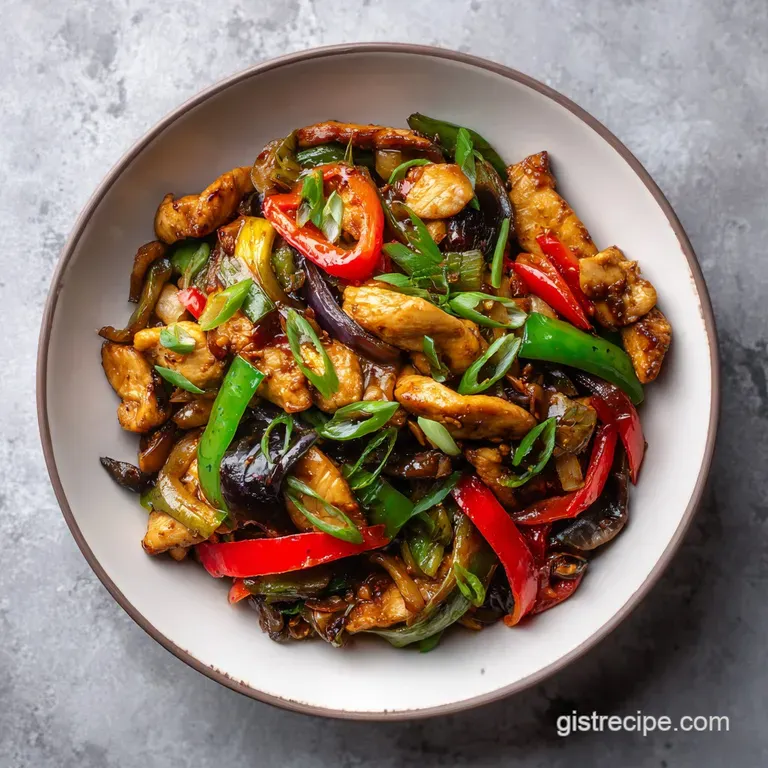
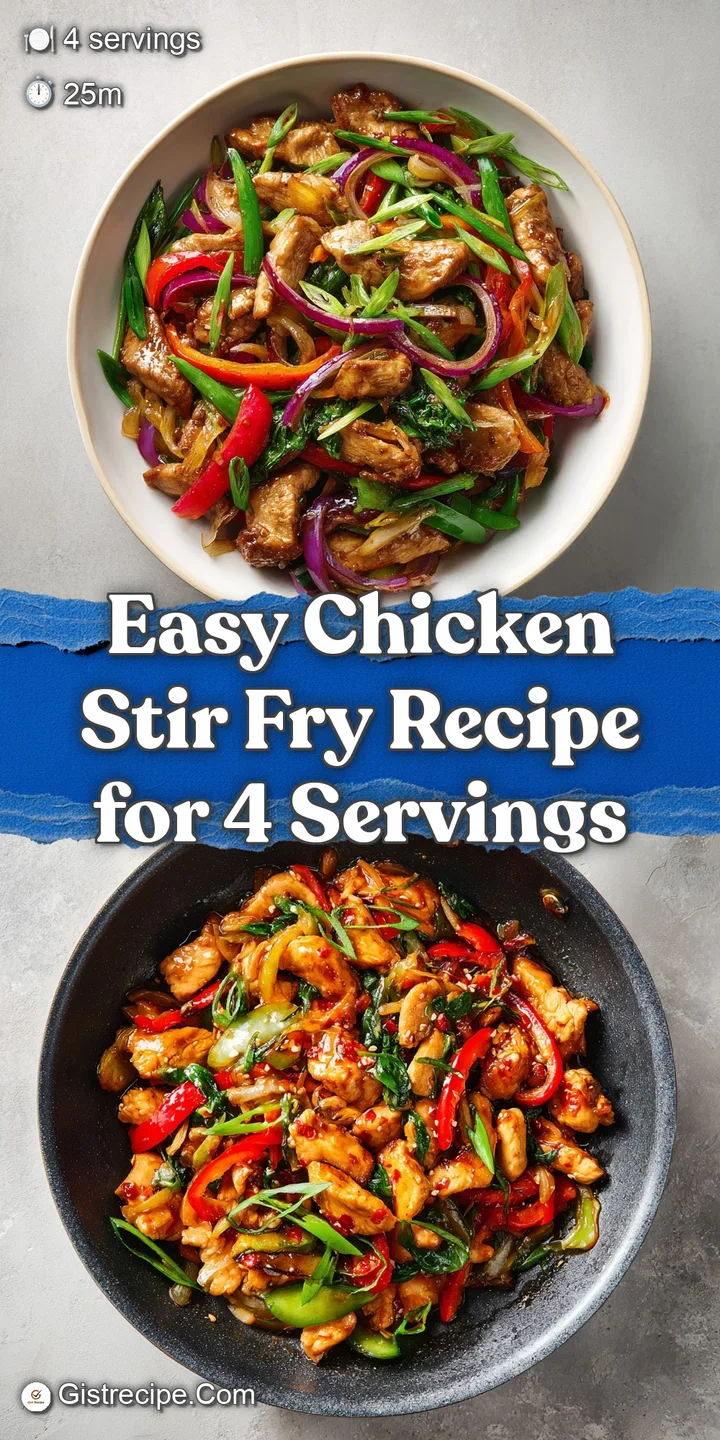
- Time: Active 15 minutes, Passive 10 minutes, Total 25 minutes
- Flavor/Texture Hook: Velvety chicken with a gingery, umami rich glaze
- Perfect for: Busy weeknight dinners and meal prep enthusiasts
- How to Make Better Chicken Stir Fry
- Why This Recipe Always Succeeds
- Essential Component Breakdown
- Sourcing Your Ingredients
- Essential Cooking Tools
- Step By Step Preparation
- Fixing Common Kitchen Errors
- Smart Swaps and Variations
- Misconceptions About High Heat
- Storing for Later Use
- Serving Suggestions and Pairings
- Very High in Sodium
- Recipe FAQs
- 📝 Recipe Card
How to Make Better Chicken Stir Fry
The first time I tried making this at home, it was a literal swamp. I tossed everything into a lukewarm pan at once, and instead of a sizzle, I got a sad, grey simmer. The chicken was rubbery, the peppers were mush, and the sauce looked like dishwater.
It took me a dozen tries and a lot of smoky kitchens to realize that heat management and a little cornstarch are the only things standing between you and a restaurant quality meal.
Now, when that oil hits the pan and starts to shimmer, I know exactly what to expect. There is a specific rhythm to it - the sharp pop of ginger hitting hot fat, the way the honey in the sauce begins to bubble and darken into a glossy lacquer, and that final "clink" of the spatula against the pan.
You want your kitchen to smell like toasted sesame and garlic, not like scorched soy sauce.
We are going to focus on a budget friendly approach that uses smart swaps to keep things affordable without losing that signature depth. You don't need a thousand dollar wok to do this right, just a heavy bottomed skillet and a bit of patience for batch cooking.
If you've ever struggled with dry meat or watery sauces, you'll find this routine quite comforting.
Why This Recipe Always Succeeds
- Velveting Technique: The cornstarch and soy sauce coating creates a physical barrier that prevents the protein fibers from tightening too fast and squeezing out moisture.
- Sequential Searing: Cooking the chicken first and then removing it allows the vegetables to hit a over high heat surface, ensuring they blister rather than steam.
- Emulsified Glaze: Whisking cornstarch directly into the cold sauce ingredients ensures it thickens evenly the moment it hits the hot pan, preventing lumps.
- Aromatic Infusion: Adding ginger and garlic to the oil at the very start seasons the entire dish from the fat up, rather than just sitting on the surface.
| Chicken Thickness | Internal Temp | Rest Time | Visual Cue |
|---|---|---|---|
| 1 inch pieces | 165°F (74°C) | 2 minutes | Opaque center, juice runs clear |
| 1.5 inch strips | 165°F (74°C) | 3 minutes | Slightly golden edges, firm touch |
| Hand shredded | 165°F (74°C) | 1 minute | No pink remaining in thickest part |
The timing of your protein is the most important part of this whole process. If you've mastered the sear here, you'll find it much easier to handle other quick cooking meals like my Chicken Tenderloin Recipe.
Essential Component Breakdown
| Ingredient | Science Role | Pro Secret |
|---|---|---|
| Cornstarch | Moisture Barrier | Use half in the marinade to tenderize and half in the sauce to thicken. |
| Fresh Ginger | Protease Enzyme | Grate it finely so the enzymes can break down tough proteins quickly. |
| Honey | Maillard Catalyst | The sugars caramelize at high heat, giving the sauce its deep, dark color. |
Sourcing Your Ingredients
- 1.5 lbs Chicken Breast: Sliced into 1 inch pieces. Why this? Lean protein that absorbs the marinade flavor quickly without adding excess fat.
- 1 tbsp Cornstarch (for marinade): Use this to coat the raw chicken. Why this? Essential for the velveting process to keep the meat silky.
- 1 tbsp Soy Sauce (Low sodium): For the marinade. Why this? Adds salt and color directly to the meat fibers.
- 1 tsp Toasted Sesame Oil: Mixed into the marinade. Why this? Provides a high smoke point flavor base that doesn't burn easily.
- 0.5 tsp White Pepper: For a subtle, earthy heat. Why this? Standard in stir fries for a cleaner flavor than black pepper.
- 0.5 cup Chicken Broth: The base of your sauce. Why this? Adds volume and savory depth without making it too salty.
- 0.25 cup Soy Sauce: For the main sauce. Why this? Provides the primary salt and umami profile for the glaze.
- 2 tbsp Honey: A natural sweetener. Why this? Balances the salt and helps the sauce stick to the ingredients.
- 1 tbsp Rice Vinegar: For a hit of acidity. Why this? Cuts through the richness of the honey and sesame oil.
- 1 tbsp Fresh Ginger: Grated finely. Why this? Offers a bright, zingy punch that dried ginger can't match.
- 3 cloves Garlic: Minced. Why this? The backbone of the aromatic profile for any stir fry.
- 1 tbsp Cornstarch (for sauce): To thicken the glaze. Why this? Creates that shiny, takeout style finish we all love.
- 2 cups Broccoli florets: Cut into small, bite sized pieces. Why this? The "trees" catch the sauce in their crowns perfectly.
- 1 Red Bell Pepper: Thinly sliced. Why this? Adds sweetness and a necessary pop of bright color.
- 1 cup Snap Peas or Carrots: Sliced thin. Why this? Provides a satisfying crunch and varied texture.
- 3 Green Onions: Sliced on the bias. Why this? Adds a fresh, sharp finish at the very end.
- 2 tbsp Neutral Oil: Avocado or Grapeseed oil. Why this? Can handle high heat without smoking or adding unwanted flavor.
| Original Ingredient | Substitute | Why It Works |
|---|---|---|
| Honey | Brown Sugar | Similar sweetness, but adds a slight molasses undertone. |
| Rice Vinegar | Apple Cider Vinegar | Provides the necessary acidity, though slightly fruitier. |
| Snap Peas | Green Beans | Similar crunch. Note: Needs 2 extra minutes of cooking time. |
Finding the right balance of vegetables is key to a hearty meal. If you like this veggie heavy approach, you might also enjoy the variety in my Mediterranean Ground Beef recipe, which focuses on quick seared garden staples.
Essential Cooking Tools
You don't need a specialized wok for this, though a carbon steel one is nice if you have it. A large, heavy stainless steel or cast iron skillet works just as well. The main thing is surface area; you want the ingredients to have enough room to touch the pan rather than stacking on top of each other.
A microplane or fine grater is your best friend for the ginger and garlic. It turns them into a paste that dissolves into the oil, ensuring you don't bite into a giant chunk of raw ginger. Also, keep a set of tongs or a wide spatula handy for moving things quickly. Speed is the secret to a great Chicken Stir Fry.
step-by-step Preparation
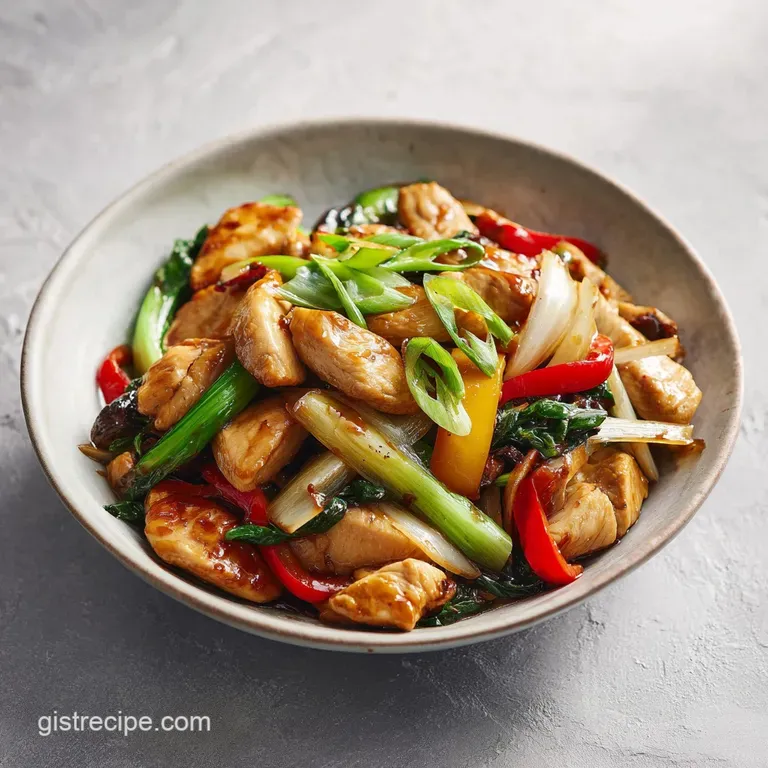
- Marinate the chicken. Mix the 1.5 lbs chicken breast with 1 tbsp cornstarch, 1 tbsp soy sauce, 1 tsp sesame oil, and 0.5 tsp white pepper. Note: Let this sit for 10 minutes to allow the cornstarch to create a protective coating.
- Whisk the sauce. Combine 0.5 cup chicken broth, 0.25 cup soy sauce, 2 tbsp honey, 1 tbsp rice vinegar, and 1 tbsp cornstarch in a small bowl. Note: Whisk until the cornstarch is completely dissolved to avoid lumps later.
- Heat the pan. Add 1 tbsp of neutral oil to your skillet over high heat until the oil shimmers and barely wisps smoke.
- Sear the protein. Add the chicken in a single layer and cook for 3 minutes until golden brown and mostly opaque.
- Remove and rest. Transfer the chicken to a plate. Note: It will finish cooking in the final step, so don't worry if it's slightly pink in the center.
- Blister the veggies. Wipe the pan, add the remaining 1 tbsp oil, and toss in 2 cups broccoli, 1 red bell pepper, and 1 cup carrots or snap peas. until they turn bright green and slightly charred.
- Add aromatics. Toss in 1 tbsp ginger and 3 cloves minced garlic, stirring for 30 seconds until the fragrance fills the kitchen.
- Deglaze and thicken. Pour the sauce mixture into the pan with the vegetables. until the liquid bubbles and turns translucent and thick.
- Combine and glaze. Return the chicken and any juices to the pan, tossing for 1 minute until every piece is coated in a velvety sheen.
- Garnish and serve. Remove from heat and sprinkle with 3 sliced green onions.
Chef's Tip: Freeze your ginger for 10 minutes before grating. It makes the fibers much firmer, allowing the grater to zip through it without creating a stringy mess.
Fixing Common Kitchen Errors
Why Your Chicken Is Rubbery
Usually, this happens because the pan wasn't hot enough or was too crowded. When the temperature drops, the chicken steams in its own juices instead of searing. This causes the proteins to contract slowly and toughen.
Always work in batches if your pan is small, and wait for that oil to shimmer before the meat hits the metal.
Why Your Sauce Is Watery
If your sauce won't thicken, it's likely the cornstarch settled at the bottom of the bowl before you poured it in. The starch needs heat to gelatinize, but it also needs to be suspended in the liquid.
Give the sauce one last vigorous whisk right before it hits the pan to ensure the thickening power is evenly distributed.
| Problem | Root Cause | Solution |
|---|---|---|
| Soggy Vegetables | Too much moisture | Don't salt the veggies until the very end; salt draws out water. |
| Burnt Garlic | Added too early | Add garlic and ginger only during the last 30 seconds of veg cooking. |
| Bland Flavor | Weak sauce base | Increase the rice vinegar or add a splash of fish sauce for depth. |
Common Mistakes Checklist ✓ Pat the chicken completely dry before adding the marinade to ensure the cornstarch sticks. ✓ Cut all your vegetables to a uniform size so they finish cooking at the same time.
✓ Do not walk away from the pan; stir fry requires constant movement once it starts. ✓ Use a neutral oil like avocado; olive oil has a flavor that clashes with sesame. ✓ Ensure the broccoli is dry; water on the florets will cause the oil to splatter and the veg to steam.
Smart Swaps and Variations
If you need to scale this recipe down for one or two people, reduce the ingredients by half. For the sauce, keep the ratios the same, but use a smaller skillet so the liquid doesn't evaporate too quickly. Stir fries move fast, so scaling down usually means you need to be even more vigilant about your cook times.
When scaling up for a crowd, do not double everything and throw it in the pan. Your stove likely can't generate enough heat to keep a double batch of cold chicken from dropping the pan temperature into the "danger zone." Instead, cook the chicken in three separate batches and the vegetables in two, then combine everything in a large bowl with the thickened sauce at the end.
| Method | Time | Texture | Best For |
|---|---|---|---|
| Stovetop | 10 minutes | Crispy and charred | Authentic flavor and speed |
| Oven (Sheet Pan) | 18 minutes | Soft and roasted | Hands off prep for large groups |
If you are looking for a more hands off approach with similar flavors, you might try a Broccoli Casserole recipe which uses a creamy sauce and baked textures instead of a flash sear.
The Physics of the Flash Sear
High heat causes the Maillard reaction, where proteins and sugars transform into hundreds of flavor compounds. If the pan temperature drops below 300°F (150°C), this reaction stops, and you lose that savory "wok hei" essence.
Misconceptions About High Heat
Many people believe that you must have a roaring flame and a thin wok to make a good stir fry. While that helps, the real key is thermal mass. A heavy cast iron skillet holds heat much better than a cheap thin pan, meaning when you add cold chicken, the pan stays hot enough to continue searing.
You don't need the fire of a thousand suns; you just need a pan that can hold onto the heat you give it.
Another myth is that you should "seal in the juices" by searing the meat. Searing doesn't actually create an impermeable barrier to moisture. Instead, it creates flavor. The reason the chicken stays juicy in this recipe isn't the sear itself, but the cornstarch marinade (velveting) which physically holds onto the water molecules inside the meat fibers as they heat up.
Storing for Later Use
This dish stays fresh in the fridge for up to 4 days in an airtight container. The sauce will thicken further as it cools, so when you go to reheat it, add a tablespoon of water or broth. This loosens the glaze back to its original velvety state.
Avoid using a microwave if possible; a quick toss in a hot skillet for 2 minutes will revive the snap of the vegetables much better.
For zero waste, don't toss the broccoli stems! Peel away the tough outer skin with a vegetable peeler, and you'll find a tender, sweet core. Slice these into matchsticks and toss them in with the peppers.
If you have leftover sauce, it makes an incredible base for a quick fried rice the next day just add an egg and some cold leftover grains.
Serving Suggestions and Pairings
The most classic pairing for this is a bowl of fluffy jasmine rice, which acts as a sponge for that gingery honey glaze. If you want something a bit more substantial, you can toss the finished stir fry directly with cooked lo mein or udon noodles during the final minute of cooking.
The cornstarch in the sauce will help it cling to the noodles beautifully.
If you are watching your carbs, this works remarkably well over cauliflower rice or even a bed of raw shredded cabbage. The heat of the stir fry will wilt the cabbage just enough to turn it into a makeshift noodle.
Regardless of what you serve it with, a final squeeze of fresh lime juice or a drizzle of chili oil can really brighten the deeper notes of the soy and honey.
Very High in Sodium
1340 mg mg of sodium per serving (58% of daily value)
The American Heart Association recommends limiting sodium intake to about 2,300mg per day for overall health.
Sodium Reduction Tips for This Recipe
-
Broth Swap-30%
Use no-sodium or low-sodium chicken broth. This simple swap can significantly cut down on the sodium content without sacrificing flavor.
-
Dilute Soy Sauce-20%
Even with low-sodium soy sauce, it contributes a lot. Dilute the 0.25 cup of soy sauce with an equal amount of water or no-sodium broth to reduce its impact.
-
Fresh Flavors
Enhance flavor with fresh herbs and spices instead of relying solely on salty ingredients. Try adding extra ginger, garlic, or a pinch of red pepper flakes.
-
Acidic Boost-10%
Increase the amount of rice vinegar or add a squeeze of lemon or lime juice. The acidity balances flavors and can reduce the need for saltiness.
-
Garlic Power-5%
Double the amount of fresh garlic to intensify the overall taste. Garlic adds complexity and richness, which can help compensate for reduced sodium.
-
Onion Boost-5%
Increase the amount of green onions or add diced yellow onion. A slight increase will add sweetness to compensate for the sodium you're cutting.
Recipe FAQs
What is the secret to good stir fry chicken?
Velveting the chicken with cornstarch. Coating the raw meat in cornstarch and a little soy sauce creates a barrier that prevents moisture loss during high heat searing.
How to prepare chicken for stir frying?
Slice the chicken into uniform 1 inch pieces, then marinate immediately. Mix the pieces with cornstarch, soy sauce, sesame oil, and white pepper, letting it rest for at least 10 minutes before cooking.
What is the secret of a good stir fry?
High, sustained heat and sequential cooking. Never overcrowd the pan; cook proteins and vegetables separately to ensure searing occurs instead of steaming, which keeps everything crisp and flavorful.
How to make a simple chicken stir fry?
Sear marinated chicken first, remove it, then rapidly cook your vegetables. Whisk your sauce ingredients (including cornstarch) and pour over the vegetables last, then return the chicken to glaze everything together.
Why does my chicken come out rubbery and dry?
The pan temperature dropped too low during cooking. When the pan is overloaded or not hot enough, the meat steams, causing the proteins to tighten and expel their internal moisture.
Is it true I must use a wok to achieve authentic flavor?
No, this is a common misconception. A heavy bottomed stainless steel or cast iron skillet that retains heat well works perfectly fine for achieving the necessary high temperature sear.
Can I cook the chicken in advance?
Yes, you can cook the chicken ahead of time, but reheat carefully. If you prefer a hands off method for similar flavor profiles, you could also try roasting using the same high heat principles found in our Split Chicken Breast recipe.
Silky Chicken Stir Fry In 25 Min
Ingredients:
Instructions:
Nutrition Facts:
| Calories | 448 kcal |
|---|---|
| Protein | 55.2 g |
| Fat | 14.2 g |
| Carbs | 22.6 g |
| Fiber | 3.8 g |
| Sugar | 11.8 g |
| Sodium | 1340 mg |
