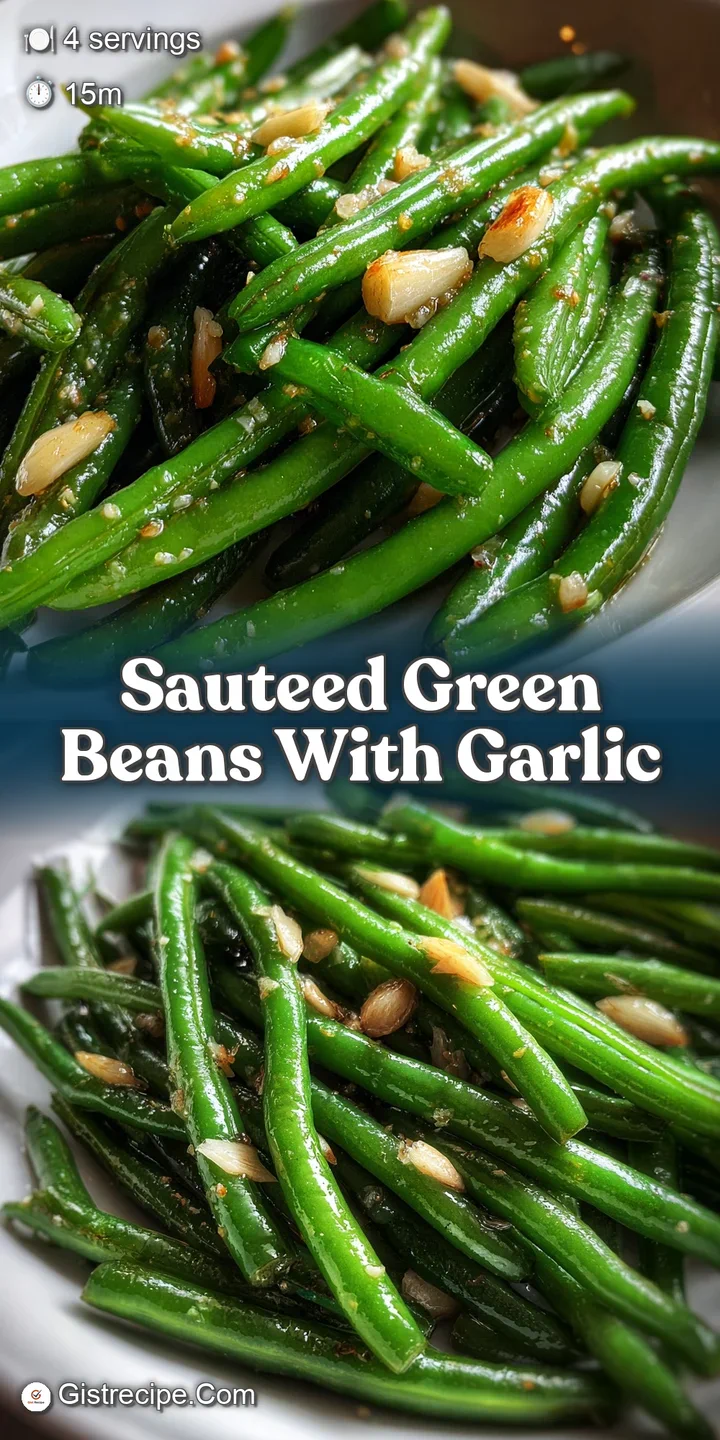
Sauteed Green Beans with Garlic
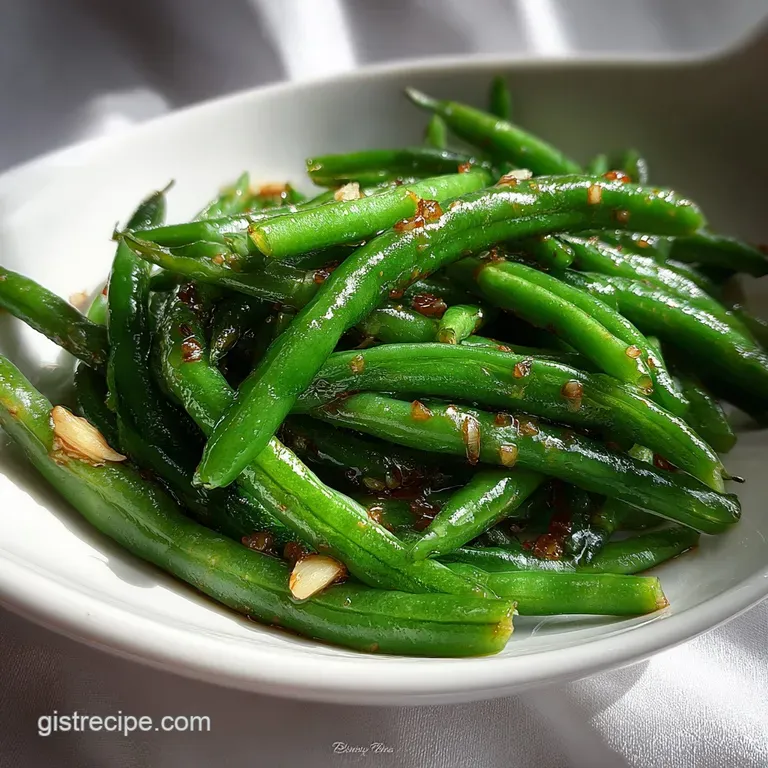
- Time: Active 10 minutes, Passive 5 minutes, Total 15 minutes
- Flavor/Texture Hook: Blistered skins with a garlicky, velvety finish
- Perfect for: Weeknight dinners and holiday spreads alike
- Vibrant Sauteed Green Beans with Garlic and Lemon
- The Science Behind That Snap Crisp Texture
- Essential Specifications for Your Side Dish
- Component Analysis for Peak Vibrancy
- The Alchemy of Selecting Your Elements
- Essential Tools for a Proper Sauté
- From Prep to Plate: The Sizzle Journey
- Pro Tips and Common Sauté Pitfalls
- Adjusting Quantities for Any Crowd Size
- Debunking Common Green Bean Legends
- Make-Ahead and Leftover Transformation Tips
- Vibrant Pairings for Your Garlicky Side
- Recipe FAQs
- 📝 Recipe Card
Vibrant Sauteed Green Beans with Garlic and Lemon
You know that depressing pile of olive drab, mushy beans often found at buffet lines? We are officially banishing them from your kitchen forever. My first attempt at this was a disaster, honestly. I overcrowded the pan and ended up with a sad, steamed mess that tasted more like grass than gourmet.
But then I discovered the "sizzle and steam" secret, and everything changed.
This recipe is about high heat, precision timing, and aromatics that make your neighbors knock on the door asking what is for dinner. We are looking for that specific "blistered" look - those little brown spots that signal deep flavor.
It is a total flavor transformation for a vegetable that often gets ignored or overcooked into oblivion.
We are moving fast here, so have your garlic sliced and your lemon ready to go. Once those beans hit the shimmering oil, it is a sensory rollercoaster of crackling sounds and intoxicating scents.
Trust me, the way the garlic slices turn golden in the butter is a kitchen moment you will want to repeat every single night. Let's get into how we make these beans actually stand out on the plate.
The Science Behind That Snap Crisp Texture
- Flash Gelatinization: High initial heat softens the outer cell walls quickly while keeping the interior structural proteins intact for a "snap."
- The Steam Sauté Hybrid: Adding a tiny splash of water creates localized steam that cooks the core without stripping away the vibrant green color.
- Aromatic Infusion: Fat soluble compounds in garlic bloom in the olive oil and butter, coating every bean in a velvety layer of flavor.
| Method | Time | Texture | Best For |
|---|---|---|---|
| Sauté (This Recipe) | 10 minutes | Snappy, charred | Peak flavor and visual appeal |
| Boiling/Blanching | 8 minutes | Soft, uniform | Large crowds and meal prep |
| Roasting | 20 minutes | Shriveled, sweet | Hands off prep for deep sweetness |
Understanding the "how" helps you control the "wow." When we hit the beans with high heat first, we are initiating the Maillard reaction on the skin. This creates those charred, savory bits that make the dish taste complex rather than just boiled.
The small amount of water then acts as a thermal conductor, finishing the inside of the bean in seconds so it stays bright green rather than turning that sad, gray brown color.
Essential Specifications for Your Side Dish
Before you grab your skillet, let's look at the logistics of this dish. This is a high speed recipe, so knowing your timing is half the battle. If you're planning a larger dinner, this is the last thing you should cook so it hits the table while the garlic is still fragrant and the beans are piping hot.
| Category | Specification | Visual/Sensory Cue |
|---|---|---|
| Bean Prep | 1 lb trimmed | Bone dry to the touch |
| Heat Level | Medium High | Oil should shimmer and "snake" in the pan |
| Searing Time | 4 minutes | Brown "freckles" appear on the skins |
| Steaming Time | 2 minutes | Vibrant, neon green color emerges |
Component Analysis for Peak Vibrancy
The magic of sauteed green beans with garlic lies in the quality of the ingredients and how they interact with the heat. We aren't just tossing things in a pan; we are layering flavors to ensure every bite has a balance of fat, salt, and acid.
| Ingredient | Science Role | Pro Secret |
|---|---|---|
| Fresh Green Beans | Structural Base | Keep them dry before the pan to ensure a sear, not a steam. |
| Sliced Garlic | Flavor Volatiles | Slicing instead of mincing prevents burning and provides nutty bites. |
| Lemon Juice | Brightness | Acid cuts through the butter and helps the chlorophyll stay bright. |
This dish is a fantastic companion to a hearty main course. Much like the technique used in my Slow Cooker Pot recipe, we want to balance rich, heavy flavors with something bright and snappy. It's that contrast that keeps your palate interested throughout the meal.
The Alchemy of Selecting Your Elements
- 1 lb fresh green beans, ends trimmed. Why this? Fresh beans contain the internal moisture needed for the steam finish. (Sub: Haricots verts for a more delicate bite)
- 1.5 tbsp extra virgin olive oil. Why this? High smoke point for the initial blister. (Sub: Avocado oil)
- 1 tbsp unsalted butter. Why this? Adds a velvety richness that oil alone lacks. (Sub: Ghee for higher heat cooking)
- 1 tbsp water. Why this? Provides the exact amount of steam needed to tenderize the core. (Sub: White wine for extra depth)
- 4 cloves fresh garlic, thinly sliced. Why this? Slices brown evenly without the bitterness of minced bits. (Sub: Garlic confit if you have it)
- 0.5 tsp kosher salt. Why this? Coarse grains draw out moisture and season the beans deeply. (Sub: Sea salt)
- 0.25 tsp freshly cracked black pepper. Why this? Provides a sharp, floral heat that lingers. (Sub: Red pepper flakes)
- 1 tbsp fresh lemon juice. Why this? Acts as a "flavor highlighter" for the whole dish. (Sub: White balsamic vinegar)
Essential Tools for a Proper Sauté
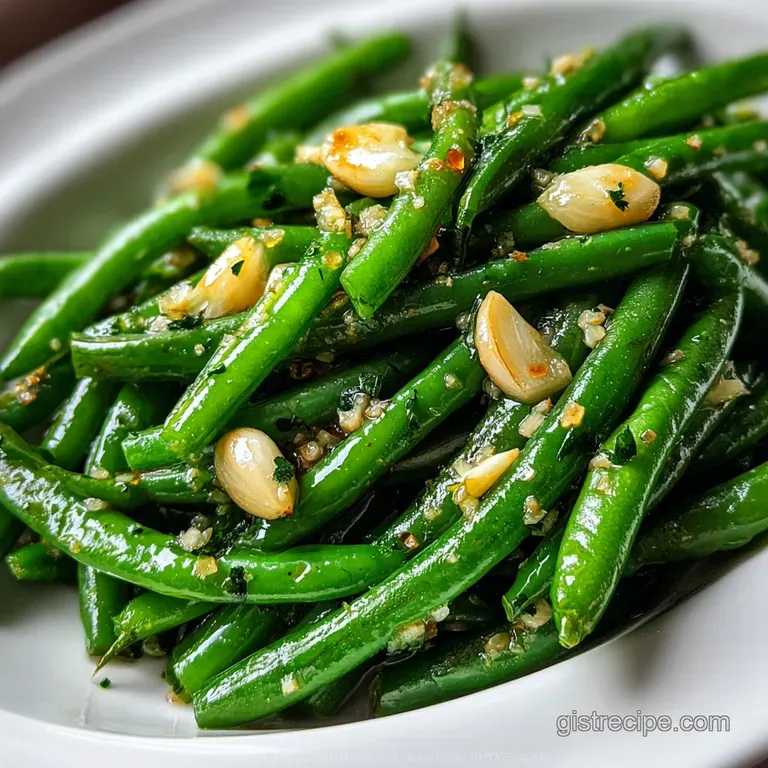
You really want a wide skillet for this, preferably cast iron or heavy stainless steel. Avoid those deep pots where steam gets trapped and ruins the crunch. A wide surface area ensures that every bean has its moment against the hot metal.
A good pair of tongs is also non negotiable for tossing those beans quickly without bruising them.
Chef's Tip: Freeze your butter for 10 minutes before adding it to the pan. This slows down the browning process, giving your garlic more time to toast perfectly without the butter solids burning.
From Prep to Plate: The Sizzle Journey
- Dry the beans thoroughly. Pat the 1 lb fresh green beans with a clean towel until they are completely moisture free. Note: Any water on the surface will cause the oil to pop and will prevent the skins from blistering properly.
- Heat the skillet. Add 1.5 tbsp extra virgin olive oil to a large pan over medium high heat until the oil shimmers and barely begins to smoke.
- Sauté the beans. Toss in the beans and cook for 3-5 minutes until they develop dark, blistered spots and the sizzle is loud and consistent.
- Initiate the steam. Pour in 1 tbsp water and immediately cover the pan with a tight fitting lid for 2 minutes.
- Check for snap. Remove the lid; the beans should be vibrant, neon green and offer a crisp tender resistance when bitten.
- Add the fats. Stir in 1 tbsp unsalted butter and move the beans to the edges, creating a clear space in the center.
- Toast the garlic. Add the 4 cloves of thinly sliced garlic into the melting butter until the aroma is sweet and the edges turn pale gold.
- Season the mix. Toss everything together with 0.5 tsp kosher salt and 0.25 tsp black pepper, coating every bean in the garlic butter.
- Finish with acid. Remove from heat and drizzle 1 tbsp fresh lemon juice over the top. The smell will be sharp and incredibly fresh.
- Serve immediately. Plate the beans while they are hot, glossy, and fragrant, making sure to scrape all the toasted garlic bits from the pan.
Pro Tips and Common Sauté Pitfalls
To Fix Soggy or Limp Beans
If your beans look dull and soft, you likely added the water too early or used a lid that did not fit properly. The goal is a over high heat blister first. If they are already soggy, there is no going back to that "shatter" crunch, but you can toss them with some toasted almonds to add a distracting texture.
To Prevent Bitter, Burnt Aromatics
Garlic is temperamental. If you add it at the start with the beans, it will be charcoal by the time the beans are cooked. That is why we wait until the very end. If your garlic does burn, wipe the pan out and start the garlic/butter step over. It is worth the two minute delay to avoid that acrid, bitter taste.
| Problem | Root Cause | Solution |
|---|---|---|
| Bitter taste | Garlic burnt | Add garlic only during the final 60 seconds of cooking. |
| Greasy beans | Oil was cold | Wait for the oil to shimmer before adding the vegetables. |
| Tough skins | Beans were old | Check for a "snap" when breaking a raw bean before buying. |
Common Mistakes Checklist
- ✓ Never crowd the pan; if the beans are stacked, they will steam rather than sauté.
- ✓ Wait for the oil to reach the shimmering stage before the beans touch the metal.
- ✓ Use fresh garlic only; the jarred stuff has a metallic aftertaste that ruins the dish.
- ✓ Pat the beans bone dry after washing to ensure the oil can actually sear the skin.
- ✓ Do not overcook after adding the lemon juice; the acid eventually turns green beans gray.
Adjusting Quantities for Any Crowd Size
Scaling this recipe is simple, but watch your pan space. If you are doubling it to 2 lbs of beans, you must work in two batches or use two separate skillets. If you pile them all in one, the temperature drops too fast, and you lose that "shatter" crunch.
For the garlic and seasonings, you can usually scale those 1:1, but go easy on the salt and adjust at the very end. If you are cooking for one, half an egg isn't needed here, but you should still use a full tablespoon of water to ensure there's enough liquid to create that necessary steam for the tenderizing phase.
| Original Ingredient | Substitute | Why It Works |
|---|---|---|
| Fresh Lemon Juice | Apple Cider Vinegar | Adds a fruity tang. Note: Lacks citrus aroma but provides necessary acidity. |
| Sliced Garlic | Garlic Powder | Provides even coating. Note: Lacks the buttery, nutty texture of fresh slices. |
| Kosher Salt | Soy Sauce | Adds deep umami. Note: Will darken the color of the beans significantly. |
Debunking Common Green Bean Legends
"Blanching is mandatory for bright green beans." Actually, the quick steam method in a hot pan preserves the color just as well as an ice bath, with half the cleanup. High heat followed by a hit of acid at the end are the real keys to keeping things vibrant.
"Adding salt to the pan tenderizes the beans." While it seasons them, the real tenderizing happens through the heat breaking down the pectin. In a sauté, salting at the very end prevents the beans from releasing too much water too early, which keeps them from getting mushy in the pan.
make-ahead and Leftover Transformation Tips
Store any leftovers in an airtight container in the fridge for up to 3 days. When reheating, skip the microwave as it turns them into rubber. Instead, toss them back into a hot skillet for 2 minutes with a tiny dot of butter to revive that glossy finish and snappy texture.
For zero waste, do not toss those trimmed bean ends! If you have a bag in the freezer for veggie stock, throw them in there. Also, if you have leftover garlicky beans, chop them up and fold them into a morning frittata or a cold grain salad. They add a fantastic punch to a Baked Salmon in recipe the next day.
Vibrant Pairings for Your Garlicky Side
These beans are a superstar side for roasted chicken or a pan seared steak. Because they have that hit of lemon and garlic, they cut through the richness of heavier proteins beautifully. I also love serving them alongside a creamy pasta dish to add some much needed texture and color to the table.
If you're looking to turn this into a full meal, toss the finished beans with some toasted walnuts and a sprinkle of feta cheese. The warmth of the beans slightly softens the cheese, creating a makeshift sauce that is absolutely incredible.
No matter how you serve them, the key is that initial over high heat blister once you master that, you'll never go back to plain boiled beans again.
Recipe FAQs
What is the best seasoning for sautéed green beans?
Garlic, salt, and pepper are key. Freshly sliced garlic browned in butter and oil, seasoned with kosher salt and freshly cracked black pepper, provides a fantastic flavor base.
Do you have to boil green beans before sauteing them?
No, boiling is not necessary. Sautéing them directly in a hot pan with a quick steam finish locks in more flavor and results in a better texture.
How do you saute green beans with minced garlic?
Toast sliced garlic in the final butter addition. Sauté the beans first until blistered, then add butter and thinly sliced garlic, toasting them for about 60 seconds until golden.
Why do restaurant green beans taste so good?
High heat searing and aromatic fats are the secret. Restaurants often use high heat to blister the beans, then finish them with butter, garlic, and sometimes a touch of acid for brightness.
What is the best oil for sauteing green beans?
Use an oil with a high smoke point for searing. Extra virgin olive oil is excellent for its flavor and ability to handle medium high heat, though avocado oil or grapeseed oil also work well.
Can I use frozen green beans for sauteing?
Fresh beans are highly recommended for best results. Frozen beans release excess moisture when cooked, leading to a steamed rather than sautéed texture and less vibrant color.
What's the secret to crispy sauteed green beans?
Dry beans and high initial heat are crucial. Ensure beans are completely dry after washing, and sauté them in a very hot pan without crowding, allowing them to blister and develop a slight char.
Sauteed Green Beans Garlic
Ingredients:
Instructions:
Nutrition Facts:
| Calories | 111 kcal |
|---|---|
| Protein | 2.3 g |
| Fat | 8.3 g |
| Carbs | 9.2 g |
| Fiber | 3.1 g |
| Sugar | 3.4 g |
| Sodium | 293 mg |
