Sausage Leek and Potato Hash Recipe
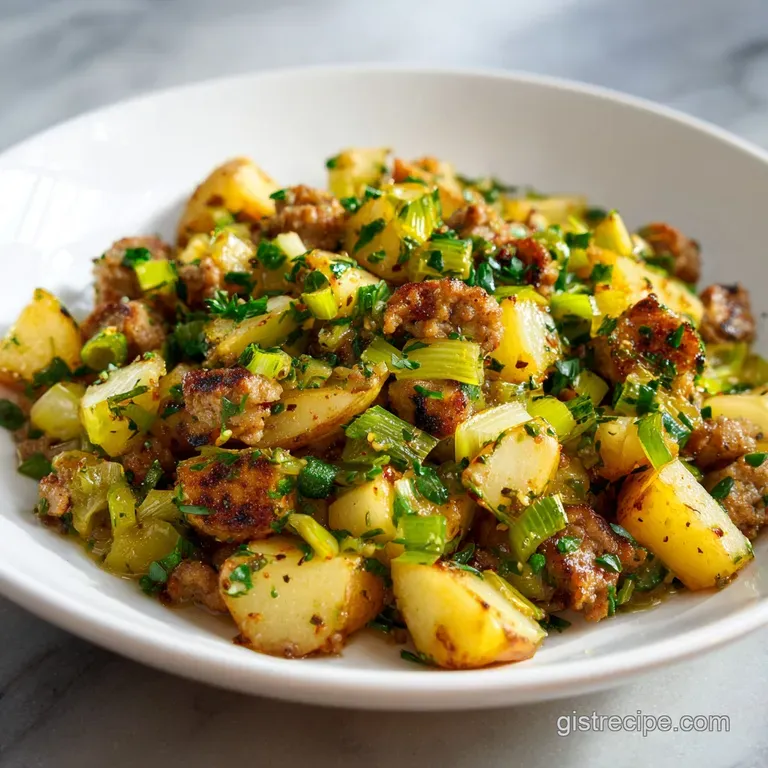
- Time: Active 15 minutes, Passive 25 minutes, Total 40 minutes
- Flavor/Texture Hook: Shatter crisp potatoes with zesty mustard punch
- Perfect for: Lazy weekend brunches or a reliable weeknight dinner
- Reasons This One Pan Skillet Works
- Performance Metrics for This Hash
- Selecting the Best Quality Ingredients
- Minimal Tools for Best Results
- Foolproof Steps for Crispy Success
- Troubleshooting Your Potato Hash
- Creative Variations to Try
- Storage and Reheating Tips
- Plating for a Family Meal
- High in Sodium
- Sausage Leek and Potato Hash Recipe FAQs
- 📝 Recipe Card
Reasons This One Pan Skillet Works
- Starch Retrogradation: Cooling or par cooking the potatoes allows the starches to stabilize, which means they hold their shape better and develop a thicker, crispier crust when they finally hit the hot fat.
- Lipid Emulsification: The combination of rendered sausage fat and unsalted butter creates a complex fat profile that coats the leeks, preventing them from drying out while they caramelize.
- Acidic Balance: The 1 tbsp of apple cider vinegar and the dual mustard glaze provide a necessary chemical "cut" through the heavy fats, brightening the overall flavor profile.
- The Maillard Reaction: By removing the sausage casings and breaking the meat into small pieces, we maximize the surface area for browning, creating deep savory notes that salt alone cannot provide.
| Method | Time | Texture | Best For |
|---|---|---|---|
| Cast Iron Skillet | 25 minutes | Ultra crispy edges | Maximum flavor development |
| Non Stick Pan | 20 minutes | Softer, even browning | Beginners or quick cleanup |
| Sheet Pan Bake | 35 minutes | Uniformly roasted | Cooking for large groups |
Choosing the right method depends entirely on your morning vibe. If you want that deep, dark mahogany crust on your 1 lb of Yukon Gold potatoes, go with the cast iron. It retains heat like a champion and allows the 1 lb of sausage to sear rather than steam.
Performance Metrics for This Hash
When we talk about a reliable meal, we need to understand what each component brings to the table. It’s not just about throwing things in a pan; it’s about the chemistry of the ingredients interacting under heat.
We use a mix of grainy and smooth Dijon mustard specifically to provide both texture and a consistent flavor distribution across the potatoes.
| Component | Science Role | Pro Secret |
|---|---|---|
| Yukon Gold Potatoes | High starch to sugar ratio | Don't peel them; the skin adds structural integrity and extra crunch. |
| Leeks | Sulfur compounds for sweetness | Only use the white and light green parts to avoid a woody, fibrous texture. |
| Dijon Mustard | Natural emulsifier | Grainy mustard adds "pops" of heat, while smooth mustard coats every crevice. |
The apple cider vinegar is the unsung hero here. It doesn't just add tang; it actually helps the potatoes maintain their structure by strengthening the pectin in the cell walls. This is why our hash doesn't turn into mashed potatoes in the pan.
Selecting the Best Quality Ingredients
For a truly comforting meal, you need to start with the right building blocks. Trust me, I’ve tried using Russet potatoes, and they just crumble into sadness. Yukon Golds are the only way to go because they have a naturally buttery flavor and a waxy texture that withstands the over high heat sizzle.
- 1 lb Yukon Gold potatoes: Cut these into 1/2 inch cubes. Keeping them uniform is the only way to ensure they all finish at the same time.
- 1 lb Italian sausage or Bratwurst: Remove the casings. This is non negotiable for getting that perfect crumble.
- 2 large leeks: Clean these meticulously. Dirt loves to hide in those layers.
- 2 tbsp grainy Dijon mustard: This provides the texture and a classic "London pub" feel.
- 1 tbsp smooth Dijon mustard: This is for the "sauce" factor that binds the flavors. Why this? The smooth mustard acts as a bridge between the fat and the vinegar.
- 1 tbsp apple cider vinegar: Essential for cutting the richness of the 1 lb of sausage.
- 1 tsp fresh thyme leaves: Fresh is always better than dried here; it adds a floral note that lifts the leeks.
- 2 tbsp unsalted butter: We use unsalted to control the seasoning ourselves.
- 0.5 tsp kosher salt & 0.5 tsp black pepper: Simple, classic seasoning.
- 4 large eggs: These are optional, but a runny yolk acting as a sauce is a game changer.
If you can't find Yukon Golds, red potatoes are a decent backup, but avoid starchy bakers. For the sausage, a spicy Italian variety adds a nice kick if you're into that. Similar to the way we balance flavors in a Homemade Sausage Gravy recipe, the fat content here is what carries the spice and herbs to your palate.
Minimal Tools for Best Results
You don't need a kitchen full of gadgets to make a world class Potato Hash Recipe with Dijon Mustard. In fact, fewer tools often mean you're more focused on the heat of the pan, which is where the magic happens. A heavy skillet is your best friend here.
- 12 inch Cast Iron Skillet: The weight and heat retention are vital for that deep sear.
- Sharp Chef’s Knife: Necessary for getting those 1/2 inch potato cubes exactly right.
- Large Bowl: To clean the sliced leeks (they need a good soak).
- Sturdy Spatula: A metal one is best for scraping up those "fond" bits (the brown bits) from the bottom of the pan.
Foolproof Steps for Crispy Success
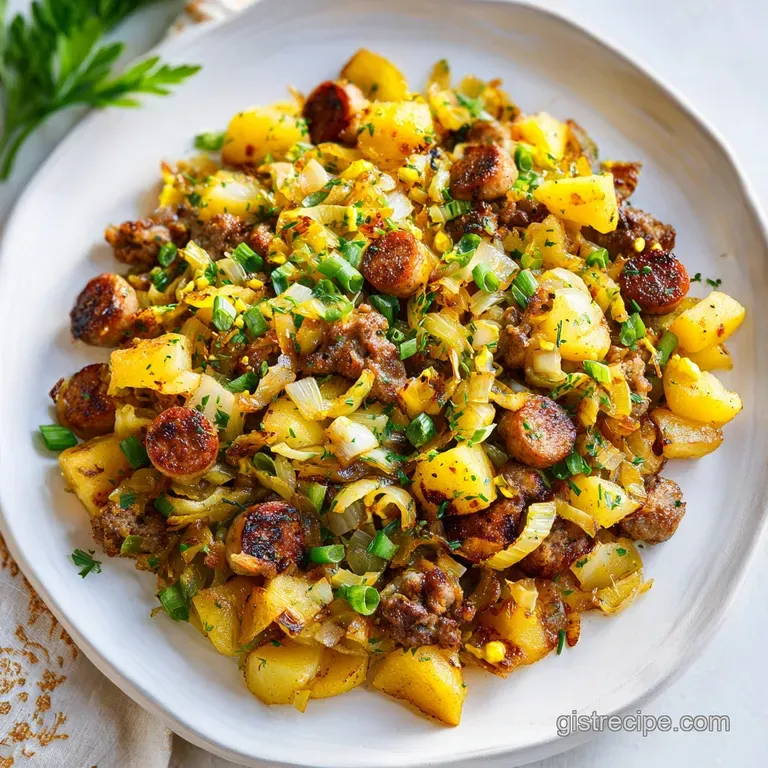
Phase 1: Prepping Everything
Clean the 2 large leeks by slicing them into half moons first, then submerging them in a bowl of cold water. Give them a good swish and let the dirt settle at the bottom. Lift the leeks out rather than pouring the water out this keeps the grit from falling back onto your clean vegetables.
Pat them very dry with a kitchen towel.
Phase 2: Building the Crust
Place the 1 lb of cubed Yukon Gold potatoes in a skillet with a splash of water and a pinch of salt. Cover and steam for 5 minutes until just fork tender but not falling apart. Remove the potatoes and wipe the skillet dry.
Note: This shortcut ensures the insides are cooked perfectly while we focus on the exterior later.
Phase 3: The Fusion
Brown the 1 lb of sausage in the skillet over medium high heat. Break it up with your spatula and cook until no longer pink and starting to crisp. Remove the meat with a slotted spoon, leaving the glorious rendered fat in the pan. If there isn't enough fat, add the 2 tbsp of unsalted butter now.
- Sizzle the potatoes. Add the par cooked potatoes to the hot sausage fat. Note: Spread them in a single layer and leave them alone for 3 to 4 minutes.
- Flip for crunch. Toss the potatoes once they have a golden crust. Note: This mimics the texture found in a Crispy Roasted Potatoes recipe.
- Soften the leeks. Add the cleaned leeks and 1 tsp thyme to the pan. Cook 5 minutes until leeks are translucent and sweet smelling.
- Reincorporate the meat. Stir the browned sausage back into the mixture.
- Whisk the glaze. In a small jar, shake together the 2 tbsp grainy mustard, 1 tbsp smooth mustard, and 1 tbsp apple cider vinegar.
- Glaze the hash. Pour the mustard mixture over the pan. Note: It will sizzle and steam, which is exactly what we want to deglaze the pan.
- Season well. Add the 0.5 tsp salt and 0.5 tsp black pepper.
- The final sear. Turn the heat up for the last 2 minutes until the mustard starts to caramelize on the potato edges.
- Fry the eggs. In a separate small pan (or by making wells in the hash), fry the 4 large eggs.
- Combine and serve. Place the eggs on top and serve immediately.
Troubleshooting Your Potato Hash
One of the most common mistakes is crowding the pan. If you put too many potatoes in at once, they will steam each other instead of searing. If you're doubling the recipe, work in batches.
It takes a few extra minutes, but the difference between a "shatter crisp" potato and a mushy one is entirely dependent on that space in the skillet.
Fixing Mushy or Soft Potatoes
If your potatoes are looking soft, it's usually because the heat was too low or the pan was too full. The steam gets trapped under the layer of food and softens the crust you worked so hard to build.
| Problem | Root Cause | Solution |
|---|---|---|
| Soggy Potatoes | Too much moisture in the pan | Drain leeks thoroughly and don't cover the pan during the browning phase. |
| Burnt Leeks | Added too early in the process | Always add leeks after the potatoes have already started to develop a crust. |
| Dry Sausage | Lean meat used or overcooked | Use high fat Italian sausage and remove it from the pan once browned. |
Don't be afraid of high heat, but stay alert. Leeks can go from sweet and caramelized to bitter and burnt in about thirty seconds. If the pan looks too dry, don't hesitate to add an extra teaspoon of butter fat is flavor, after all.
Common Mistakes Checklist
- ✓ Never skip the par cooking step for the potatoes; it’s the secret to a soft interior.
- ✓ Ensure the leeks are bone dry before adding them to the pan to prevent steaming.
- ✓ Don't stir the potatoes constantly they need contact with the pan to brown.
- ✓ Use a heavy skillet like cast iron to maintain a consistent cooking temperature.
- ✓ Season with salt at the very end to prevent the potatoes from releasing moisture too early.
Creative Variations to Try
While the Sausage Leek and Potato Hash Recipe with Dijon Mustard is a classic as is, you can easily pivot based on what's in your fridge. I often swap the sausage for thick cut bacon if I’m in the mood for something smokier.
If you go the bacon route, just be sure to drain some of the excess grease so the potatoes don't end up swimming in oil.
- The "London Pub" Twist: Use a spicy English mustard instead of Dijon and add a splash of dark ale during the deglazing phase.
- The Spicy Vegan Swap: Replace the sausage with a soy based chorizo and use olive oil instead of butter.
- Sweet Potato Version: Use 1 lb of sweet potatoes instead of Yukon Golds. Note: These cook faster and burn easier due to higher sugar content.
If you want...
- Extra Heat: Add 1/2 tsp of red pepper flakes with the thyme.
- More Greens: Stir in two handfuls of fresh spinach at the very end until just wilted.
- Cheesy Goodness: Top with 1/2 cup of shredded sharp white cheddar and broil for 2 minutes.
Storage and Reheating Tips
Leftover Hash Recipe with Dijon Mustard is actually a fantastic lunch the next day. The flavors have a chance to meld even further in the fridge. However, potatoes never quite regain that "shatter crisp" texture in the microwave.
Storage: Keep leftovers in an airtight container in the fridge for up to 4 days. I don't recommend freezing this dish, as the potatoes will become mealy and the leeks will turn to mush upon thawing.
Reheating: For the best results, toss the leftovers back into a hot, lightly oiled skillet for 5 minutes. This will revive the crispy edges. If you must use a microwave, cover it with a damp paper towel to keep the potatoes from drying out, but be prepared for a softer texture.
Zero Waste Tip: Don't throw away the dark green tops of your leeks! While they are too tough for this hash, you can wash them and freeze them in a bag to make a phenomenal vegetable stock later. The same goes for any potato scraps if you choose to peel them.
Plating for a Family Meal
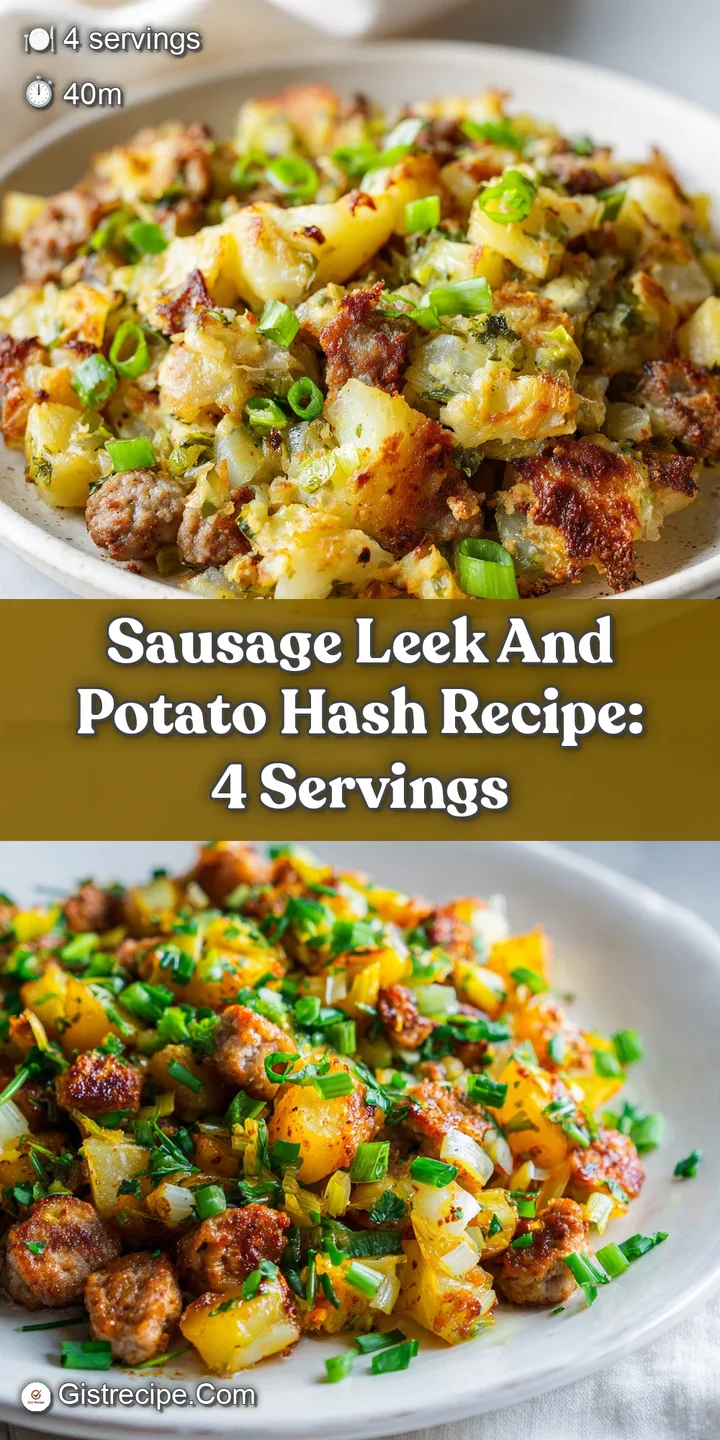
Presentation matters, even for a rustic skillet meal. I like to serve this right in the cast iron pan it keeps the food hot and looks effortlessly cool on the table. It’s that "better than dining out" aesthetic that makes a weekend breakfast feel special.
Adding the Greenery
Finish the dish with a heavy sprinkle of fresh herbs. While we used thyme in the cooking, a bit of fresh parsley or chives right before serving adds a pop of color and a fresh bite that contrasts with the deep, savory notes of the sausage.
The "Better" Dining Aesthetic
If you're serving this to guests, don't just plop the eggs on top. Use a spoon to create four little "nests" in the hash, crack the eggs directly into them, and cover the pan for 2 to 3 minutes until the whites are set but the yolks are still liquid gold.
When you break those yolks at the table, they run down into the mustard glaze and create a rich, velvety sauce that is absolutely incredible. Trust me, your friends will be asking for the recipe before they've even finished their first plate.
High in Sodium
1045 mg of sodium per serving (45% of daily value)
American Heart Association recommendation about 2,300mg limit
Tips to Reduce Sodium
-
Choose Low-Sodium Sausage-25%
Select a low-sodium Italian sausage or Bratwurst, which can significantly reduce the sodium content. Look for options with at least 25% less sodium than the regular variety.
-
Reduce Added Salt-25%
Halve the amount of kosher salt added to the recipe, or eliminate it altogether. Taste and adjust after cooking, as other ingredients contribute sodium as well. You could also substitute kosher salt with a lower sodium salt.
-
Use Unsalted Butter-10%
Ensure you're using unsalted butter. Even a small amount of salt in butter can add to the overall sodium content.
-
Enhance Flavor with Herbs & Spices
Use a variety of fresh or dried herbs and spices to boost flavor without adding sodium. Consider adding a pinch of smoked paprika for depth.
Sausage Leek and Potato Hash Recipe FAQs
Can I substitute Russet potatoes for Yukon Golds in this hash?
No, stick to waxy potatoes like Yukon Golds or Red Potatoes. Russets have a high starch content which causes them to break down and become mushy when pan-fried this way.
How to ensure the potatoes get crispy instead of steaming?
Par cook them first, then use high heat in a single layer. Steaming them briefly ensures the interior is cooked, allowing the final high heat sear to focus only on developing the crust.
How to make the mustard glaze stick properly to the potatoes?
Whisk the vinegars and mustards thoroughly before pouring them in. The acid cuts through the rendered sausage fat, creating a light emulsion that clings evenly when it rapidly reduces and caramelizes.
Is it necessary to remove the sausage casings before cooking?
Yes, removing the casings is critical for texture. Leaving them on prevents the sausage meat from breaking up and achieving the necessary surface area for proper browning and crisping.
What is the purpose of adding apple cider vinegar to this rich hash?
It provides necessary acidity to balance the fat. The vinegar acts as a flavor counterpoint, cutting through the richness of the sausage fat and brightening the overall profile, much like acid balances richness in a well made sauce.
How do I prevent the leeks from turning bitter during cooking?
Add the cleaned leeks only after the potatoes have browned slightly. They should be sautéed until just translucent; adding them too early or cooking them too long over high heat will cause their sulfur compounds to turn harsh.
Can I prepare the potatoes and leeks the day before for a faster breakfast?
Yes, you can prep both components up to 24 hours ahead. Cube and soak the potatoes in cold water, and thoroughly clean the leeks; pat everything completely dry right before the par-cooking step.
Sausage Leek Potato Hash

Ingredients:
Instructions:
Nutrition Facts:
| Calories | 568 kcal |
|---|---|
| Protein | 19.2 g |
| Fat | 41.2 g |
| Carbs | 27.4 g |
| Fiber | 3.6 g |
| Sugar | 4.1 g |
| Sodium | 1045 mg |
