Parmesan Herb Roasted Acorn Squash
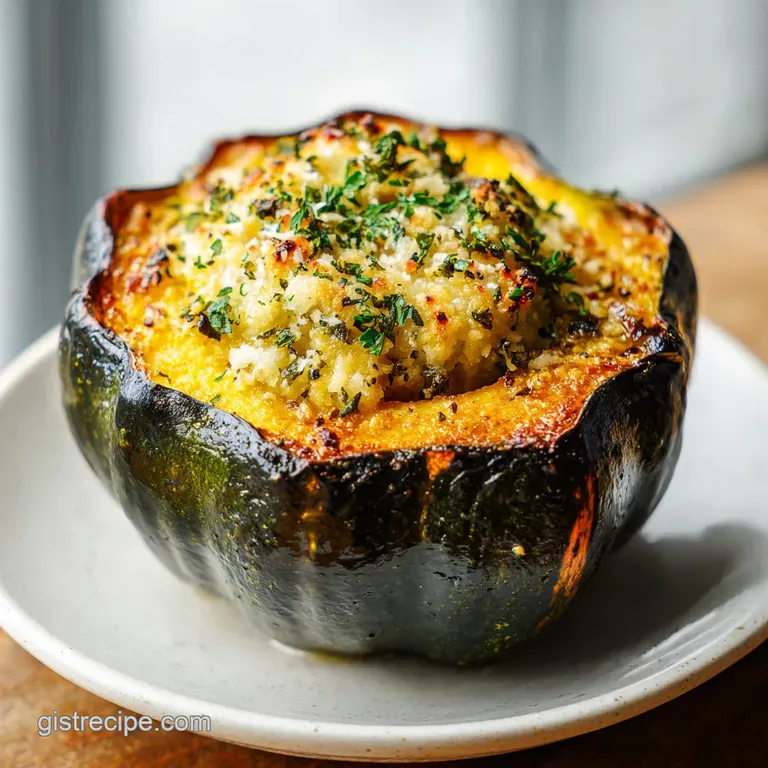
- Time: Active 15 minutes, Passive 25 minutes, Total 40 minutes
- Flavor/Texture Hook: Shattering parmesan crust with buttery, herb infused flesh
- Perfect for: Vibrant weeknight side or a festive holiday spread
- Master the Parmesan Herb Roasted Acorn Squash
- Precision Metrics for Roasting Success
- Ingredient Deep Dive for Peak Flavor
- Selection of Vibrant Pantry Elements
- Essential Gear for Crispy Textures
- Execution of the Golden Roast
- Value Comparison Against Restaurant Sides
- Solving Common Roasting Obstacles
- Flavor Tweaks and Ingredient Swaps
- Storage Guidelines and Waste Reduction
- Vibrant Pairings for Main Courses
- Recipe FAQs
- 📝 Recipe Card
Master the Parmesan Herb Roasted Acorn Squash
The kitchen transformed the moment that tray hit the oven. You know that specific aroma? It’s the scent of dried rosemary and thyme hitting 400°F oil, instantly filling the room with a woody, savory perfume that makes everyone wander into the kitchen asking, "When is dinner?" I used to treat acorn squash like a dessert, drowning it in brown sugar and butter until it was a mushy, sweet mess.
But then I tried this savory route, and frankly, I’ve never looked back.
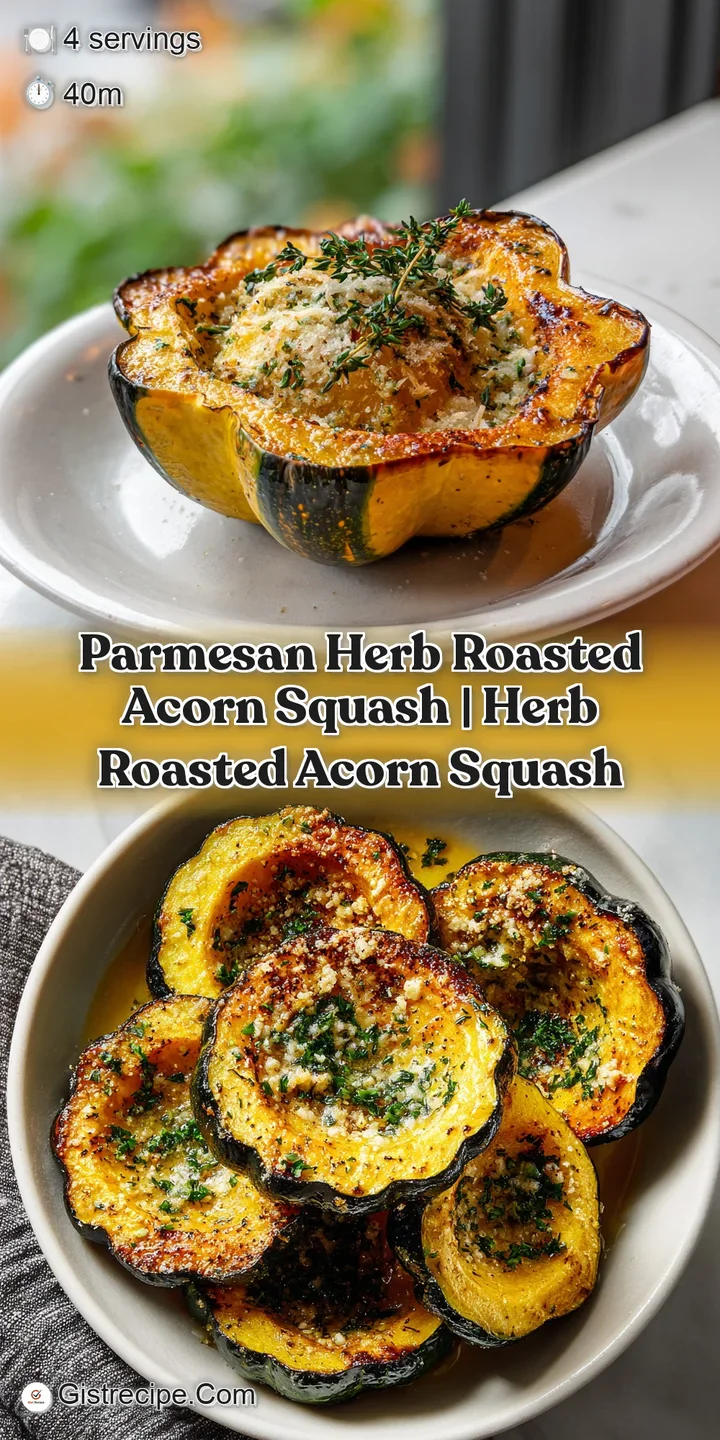
There is something hypnotic about the way the Parmigiano Reggiano melts into the panko breadcrumbs, forming a golden, lacy lattice over the ridges of the squash. It’s a contrast of textures that shouldn't work but does - the skin softens just enough to bite through, the flesh becomes almost custard like, and the top layer provides a salty, herbaceous crunch that is genuinely addictive.
This isn't just another side dish; it’s the kind of tray you find yourself picking at before it even hits the table.
We are going for bold, vibrant flavors here. No bland, watery vegetables on my watch. We're using a microplaned garlic paste and a blend of three dried herbs to create a concentrated flavor base that stands up to the natural nuttiness of the squash.
Trust me, once you hear that first crunch of the crust, you'll understand why this savory version is the only way I cook these green and orange globes anymore.
Precision Metrics for Roasting Success
Maillard Mastery: High heat (400°F) triggers the reaction between amino acids and reducing sugars, creating that deep savory flavor profile.
Moisture Management: Slicing into half moons increases the surface area to volume ratio, allowing water to evaporate quickly so the squash roasts rather than steams.
Fat Soluble Infusion: The essential oils in dried rosemary and thyme are fat soluble; mixing them with olive oil first ensures the flavor penetrates the squash flesh during the entire cook time.
| Method | Time | Texture | Best For |
|---|---|---|---|
| High Heat Roast | 25 minutes | Crispy crust, soft center | Maximum flavor and speed |
| Low Heat Bake | 45 minutes | Uniformly soft, no crust | Soups or purees |
| Air Fryer | 15 minutes | Extra crunchy edges | Small batches/quick lunches |
The choice of method depends entirely on your desired outcome. For this parmesan herb roasted acorn squash recipe, the high heat roast is non negotiable because it creates the structural integrity needed to support the heavy herb and cheese coating.
Ingredient Deep Dive for Peak Flavor
| Ingredient | Science Role | Pro Secret |
|---|---|---|
| Acorn Squash | Structure/Base | Leave the skin on; it holds the wedge together and adds fiber. |
| Parmigiano Reggiano | Umami/Salt | Grate it fresh from the block to avoid anti caking agents that prevent melting. |
| Panko Breadcrumbs | Moisture Absorption | These large flakes create more "peaks" for the cheese to cling to, maximizing crunch. |
| Microplaned Garlic | Flavor Distribution | Turning garlic into a paste ensures every inch of the squash is infused without burnt chunks. |
Choosing the right squash is the first step toward success. Look for one that feels heavy for its size with a dull skin shiny skin usually means it was picked too early. A splash of orange on the bottom is a great sign of ripeness, but too much orange can mean the squash is overripe and might be stringy.
Selection of Vibrant Pantry Elements
- 2 medium Acorn Squashes: Approximately 2 lbs total. Why this? Their natural ridges create "pockets" that catch the parmesan and herb mixture beautifully.
- Substitute: Butternut squash slices (peeled) or Delicata squash (same texture).
- 3 tbsp Extra Virgin Olive Oil: Use a high-quality oil.
- Substitute: Avocado oil if you prefer a higher smoke point.
- 1 tsp Sea salt: Fine grain works best for even coverage.
- Substitute: Kosher salt (use 1.5 tsp).
- 1/2 tsp Freshly cracked black pepper: Essential for a bite.
- Substitute: White pepper for a more floral, hidden heat.
- 3 cloves Garlic: Microplaned into a paste.
- Substitute: 1 tsp garlic powder (though fresh is significantly better here).
- 1 tsp Dried Thyme: Provides an earthy backbone.
- Substitute: Dried sage for a more "thanksgiving" vibe.
- 1 tsp Dried Rosemary: Crushed between your palms.
- Substitute: Fresh rosemary (use 1 tbsp, finely chopped).
- 1/2 tsp Dried Oregano: Adds a Mediterranean floral note.
- Substitute: Dried Marjoram for a sweeter edge.
- 1/2 cup Parmigiano Reggiano: Finely grated and divided.
- Substitute: Pecorino Romano for a saltier, funkier punch.
- 1/4 cup Panko breadcrumbs: The secret to the "shatter."
- Substitute: Crushed pork rinds for a keto friendly alternative.
- 1 tbsp Fresh parsley: Finely chopped for the finish.
- Substitute: Fresh chives for a mild onion zip.
Chef Tip: Freeze your wedge of Parmigiano Reggiano for 10 minutes before grating. This makes it firmer and prevents it from clumping, giving you those tiny, snowy shards that melt perfectly over the squash.
Essential Gear for Crispy Textures
To get that vibrant, golden result, you need the right tools. A heavy duty half sheet pan (18x13 inches) is vital. Thin pans warp under high heat, leading to uneven roasting where some wedges burn while others stay pale.
I also highly recommend using a microplane for the garlic; it turns the cloves into a slurry that emulsifies with the oil, ensuring no one bites into a bitter, half cooked garlic chunk.
A sharp chef’s knife is also non negotiable. Acorn squash skin is notoriously tough. If you feel like you're struggling, wrap the squash in a damp paper towel and microwave it for 60 seconds first. This softens the exterior just enough to let the knife glide through without the risk of slipping.
Execution of the Golden Roast
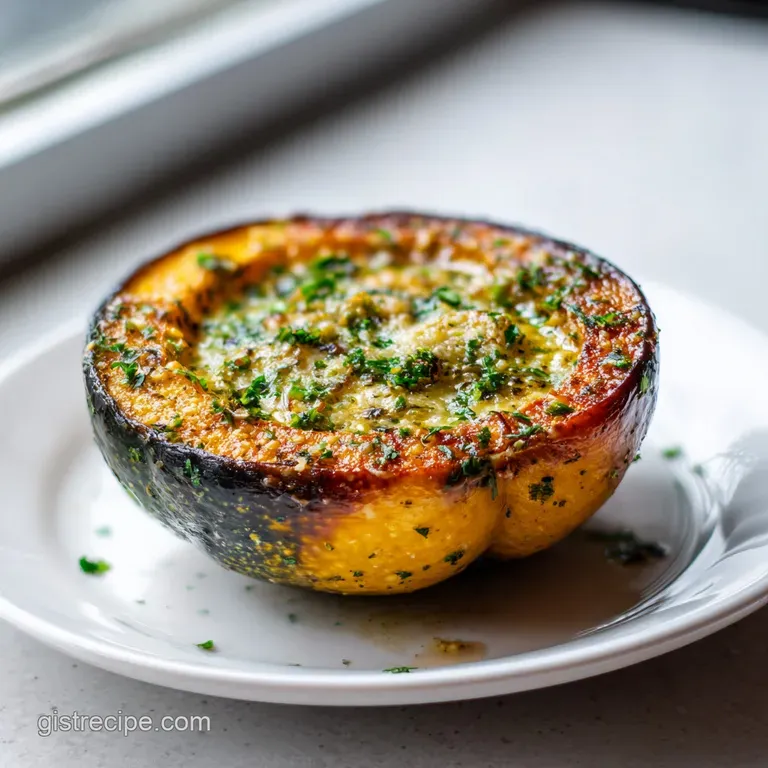
- Preheat your oven to 400°F (200°C). Note: A hot oven is essential for immediate moisture evaporation.
- Prep the squash by cutting off the stem, then slicing in half vertically. Use a heavy spoon to scrape out the seeds and stringy bits.
- Slice each half into 3/4 inch thick half moons. Look for uniform thickness so they all finish at the same time.
- Whisk the olive oil, sea salt, pepper, garlic paste, thyme, rosemary, and oregano in a large bowl.
- Toss the squash wedges in the herb oil. Observe the garlic and herbs clinging to the ridges of each slice.
- Arrange the squash on the baking sheet in a single layer. Ensure no slices are overlapping, or they will steam.
- Roast for 15 minutes. Listen for a gentle sizzle as the natural sugars begin to caramelize.
- Combine 1/4 cup of the parmesan with the panko breadcrumbs in a small dish.
- Sprinkle the panko cheese mixture over the squash wedges. Focus on the top surfaces to build a crust.
- Bake for another 10 minutes until the crust is golden brown and the cheese begins to shatter when poked with a fork.
- Garnish with the remaining parmesan and fresh parsley immediately before serving.
Value Comparison Against Restaurant Sides
Why pay $18 for a side of roasted vegetables at a bistro when you can produce something significantly more vibrant at home? Most restaurants rely on "holding" roasted squash in a warm drawer, which turns the texture mushy and kills the crunch.
By making this yourself, you control the timing serving it the moment the cheese is bubbling and the panko is toasted.
The cost of two acorn squashes is usually under $5, and the rest are pantry staples. You are essentially getting a premium, chef quality side dish for a fraction of the price. Plus, the customization is endless. If you want a more festive feel, you could pair this with my Stuffed Butternut Squash recipe to showcase different squash textures on one table.
Solving Common Roasting Obstacles
Preventing the Infamous Sogginess
The biggest enemy of any roasted squash is water. If your squash comes out limp, it’s usually because of crowding. When wedges are too close, the steam escaping from one squash gets trapped by the neighbor, preventing the exterior from drying out and crisping up.
Always use two pans if you’re doubling the recipe.
| Problem | Root Cause | Solution |
|---|---|---|
| Burnt Garlic | Garlic pieces too large | Use a microplane to create a paste that blends into the oil. |
| Bland Squash | Under seasoning | Salt the oil mixture heavily; the squash flesh is dense and needs it. |
| Soggy Crust | Added cheese too early | Only add the panko parmesan in the last 10 minutes of roasting. |
If you find the squash is cooked through but the top isn't as golden as you'd like, don't keep baking it you'll just dry out the center. Instead, switch the oven to the broiler setting for 60 to 90 seconds. Keep a close eye on it, as the panko will go from golden to burnt in a heartbeat.
Common Mistakes Checklist: ✓ Pat the squash slices dry with a paper towel after washing to remove surface moisture. ✓ Crush the dried rosemary between your fingers to release the aromatic oils before mixing.
✓ Don't use a silicone mat; roast directly on the metal pan or parchment for better heat transfer. ✓ Check for doneness by piercing the thickest part with a knife; it should slide in like butter. ✓ Ensure the oven is fully preheated; never put the tray in a cold oven.
Flavor Tweaks and Ingredient Swaps
If you want to scale this recipe down for a solo dinner, just use one small squash and halve the oil and spices. For a larger crowd, you can prep the squash and herb oil up to 4 hours in advance. Just don't add the cheese and panko until you're ready to put the tray in the oven.
For a spicy kick, add 1/2 tsp of red pepper flakes to the oil mixture. The heat balances the natural sweetness of the squash beautifully. If you need a dairy-free version, replace the parmesan with nutritional yeast and a pinch of extra salt.
The nutritional yeast provides that same savory, "cheesy" depth without the milk solids.
| If you want... | Do this... |
|---|---|
| Extra Crunch | Double the panko and add 1 tbsp of melted butter to the crumb mixture. |
| A Fall Aroma | Add 1/4 tsp of ground nutmeg to the herb oil. |
| A Glossy Finish | Drizzle with 1 tsp of balsamic glaze after roasting. |
Storage Guidelines and Waste Reduction
Storage: Keep leftovers in an airtight container in the fridge for up to 4 days. Note that the panko crust will lose its "shatter" in the fridge, but the flavor remains bold.
Reheating: Avoid the microwave! It will turn the squash into mush. Instead, place the wedges on a baking sheet and heat in a 350°F (180°C) oven for 8 to 10 minutes until warmed through and the edges regain some crispness.
Freezing: You can freeze the roasted squash for up to 2 months. However, the texture will be much softer upon thawing. I recommend using frozen leftovers in a creamy autumn soup. Just blend the thawed squash with some vegetable broth and a splash of cream.
Zero Waste Tip: Don't toss those seeds! Clean the acorn squash seeds, pat them dry, and roast them with a little olive oil and salt at 300°F (150°C) for 15 minutes. They are even nuttier than pumpkin seeds and make a brilliant snack.
Vibrant Pairings for Main Courses
This parmesan herb roasted acorn squash is a powerhouse on the plate, but it loves company. It pairs exceptionally well with roasted chicken or a thick cut pork chop. The savory herbs in the squash bridge the gap between the meat and other vegetable sides.
For a balanced, colorful meal, I love serving this alongside my Sauteed Green Beans recipe. The snap of the green beans provides a fresh contrast to the velvety texture of the roasted squash. If you're hosting a vegetarian dinner, this squash serves as a fantastic "main" side alongside a wild rice pilaf or a hearty kale salad with lemon vinaigrette.
One final trick: if you have leftover parmesan herb roasted acorn squash, chop it up and toss it into a pasta with browned butter and sage. The cheese and breadcrumbs create a makeshift sauce that is absolutely transformative. Trust me on this one it might be even better the second day.
Recipe FAQs
Can I use pre-grated Parmesan cheese instead of grating it myself?
No, stick to freshly grated Parmigiano Reggiano. Pre-grated cheeses contain anti caking agents that prevent a smooth melt, resulting in a grainy crust instead of a crispy lattice.
How to ensure the acorn squash skin becomes tender enough to eat?
Roast at a high temperature of 400°F for at least 25 minutes. High heat promotes rapid moisture loss from the flesh, ensuring it becomes creamy while the skin softens sufficiently beneath the crust.
How to prevent the garlic in the herb paste from burning during roasting?
Microplane the garlic into a fine paste before mixing with the olive oil. This technique disperses the sharp flavor evenly into the fat, allowing the flavor to infuse without burning any solid pieces.
Is it true that I must add the Parmesan and Panko topping at the beginning of the roast?
No, this is a common misconception. Add the panko and cheese topping only for the final 10 minutes of roasting. Adding it earlier causes the cheese to burn before the squash flesh is fully tender.
What is the best way to reheat leftover roasted squash to maintain texture?
Reheat in a 350°F oven, not the microwave. Place the wedges on a baking sheet for 8 to 10 minutes to reactivate some of the crispness lost during refrigeration.
What herb can I substitute for Rosemary to achieve a savory, non-woody flavor?
Substitute with finely chopped fresh Sage or Marjoram. If you enjoy balancing savory meat with herbs, you can see how these principles of strong flavor pairing apply to the Prime Rib Roast recipe.
How do I properly cut an acorn squash safely for wedges?
Slice off the stem, then cut the squash in half vertically, remove seeds, and cut each half into 3/4 inch thick moons. If the skin is too tough, microwave the whole squash for 60 seconds first to soften the exterior for easier cutting.
Parmesan Herb Acorn Squash
Ingredients:
Instructions:
Nutrition Facts:
| Calories | 244 kcal |
|---|---|
| Protein | 6.4 g |
| Fat | 13.5 g |
| Carbs | 27.4 g |
| Fiber | 3.6 g |
| Sugar | 0.4 g |
| Sodium | 750 mg |
