Mediterranean Quinoa Gluten Free Salads
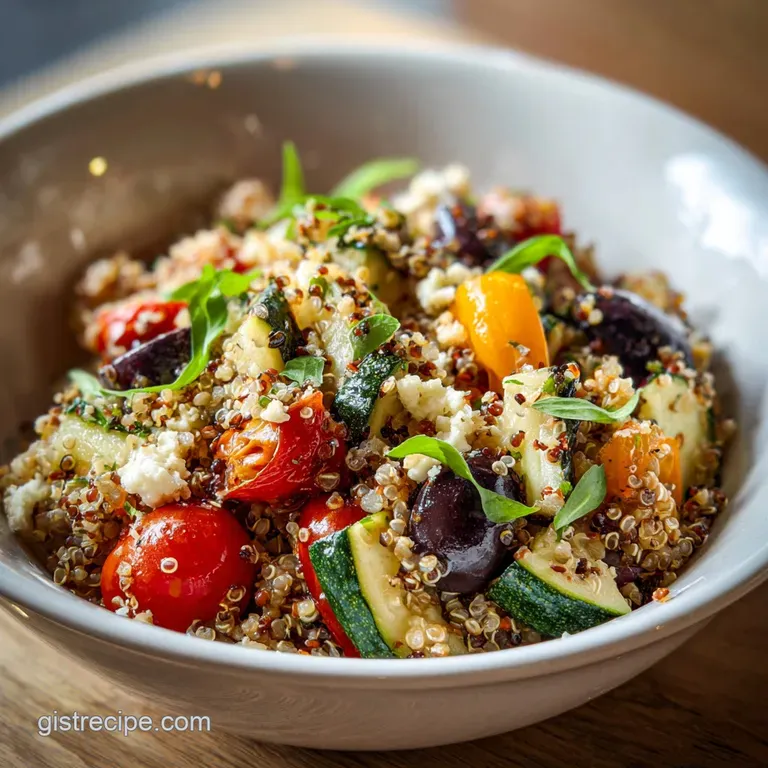
- Time: Active 15 minutes, Passive 15 minutes, Total 30 minutes
- Flavor/Texture Hook: Briny feta and crisp cucumbers meet velvety, broth soaked quinoa
- Perfect for: High protein meal prep, summer picnics, or a light gluten-free dinner
- Vibrant Mediterranean Inspired Gluten Free Salads
- The Science of Lasting Crunch
- Essential Components for Bold Flavor
- Vital Kitchen Tools for Success
- Steps to Building Flavor Layers
- Solving Common Salad Texture Issues
- Adjusting for Any Crowd Size
- Busting Common Gluten Free Myths
- Freshness and Zero Waste Tips
- Perfect Pairings for Your Meal
- High in Sodium
- Gluten Free Salads FAQs
- 📝 Recipe Card
Vibrant Mediterranean Inspired gluten-free Salads
You know that specific kind of disappointment when you open a lunch container and find a sad, gray puddle where your salad used to be? I spent years avoiding gluten-free salads at potlucks because they were either a pile of wilted lettuce or gritty, undercooked grains that felt like chewing on sand.
It was honestly embarrassing to bring a dish that no one including me actually wanted to eat.
Everything changed when I stopped treating the salad as a "bowl of things" and started treating it like a construction project. By focusing on grain hydration and the order of operations, I realized we can create a dish that actually gets better after sitting in the fridge.
This isn't just a side dish; it’s a bold, transformative meal that has become my absolute go to for busy weeks.
Right then, let's crack on with the secret to making this work. We’re going to use quinoa as our base because it’s naturally gluten-free and acts like a tiny sponge for flavor. But we aren't just boiling it in water that's a rookie mistake I made for far too long.
We’re going to infuse it with broth and aromatics to ensure every single bite is packed with savory depth.
The Science of Lasting Crunch
Saponin Interference: Rinsing quinoa under cold water removes the bitter natural coating (saponins), which otherwise prevents the grain from absorbing the savory vegetable broth.
Osmotic Balance: Grating the garlic into the lemon juice before adding oil allows the acid to mellow the garlic's harsh sulfur compounds, creating a velvety, integrated flavor.
Starch Retrogradation: Cooling the quinoa completely before tossing with fresh vegetables prevents the residual heat from steaming the cucumbers, which keeps them from turning mushy.
| Cooking Method | Total Time | Resulting Texture | Best For |
|---|---|---|---|
| Stovetop Simmer | 15 minutes | Fluffy and light | Traditional salad bases |
| Oven Steam | 25 minutes | Toasted and firm | Meal prep (longer shelf life) |
| Pressure Cooker | 8 minutes | Soft and tender | Quick weeknight dinners |
Choosing the right method depends on your schedule, but I find the stovetop gives the most control over that "spiraled" look we want in the quinoa. If you're looking for a sweet treat to bake while the quinoa cools, try my gluten-free Banana recipe.
The humidity from the cooling grains won't affect the bake, and you'll have a full meal ready.
| Ingredient | Science Role | Pro Secret |
|---|---|---|
| Quinoa (185g) | Structural Base | Toast the dry grains for 2 mins before adding liquid to add a nutty aroma. |
| Lemon Juice (45ml) | Acid Denaturant | Use freshly squeezed only; bottled juice lacks the bright enzymes needed to "cook" the onions. |
| Olive Oil (80ml) | Fat Emulsifier | Whisk slowly into the acid to create a thick coating that won't slide off the greens. |
| Feta Cheese (75g) | Briny Contrast | Buy the block in brine and crumble it yourself for a creamier, less chalky texture. |
The interaction between the salt in the feta and the acid in the vinegar is what makes these gluten-free salads pop. Without that sharp contrast, the quinoa can taste flat and heavy.
Essential Components for Bold Flavor
- 185g Quinoa: I prefer tri color for the visual appeal and slightly firmer bite.
- 415ml Vegetable Broth: Ensure it's certified gluten-free to avoid hidden barley malt. Why this? Broth adds 10x more flavor than plain salted water.
- 425g Chickpeas: One standard can. Substitute with white beans if you prefer a creamier texture.
- 300g English Cucumbers: Use these specifically because they have thinner skins and fewer seeds.
- 150g Cherry Tomatoes: Substitute with grape tomatoes if needed; they hold their shape better when tossed.
- 75g Red Onion: Mince it tiny. If it's too sharp, soak it in cold water for 10 minutes first.
- 60g Kalamata Olives: Salty, briny perfection. Substitute with green Cerignola for a milder flavor.
- 15g Fresh Parsley: Flat leaf has more oils than curly. Substitute with fresh mint for a zesty twist.
- 75g Feta Cheese: The creamy anchor. Substitute with goat cheese for a tangier profile.
- 80ml Extra Virgin Olive Oil: Use the good stuff here; the flavor really shines through.
- 45ml Lemon Juice: Roughly one large lemon.
- 15ml Red Wine Vinegar: Adds a fermented depth that lemon alone lacks.
- 5g Dijon Mustard: Helps the oil and acid stay mixed.
- 1 Garlic Clove: Grated. Why this? Grating releases more oils than chopping for a punchier dressing.
- 2g Dried Oregano: The classic Mediterranean herbaceous note.
Vital Kitchen Tools for Success
You don't need a high end kitchen, but a fine mesh strainer is non negotiable for quinoa. Those tiny grains will escape through a standard colander faster than you can say "where’s my dinner?" A microplane or fine grater is also a secret weapon for the garlic; it transforms the clove into a paste that melts into the dressing rather than leaving you with a giant, spicy chunk of raw garlic in one bite.
I also highly recommend a large wide bottomed bowl for mixing. When you're tossing gluten-free salads, you want space to fold the ingredients together without crushing the delicate tomatoes or the feta.
If you have a stand mixer such as a KitchenAid, don't use it here this is a job for a gentle hand and a silicone spatula to keep those textures distinct.
Steps to Building Flavor Layers
- Rinse the 185g of quinoa in a fine mesh sieve under cold running water for at least 60 seconds until the water stops foaming. Note: This removes the bitter saponins.
- Combine quinoa and 415ml vegetable broth in a medium saucepan and bring to a rolling boil over high heat.
- Reduce heat to low, cover tightly, and simmer for 15 minutes until all liquid is absorbed and the grain tails appear.
- Remove from heat and let the pot sit, covered, for 5 minutes, then fluff with a fork and spread onto a baking sheet until completely cool to the touch.
- Whisk the 80ml olive oil, 45ml lemon juice, 15ml vinegar, 5g Dijon, 1 clove grated garlic, and 2g oregano until the dressing looks opaque and creamy.
- Dice the 300g of cucumbers and halve the 150g of cherry tomatoes while the quinoa cools.
- Combine the cooled quinoa, 425g chickpeas, and all chopped vegetables in your large mixing bowl.
- Pour the dressing over the mixture and toss gently until every grain is glistening with oil.
- Fold in the 75g of feta and 15g of parsley last until just distributed.
- Chill for at least 30 minutes before serving until the flavors have melded into a cohesive bite.
Solving Common Salad Texture Issues
Why Your Quinoa Is Mushy
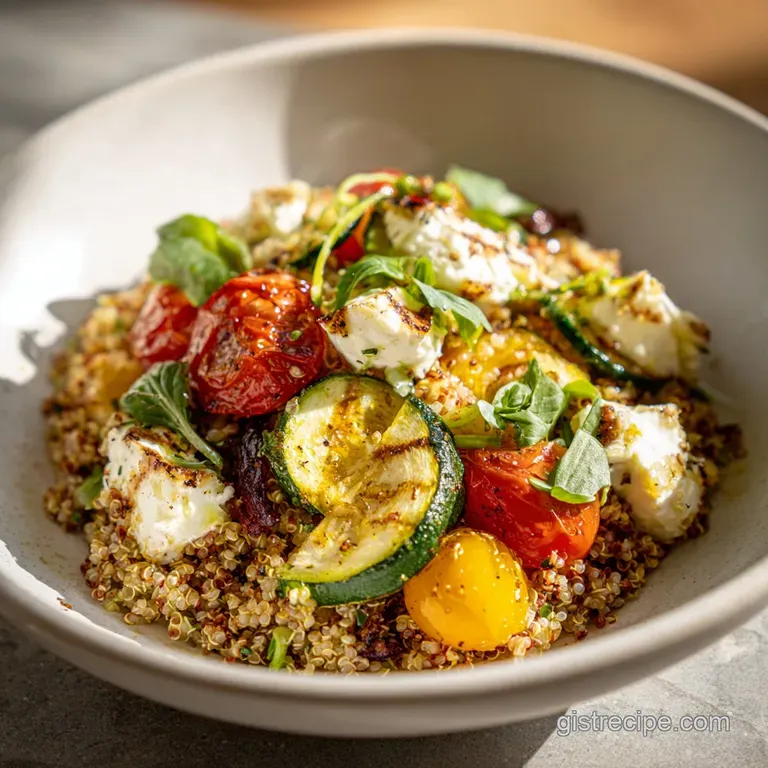
If your grains feel like porridge, you likely used too much liquid or didn't let the steam escape. Quinoa continues to cook for a few minutes after you turn off the heat. By spreading it out on a flat baking sheet to cool, you stop the cooking process instantly and allow the surface moisture to evaporate, which ensures each grain stays separate and "pops" in your mouth.
Why Your Veggies Are Watery
This usually happens if you salt the cucumbers too early. Salt draws out moisture. To prevent a swampy bowl, wait to add the final sprinkle of sea salt until the very moment you serve.
Also, using English cucumbers the ones usually wrapped in plastic is a total must because their seeds are much smaller and less watery than the standard field variety.
| Problem | Root Cause | Solution |
|---|---|---|
| Grains are crunchy | Not enough liquid or heat | Add 2 tbsp broth, cover, and microwave for 60 seconds to finish steaming. |
| Salad is bland | Muted acidity | Add a splash more red wine vinegar or a pinch of extra salt; grains absorb seasoning as they sit. |
| Bitter aftertaste | Saponins remaining | Always rinse quinoa! If already cooked, add extra lemon and feta to mask the bitterness. |
Common Mistakes Checklist
- ✓ Never skip the rinse; even "pre washed" quinoa often has lingering bitterness.
- ✓ Don't add the feta until the very end to prevent it from turning into a gray paste.
- ✓ Ensure the quinoa is stone cold before adding the fresh produce.
- ✓ Use a vegetable broth you actually like the taste of; it's the primary flavor for the grains.
- ✓ Pat your chickpeas dry with a clean towel after rinsing so the dressing sticks to them.
Adjusting for Any Crowd Size
When you're cutting the recipe in half, use a smaller pot to ensure the broth covers the quinoa deeply enough to simmer evenly. If you only have large eggs for a different recipe and need a fraction, beat the egg first and measure by weight, but for this salad, scaling is mostly about the ratio.
If you're doubling the recipe for a party, don't double the dried oregano start with 1.5 times the amount and taste. Dried herbs can quickly become overpowering when scaled up too aggressively.
For large batches, increase the liquid by only 90% rather than 100%. Large amounts of quinoa trap more steam, so you need slightly less added water to reach the same fluffy result. Also, work in two separate bowls if your mixing vessel isn't massive; over crowding the bowl leads to bruised herbs and smashed tomatoes.
This salad is one of those great gluten-free salads for a crowd because it actually holds up beautifully on a buffet table for hours.
Busting Common gluten-free Myths
A common misconception is that gluten-free grains like quinoa are naturally flavorless and need to be drowned in heavy sauces. The truth is that quinoa has a lovely, subtle nuttiness that is actually overshadowed by heavy creams. It thrives with bright, acidic pairings that highlight its texture.
Another myth is that you can't prep gluten-free salads ahead of time because they'll get soggy. While this is true for lettuce based dishes, grain based salads like this one are actually better on day two.
The grains act like a "flavor vault," soaking up the vinaigrette while the structure of the quinoa remains intact. Trust me, the leftovers are the best part of this recipe.
Freshness and Zero Waste Tips
Store this masterpiece in an airtight glass container in the fridge for up to 4 days. I don't recommend freezing it, as the cucumbers and tomatoes will turn to mush once thawed. However, you can freeze the cooked and cooled quinoa base on its own for up to 3 months!
Just thaw it in the fridge overnight and toss with fresh veggies when you're ready to eat.
To reduce waste, don't toss those parsley stems! Chop them finely and add them right along with the leaves; they have a massive amount of flavor and a great crunch. If you have leftover lemon halves, toss them into a jar of water in the fridge for a refreshing drink.
Any leftover feta brine can be used to marinate chicken or even as a salty kick in a gluten-free Bread recipe to add a savory crust.
Perfect Pairings for Your Meal
This salad is a vibrant star on its own, but it plays incredibly well with others. I love serving it alongside grilled lemon chicken or a piece of seared salmon. If you're keeping things plant based, a side of warm, roasted cauliflower with tahini is a bold choice that complements the cool crispness of the cucumbers.
Chef's Tip: If you want to take the texture to the next level, top your bowl with a handful of toasted pine nuts or sunflower seeds right before serving for a "shatter" crunch that contrasts the fluffy grains.
For a complete Mediterranean spread, this dish is the perfect companion to a fresh loaf from my gluten-free Bread recipe. The bread is ideal for mopping up any extra lemon garlic dressing at the bottom of the bowl.
If you're hosting a brunch, serving this alongside a platter of fresh fruit and a moist slice of gluten-free Banana recipe creates a balanced, crowd pleasing menu that everyone can enjoy regardless of dietary needs.
High in Sodium
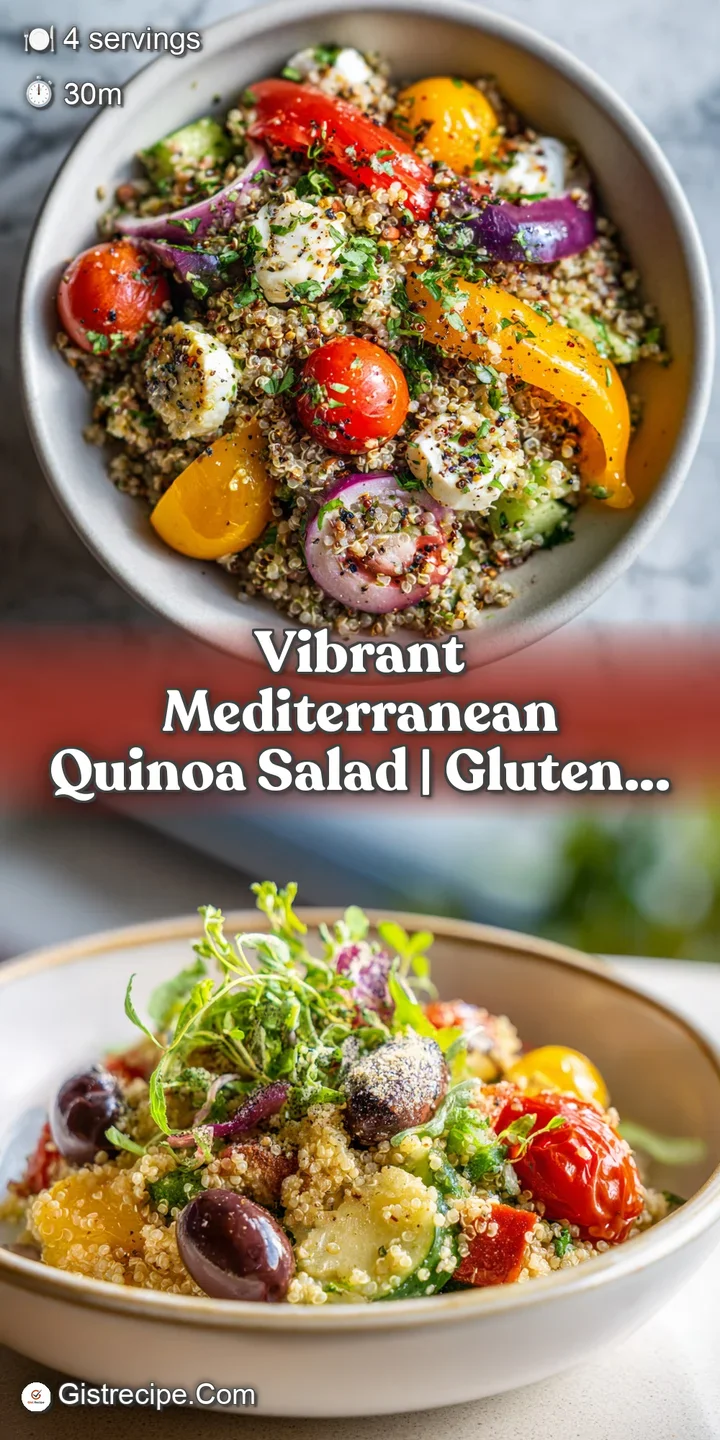
845 mg mg of sodium per serving (37% of daily value)
The American Heart Association recommends limiting sodium intake to no more than 2,300mg per day for most adults.
Sodium Reduction Tips for Your Quinoa Salad
-
Low-Sodium Broth-30%
Replace regular vegetable broth with a low-sodium or sodium free version. This simple swap can significantly reduce the sodium content.
-
Reduce Feta-15%
Feta cheese is a significant source of sodium. Use half the amount of feta or substitute with a lower sodium cheese like fresh mozzarella (use sparingly) or goat cheese.
-
Cut Back Salt-25%
Reduce the amount of added salt by at least half or eliminate it entirely. Taste the salad before adding any salt and adjust according to your preference.
-
DIY Chickpeas-20%
Instead of canned chickpeas, cook dried chickpeas from scratch. This allows you to control the sodium content, and you can even cook a big batch for future use. If using canned, rinse very well under running water.
-
Limit Olives-10%
Kalamata olives contribute to the overall sodium. Use half the amount or consider other toppings such as bell peppers, carrots or celery.
-
Herb Power
Enhance the flavor of your salad with a variety of fresh and dried herbs and spices. Experiment with different combinations to create delicious, sodium free flavor.
gluten-free Salads FAQs
What type of salads are gluten-free?
Yes, most salads are naturally gluten-free. Focus on bases like quinoa, rice, beans, or dark leafy greens, and ensure all dressings and croutons are certified GF. Avoid wheat pasta or barley; stick to whole grains like quinoa for robust texture.
Is the vibrant Mediterranean salad fresh and gluten-free?
Yes, this specific salad is inherently gluten-free. Its freshness relies on cooling the quinoa completely before assembly to prevent the vegetables from steaming and wilting. Mastering the quinoa toasting technique ensures a fantastic nutty flavor base.
What did Jennifer Aniston famously eat on the set of Friends?
She famously ate "The Rachel," a layered salad centered on chickpeas and turkey, though hers contained couscous. For a gluten-free version of that style, substitute the couscous with quinoa, similar to the method used in this gluten-free Chicken recipe base.
Can you eat salads on a gluten-free diet?
Absolutely, grain and vegetable salads are cornerstones of gluten-free eating. The primary concern is avoiding hidden gluten in thickeners, soy sauce in dressings, or processed toppings like breaded chicken tenders or croutons.
How do I prevent my grain based gluten-free salad from getting soggy by day two?
Store the dressing separately and do not dress the salad until immediately before serving. If you must pre-dress, use an acid heavy dressing like this one, as the vinegar helps maintain the texture of ingredients like cucumbers better than oil alone.
Why is rinsing quinoa so important before cooking it for a salad?
Rinsing removes saponins, which are the naturally occurring bitter, soapy coating on the grain. Thoroughly rinsing until the water runs clear prevents that unpleasant aftertaste, which is critical since the quinoa is the main body of the salad.
Can I substitute the quinoa with another gluten-free grain like rice?
Yes, you can substitute with brown or wild rice, but expect texture and cooking time changes. Rice absorbs less dressing and yields a different mouthfeel; if you prefer a fruit based GF side, try the technique adjustments needed for my gluten-free Apple recipe.
Mediterranean gluten-free Salads
Ingredients:
Instructions:
Nutrition Facts:
| Calories | 632 kcal |
|---|---|
| Protein | 19.8 g |
| Fat | 33.1 g |
| Carbs | 69.4 g |
| Fiber | 13.2 g |
| Sugar | 5.8 g |
| Sodium | 845 mg |
