Unique Cookie Recipe with Lavender and Lemon
- Time: Active 20 minutes, Passive 1 hours 12 mins, Total 1 hours 32 mins
- Flavor/Texture Hook: Zesty, floral, and tender crisp
- Perfect for: Afternoon tea, spring brunches, or unique gift giving
- Master This Unique Cookie Recipe with Lavender and Lemon
- Why These Floral Aromas Work
- Critical Numbers for Perfect Baking
- Ingredients for Your Floral Batch
- Tools for a Better Bake
- Steps to Create Floral Cookies
- Solutions for Baking Mishaps
- Smart Swaps and Variations
- Storing and Freezing Guidelines
- Creative Serving and Pairing Ideas
- Recipe FAQs
- 📝 Recipe Card
Master This Unique Cookie Recipe with Lavender and Lemon
The first time I tried a floral cookie, I was honestly a bit worried it would taste like eating a bar of soap. I remember standing in my sun drenched kitchen, hesitant to add those tiny dried purple buds to my mixing bowl.
But as soon as I started rubbing the dried lavender and fresh lemon zest into the granulated sugar, the air transformed. It didn't smell like a laundry room; it smelled like a bright, breezy morning in a summer garden.
The oils from the lemon peel mingled with the herbal notes of the lavender, creating a scent so crisp and inviting that I knew I was onto something special.
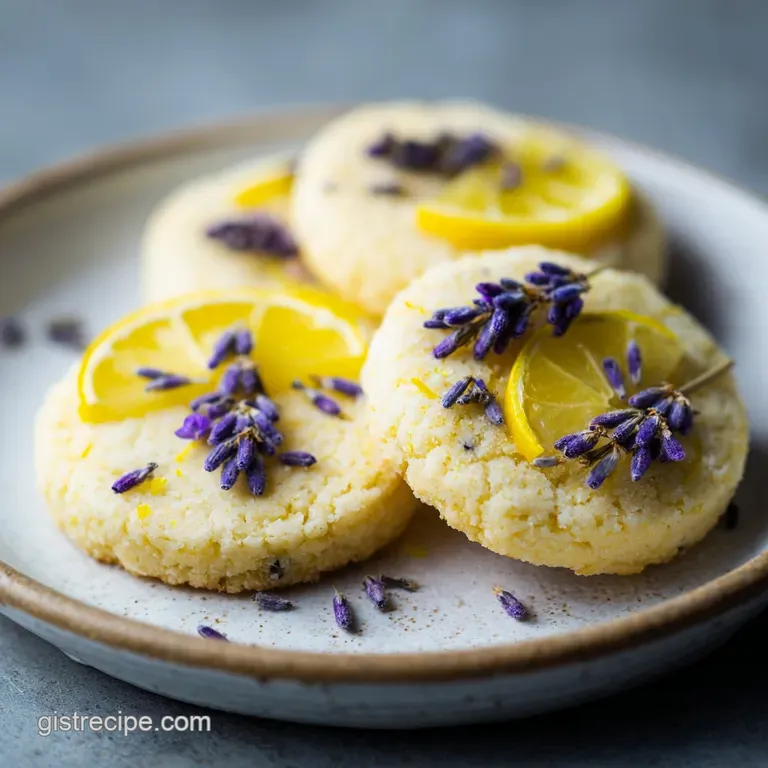
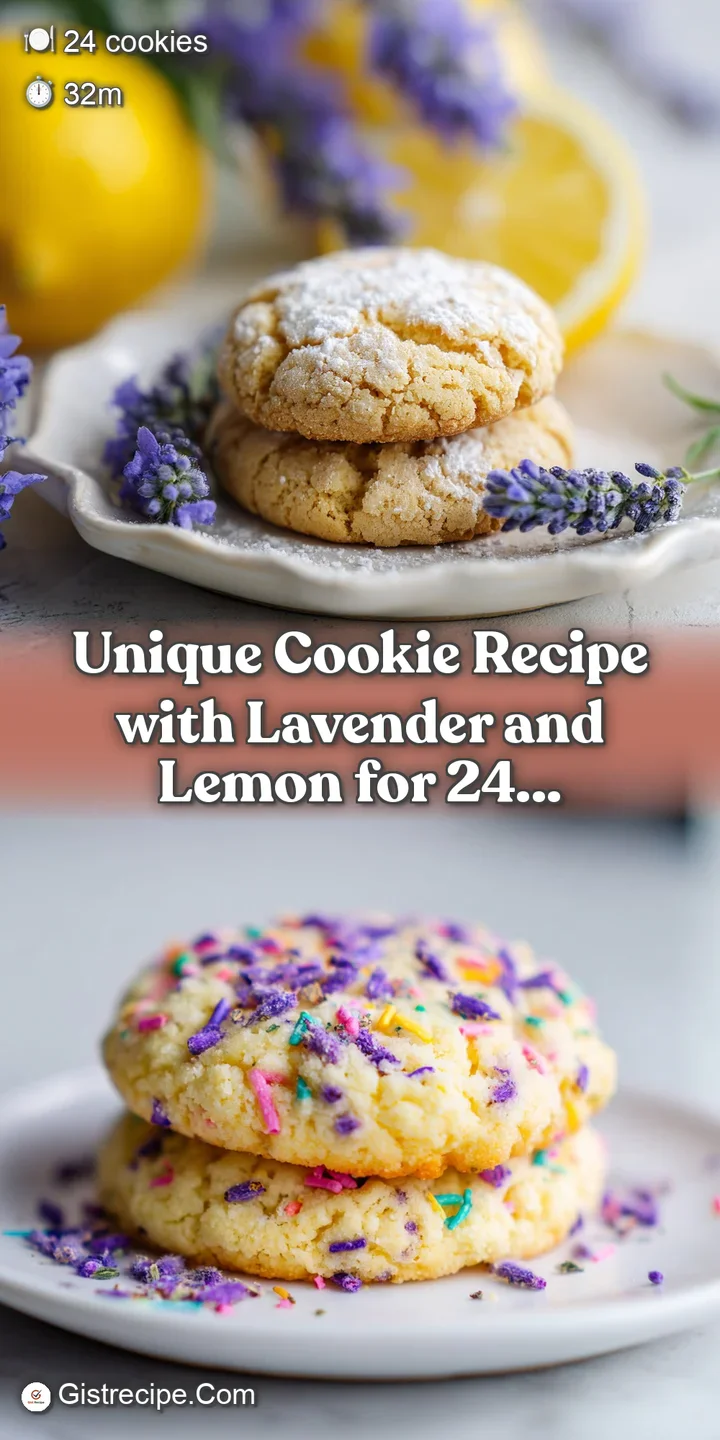
Discover a truly special treat with this unique cookie recipe featuring the delicate flavors of lavender and lemon. These aren't your average chocolate chip rounds; they have a sophisticated edge that makes them stand out on any dessert table.
When you take that first bite, you get a hit of tart lemon glaze followed by a buttery, velvety crumb that just melts away. The lavender is subtle, a lingering floral note that dances in the background rather than taking over the show.
Trust me, even the skeptics in your life will be reaching for a second one once they experience that perfect balance of sweet and citrus.
We've all had those cookies that look beautiful but taste like cardboard. I've spent plenty of afternoons tweaking this ratio to make sure the texture stays soft in the middle with just a hint of a crisp edge. We aren't going for a hard biscuit here; we want a treat that feels substantial but delicate.
By using a few simple tricks with temperature and infusion, you'll be able to recreate these bakery style results right in your own kitchen without any fussy techniques or expensive specialty tools.
Why These Floral Aromas Work
Abrasive Infusion: Rubbing lavender and zest into sugar uses friction to rupture essential oil glands, distributing flavor more deeply than just mixing.
Starch Gelatinization: The specific ratio of all purpose flour to butter ensures the cookies hold their shape while maintaining a tender, velvety crumb.
Acidic Brightness: Fresh lemon juice in the glaze reacts with the sugary base to provide a sharp contrast that prevents the floral notes from feeling cloying.
Cold Cure Stability: Chilling the dough allows the fats to solidify and the flour to fully hydrate, preventing excessive spreading during the bake.
| Dough Method | Chill Time | Final Texture | Best Use Case |
|---|---|---|---|
| Room Temp | 0 minutes | Thin, very crispy | Crispy wafer lovers |
| Quick Chill | 30 minutes | Soft center, crisp edge | Standard weeknight treat |
| Long Cure | 24 hours | Thick, chewy, aromatic | Gift boxes and parties |
The difference between a "good" cookie and one that people beg you for often comes down to how you handle the ingredients before they even hit the oven. Just like when I'm prepping my Classic Banana Bread recipe, the way we incorporate air and moisture determines the final bite. Taking that extra time to let the dough rest isn't just a suggestion; it’s the secret to getting that professional look and a flavor that feels fully developed.
Critical Numbers for Perfect Baking
The Magic of Sugar Infusion
When you combine 200g granulated sugar with 1.5 tsp dried culinary lavender and 1 tbsp lemon zest, you're doing more than just mixing. You are performing a mini extraction. The sugar acts like tiny blades, slicing into the zest and lavender buds. You'll actually see the sugar turn a pale, fragrant yellow green.
This step is non negotiable if you want that "wow" factor.
Lavender Syrup Texture Benefits
Adding 1 tsp of lavender syrup to the glaze does more than just boost the floral profile. Syrups are invert sugars, which help retain moisture and give the glaze a shimmering, slightly tacky finish that stays beautiful for days.
It prevents the glaze from becoming overly brittle or cracking when you bite into the cookie.
Cold Aeration Principles
Creaming 225g of softened butter with your infused sugar creates a network of tiny air bubbles. In this recipe, we want "cold aeration," meaning we don't want the butter so warm it becomes greasy. If your butter is too soft, the air bubbles collapse, leading to a heavy, dense cookie.
Aim for a temperature where your finger leaves an indent but doesn't slide right through.
| Component | Science Role | Pro Secret |
|---|---|---|
| Unsalted Butter (225g) | Fat & Structure | Use high-quality butter with 82% fat for a richer mouthfeel. |
| All Purpose Flour (315g) | Protein Framework | Sift after measuring to ensure a light, airy crumb without lumps. |
| Culinary Lavender (1.5 tsp) | Aromatic Profile | Pulse dried buds in a spice grinder for 2 seconds to avoid "twiggy" bits. |
| Lemon Zest (1 tbsp) | Essential Oils | Only zest the yellow part; the white pith is bitter and ruins the flavor. |
When you're looking for that perfect balance in a bake, it's a lot like finding the right harmony in a Raspberry Buttermilk Cake recipe. You need that hit of acid to cut through the richness of the fat. The lemon juice doesn't just add flavor; it actually helps to tenderize the gluten in the flour, ensuring your cookies stay soft and never become tough or bread like.
Ingredients for Your Floral Batch
Infused Dough Ingredients
- 225g unsalted butter, softened Why this? Provides the foundational richness and structure for the dough.
- 200g granulated sugar Why this? Essential for the "scrubbing" action that releases aromatic oils.
- 1.5 tsp dried culinary lavender Why this? Must be "culinary" grade to ensure it is pesticide free and flavorful.
- 1 tbsp fresh lemon zest Why this? Contains the concentrated citrus oils that provide the main flavor.
- 1 large egg, room temperature Why this? Acts as a binder; room temp prevents the butter from curdling.
- 1 tsp pure vanilla extract Why this? Rounds out the floral and citrus notes with a warm base.
- 315g all purpose flour Why this? The perfect protein level for a tender yet sturdy cookie.
- 1 tsp baking powder Why this? Provides just enough lift to keep the cookies from being flat.
- 0.5 tsp fine sea salt Why this? Sharpens all the other flavors and balances the sweetness.
Lavender Lemon Glaze Components
- 120g powdered sugar, sifted Why this? Creates a smooth, velvety finish without any graininess.
- 2 tbsp fresh lemon juice Why this? Adds the necessary acidity to make the glaze "pop."
- 1 tsp lavender syrup Why this? Deepens the floral aroma and adds a professional sheen.
| Original Ingredient | Substitute | Why It Works |
|---|---|---|
| Unsalted Butter | Salted Butter | Use the same amount but skip the 0.5 tsp sea salt in the recipe. |
| Granulated Sugar | Caster Sugar | Finer crystals release oils even faster. Note: Cookies may be slightly crisper. |
| All Purpose Flour | 1:1 gluten-free Blend | Choose a blend with xanthan gum for a similar structure. |
| Lavender Syrup | Honey | Provides a similar moisture retaining quality with a different floral note. |
If you can't find culinary lavender at your local grocer, don't panic! You can often find it in the tea aisle just make sure it's 100% dried lavender flowers without any added "earl grey" or other tea leaves.
Also, using a microplane for the lemon zest is much better than a traditional grater because it gives you those fine, wispy strands that melt into the dough rather than chunky bits that can be distracting.
Tools for a Better Bake
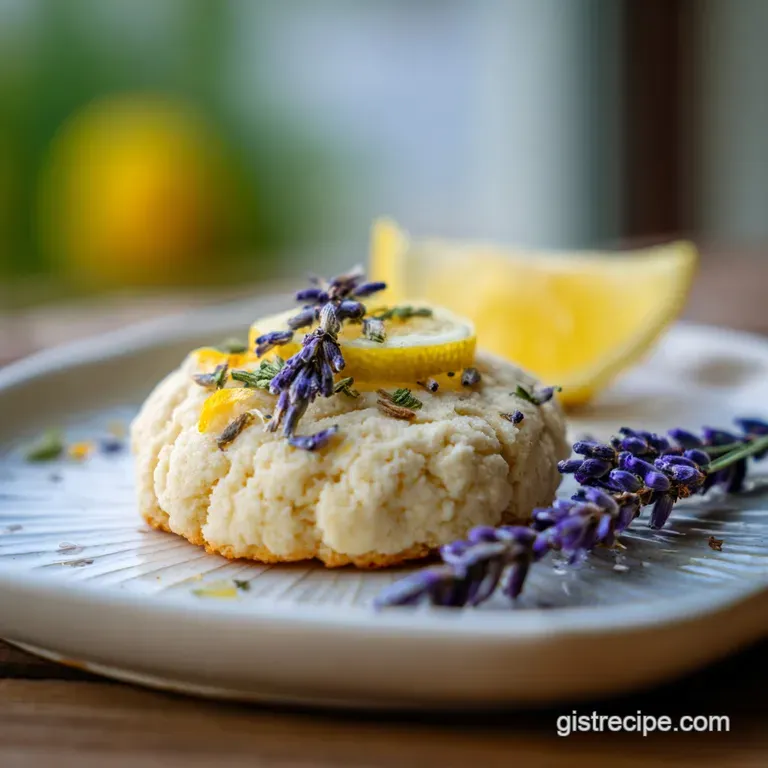
To get the best out of this unique cookie recipe with lavender and lemon, you don't need a kitchen full of gadgets, but a few specific items make a world of difference. A stand mixer or a reliable hand mixer is your best friend for the creaming stage.
You really want to beat that butter and sugar until it's pale and fluffy, which takes more arm power than most of us want to exert with a wooden spoon!
- Microplane Zester: Essential for getting fine lemon zest without the bitter pith.
- Kitchen Scale: Measuring in grams (like the 315g of flour) is the only way to ensure consistency every time you bake.
- Parchment Paper: Don't just grease the pan; parchment ensures the cookies slide off without leaving their bottoms behind.
- Small Cookie Scoop: This ensures all 24 cookies are the exact same size, so they bake evenly.
- Whisk and Sifter: For the glaze and the dry ingredients to prevent lumps.
Chef's Tip: Freeze your lemon for 10 minutes before zesting. It makes the peel firmer, allowing the microplane to glide through effortlessly without squashing the fruit.
Steps to Create Floral Cookies
Phase 1: Aromatic Infusion
Place 200g granulated sugar, 1 tbsp lemon zest, and 1.5 tsp dried lavender in a large bowl. Use your clean fingertips to rub the mixture together for about 3 minutes until the sugar is moist and highly fragrant.
Note: This step is the "secret sauce" for maximum flavor distribution.
Phase 2: Creaming Structure
Add 225g softened butter to the scented sugar. Beat with a mixer on medium high speed for 4 minutes until the mixture looks pale and cloud like. Note: This incorporates the air needed for a tender bite.
Phase 3: Binding the Dough
Add 1 large egg and 1 tsp vanilla extract to the bowl. Beat for another minute until the mixture is completely smooth and emulsified. Note: Scrape the sides of the bowl to ensure no butter streaks remain.
Phase 4: Folding Dry Ingredients
Whisk together 315g flour, 1 tsp baking powder, and 0.5 tsp sea salt. Gradually add this to the wet ingredients on low speed until just combined with no white streaks visible. Note: Overmixing here will lead to tough, gummy cookies.
Phase 5: Cold Cure
Cover the dough and refrigerate for at least 1 hour. Note: This prevents the cookies from spreading too much in the hot oven.
Phase 6: Shaping the Rounds
Preheat your oven to 180°C (350°F). Scoop 1 tablespoon portions of dough and roll into smooth balls. Place them 2 inches apart on a parchment lined sheet until the tray is full but not crowded.
Phase 7: Precise Bake
Bake for 10-12 minutes until the edges are just barely golden and the centers look set. Note: They will look slightly underbaked, but they firm up as they cool.
Phase 8: Finishing Glaze
While cookies cool, whisk 120g powdered sugar, 2 tbsp lemon juice, and 1 tsp lavender syrup. Drizzle over the cooled cookies until they are elegantly coated with shimmering glaze.
Solutions for Baking Mishaps
Cookies Spreading Issues
If your cookies come out looking like thin pancakes, your butter was likely too warm when you started, or you skipped the chilling phase. Butter needs to be "cool room temp," meaning it's soft enough to mix but still holds its shape.
If you’re in a rush, 20 minutes in the freezer is better than nothing, but that hour in the fridge is the gold standard.
Strong Lavender Flavor
Lavender is powerful; a little goes a long way. If your cookies taste like perfume, you might have used a variety of lavender that isn't intended for cooking, or you used "heaping" teaspoons instead of level ones.
Always use culinary grade lavender (Lavandula angustifolia) which has a sweeter, citrus forward profile compared to the medicinal scent of French lavender.
Tough Cookie Texture
This usually happens if you get a bit too aggressive with the mixer after adding the flour. Once that flour hits the wet ingredients, gluten starts to form. You want just enough gluten to hold the cookie together, but not so much that it turns into bread.
Stop the mixer the second you see the last streak of white flour disappear.
| Problem | Root Cause | Solution |
|---|---|---|
| Cookies are dry/crumbly | Too much flour measured | Always use a scale (315g) rather than packing a measuring cup. |
| Glaze is too runny | Excess lemon juice | Add powdered sugar one tablespoon at a time until it coats a spoon. |
| Bottoms are burnt | Dark baking sheets | Lower oven temp by 10°C or use a double layer of parchment paper. |
Common Mistakes Checklist
- ✓ Never use "craft" lavender from the floral aisle; it's often treated with chemicals.
- ✓ Don't skip the sugar rubbing step; it's the only way to unlock the lemon's potential.
- ✓ Make sure your egg is at room temperature to prevent the butter from seizing up.
- ✓ Wait until cookies are completely cool before glazing, or the icing will just melt off.
- ✓ Check your baking powder's expiration date; old leavener means flat cookies.
Smart Swaps and Variations
gluten-free Baking Options
You can absolutely make this a gluten-free treat. I recommend using a high-quality 1:1 baking flour (like King Arthur or Bob’s Red Mill). These blends usually contain xanthan gum, which mimics the structure of gluten.
Since gluten-free flour can sometimes be a bit "gritty," I suggest letting the dough rest in the fridge for 2 hours instead of 1 to allow the rice flours to fully hydrate.
Vegan Substitution Tips
To make these vegan, swap the butter for a high-quality vegan butter stick (avoid the tub varieties as they have too much water). For the egg, a "flax egg" (1 tbsp ground flax mixed with 3 tbsp water) works well, though the texture will be slightly chewier.
The flavor remains incredible, especially if you use a tiny bit of coconut oil in the glaze for extra shine.
London Fog Variation
If you're a fan of the famous tea latte, try adding 1 tsp of finely ground Earl Grey tea leaves to the sugar along with the lavender. The bergamot in the tea complements the lemon perfectly, creating a deep, complex flavor profile that is absolutely addictive.
It's a simple tweak that turns these into a whole new experience.
White Chocolate Twist
For a bit of decadence, fold in 100g of high-quality white chocolate chips after the flour is incorporated. The creamy sweetness of the white chocolate is a brilliant foil for the tart lemon and herbal lavender. If you do this, you might want to skip the glaze and just do a light dusting of powdered sugar instead.
- If you want a crispier cookie: Flatten the dough balls slightly with the bottom of a glass before baking.
- If you want a softer cookie: Bake for exactly 10 minutes and let them "carry over" cook on the hot tray for 5 minutes.
- If you want a stronger citrus punch: Add 1/4 tsp of pure lemon extract to the dough.
Storing and Freezing Guidelines
These cookies keep surprisingly well because the sugar and butter content helps maintain moisture. You can store the glazed cookies in an airtight container at room temperature for up to 5 days. I actually think they taste better on day two once the lavender has had a chance to really settle into the crumb.
If you live in a very humid climate, you might find the glaze gets a little sticky; in that case, place a piece of parchment paper between the layers.
For long term storage, these freeze beautifully. You can freeze the baked (unglazed) cookies for up to 3 months. When you're ready to eat, let them thaw at room temperature and then apply a fresh batch of glaze. Even better, you can freeze the raw dough balls!
Just scoop them onto a tray, freeze until solid, and then toss them into a freezer bag. You can bake them straight from frozen just add 2 minutes to the total baking time.
Don't let those lemon peels go to waste either! If you have leftover zested lemons, squeeze the juice into an ice cube tray and freeze it for future recipes or for a quick hit of flavor in your morning water.
You can even dry out any leftover lavender buds and put them in a small sachet in your linen drawer to keep things smelling fresh.
Creative Serving and Pairing Ideas
These cookies are the ultimate companion for a "High Tea" setup. They look stunning arranged on a tiered stand alongside some cucumber sandwiches and scones. I love serving them with a hot cup of Earl Grey tea or even a chilled glass of sparkling rosé.
The floral notes in the wine mirror the lavender in the cookie, making for a very sophisticated pairing that feels much more expensive than it actually is.
If you want to go the "Bakery Style" route, try serving them slightly warm with a small scoop of honey vanilla bean ice cream. The heat from the cookie softens the ice cream, and the honey brings out the natural sweetness of the lavender.
It's a simple dessert that looks like it came from a high end bistro but only took you about 12 minutes to bake.
Another fun idea is to use these as part of a dessert charcuterie board. Surround them with fresh raspberries, some pieces of white chocolate, and maybe a few sprigs of fresh mint.
The bright red of the berries against the pale, glazed cookies is visually striking and gives your guests a variety of textures and flavors to play with. Whatever way you choose to serve them, just be prepared for everyone to ask for the recipe!
Recipe FAQs
Can I substitute the culinary lavender with regular dried lavender from a craft store?
No, stick to culinary grade lavender. Craft store lavender is often treated with chemicals or oils not safe for consumption, and the flavor profile will be harsher.
How to ensure the lemon zest releases maximum flavor into the sugar?
Rub the zest vigorously into the granulated sugar using your fingertips. This friction ruptures the essential oil glands, distributing the flavor much deeper than simple mixing.
Is it true that chilling the cookie dough is optional for this recipe?
No, chilling is highly recommended for the best texture. Resting the dough allows the fats to re-solidify and the flour to hydrate, which significantly prevents excessive spreading during baking.
How to fix cookies that spread too thin during baking?
Chill the dough for at least one hour before scooping. If they still spread, your butter was likely too warm, or you may have overworked the dough after adding the flour, developing too much gluten.
Can I substitute the lemon juice in the glaze with bottled lemon concentrate?
No, fresh lemon juice is critical for the glaze's brightness. Bottled concentrates often lack the necessary acidity and fresh volatile oils, resulting in a duller flavor that doesn't cut through the richness of the cookie as well as it should.
What is the purpose of adding lavender syrup to the glaze mixture?
The syrup acts as an invert sugar to improve texture and sheen. It helps the glaze retain moisture, preventing it from becoming brittle, much like how stabilizers work in commercial glazes; you can see a similar texture preserving principle in our Straw Daq Recipe.
How long should I cream the butter and infused sugar together?
Cream for a full four minutes on medium high speed until pale and fluffy. This step is essential for incorporating air; mastering this technique ensures a light crumb, a skill you will use when preparing something like the chocolate chip cookies recipe.
Lavender Lemon Cookie Recipe
Ingredients:
Instructions:
Nutrition Facts:
| Calories | 171 kcal |
|---|---|
| Protein | 1.6 g |
| Fat | 7.8 g |
| Carbs | 23.3 g |
| Fiber | 0.4 g |
| Sugar | 13.8 g |
| Sodium | 69 mg |
