Quince Fruit Preserve Recipe with Honey
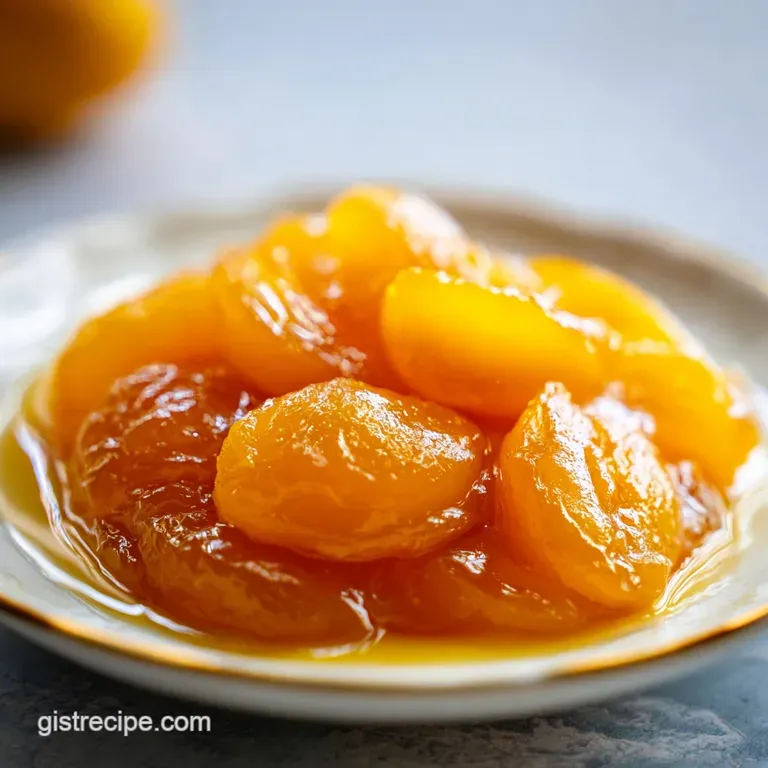
- Time: Active 20 minutes, Passive 45 minutes, Total 1 hour 5 minutes
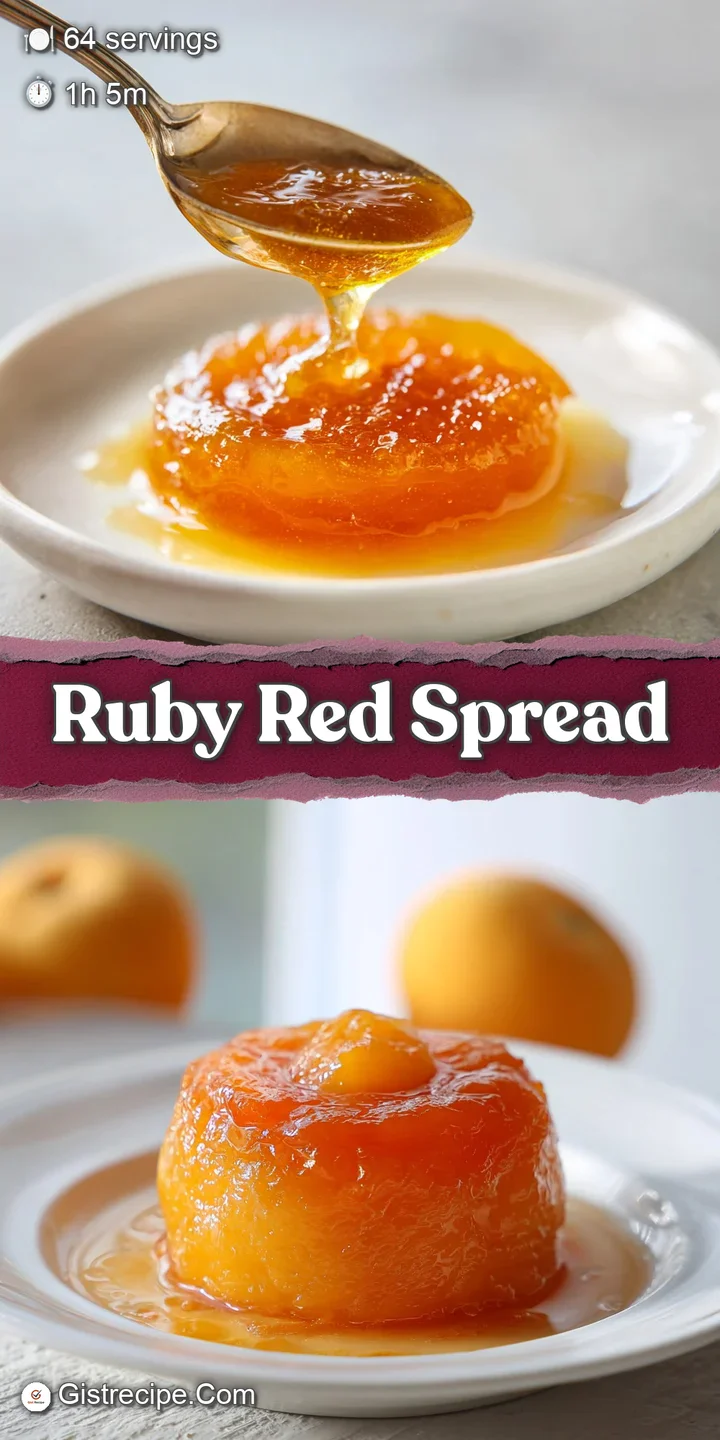
- Flavor/Texture Hook: Thick, floral, and glowing ruby red sweetness
- Perfect for: Weekend brunch, gift giving, or a sophisticated cheese board
- The Best Quince Fruit Preserve Recipe with Honey
- Why This Floral Preserve Works
- Essential Recipe Specifications
- Choosing the Best Ingredients
- Essential Kitchen Tools Needed
- Step-by-Step Cooking Process
- Avoiding Common Cooking Pitfalls
- Creative Flavor Variation Ideas
- Smart Storage and Usage
- Perfect Serving Combinations
- Recipe FAQs
- 📝 Recipe Card
The Best Quince Fruit Preserve Recipe with Honey
The first time I hauled a bag of quince home, I honestly thought I’d bought decorative rocks. They were fuzzy, hard as wood, and smelled like a cross between a rose garden and a citrus grove.
I remember standing in my kitchen, knife in hand, wondering how on earth this stubborn fruit was supposed to turn into something edible, let alone something special.
But then the heat hit the pan. As the quince simmered with the honey and spices, that strange, pale yellow flesh began to blush. Within forty minutes, the kitchen smelled like a dream, and the fruit had transformed into a glowing, ruby red treasure.
It’s one of those kitchen moments that feels like actual magic, and I’ve been hooked on this Quince Fruit Preserve Recipe with Honey ever since.
Trust me, you don't need a degree in food science to get this right. We’re going to grate the fruit to save your wrists and use a blend of honey and sugar for a flavor profile that’s incredibly deep.
This isn't just jam; it's a concentrated burst of autumn that makes a simple piece of toast feel like a five star meal.
Why This Floral Preserve Works
The Pectin Honey Synergy: Quince is naturally high in pectin, which interacts with the acidity of the lemon and the sugars in the honey to create a thick, stable set without artificial thickeners. The honey acts as a humectant, keeping the fruit pieces translucent and tender rather than chewy.
Controlled Oxidation and Pigment: The long, slow simmer causes anthocyanins in the quince to react with the heat and acidity, shifting the color from pale cream to deep crimson. This chemical change is what gives the preserve its signature stained glass appearance.
| Servings | Quince Amount | Jar Size Needed | Prep Flow |
|---|---|---|---|
| 16 servings | 0.5 lbs | 1 half pint jar | Fast grate, quick boil |
| 32 servings | 1 lb | 2 half pint jars | Standard prep, steady simmer |
| 64 servings | 2 lbs | 4 half pint jars | Batch grating, full reduction |
This serving guide helps you decide how much fruit to buy depending on your pantry space. If you're planning a big brunch, like pairing this with a Classic Banana Bread recipe, the 64 serving batch is your best friend.
Essential Recipe Specifications
To get that professional result at home, keep these three checkpoints in mind. First, your total cook time should be exactly 45 minutes to ensure the color develops without burning the honey.
Second, aim for a final temperature of 220°F (105°C) if you're using a candy thermometer for a firm set. Finally, ensure you have exactly 1.5 cups of honey to achieve the correct sugar to acid ratio.
| Method | Cook Time | Texture | Color Depth |
|---|---|---|---|
| Fast Boil | 25 minutes | Soft, runny | Pale Orange |
| Classic Simmer | 45 minutes | Thick, jammy | Ruby Red |
| Slow Cooker | 4 hours | Very soft | Dark Garnet |
Choosing the Best Ingredients
Selecting the right components is the difference between a "good" jam and a "reliable" staple you'll make every year. Look for quince that are heavy for their size and have a strong, sweet fragrance. Don't worry about minor surface bruises, as we are grating them anyway.
- 2 lbs fresh quince: About 4 to 5 medium fruits. Why this? High pectin content provides a natural, thick set.
- 3 cups filtered water: Clean water ensures the floral notes shine. Why this? Prevents mineral flavors from masking the fruit.
- 1/4 cup lemon juice: Freshly squeezed is non negotiable. Why this? Activates pectin and prevents the preserve from being cloying.
- 1.5 cups honey: Use a high-quality, floral variety like clover or orange blossom. Why this? Provides a complex, mellow sweetness compared to plain sugar.
- 1 cup organic cane sugar: Helps with the structure of the set. Why this? Sugar crystallizes better than honey for a firm jam.
- 1 whole cinnamon stick: For a warm, woody undertone.
- 4 whole cloves: Adds a subtle, spicy depth.
| Ingredient | Science Role | Pro Secret |
|---|---|---|
| Fresh Quince | Pectin Source | Grate while cold for cleaner, uniform strands. |
| Lemon Juice | pH Regulator | Lowers pH to allow pectin chains to bond. |
| Honey | Flavor & Moisture | Adds floral esters that sugar lacks entirely. |
If you find yourself short on honey, you can swap it for more sugar, but the flavor will be flatter. You can also use bottled lemon juice in a pinch, though the brightness won't be as pronounced. This is similar to the ingredient balance you'd find in a high-quality Apple Strudel Recipe where acid meets sweet.
Essential Kitchen Tools Needed
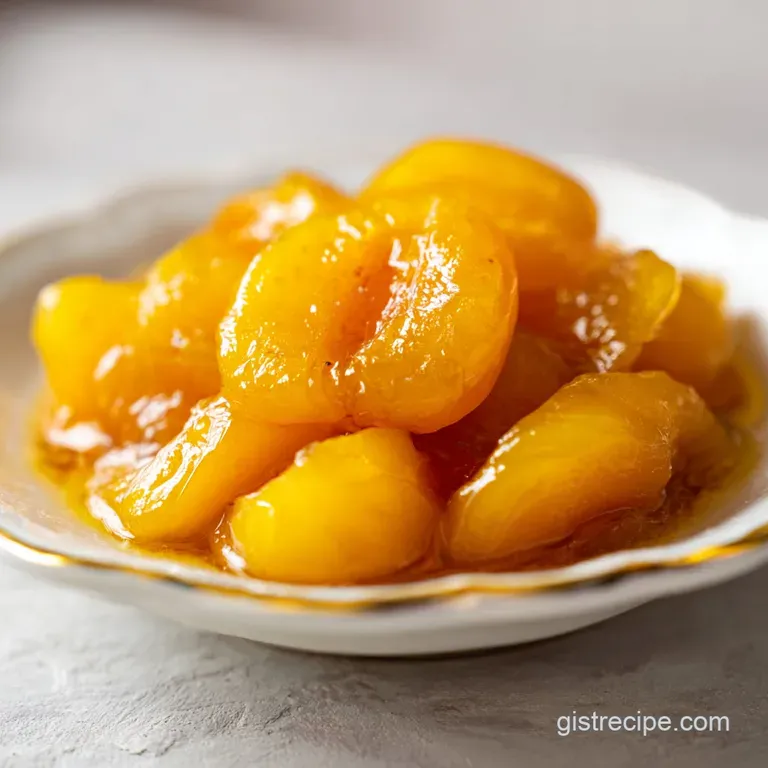
You don't need fancy canning equipment for this, but a heavy bottomed pot is a must. A Dutch oven or a thick stainless steel pot distributes heat evenly, preventing the honey from scorching at the bottom while the top is still simmering.
You’ll also want a sturdy box grater or a food processor with a grating attachment to make quick work of the fruit.
For the final jars, make sure they are glass and have been thoroughly cleaned with boiling water. A wide mouth funnel helps get the sticky preserve into the jars without creating a massive mess on your counter. Trust me, honey based spills are a nightmare to clean up once they cool!
step-by-step Cooking Process
- Scrub the fruit. Remove the grey fuzz from the quince skin under cool water. Note: The fuzz can taste bitter if left on.
- Grate the quince. Core the fruit and grate it coarsely until you have a pile of uniform strands.
- Combine with water. Place the grated quince and 3 cups of filtered water in a heavy pot.
- Initial simmer. Cook over medium heat for 15 minutes until the fruit softens and looks translucent.
- Add sweeteners. Stir in 1.5 cups of honey, 1 cup of sugar, and 1/4 cup of lemon juice.
- Infuse spices. Drop in the cinnamon stick and cloves until the aroma fills the room.
- Reduce the heat. Simmer on low for 30 minutes, stirring occasionally to prevent sticking.
- Check the color. Watch for the transition from yellow to a deep, glowing ruby red.
- Test the set. Drop a spoonful on a cold plate; it should wrinkle when pushed with a finger.
- Jar the preserves. Remove the whole spices and ladle the hot mixture into clean jars.
Avoiding Common Cooking Pitfalls
The biggest mistake people make with this recipe is rushing the heat. If you boil it too hard, the honey can take on a burnt, bitter taste, and the fruit won't have time to undergo that gorgeous color transformation. Keep the bubbles small and steady.
Fixing Runny Fruit Preserves
If your preserve is still watery after 45 minutes, don't panic. It often thickens significantly as it cools. However, if it’s truly thin, you likely need a touch more acidity. Add another teaspoon of lemon juice and simmer for five more minutes.
The extra acid helps the pectin finish its "net making" process.
| Problem | Root Cause | Solution |
|---|---|---|
| Preserves are brown | Heat was too high | Keep simmer low and stir frequently to avoid scorching. |
| Gritty texture | Core wasn't removed | Ensure all stony cells from the core are discarded before grating. |
| No color change | Not enough acid | Verify you used the full 1/4 cup of fresh lemon juice. |
Common Mistakes Checklist
- ✓ Don't peel the quince; the skin contains a huge amount of the pectin needed for the set.
- ✓ Avoid using "raw" honey that is very thick or crystallized; liquid honey incorporates more smoothly.
- ✓ Never leave the pot unattended during the last 10 minutes, as the sugar concentration is highest then.
- ✓ Use a non reactive pot (stainless steel or enameled cast iron) to keep the color bright.
- ✓ Let the jars sit undisturbed for 24 hours to ensure the gel structure fully sets.
Creative Flavor Variation Ideas
If you want to put a spin on this, try the Turkish Rosewater Twist. Add half a teaspoon of food grade rosewater right at the end of cooking. It heightens the floral notes of the honey and makes the whole thing feel incredibly exotic.
For a sharper profile, a tablespoon of freshly grated ginger added during the initial simmer creates a lovely "warm" version that's perfect for winter.
Scaling the Recipe
- To half the batch: Use 1 lb of fruit and reduce the water to 1.5 cups. The cook time will be about 10 minutes shorter.
- To double the batch: Use 4 lbs of fruit but only 1.5x the spices (don't double the cloves!). You will need a much wider pot to allow for proper evaporation, or the cook time will nearly double.
- For baking: If you want to use this inside pastries like a Baked Walleye Pike recipe (okay, maybe not fish, but a dessert!), simmer it for an extra 5 minutes to make it extra thick so it doesn't run in the oven.
| Modification | Ingredient Change | Resulting Profile |
|---|---|---|
| Spicy Kick | Add 1 star anise | Deep, licorice like undertones |
| Citrus Punch | Add orange zest | Brighter, more modern flavor |
| Vanilla Dream | Add 1 vanilla bean | Creamy, dessert like finish |
Smart Storage and Usage
Store your cooled jars in the refrigerator for up to 3 months. Because of the high sugar content from the honey and cane sugar, it stays fresh for a long time. If you want to keep it longer, you can freeze it in freezer safe containers for up to 6 months just leave an inch of headspace at the top for expansion.
Don't toss those quince cores! You can simmer the scraps and cores with a bit of water and sugar to make a quick "cook's syrup." Strain it and use it to sweeten tea or drizzle over oatmeal. It’s a great way to ensure zero waste while enjoying every bit of that expensive fruit.
Perfect Serving Combinations
This preserve is a superstar on a cheese board. Its tartness cuts right through the fat of a sharp Manchego or a creamy Brie. I also love stirring a spoonful into plain Greek yogurt for a breakfast that feels much fancier than it actually is.
If you're feeling adventurous, use it as a glaze for roast pork or chicken. The honey caramelizes beautifully in the oven, and the quince adds a fruity acidity that balances savory meats. Or, keep it simple: a thick swipe of this on a warm piece of sourdough is perfection. It's much more versatile than a standard Bing Tanghulu Recipe, providing a sophisticated touch to both sweet and savory dishes.
Chef Tip: If you find the preserve has set too hard in the fridge, just microwave your serving for 10 seconds. It will loosen up and release those floral honey aromas instantly.
Recipe FAQs
How to preserve quince fruit?
Grate the fresh, unpeeled fruit and simmer slowly with acid and sugar. The natural pectin in quince, combined with lemon juice, creates a stable gel when cooked down for about 45 minutes.
How do you make quince with honey?
Substitute at least half of the required sugar volume with honey. Use a high-quality floral honey for best flavor, ensuring you add it after the initial softening simmer to preserve its delicate esters.
Do I need to peel quinces to make jam?
No, peeling is generally not recommended for preserves. The skin contains the highest concentration of natural pectin required for the mixture to set properly during cooking.
How to make homemade quince jam?
Grate the cored fruit, combine with water, and simmer until soft, then stir in honey, sugar, and lemon juice. Continue simmering until the mixture reaches 220°F (105°C) and turns a deep ruby color.
What is the key technique for achieving the ruby red color?
Maintain a slow, steady simmer for the full 45 minutes. This controlled oxidation process allows the fruit's pigments to react with the heat and acid, creating the signature crimson hue.
Can I use only honey instead of using sugar too?
No, using only honey is not advised for a firm set. While honey provides wonderful flavor, the combination of cane sugar and honey creates a better structural matrix for the pectin, similar to how acid and sugar stabilize the structure in our Salted Caramel Apple recipe.
What do I do if my preserve doesn't seem to set after cooling?
Reheat the entire batch immediately and add a small amount of extra lemon juice. The extra acid helps the pectin chains link up when cooked again, which is a critical step in mastering texture control.
Honey Quince Preserve Recipe
Ingredients:
Instructions:
Nutrition Facts:
| Calories | 45 kcal |
|---|---|
| Protein | 0.1 g |
| Fat | 0 g |
| Carbs | 12 g |
| Fiber | 0.3 g |
| Sugar | 10 g |
| Sodium | 2 mg |
