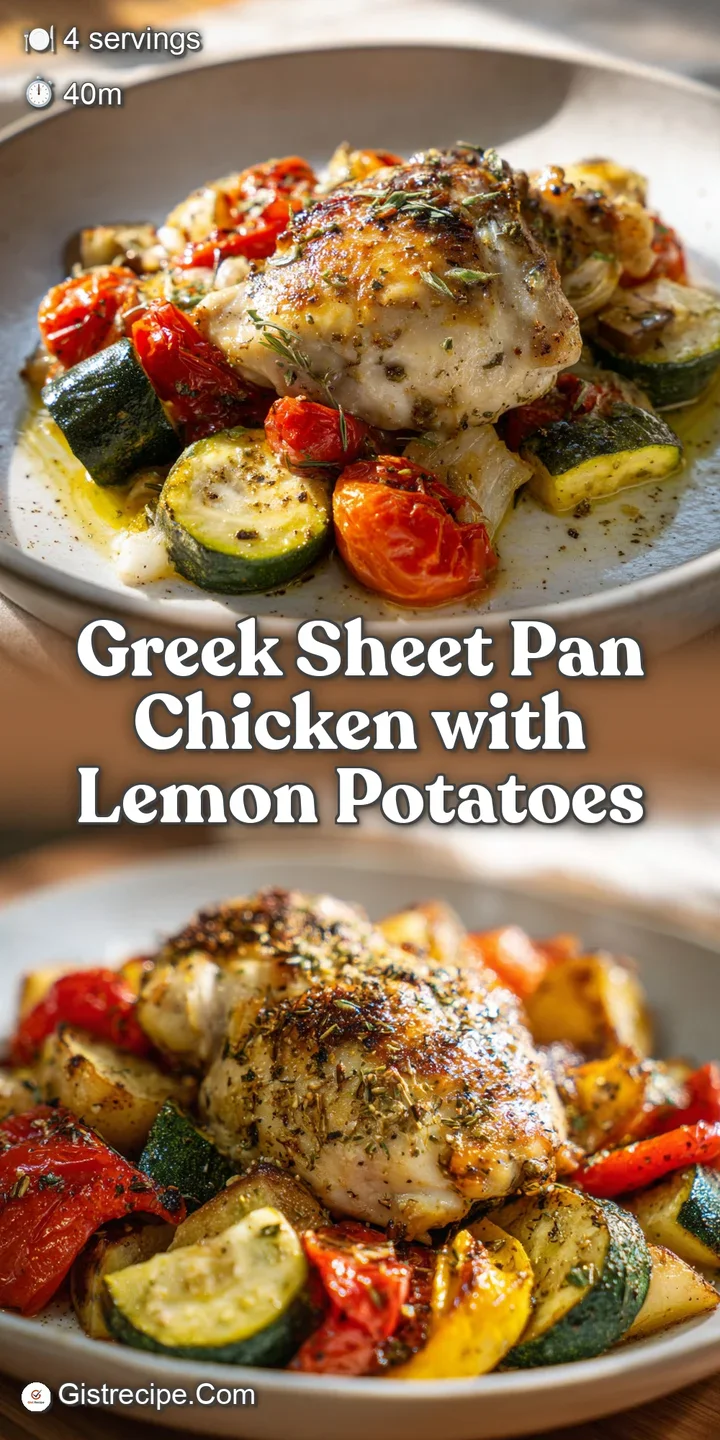
Greek Sheet Pan Chicken Dinner
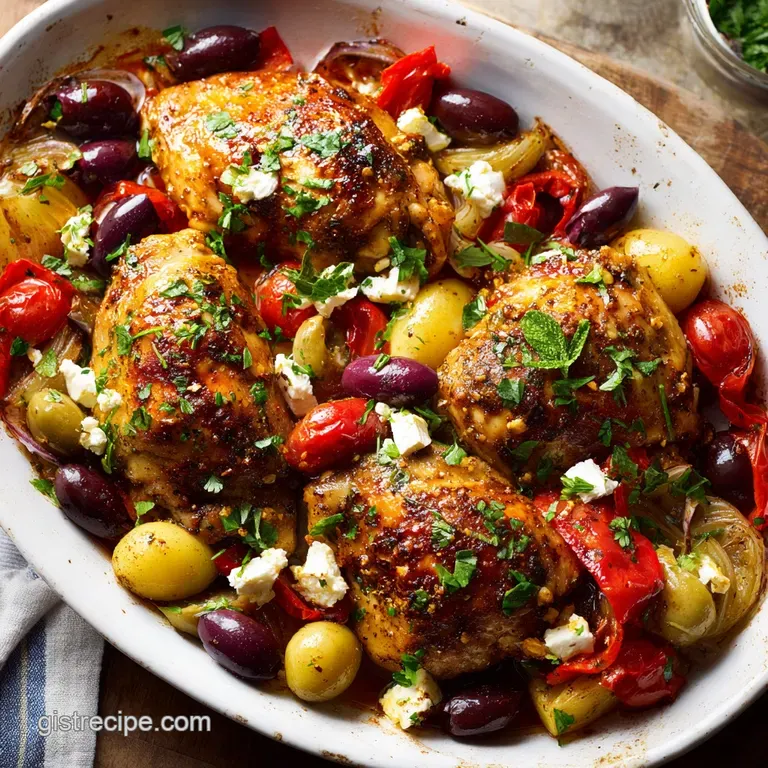
- Time: Active 15 minutes, Passive 25 minutes, Total 40 minutes
- Flavor/Texture Hook: Zesty lemon with crispy skin
- Perfect for: Busy weeknight family dinners
- Create the Perfect Greek Sheet Pan Chicken
- Essential Recipe Specifications
- The Science of the Sizzle
- Components for Success
- Necessary Kitchen Tools
- Step-by-Step Cooking Guide
- Fixing Common Cooking Issues
- Creative Flavor Variations
- Scaling the Recipe
- Debunking Kitchen Myths
- Storage and Waste Tips
- High in Sodium
- Recipe FAQs
- 📝 Recipe Card
Create the Perfect Greek Sheet Pan Chicken
The aroma of dried oregano hitting a hot pan always takes me back to a Tuesday night three years ago when I nearly gave up on home cooking. I had a sink full of dishes and a hungry family, so I threw everything I had onto one tray, prayed to the kitchen gods, and slid it into the oven.
The result wasn't just edible; it was the first time I saw my kids fight over zucchini.
That sizzle you hear when the lemon juice hits the rendered chicken fat is the sound of a successful dinner. This recipe isn't about fancy techniques; it is about letting the oven do the heavy lifting while you take a breather. We have made this dozens of times, tweaking the vegetable ratios until they were just right.
Trust me, the way the grape tomatoes burst and create a natural sauce is the real secret here.
Essential Recipe Specifications
[!TIP] Chef Note: Always pat your chicken thighs dry with a paper towel before adding the marinade. Moisture on the surface of the meat is the enemy of that golden, crispy skin we want.
The Citrus Tenderizing Bond
Acidic Denaturation: The lemon juice and red wine vinegar break down tough protein fibers in the chicken. This ensures the meat remains velvety even after roasting at high heat.
| Method | Time | Texture | Best For |
|---|---|---|---|
| Oven Roast | 25 minutes | Crispy skin, tender veggies | Low effort family meals |
| Stovetop | 15 minutes | Deep sear, softer veggies | Quick single servings |
| Air Fryer | 18 minutes | Maximum crunch, dry finish | Smaller batch cooking |
Whether you use the oven or the stove, the goal is reaching an internal temperature of 74°C. The oven provides a more consistent, surrounding heat that allows the potatoes to soak up the juices without burning the garlic.
The Science of the Sizzle
| Ingredient | Science Role | Pro Secret |
|---|---|---|
| Lemon Juice | Acidic Tenderizer | Use fresh juice only for the brightest enzymatic reaction on meat fibers. |
| Yukon Gold Potatoes | Starch Structure | These hold their shape better than Russets when exposed to high moisture vegetables. |
| Extra Virgin Olive Oil | Heat Conductor | It transfers oven heat evenly to the spices, preventing the oregano from scorching. |
Components for Success
To get this right, you need the right balance of fats and acids. If you are out of one specific item, don't panic. For instance, if you don't have red wine vinegar, apple cider vinegar works fine, though it adds a slightly fruitier note to the tray.
- 1.5 lbs boneless, skinless chicken thighs: Why this? Thighs stay juicy at high temperatures unlike breasts. (Sub: Chicken breast, but reduce cook time by 5 mins).
- 1 lb baby Yukon Gold potatoes, quartered: Why this? They provide a buttery texture without peeling. (Sub: Red potatoes).
- 2 medium bell peppers (red and yellow): Why this? Adds sweetness and vibrant color. (Sub: Orange peppers).
- 1 large red onion: Why this? Caramelizes beautifully into thick wedges. (Sub: Shallots).
- 1 medium zucchini: Why this? Absorbs the lemon garlic marinade. (Sub: Yellow squash).
- 1 cup grape tomatoes: Why this? Their juices create a built in sauce. (Sub: Cherry tomatoes).
- 1/4 cup extra virgin olive oil: Why this? The primary fat for roasting. (Sub: Avocado oil).
- 3 tbsp fresh lemon juice: Why this? Essential for brightness and tenderizing. (Sub: Bottled lemon juice).
- 1 tbsp red wine vinegar: Why this? Provides a sharp, tangy finish. (Sub: White wine vinegar).
- 4 cloves garlic, minced: Why this? The backbone of Greek aromatics. (Sub: 1 tsp garlic powder).
- 2 tsp dried oregano: Why this? Classic Mediterranean herbaceous flavor. (Sub: Dried marjoram).
- 1 tsp dried thyme: Why this? Adds earthy depth to the poultry. (Sub: Dried rosemary).
- 1 tsp sea salt: Why this? Enhances all other flavors. (Sub: Kosher salt).
- 1/2 tsp cracked black pepper: Why this? Adds a subtle heat. (Sub: White pepper).
- 1/2 cup Kalamata olives, pitted: Why this? For a salty, briny punch. (Sub: Green olives).
- 1/3 cup feta cheese, crumbled: Why this? Adds creamy, tangy richness. (Sub: Goat cheese).
- 1/4 cup fresh parsley, chopped: Why this? A fresh, cooling finish. (Sub: Fresh dill).
Necessary Kitchen Tools
You really only need a large sheet pan for this. I prefer a heavy duty half sheet pan because it doesn't warp under high heat, which ensures your oil stays evenly distributed rather than pooling in one corner.
- Large Rimmed Sheet Pan: Prevents juices from spilling into your oven.
- Large Mixing Bowl: For tossing everything together thoroughly.
- Meat Thermometer: The only way to guarantee perfectly cooked chicken.
step-by-step Cooking Guide
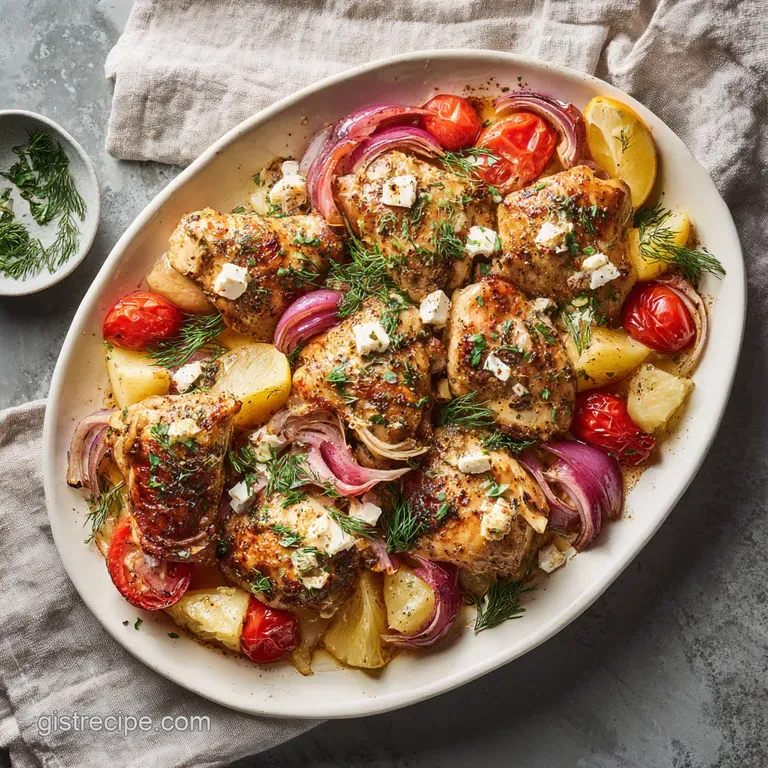
- Preheat your oven to 200°C. Note: A hot oven is vital for roasting rather than steaming.
- Whisk the olive oil, lemon juice, vinegar, garlic, oregano, thyme, salt, and pepper in a small bowl.
- Place the chicken thighs, potatoes, bell peppers, red onion, and zucchini into a large mixing bowl.
- Pour the marinade over the ingredients and toss until everything is glistening and coated.
- Spread the mixture onto the sheet pan in a single layer. Note: Don't let things overlap too much or they won't brown.
- Nestle the grape tomatoes among the other vegetables.
- Roast for 25 minutes until the chicken reaches 74°C and potatoes are tender.
- Scatter the Kalamata olives and crumbled feta over the hot tray immediately after removing from the oven.
- Garnish with fresh parsley until the dish looks vibrant and green.
Fixing Common Cooking Issues
Soft or Soggy Potatoes
This usually happens if the potatoes were cut too large or if the pan was overcrowded. When vegetables are too close together, they release steam instead of roasting in the dry heat. To fix this, ensure your potato quarters are no larger than 2 centimeters and use the largest pan you have.
Dry Chicken Meat
If you find the chicken is dry, you likely used breasts instead of thighs or cooked them too long. Chicken thighs are much more forgiving, but even they have a limit. Use a thermometer to pull the pan the second they hit the target temperature.
| Problem | Root Cause | Solution |
|---|---|---|
| Vegetables are mushy | Overcrowded sheet pan | Use two pans or a larger one. |
| Garlic is burnt | Minced too finely | Cut garlic into slivers instead of a paste. |
| Potatoes still hard | Cut too thick | Quarter them into smaller, uniform pieces. |
Common Mistakes Checklist
- ✓ Pat the chicken dry before marinating to encourage browning.
- ✓ Slice the red onion into thick wedges so they don't vanish during roasting.
- ✓ Add the feta cheese at the very end so it stays creamy.
- ✓ Avoid using "light" olive oil; extra virgin provides better flavor at these temps.
Creative Flavor Variations
If you want to change things up, try swapping the zucchini for asparagus or green beans during the last 10 minutes of cooking. For those who enjoy a bit of a kick, adding a teaspoon of red pepper flakes to the marinade provides a nice glow.
For a different flavor profile that still uses one pan logic, you might enjoy my Chicken Spinach Mushroom recipe. It uses similar garlic notes but focuses on a creamier finish. If you find yourself craving something with more complex spices, the Authentic Chicken Karahi recipe is a fantastic way to see how different cultures handle bone in poultry.
- If you want it low carb: Double the zucchini and peppers while omitting the potatoes entirely.
- If you want it crispy: Turn on the broiler for the final 2 minutes of cooking.
- If you want it extra briny: Add a tablespoon of capers along with the olives.
Scaling the Recipe
When cutting this recipe in half, use a smaller pan to prevent the marinade from burning on the empty spaces of a large tray. You can still use a whole egg's worth of liquid if a recipe calls for it, but here, simply halving the oil and lemon works perfectly.
For doubling the recipe, do not just pile everything onto one tray. You must use two separate sheet pans. If you crowd them onto one, the vegetables will boil in their own juices and you will lose all that lovely char. Reduce the salt slightly when doubling; 1.5x the salt is usually plenty for a 2x batch of vegetables.
Debunking Kitchen Myths
A common misconception is that you must marinate the chicken for hours. In reality, with this much lemon and vinegar, a long soak can actually turn the chicken's exterior mushy. Twenty minutes is plenty, and even tossing and roasting immediately works because the marinade concentrates as the water evaporates in the oven.
Another myth is that you can't roast different vegetables together. While they do have different cook times, the secret is in how you cut them. By quartering the potatoes small and leaving the onion in thick wedges, everything crosses the finish line at the exact same moment.
Storage and Waste Tips
Storage: Store leftovers in an airtight container in the fridge for up to 4 days. When reheating, I recommend using a toaster oven or air fryer at 180°C for 5 minutes to keep the potatoes from getting gummy.
You can freeze this for up to 2 months, but be warned that the zucchini may lose its structure and become quite soft upon thawing.
Zero Waste: Don't throw away the lemon rinds after squeezing. Toss them onto the sheet pan while roasting to infuse the air with citrus oils, then discard them before eating. If you have leftover red onion and peppers, they make an incredible base for a morning omelet.
Even the salty brine from the Kalamata olive jar can be used to zest up a salad dressing later in the week.
This recipe pairs perfectly with a side of fluffy pita bread or even a simple side of grains. If you're looking for a hearty accompaniment, this Simple Turkey and recipe offers a great example of how to use rice to bulk up a poultry meal.
High in Sodium
845 mg 845 mg of sodium per serving (37% 37% of daily value)
The American Heart Association recommends limiting sodium intake to about 2,300mg per day.
Tips to Reduce Sodium in this Recipe
-
Reduce Feta Cheese-15%
Feta cheese contributes significantly to the sodium content. Reduce the amount of feta by half, using only 1/6 cup, or omit it entirely for a 15% reduction.
-
Limit Olives-15%
Kalamata olives are high in sodium due to the brining process. Reduce the quantity used by half (1/4 cup) or replace them with fresh herbs like oregano or thyme for a 15% reduction.
-
Reduce Added Salt-25%
Reduce the amount of sea salt used by half (0.5 tsp). Taste the dish and add more only if needed. This can decrease sodium by up to 25%.
-
Boost Flavor with Lemon
Enhance the flavor with more lemon juice, pepper, garlic and red wine vinegar instead of relying on salt. This can complement the herbs and create a flavorful dish with less sodium.
-
Herbs & Spices
Use a generous amount of dried oregano and thyme, or experiment with other sodium free herbs and spices to enhance flavor without adding sodium. Garlic powder, onion powder, or smoked paprika can add depth.
Recipe FAQs
Is it necessary to use chicken thighs instead of breasts?
Yes, stick with thighs. Thighs retain moisture better during the high heat roasting required for crispy skin and tender vegetables.
How do I prevent the vegetables from steaming instead of roasting?
Ensure the pan is not overcrowded. Spread all ingredients in a single, non-overlapping layer across the sheet pan to allow hot air circulation.
How long should the chicken marinate before cooking?
20 minutes is sufficient for this recipe. Soaking too long in the acidic marinade can actually start to break down the protein fibers too much, leading to a mushy texture.
How can I make this recipe even faster for a weeknight?
Cut the potatoes into smaller pieces. Smaller cuts increase surface area, reducing the required roasting time significantly, similar to the speed advantages seen in our Hawaiian Haystacks Recipe.
What is the secret to achieving maximum crispiness on the chicken skin?
Pat the chicken thighs completely dry before adding any seasoning. Any surface moisture will turn to steam when heated, preventing the Maillard reaction needed for browning.
What temperature should the chicken reach internally for safety and tenderness?
Pull the pan when the thickest part reads 74°C. Use a meat thermometer inserted away from the bone to guarantee doneness without drying out the meat.
Is it true that using bottled lemon juice ruins the authentic Greek flavor?
No, this is a common misconception. While fresh juice is brighter, bottled juice works fine when mixed heavily with potent herbs like oregano and thyme.
Greek Sheet Pan Chicken
Ingredients:
Instructions:
Nutrition Facts:
| Calories | 518 kcal |
|---|---|
| Protein | 36.8 g |
| Fat | 28.4 g |
| Carbs | 31.2 g |
| Fiber | 4.6 g |
| Sugar | 6.2 g |
| Sodium | 845 mg |
